While some people have been running for the whole of their lives, there are others who started later and always experience difficulties as a beginner runner. Whether you are a beginner runner, someone who used to be a beginner runner, or you have friends who just began running, take a few moments to relate to these 20 things, have a good laugh at them and appreciate these little experiences in your running journey:
1. “Wait, it has only been five minutes? I feel like I’ve been running for at least an hour.”
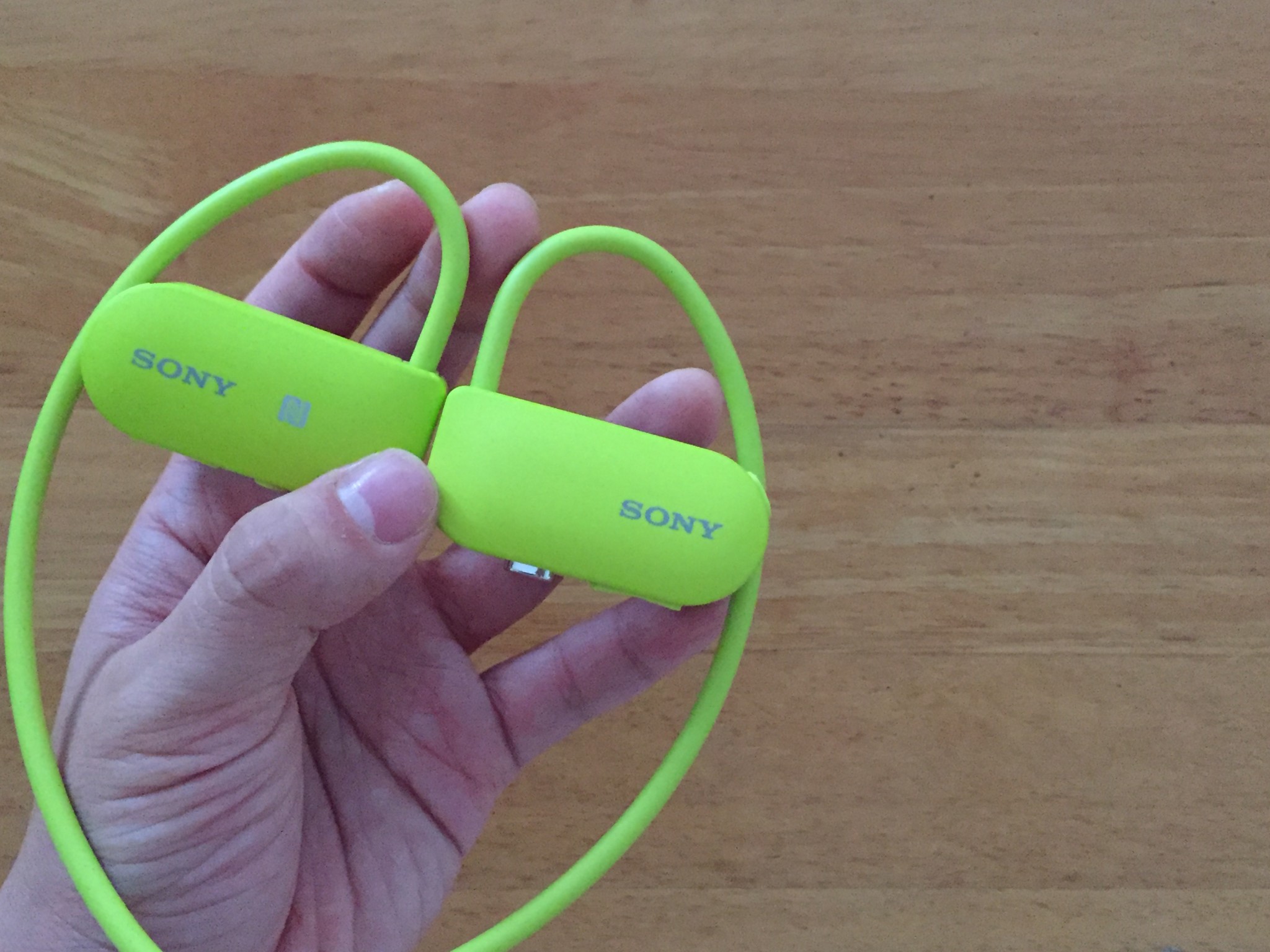
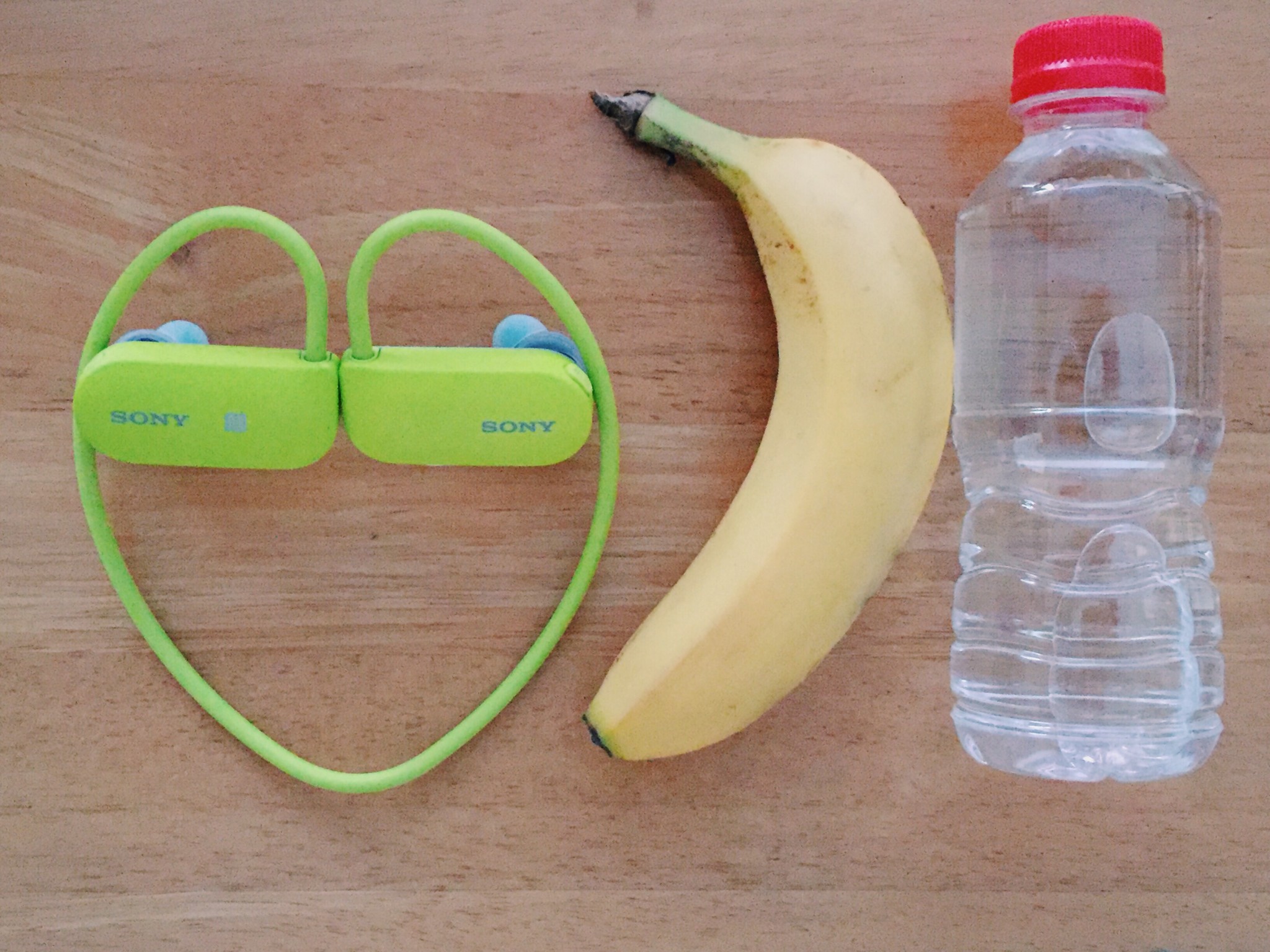
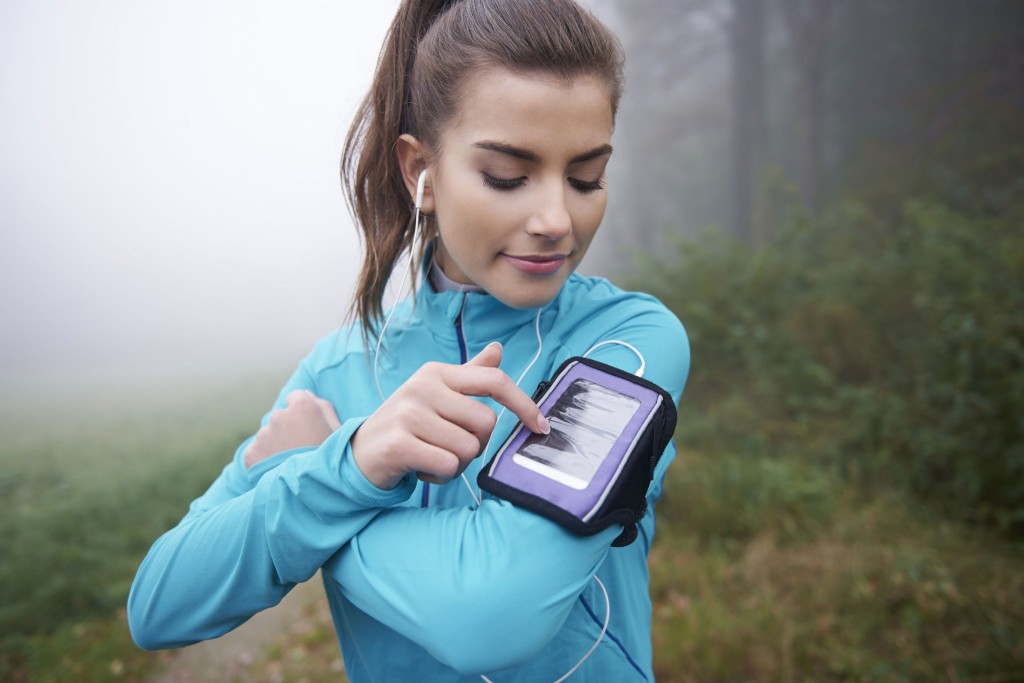
2. Running earphones? Running watches? Those gadgets look cool. Investing in a running device can probably motivate you to run more, but you would rather stick to your mobile phone for now.
Image credit: 123RF
3. Your own timings each run can surprise you, whether they are good or bad.
4. Being out of breath is your new comfort zone.
5. You have a recurring nightmare of being last to finish the 5k you’re aiming for.
6. When a friend asked to run together with you, but you are slowing them down…
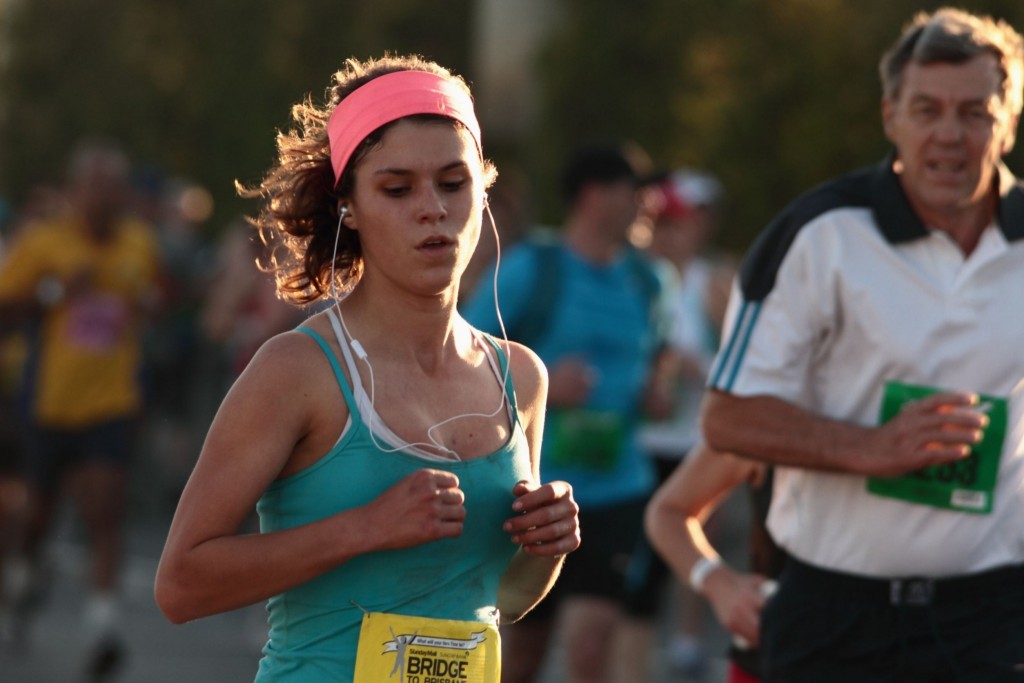
7. When you realise you are running not much faster than the old aunties and uncles.
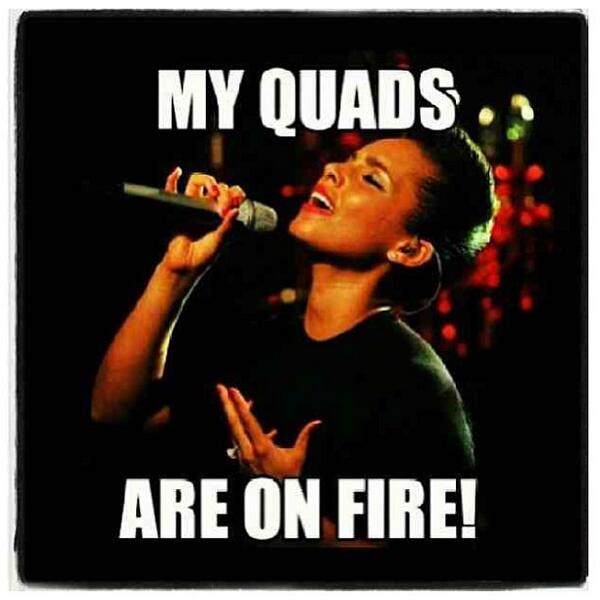
8. The muscle aches are too much pain and taking too long to recover.
9. You are still chasing the illusive fantasy of “runner’s high.” Is there really such a thing?
10. 5 km is considered a short distance run??
11. Walk/run game STRONG.
Image credit: 123RF
12. How do people even go for a recovery run after that 5 km when you are exhausted already?
13. You do not have enough running clothes.
14. You can’t tell whether your running shoes are too heavy or that your ankles are too weak.
15. You’ve learned a new definition for “dirty” laundry. #whyiseverythingsowet
16. You can’t count the number of times you wanted to give up.
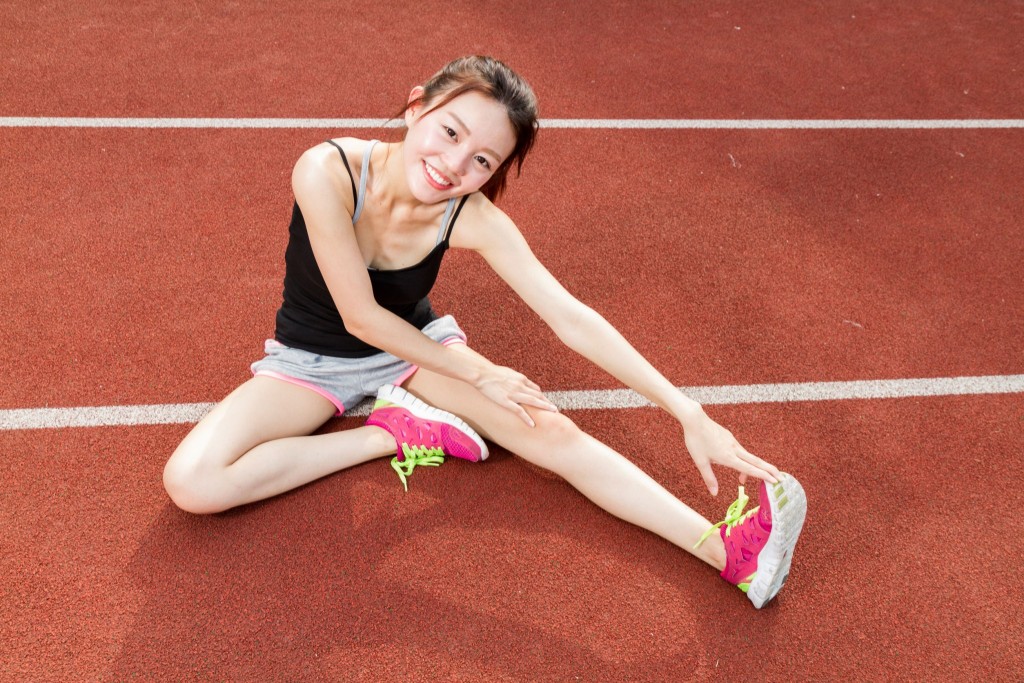
17. You can’t touch your toes… but dream of one day doing so.
18. Fartleks? Glycogen? Over-pronation and supination? You never knew there is so much to learn about running.
19. You really want to learn more about running, but sometimes you feel like you are asking too many questions in your running group.
20. Regardless of the challenges, you still pushed yourself and try to improve every single time you run. And you are proud of it.
Image credit: 123RF
The struggle is the greatest at the beginning – to train your mind and body to overcome the mental and physical challenges and become a better runner. For the beginner runners who have stuck it out and made the decision to continue running, you deserve a pat on the back and just run lah! Do you have an unique experience as a beginner runner that is not listed here? Do share with us!
Kota Kinabalu is a beautiful city with amazing people. While it is common to associate Sabah with the rest of Malaysia and Sarawak, the city of Kota Kinabalu has its own unique beauty and charm that one may not find in other parts of Malaysia. In fact, the city is a true testament to Asia’s diversity in culture and people – Malaysia, Truly Asia – they are definitely doing it right in Kota Kinabalu. The breathtaking sceneries of the sunsets and Mt. Kinabalu, the many exciting adventures and the sincerity of its people – these are truly what makes Kota Kinabalu such a beautiful place.
You may be able to admire the beauty of the place through our videos, but you will have to experience Kota Kinabalu yourself to truly appreciate the culture and its people. Watch the video for highlights of our 5 days Discover, Play, Makan journey in this beautiful city:
[ot-video type=”youtube” url=”7Kt9HPRS1Js”]
Special thanks to Sabah Tourism Board, SilkAir, Exotic Adventure and Hotel Grandis for planning the itinerary and making this trip possible for the JRL team!
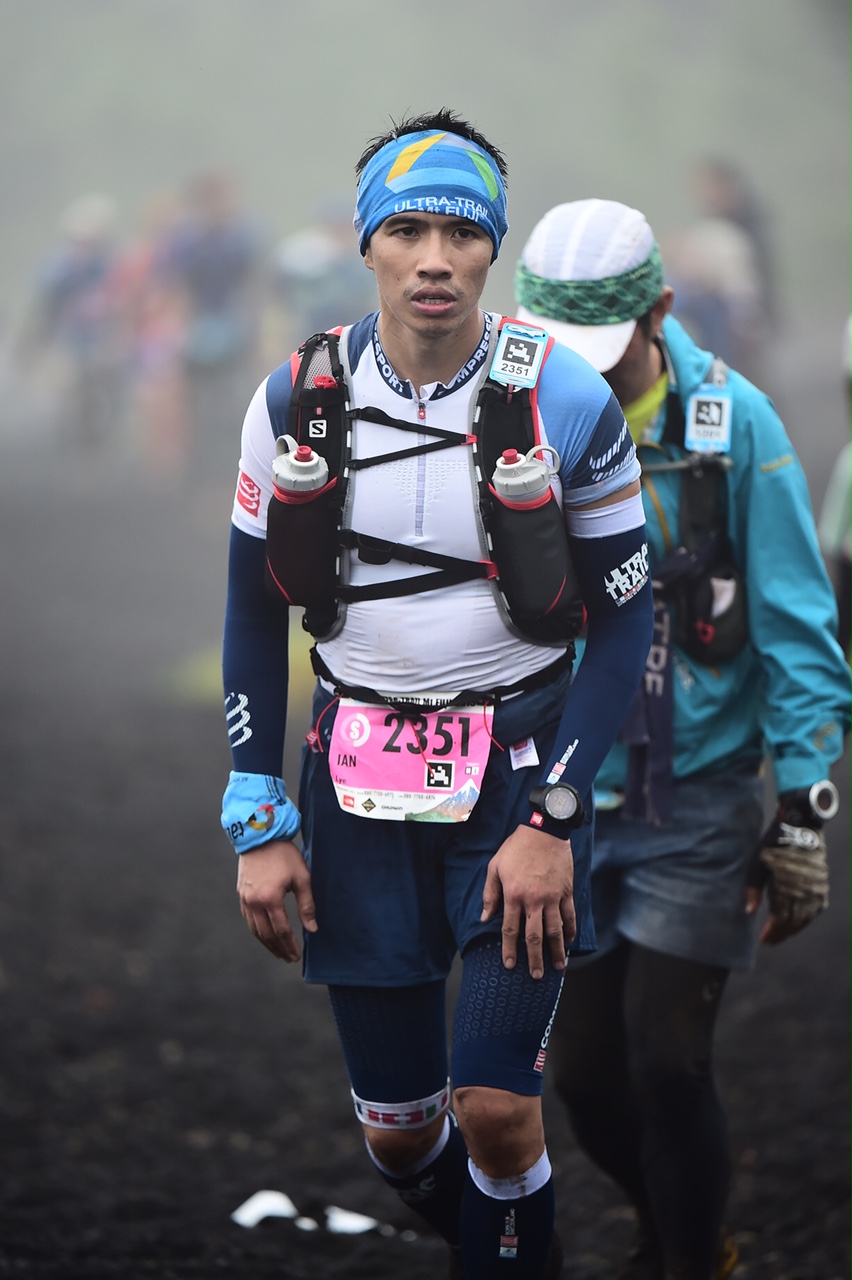
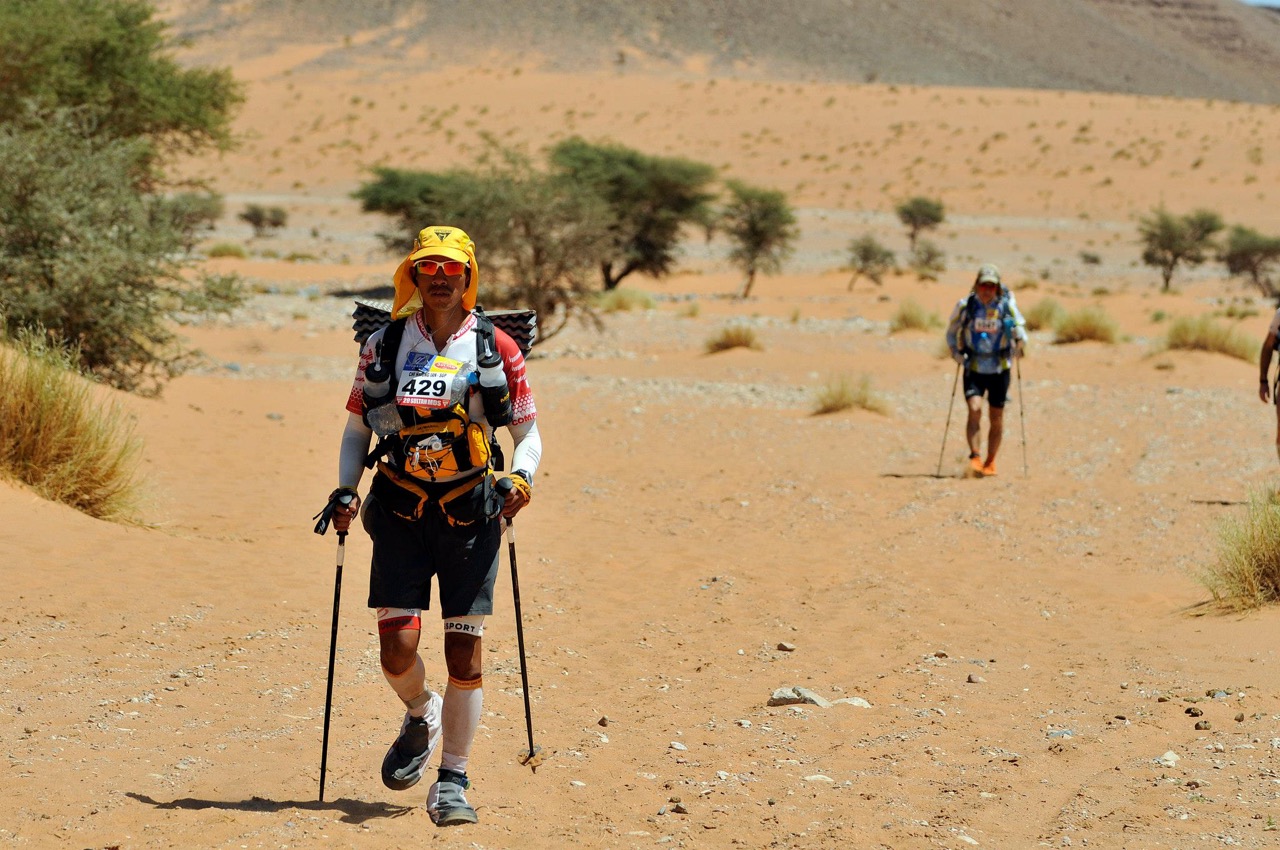
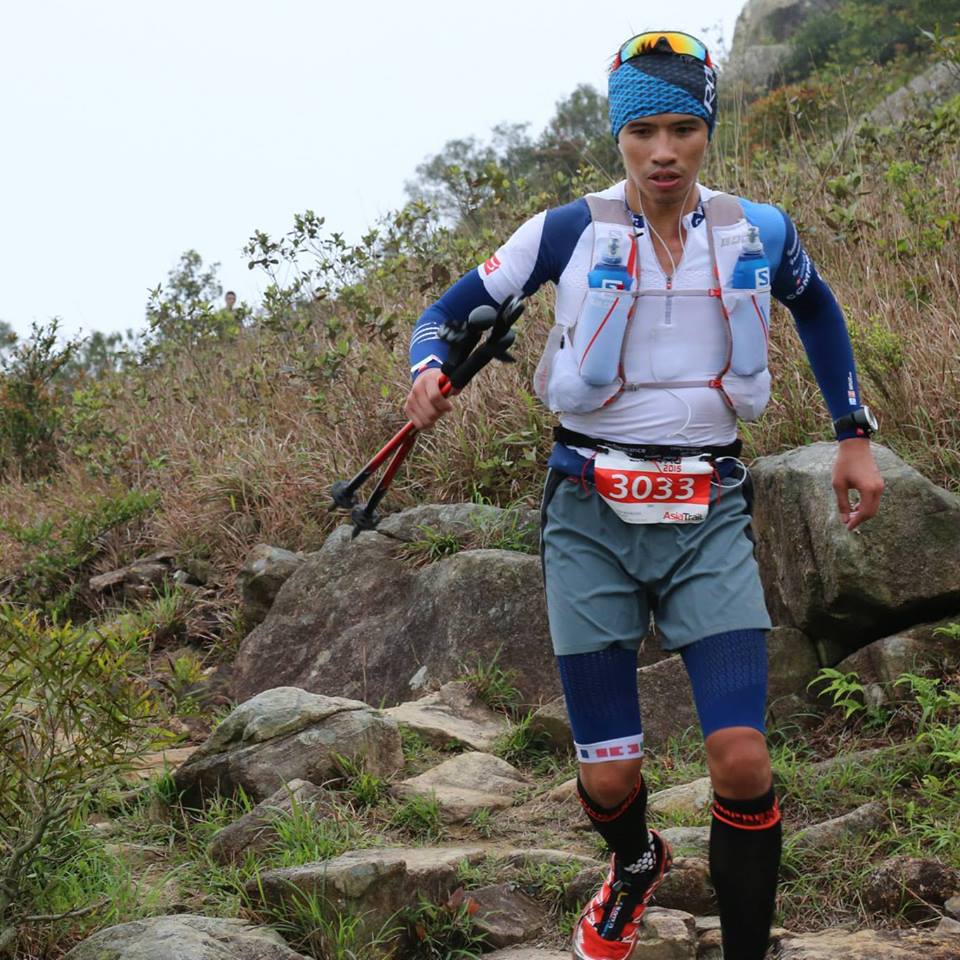
Ian Lye is the other half of the Singaporean duo (together with Chin Wei Chong) that completed the “toughest footrace on Earth” Marathon Des Sables for charity last year. He has an admirable passion for nature and running, and is an active trail runner. We had a quick chat with Ian as he shared with us tips for trail running and some advice for runners joining the Compressport Rail Corridor Run 2016.
JustRunLah!: How will you introduce yourself to Singapore running community?
Ian: I’m first and foremost an explorer at heart who loves the outdoors, and trail running and ultra races have become a means for me to discover new places and races, and seek out new experiences around the world. In order to feed my hobby, I hold a regular job as a compliance manager in an investment bank.
JustRunLah!: When did you first pick up running (what age) and what inspired you to do so?
Ian: My first taste of running competitively came when I was in National Service and I represented my squadron and the Fleet in various middle distance events such as the 1,500m, the 5000m and the 10,000m. Back then, I was really inspired by the likes of Moroccan Hicham el-Guerrouj and Ethiopian legend Haile Gebrselassie. While I did enjoy some success, I stopped running regularly to focus on my university studies, and it was only a few years ago that I rediscovered my love for running and took it up seriously again. These days though, I’ve switched to trail running and ultramarathons, as I no longer have the raw foot speed to keep up with all the young bucks out there!
JustRunLah!: Would you say that one needs to have a certain mindset to take up running as a sport/exercise activity?
Ian: Because running is a solitary sport in many ways, you really need a certain level of mental toughness and the resilience to push through the difficult patches even when there’s no one watching or cheering you on. Most runners also tend to enjoy, or are at least comfortable, with solitude, which is important to be able to cope with the loneliness of the long-distance runner.
JustRunLah!: What would you consider to be your biggest running achievement so far?
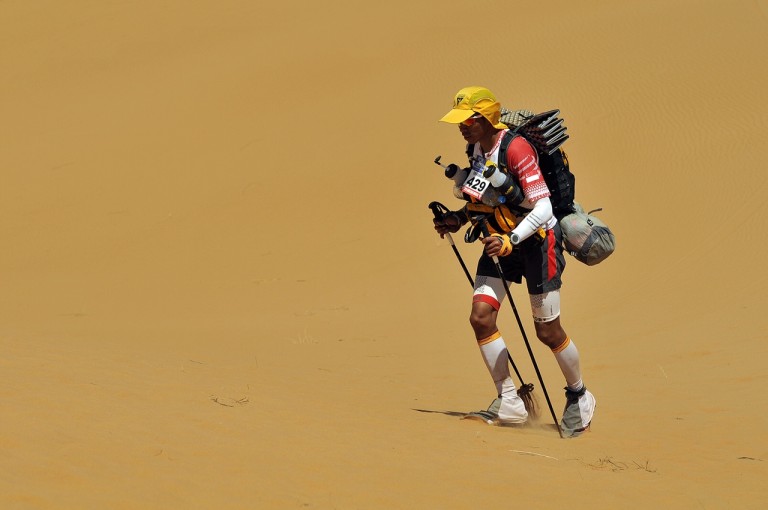
Ian: That would definitely be completing the Marathon des Sables last year, a 240 km multi-stage race in the Sahara desert. It was and still is the biggest test I’ve ever faced in running!
JustRunLah!: How has Compressport products assist in your training/achievements?
Ian: I’ve been a big fan of Compressport’s products for a long time now, and I have to say the R2 Calf Sleeves and the Trail Shorts are probably my favourite pieces of gear. The Calf Sleeves are fantastic for recovery after a hard training session or a long race, and I usually put them on just before I go to bed and let them do their magic. The highly compressive material just squeezes out all the soreness and toxins from my muscles, and voila, my legs feel a lot better and lighter the next day!
The trail shorts are also one of my essential pieces of running gear and work really well in reducing muscle vibrations and delaying fatigue over a long race. For travelling on flights, my go-to travel socks are the Full Socks, which stimulate blood flow and prevent fluid from accumulating in the foot. The colourful and eye-catching designs, which really help Compressport products stand out compared to the other brands out there, are a definite bonus!
JustRunLah!: What are your future goals?
Ian: I’ve not had the chance to race much outside of Asia yet, so running some of the iconic trail races in Europe and the US is something I really want to do in the near future. Beyond running, I’ll definitely continue to do what I love and just enjoy being outside and in the mountains, whether that’s through hiking or biking. Never stop exploring, those are words I try to live by.
JustRunLah!: One reason why runners should join Compressport Rail Corridor Run 2016?
Ian: It’s probably going to be the last chance to run this historic and beautiful stretch of Singapore before it gets closed for the construction of a pipeline, so runners should definitely not miss this race! On top of that, the runners’ entitlements in the race pack look amazing with fantastic Compressport goodies, and who doesn’t love a great bargain?
JustRunLah!: What advice would you give to all participants at Compressport Rail Corridor Run 2016?
Ian: Be specific in your training. Aim for a few long runs with similar terrain and weather conditions as the race to get used to running on uneven ground during the heat of the day. It will be important to stay hydrated because the race course is pretty exposed, and the sun can be pretty merciless. But most importantly, have fun and enjoy the experience of running this beautiful course one last time before it gets closed down.
JustRunLah!: What is your mantra for when the going gets tough in a race?
Ian: That would be a quote from ultrarunning legend Dean Karnazes:
“Run when you can, walk if you have to, crawl if you must; just never give up.”
While it’s a simple philosophy, repeating those words in my mind has definitely gotten me through a few rough spots in races. It’s a reminder that relentless forward progress, no matter how slow, is always faster than staying still.
It also helps to break the race down into manageable chunks. No matter how tired I get, or how bad it hurts, I just focus on making it to the next aid station, and not let my mind defeat itself by dwelling on how many more kilometres there are to the end.
JustRunLah!: Finish this sentence: Running is…
Ian: a gift that has continued to bless me with opportunities to travel and see some amazing places, make some great friends and fulfill dreams that I never thought were possible before. On a daily level, running is my personal therapy that mentally recharges me and lets me enter that elusive zen zone.
Click here now to sign up for the Compressport Rail Corridor Run 2016!
Standard Chartered Marathon Singapore (SCMS) has always been the marquee running event in Singapore, and being held in the first week of December, the event has been regarded by many runners as a grand finale to the year. This year, it was held on the 6 December 2015, with registration opening as early as July. Similar to last year, Kelsey and I decided to resister for the half marathon.
Race day:
Flag off time was 6.30am at sentosa gateway. We arrived at Vivocity with 45 minutes to spare and it was already so crowded! 😮 Even so, bag deposit was smooth and quick, queuing time at the portaloos was faster than we expected. 15 minutes before flag off, we were already at the start pen with many other runners, sadly stuck in the second wave. The sun was already rising by then and we predicted that we were in for a long hot run.
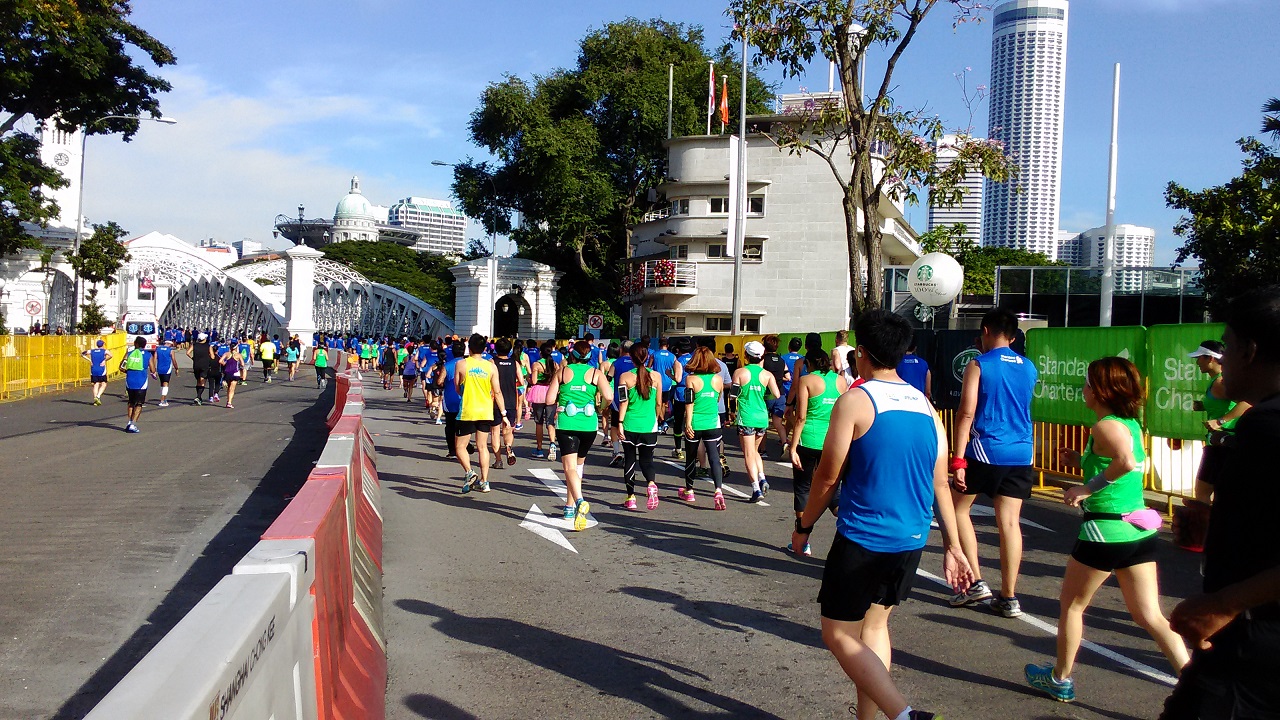
Kelsey and I had agreed to go out and enjoy today’s race, putting timing aside. We took off at a comfortable pace, soaking in the amazing atmosphere with thousands of runners along us. Some wonder why do we pay to join running events when we could run for free. It’s because of the experience and atmosphere, the feeling of so many like minded enthusiastic people running together. It’s a stark difference from running alone.
With countless slopes and numerous turns early in the route, there were quite a number of walkers early in this stage already. We were still handling things fairly well because of the pace we were doing.
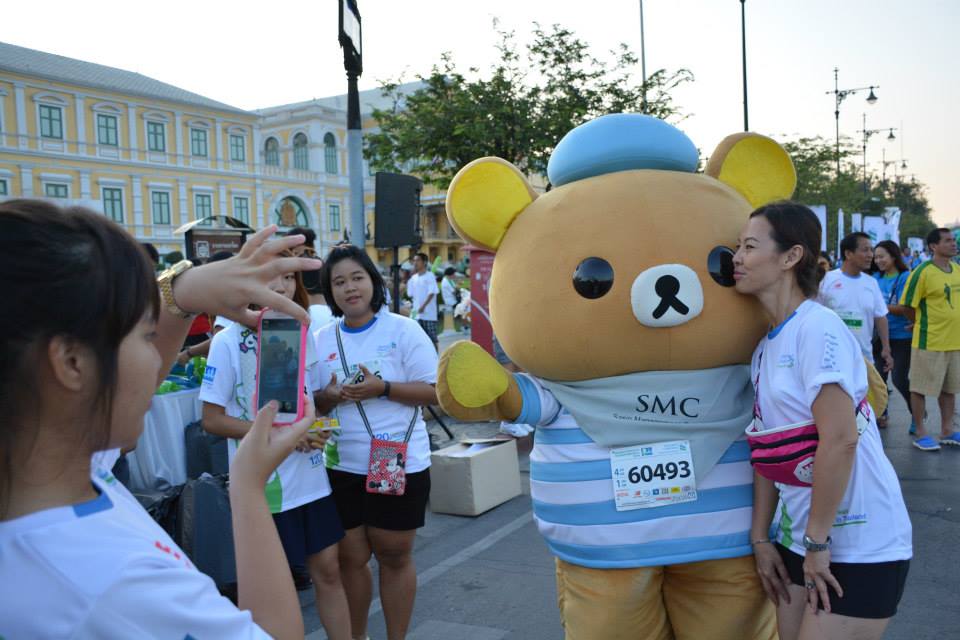
We finally entered the highly anticipated USS at the 5th km and ran one loop inside before exiting Sentosa. That was the highlight of the whole route because USS is just so beautiful. Running pass castles, seeing cartoon mascots around such as Elmo and Madagascar, it felt like a fairy tale run. Many runners were stopping to take photos with the mascots, but we didn’t want to disrupt our momentum so early in the race. After completing the loop in USS, we exited Sentosa through the stuffy and dark carpark onto the main island.
The 10th km to the 18th km was spent on West Coast Highway AKA the highway of HELL! I guess fairytales don’t always end with a happily ever after. We had already mentally prepared ourselves for the highway because the route was similar to last year. We filled our bottles to the fullest at the water station before entering the highway as we get ready to take it on.
It was a 2 way traffic for 3 quarters of the highway so we were anticipating a u-turn point up ahead. Medics were stationed every few hundred meters with muscle cream for the runners and there was only 1 water station around the 12km mark. The sun was already out in full force as we finally crossed the U-turn point. This made it even harder for us to run because the gravel on the road was radiating the heat and the sun was shining directly at our faces! The heat was extremely intense and even though the next water point was only 4km away, we had already emptied our running bottles long before we reached there. Highway of hell was indeed living up to its name.
We eventually crashed out and gave in to the heat at the 16km point. Even with our water belt and hand held bottle, we were still feeling dehydrated. We were just thinking about those without a bottle and how much worse they were feeling. There had been several ambulances that went pass us with some heat exhaustion casualties and we decided that it wasn’t worth risking it. We slowed down to a walk as we dragged ourselves on for the rest of the highway. To be honest, I felt pretty disappointed that we had to walk in a race because we never had to before. Boy was I glad when we finally exited it and entered the city area.
The highway had us all exposed openly to the scorching sun so running pass the high rise buildings alongside Robinson Road was a great change. It was way more cooling and with the shelter from the buildings, so we decided to push ourselves a little and finish the race strongly. This was Kelsey’s favourite part of the race.
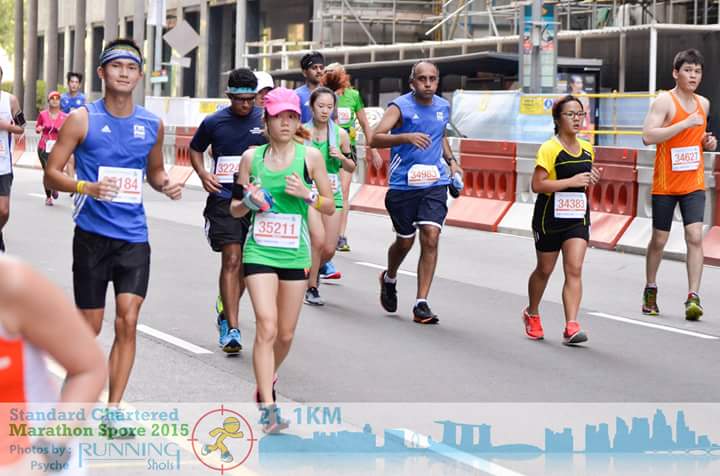
Feeling tired at the 19km mark but pressing on! Photo credits: Running shots
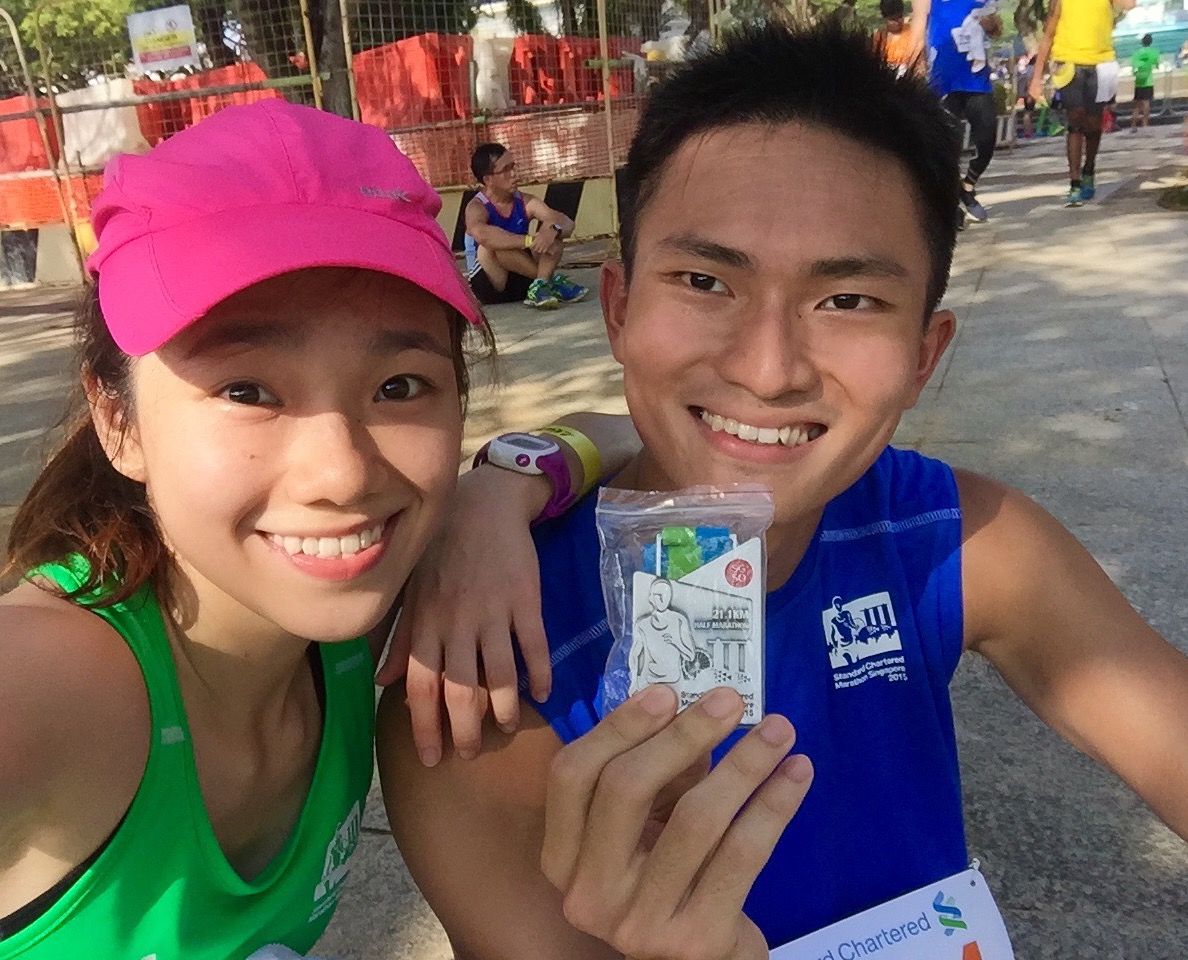
We managed to complete our 4th Half Marathon together in a timing of 2 hours 39 minutes, certainly not the best, but it was decent enough for us. We surely enjoyed each other’s companion throughout the entire race. We were encouraging each other at times when we were reluctant to start running again. It had made the tough journey much more bearable. This was probably the toughest HM that we had done together so far, and we are proud to have survived it!
‘You never know how strong you are… until being strong is the only choice you have.’ – Cayla Mills
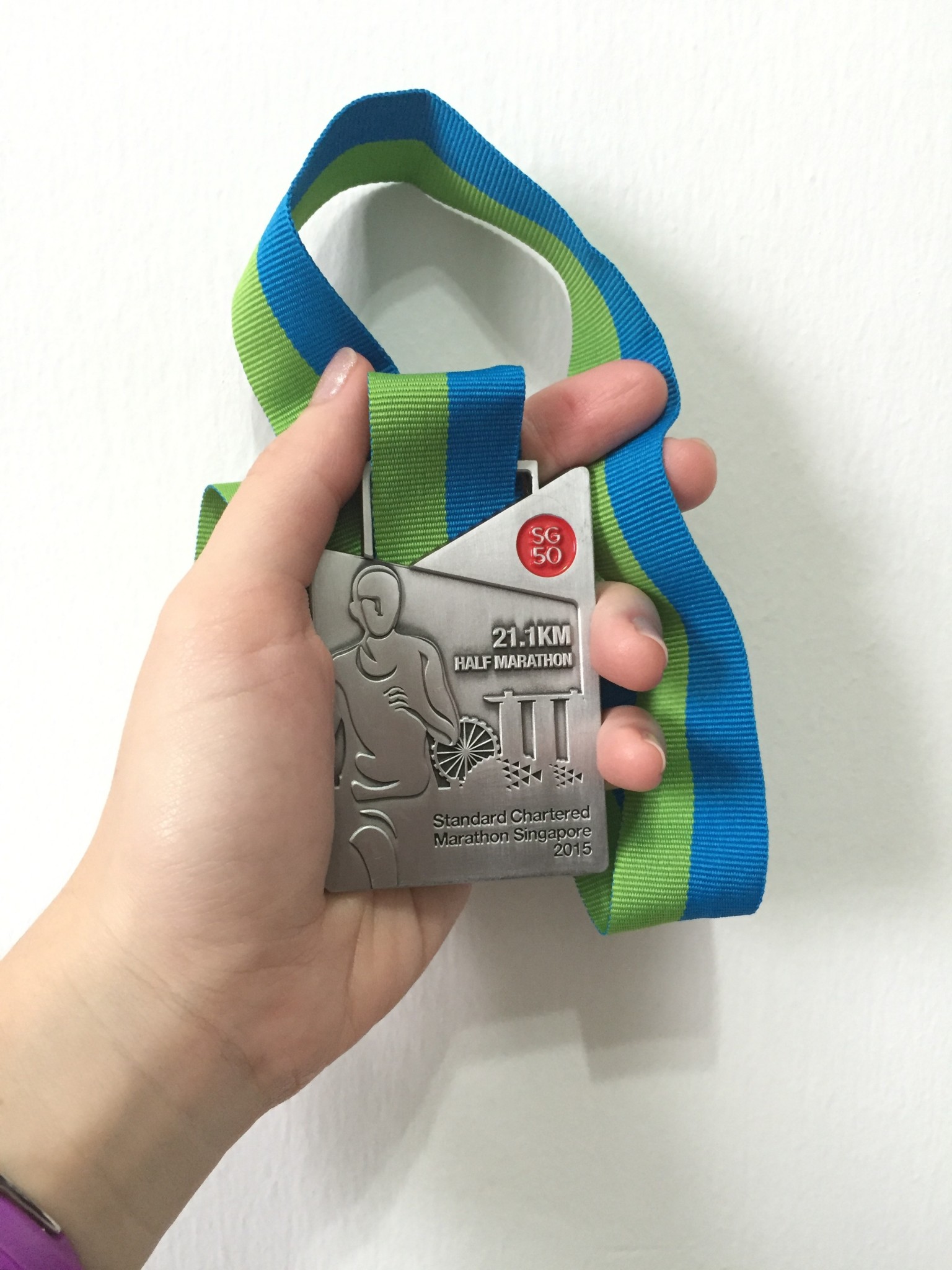
We are so happy we finished the race !SCMS medal 2015
Read more about the race registration and race Expo on our blog at https://runyourpace.wordpress.com
The Performance Series (TPS) is a series of 5 races that promotes an active lifestyle by journeying through various unique landscapes. They are inviting runners of all levels to join in this national movement of running, to enhance the running culture in Singapore and to empower individuals to take ownership of their health. If you have friends and family members who do not run often, this is the race that you want them to join together with you! Here are 5 reasons to convince you and them for why you should join this race series:
1. Unique landmarks
Have you run in the other different parts of Singapore before? TPS is a series of 5 races that brings runners across five unique landscapes of Singapore. The 5 landscapes comprise of island, lake, heartland, reservoir and farm, bringing you a different and unique running experience each time. It can also be a great opportunity for you to bring your friends and family, and foreign friends, to explore the other running routes and sceneries around Singapore.
2. Sustained motivation to run (1 race every 2 months)
With a race happening almost every two months from May to December, you have no excuses for slacking off and not running at all. After you complete the first race, you will have another one to look forward to. Can you imagine any other more fulfilling way as a runner, to fill your calendar up with races? Sign up for the full series to ensure an active year ahead in 2016, keeping yourself a healthy, fit and strong runner.
3. #TranscendYourself (From a non-runner to runner, runner to racer!)
Never run a race before? This series is the perfect opportunity for you to give it a try. If you don’t usually run, you can start from the 2.5 km category, or challenge yourself to the 5 km. There is no such thing as a bad runner – in the running world, everyone started from somewhere low and is constantly improving themselves. Having run a short distance is better than not running at all. So push yourself, start somewhere, and perhaps you will be able to run a marathon one day! The series aims to inspire anyone to reach their own personal goal and is focused on supporting participants on every step of their running journey.
“TPS consists of 2.5km, 5km and 10km. You define your own performance. Just walk lah, or just jog lah, then just run lah to just race lah! You decide.”
4. Singapore’s first running series
Running series have been successful in other countries like UK and USA, it is time for us Singaporeans to have our very own one too! The purpose of having a running series is to maintain an active engagement with runners, to keep them motivated in running throughout the year. It is also to provide a different running experience for runners, to run around the different parts of Singapore and keep running interesting.
5. Map of Singapore medal collection – first time ever!
Most important of all, the medals for TPS will make up the outline of the respective regions of the race on the Singapore map. This means that if you are able to finish all 5 races of the series, you will get 5 medals that you can piece together to form a Singapore map. This makes an interesting and commemorative collectible and is not like any other race medals you (probably) have already collected.
“To go beyond the limits of oneself. Our desire is for each runner to find improvement, whether you are a non-runner, a beginner, or a seasoned runner. The Performance Series hopes to provide the opportunity for all runners to transcend themselves – to break the mould of what was previously thought as impossible. To all participants who are about to embark on a yearlong journey with TPS, remember it’s the journey that really matters.”
We’re going to talk about the final kilometer of the 43.125km.
No matter the distance, it’s the kilometer right after your race. You can shrug it off because let’s be honest, you’re probably just going to be a tired pile on the ground by then. Instead of staying glued to the ground, we advise you to keep walking. Greedily take a few rounds of sponsored drinks if you can, but continue walking.
It keeps your circulation going. During an intense workout, your heart works a lot harder to deliver oxygenated blood to all parts of your body. If you stop abruptly, the muscles at your lower extremities does not respond by returning the blood to your heart. You end up with blood pooling at your extremities. It swells and hurt. So keep walking at least for a few minutes.
Recovery starts as soon as you stop running.
While you prop your leg up and rest, try some of these tricks that we have!
#1 Compression
It works by increasing blood flow to the area, which helps the removal of metabolic waste and introduction of antioxidants and other substances that can quicken recovery. There are so many variety of compression gear now from socks to quads to full length – there’s going to be one just for you!
#2 Foam rolling
Do it everywhere. It’s a form of self-myofascial release technique. You apply pressure at a muscle knot, which sends a signal to your brain to relax that area. For runners, target your calves, quads, piriformis and tensor fascia latae. It’s the solution to your pain.
#3 Light Yoga
It’s really a stretching and breathing exercise. It gets you to hold a position for 30 seconds or more, which tells your muscles to loosen up. Different Yoga postures also gets you to maintain constant and even breathing. Either way, it’s a good recovery technique.
#4 Get off your feet
Well, that’s after you’ve done some walking. Ultimately, running puts a lot of pressure on your feet. Your feet hits the ground over ten thousand times in a day. Every time you hit the ground, it sends shockwaves equivalent to about three times your weight. So after enjoying the carnival and hanging out with friends for a bit, lie down. Prop your feet up and rest.
#5 Eat carbohydrate and protein
Your post-race diet should mimic your pre-race diet. Sufficient in whole grains to refuel the lost energy from your muscles. This time, add more proteins to repair the muscle fibers. Remember that strength comes with recovery. Don’t save on these.
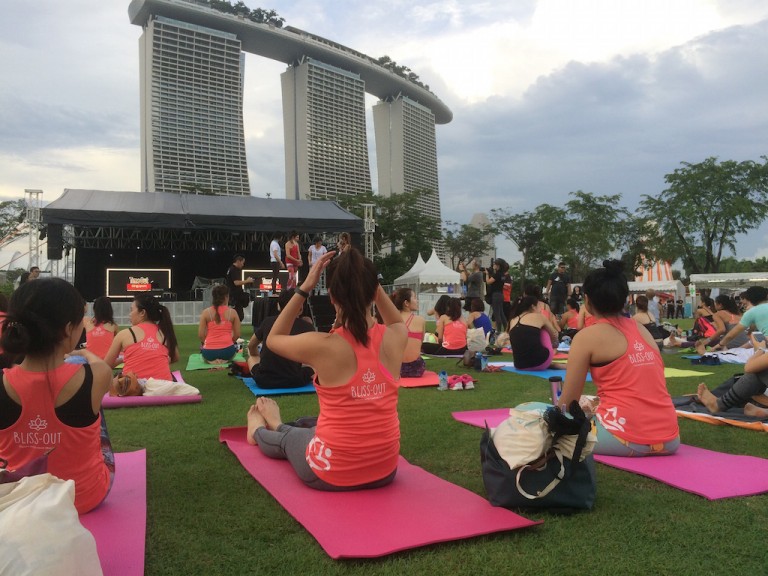
Last Saturday, yogis assembled at the Bliss Out, for the Fire & Nectar – Tantra Vinyasa yoga session with Sianna Sherman despite the heavy rain in the late afternoon. While the first yoga session with Lynn and Sumei from Space & Light Yoga was cancelled, yogis were all enthusiastic, snapping pictures of their yoga poses before the session starts. The yoga session was fun, dynamic and interactive, where participants had a great workout stretching and also dancing along to the music with friends, and even new friends made at the event.
[ot-video type=”youtube” url=”BmIu8q1wv4I”]
The rain started pouring down again when it was time for the concert with homegrown singer and songwriter Inch Chua and Los Angeles-based New Zealanders The Naked And Famous, but this did not stop yogis and fans from enjoying the performance. The energy level was high throughout the event thanks to the lively vendors and volunteers at the event. It was an amazing night of fun yoga and great music! We hope all participants had fun too and see you again next year!
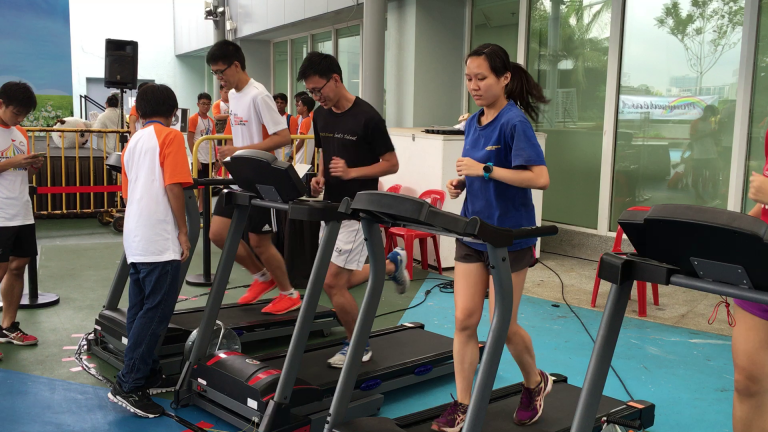
Organised by Promisedland Community Services and held at JCube, Promise of the Rainbow was a fun-filled event with a free carnival, where kids had thorough fun at the game booths, bouncy castle, popcorn and many more activities. The main aim of the event was to bring runners together to run a total of 100 miles on the treadmills, to show support for people with cancer and blood disorders. The 100 miles represent the battle that patients have to fight against the debilitating, chronic, and sometimes lifelong illnesses. Other shoppers at the mall were also encouraged to cheer on the runners to complete this meaningful mission.
Photo credit: National Jogging Association of Thailand FB page
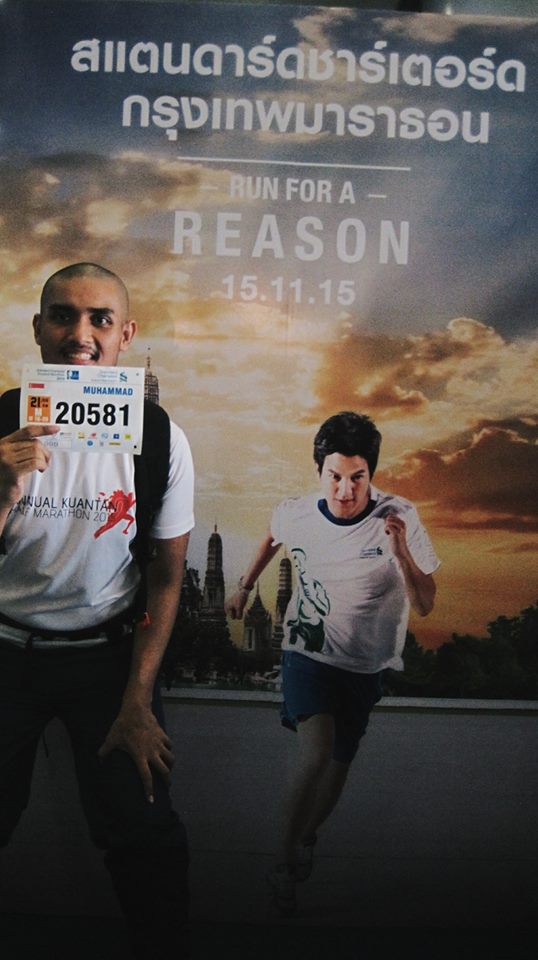
After much contemplation and a hard time deciding over running in Indonesia (Jakarta Marathon), Thailand (SCMBKK) and Vietnam (Halong Bay HM), I decided to register for this year’s Standard Chartered Bangkok Marathon (HM category) which took place on 15 NOV 2015.
(I finally managed to set aside time to blog this down. Pardon for delay)
Registration
Online registration was pretty straight forward. Foreigners could only register via www.gotorace.com. However, double-pricing policy was implemented – This means foreigners paid almost doubled as to what the Thais would have to pay. Entry fee is in USD (foreigners).
Me
Touchdown and REPC
My departure flight was a day before the run (14 Nov) which departs SG @ 0710H via Tiger Airways and arriving at BKK (Suvarnabhumi) @ 0835H (BKK time). Immediately after touchdown, I took the Airport Link Sky Train to the Race expo which was conveniently located at Makkasan station (This is the station where you can inter-change to the BKK underground MRT as well.)
The race expo may be of a slight disappointment as much of the booth that were set up wasn’t any much related to running. But for someone like me who dislikes wearing fanciful gears while running, I wasn’t in anyway bothered by this. Met a few runners from Singapore and Malaysia as well.
Collection of the bibs and the entry went smoothly with the help of a friendly volunteer. Soon, I found myself wandering around the expo; visiting booths that were promoting other (interesting) races taking place throughout Thailand in 2016 ( which you can register on-the-spot too!). Yes, my running bucket-lists keeps getting longer.
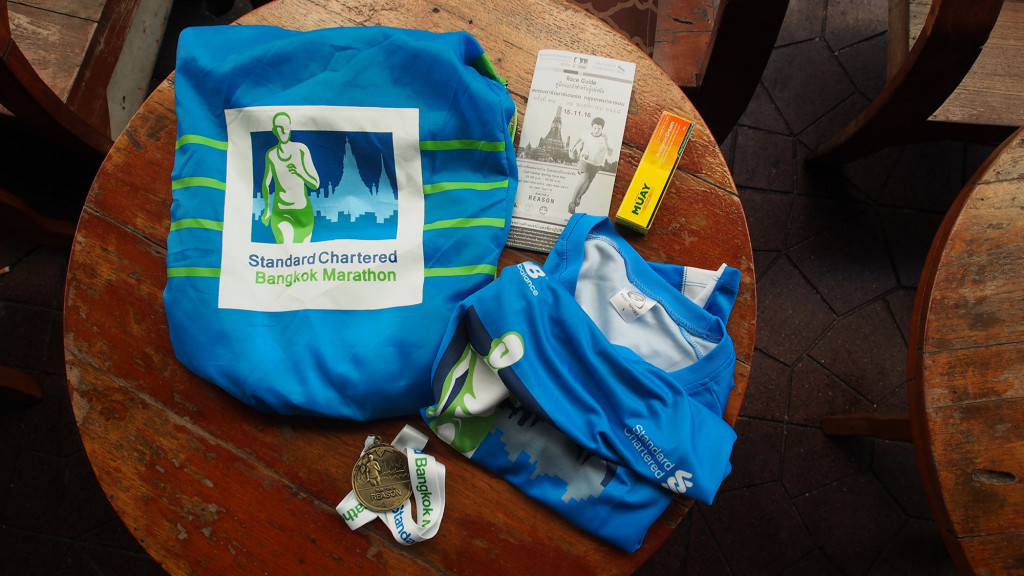
Race pack wasn’t fantastic but I’m glad it was free of useless coupons. What it contains:
Event shirt (they called technical shirt over here)
A tube of muscle rub
Run Magazine (in Thai)
A small snicker bar.
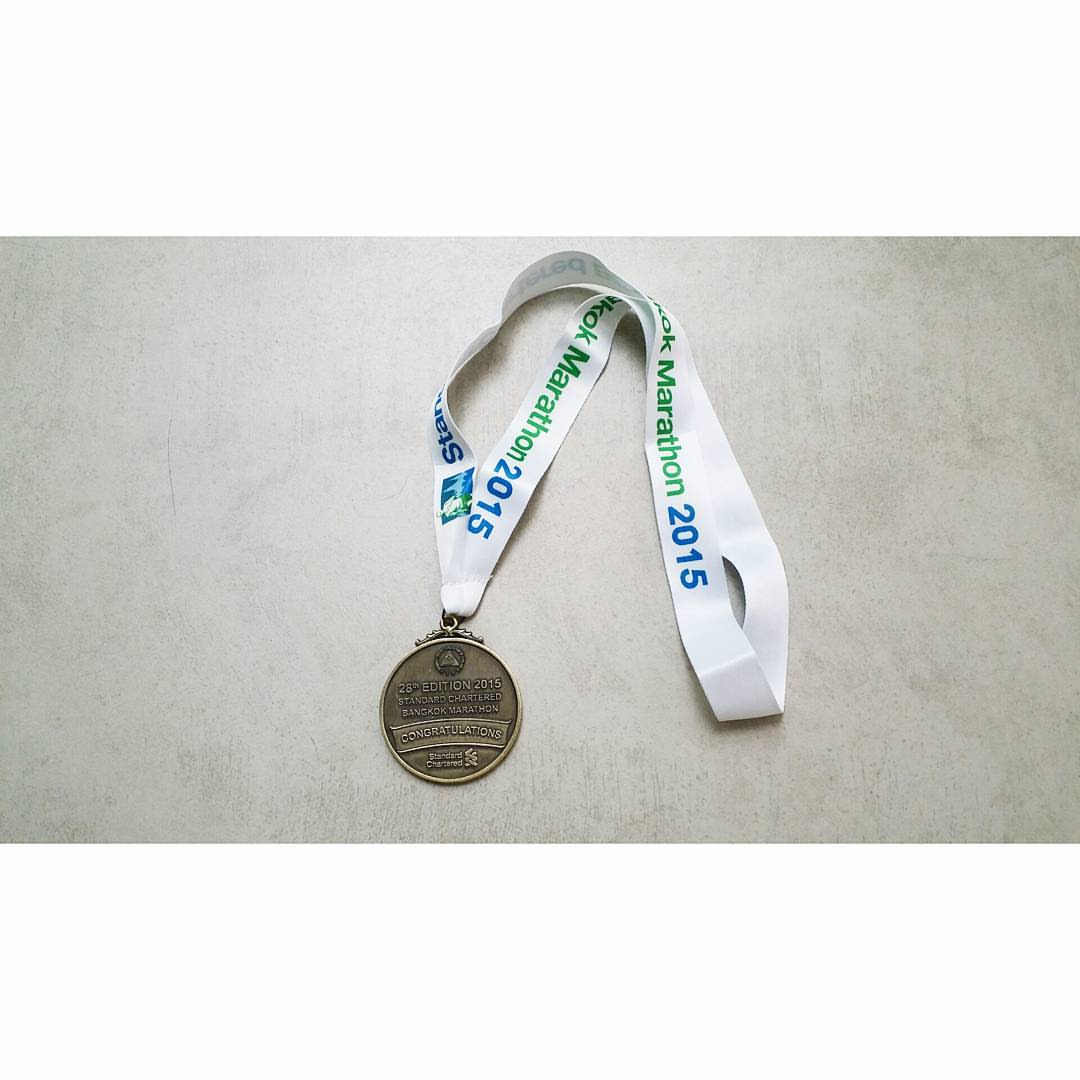
Finisher medal. (Yes, you read that right! Medals were given out before you even finished it! Mood-spoiler)
Picture Credit : http://diesdiem.co.uk
Race day
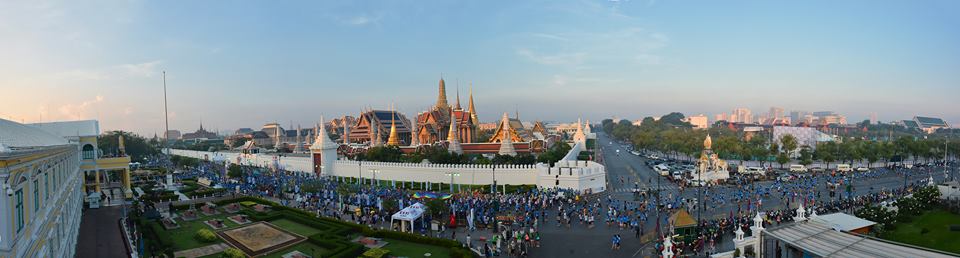
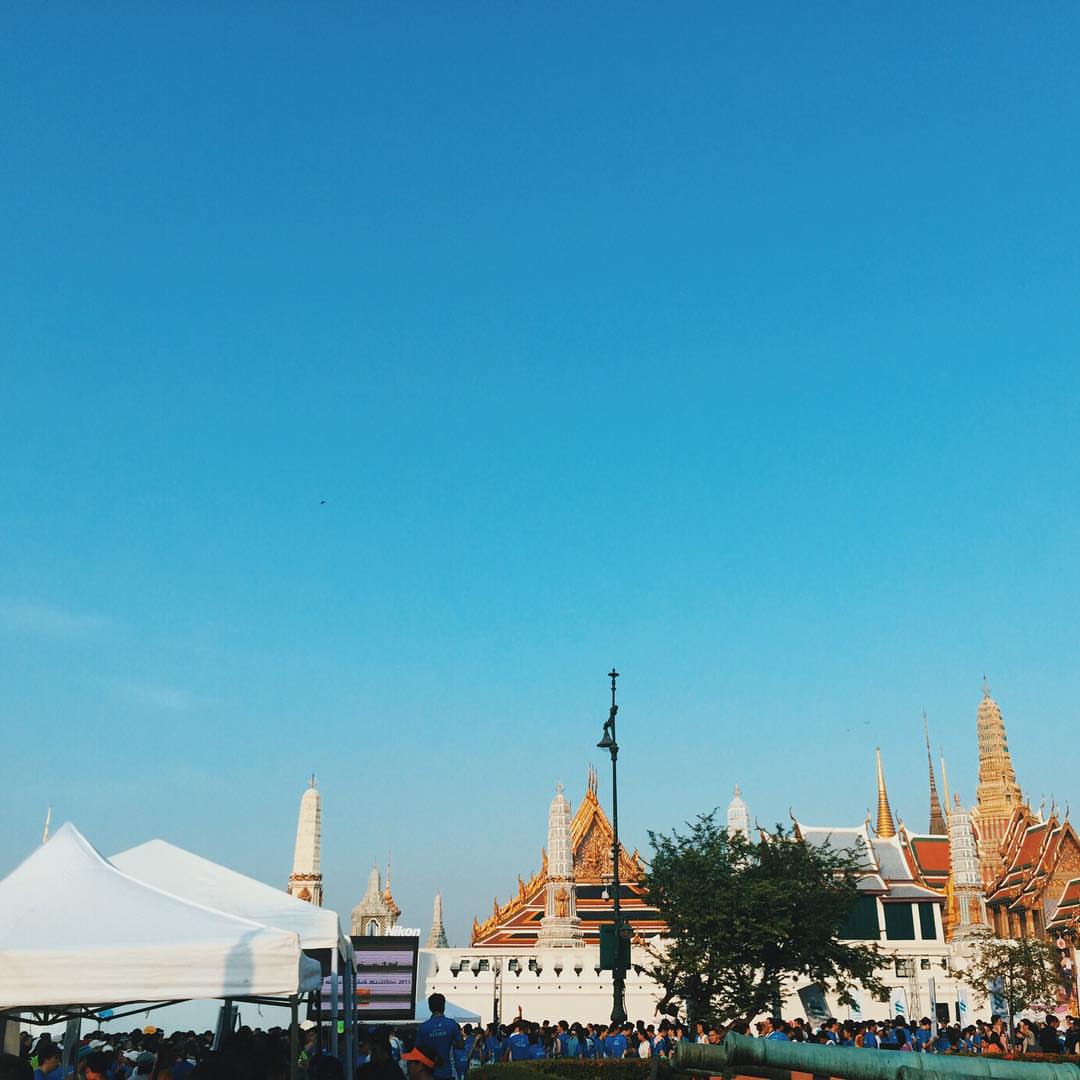
I got up at 0250 to prepare myself and made my way to the race site which is located outside the The Royal Grand Palace (Sanam Chai Road). It is just a 10 minute walk away from my inn (nestled less-than-a-minute away from the legendary backpacker-haven Khao San road.)
It wasn’t really hard to find the race site. Despite the lack of English signs, navigating around wasn’t tough. There were water stations, toilets, more photo booths and free warm-up balms.
The World’s Longest Half-Marathon / Ultra Half-Marathon.
Flagged off at 0400. No delays. Started off at the main tourist point (just at the side of the Grand Palace) and after about 2.5km of running (with first elevation at Phra Pinklao Bridge), we were brought into an elevated highway leading us away from the city. Humidity starts taking its toll despite an early flag-off. I had to stop at the first water station to re-hydrate myself. The scenery along the highway wasn’t remarkable – boring in fact (but I’m glad it wasn’t the same old GBTB or ECP).
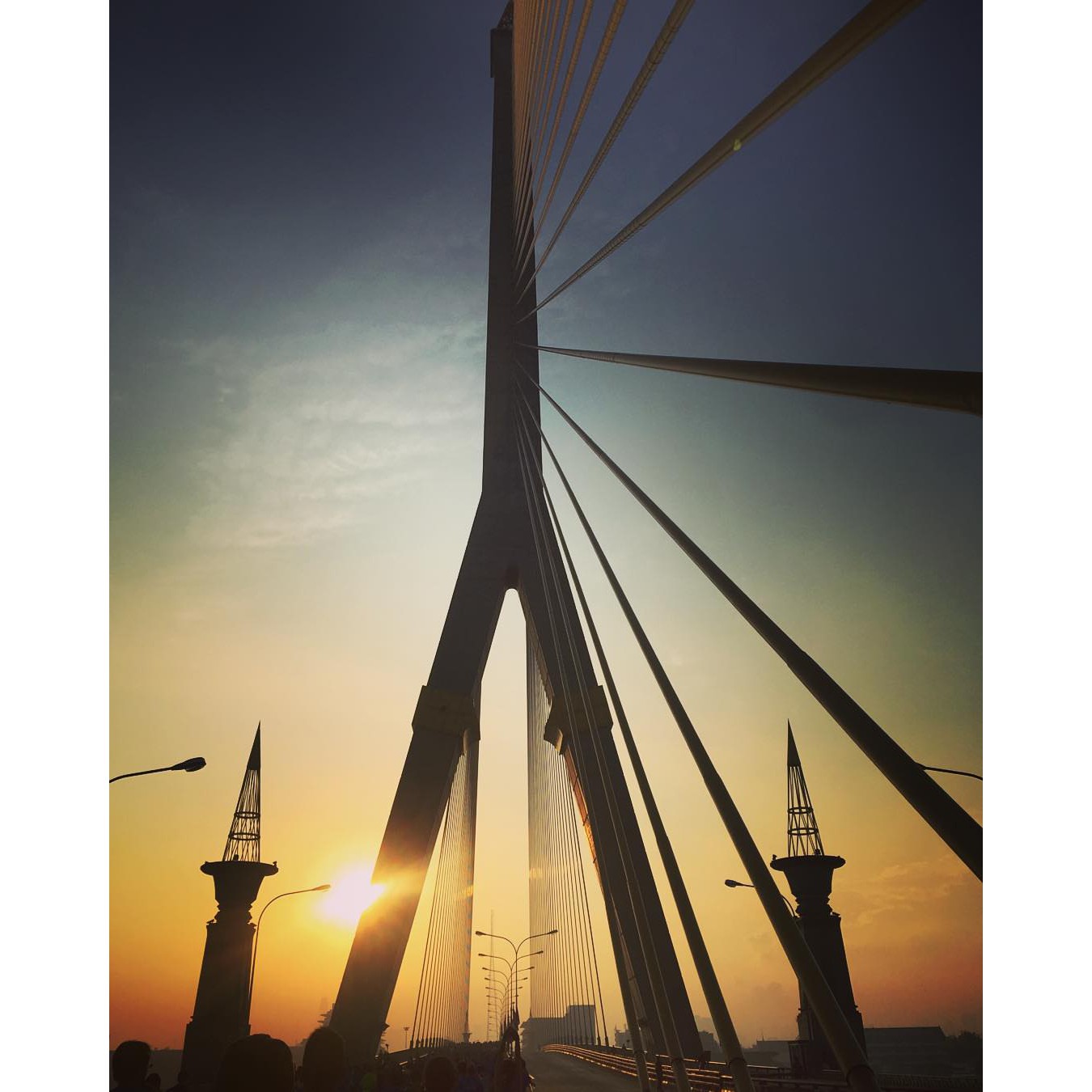
Rama 8 Bridge up close. Photo credit: IG @temmy_p
Somehow wishing that the U-turn point for HM would come soon. Even though I didn’t not really analysed the race-route beforehand but I wasn’t expecting that we would be running further and deeper onto the highway. Unfortunately, we did.
It keeps dragging on and on. I felt something was amiss but kept running (and stealing a few glances at the bibs of other participants to convince myself that I’m running in the correct category). Eventually we did a U-turn after what it seems like 8km and back on our way towards the city; merging with the FM runners. All I could think of was finishing this race; stopping at every water station to combat the humidity.
Soon at the 29km mark for FM ( I did not wear or had any tracking device on me so clearly I had NO idea that we just had ran the unintentional additional miles) we crossed the Rama 8 Bridge.
Back into Bangkok city districts we ran past places like the Dusit zoo, Vimamek mansion and Ananta Samakhom Trone hall. At this point, it seems like the race is never-ending. Morning Sun rises and heavy traffic resumes. With no idea of the mileage that I’ve ran and that heat is wearing me out, I broke into a power-walk. So did everyone else. Clearly from their expressions, they just wanted to finish this.
And to confirm my suspicion that we ran longer than we should, I had to ask a fellow participant (equipped with GPS).
“23.06km” he said.
I trudged on a few kilometres, cursing myself under my breathe, until the sight of the Grand Palace greeted me. No longer aiming for a PB or whatsoever. I summoned into a slow jog as we ran around the Grand Palace and finally to the finish line.
Again, I asked another participant. She showed her tracker which reads 28++km.
Photo credit: National Jogging Association of Thailand FB page
Indeed, I just finished the World’s Longest Half-Marathon or Ultra-Half-Marathon.
Finish Area. Photo credit: IG @pa.thoo
(**The next day, The National Jogging Association of Thailand released an official statement about the distance error. Finisher shirts were given out in forms of compensation but the chances of us overseas runners receiving it remains bleak (or none).**)
Post-race
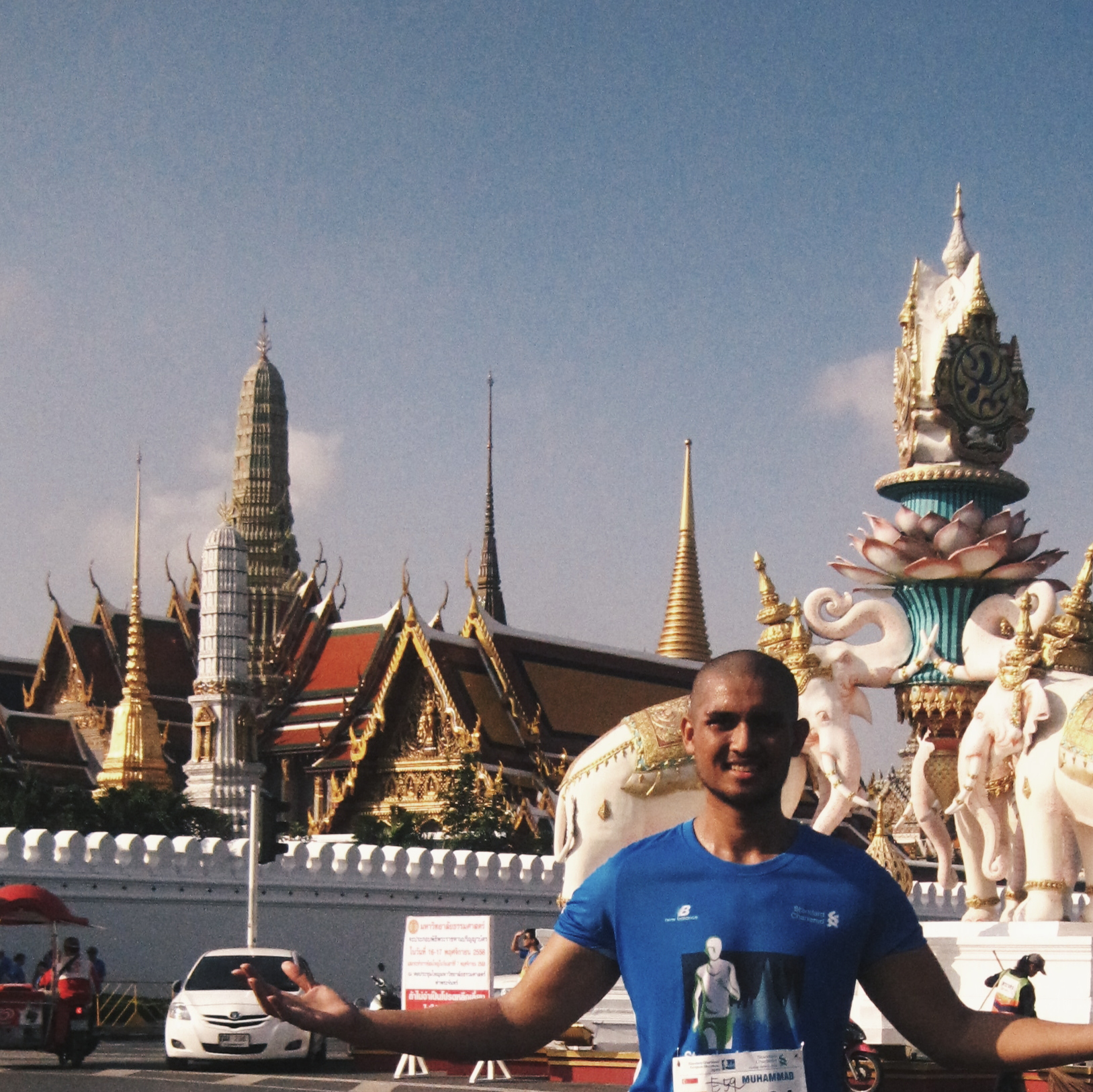
Mandatory photo with the Royal Grand Palace in the background.
Sneaking my way through the massive crowd I quickly collected my post-run breakfast and baggage and walked back to my inn for a short rest before heading out exploring the city of Bangkok.
Post-run breakfast:
An Apple
Packaged Coffee Latte
Bun with fillings (I got yam)
Verdict
Pros:
Convenient REPC venue
Convenient flag-off times
Water stations spread out evenly and despite undermanned at certain stations – sufficient hydration + Banana + Watermelons.
Start point location was great. Plenty of amenities. Nearby Khao San road (cheap guesthouse and dorms)
Post-race Breakfast
Medal Lanyard design
Finisher Medal. Photo Credit: IG @mrhullabaloo
Cons
‘Finisher’ or more like a commemorative medals given out during REPC. No finisher distance engravings.
Delayed baggage. (But this was due to lack of volunteers and the influx of participants)
Not much support/encouragement from locals.
Boring route. Hardly memorable.
Double-pricing policy. They should just charged us overseas runner in Thai Baht.
Overcrowded (especially at finish area)
Despite the major hiccups of the race, it wasn’t a badly organised race but it’s definitely isn’t worth coming back to. I would only recommend this if you happened to plan your race-cation to BKK in November. Else, there are better running events in Bangkok or somewhere else in Thailand that’s worth running.
The experience of running an ultra half-marathon? Priceless.
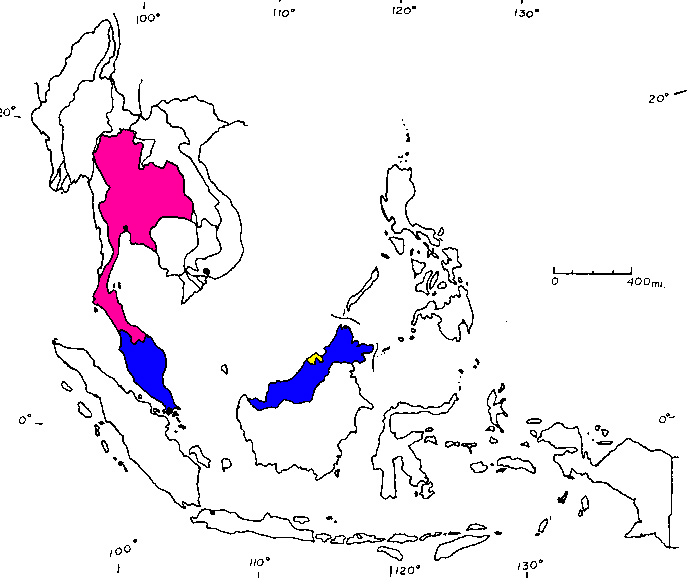
Conquest to run SouthEast Asia.
Singapore, Brunei, Malaysia and now Thailand down (colored).
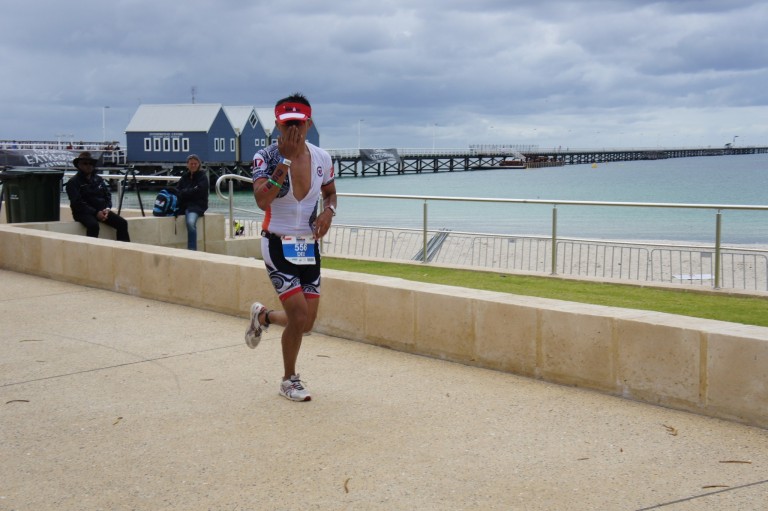
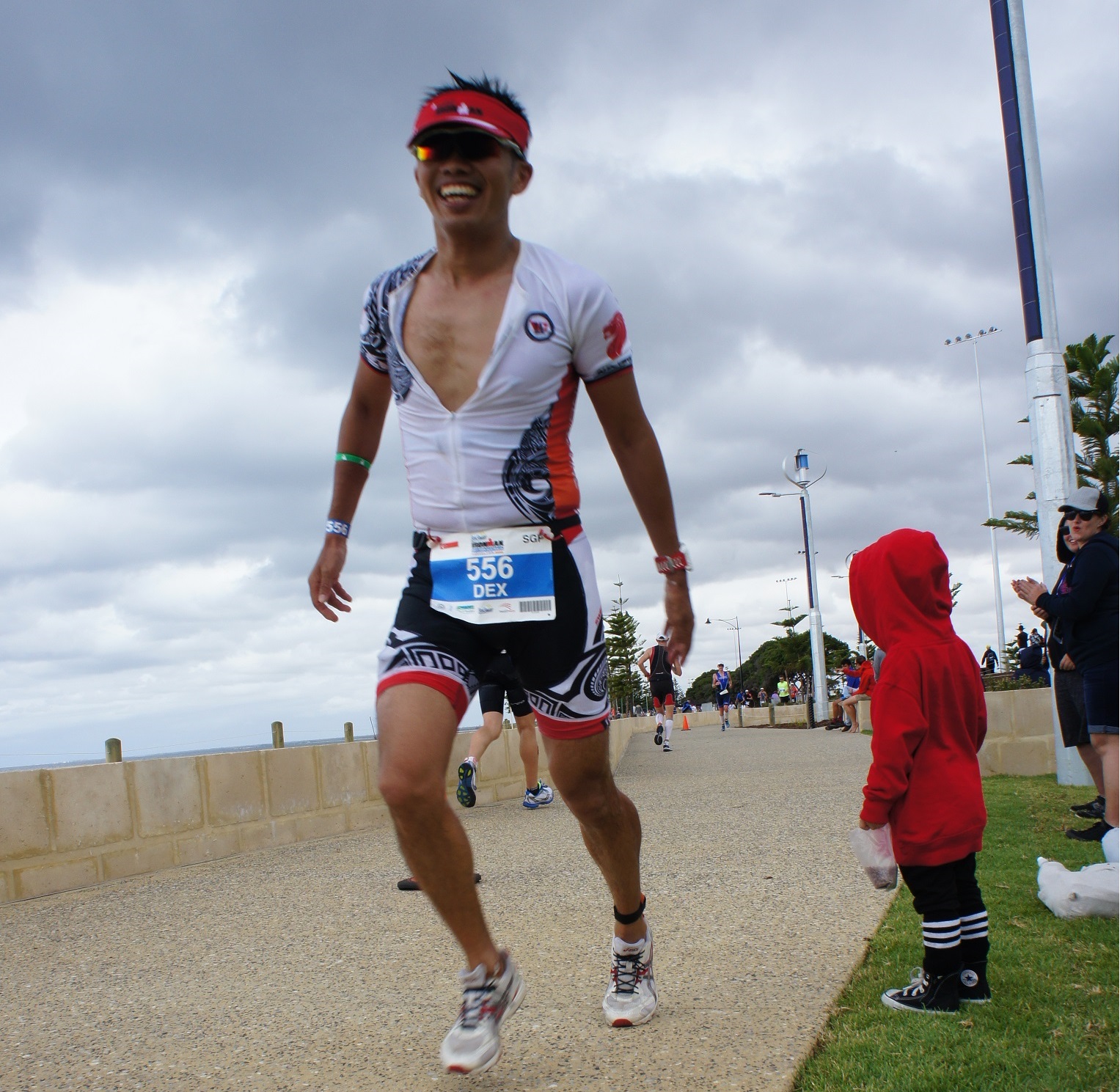
An Ironman Triathlon is an ultra endurance triathlon, consisting a 3.8 km swim, a 180 km bicycle ride and a marathon 42.2 km run. It is widely considered one of the most difficult one-day sporting events in the world and is the ultimate test of human physical and mental capabilities. Dex Tai, 35 years-old and a father of one, recently completed his 10th Ironman Triathlon at Western Australia.
JustRunLah!: How would you introduce yourself to Singapore running/triathlon community?
Dex: I started my first love with running and slowly evolved into a long-distance multi-sports enthusiast.
JustRunLah!: When did you first pick up running?
Dex: I picked up running during my early days in Army SAF camps where I started participating in Track & field. Initially I started representing my unit in 5km and 10km, one thing leads to another, then Squadron, Formation and eventually MINDEF.
JustRunLah!: Would you say that one needs to have a certain mindset to take up running as a sport/exercise activity? If so, how must a runner – whether a newbie or experienced – prepare himself or herself mentally?
Dex: Ask yourself, why did you start running? And use that same reason to get yourself (off the bed in the morning or after work) and run. A goal facilitates me to set my eye on a target, just like a ship, she requires a destination to steer to.
JustRunLah!: When did you first pick up triathlon and what inspired you to do so?
Dex: I started my fist triathlon after I completed my first marathon in 2005. I asked what’s next after marathon? Ironman seems like good hill to overcome. After all the matra is “Anything is possible”. So I registered for Ironman WA 2006 after Standard Chartered Marathon. I was 26 years old when I attempted my first IM.
JustRunLah!: What would you consider to be your biggest running/triathlon achievement so far?
Dex: That would be completing a series of multi-sports over a period of time. 3 Ironman distance triathlon over 15 days in 2012. I managed to fund-raise for a charity by completing Ironman Klagenfurt, Ironman Frankfurt and Ironman Zurich via the kind donation from well-wishers.
Photo credit: Pink Apple
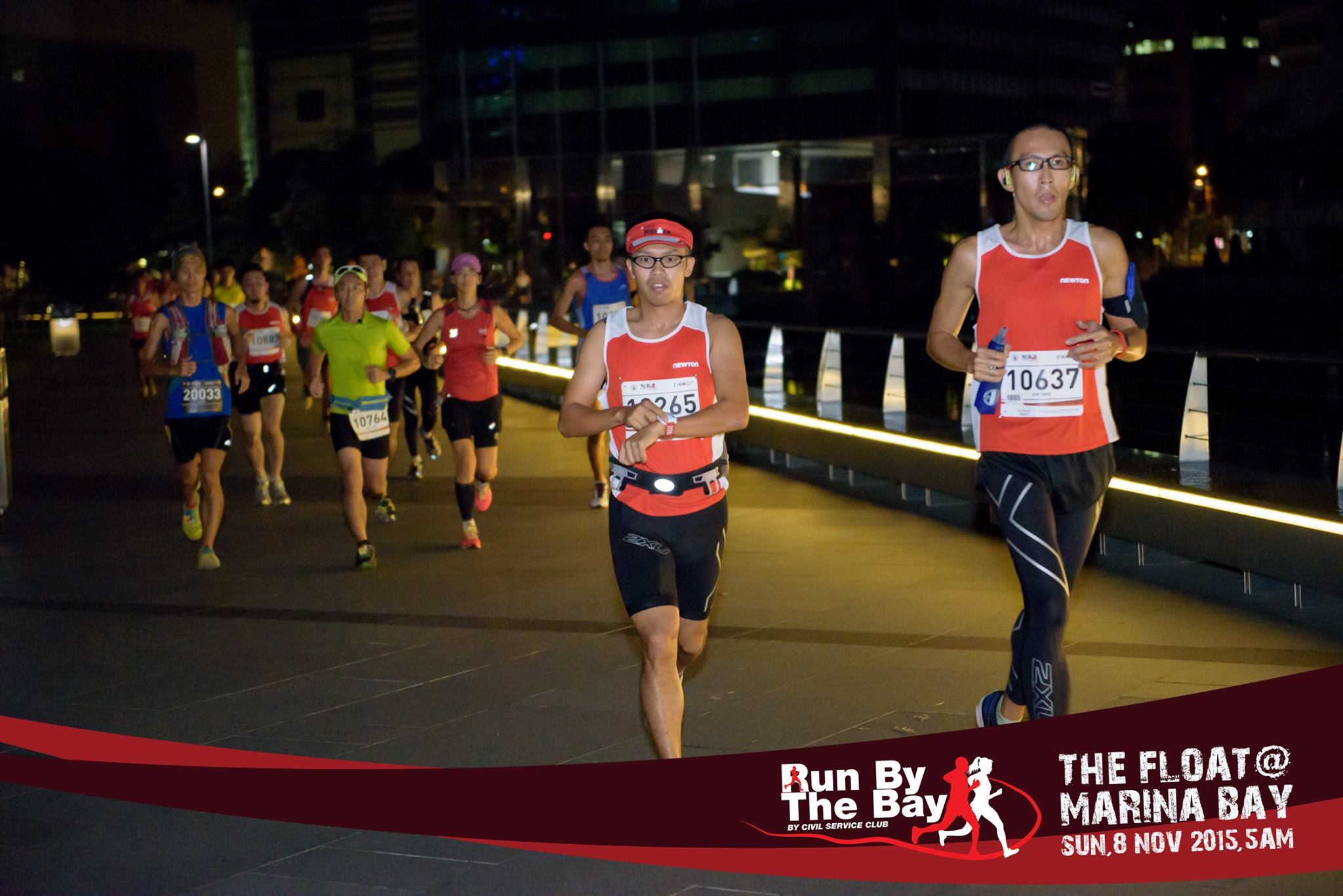
JustRunLah!: You ran an impressive 1hr 37min for the 21km race at CSC Run by the Bay 2015. How long did it take you to train for that and what advice would you give to someone taking that 21km race?
Dex: Thank you, I was blessed when I managed to pace after a good runner on that faithful day. Nevertheless prior to that, I was training progressively since August for marathon. The CSC race came in timely to gauge my 21km performance. The advice I would give is “Pace yourself and Just Run Lah”.
JustRunLah!: You also recently completed your 10th Ironman race with a time of 11hrs 38min! Being a seasoned triathlete, what advice would you give to someone who wants to attempt it for the first time?
Dex: Thank you, its a validation after my rotator cuff surgery. Ironman seemed like an impossible feat, but if you break it down, I Am possible. What you needs to do to get started. Start with an Olympic Distance triathlon to appreciate how it feels like. Treat each discipline like a race of its own. Build it up progressively and with a program you will be on your way to that Ironman Goal. The key to long distance racing is, you don’t need to be fast, you just need to be consistent.
JustRunLah!: Do you have any pre-race rituals? What goes through your head every time you run?
Dex: Clear your bowels prior to every race? LOL.
JustRunLah!: What is your mantra for when the going gets tough in a race?
Dex: I would love to watch motivational video clips i.e. TDF (Tour De France) where Lance was dancing up the Pryrenees, Ironman 2006 where Macca was chasing for 1st position after Norman Stadler. I would visualise these inspirational images and it brings out the positive vibes and helps me when the rubber hits the road.
JustRunLah!: What do you think makes a runner/triathlete, especially someone who keeps at it day after day?
Dex: I would think that it’s not how well you perform, or rather when the day comes if you fall, it’s how well you pick yourself up after that. Everyone will have a bad day somewhere in time. Choo Ling Er broke both her legs during a ride in 2009, she returned and ended up winning her age group to qualify for the 2010 Ironman 70.3 World Championship in Clearwater within a year.
JustRunLah!: What are your goals going forward, in running and in triathlon?
Dex: Like I mentioned, a ship needs a destination to set sail to. I look forward to Ironman Kona qualification in 2017 as well as Boston Marathon qualification in 2018.
“If your dreams don’t scare you, they aren’t big enough!” – Ellen Johnson Sirleaf
It was an honour to part of our nation’s biggest annual running event, the Standard Chartered Marathon Singapore 2015. Furthermore, it was during this event in the preceding years, 2012 and 2014, where I achieved some of my running goals.
However, I wasn’t running this time. Instead, I was a volunteer.
For a long time, I’ve desired to contribute to the running community through volunteering. Therefore, this came as an appropriate opportunity to volunteer my relevant (albeit relatively little) experience. Together with some friends, I joined the First Aid team for SCMS.
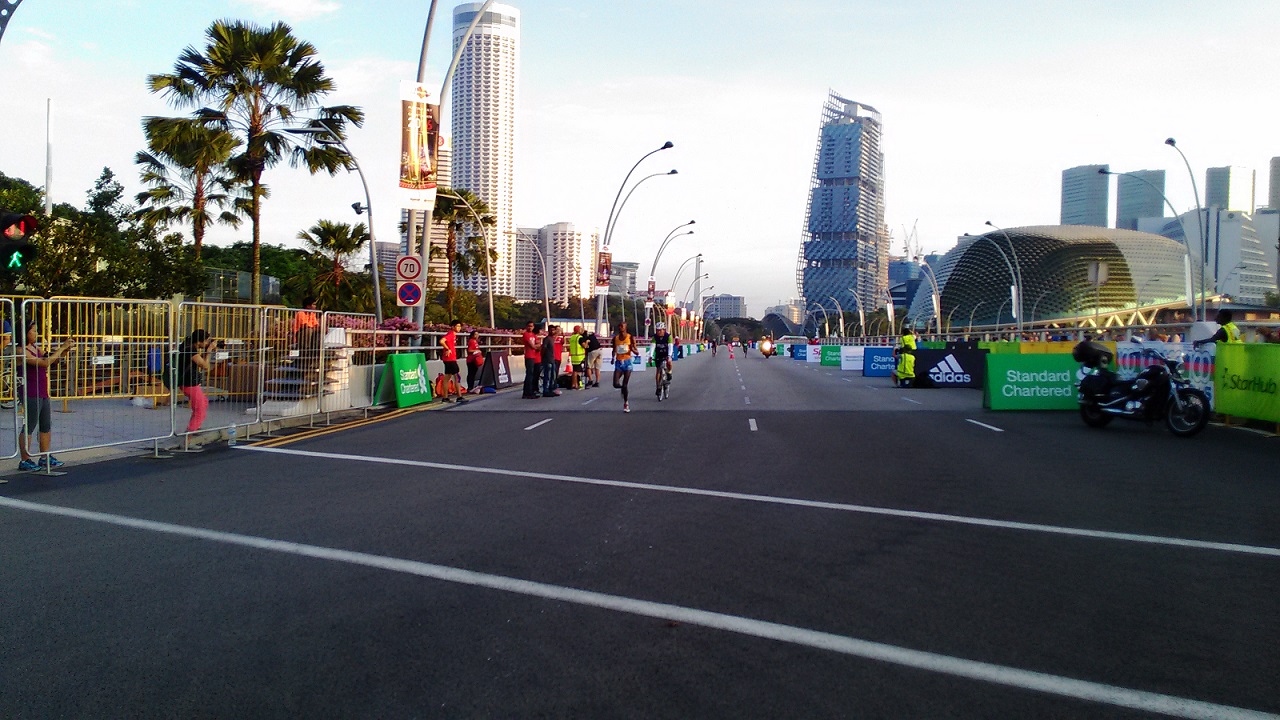
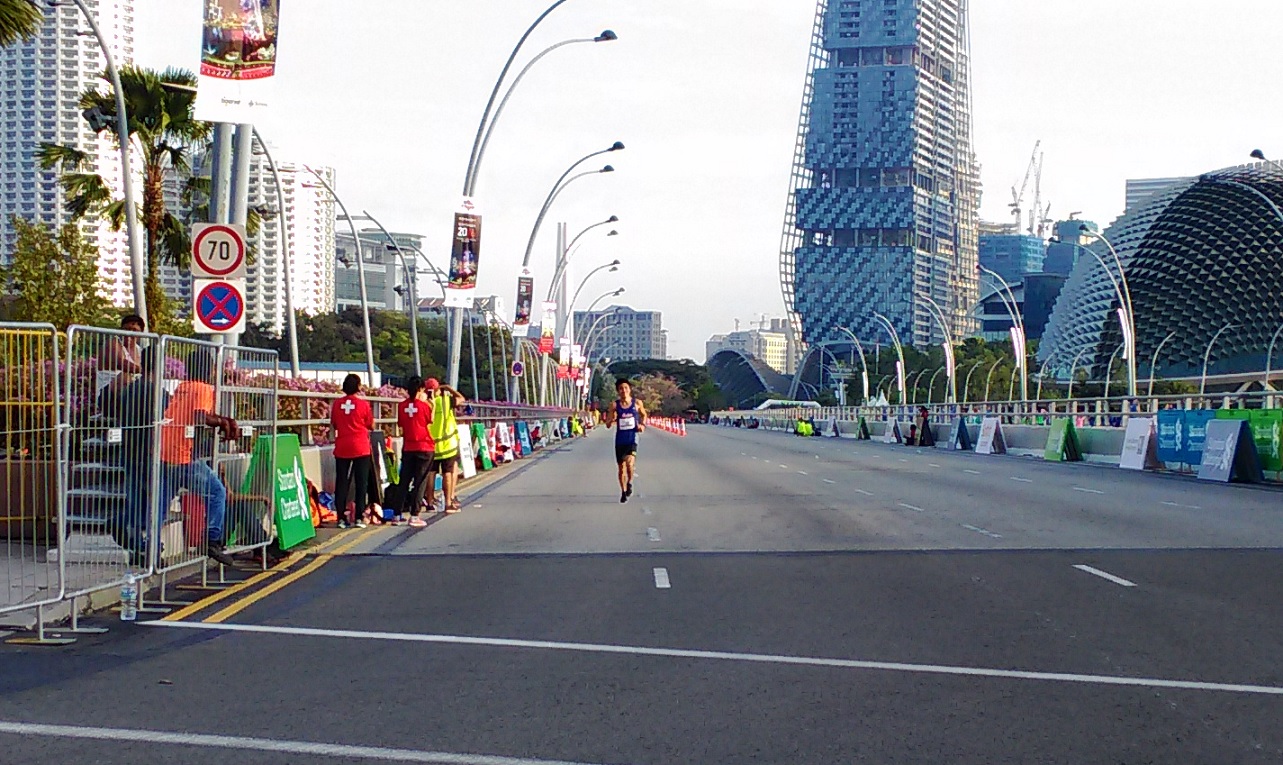
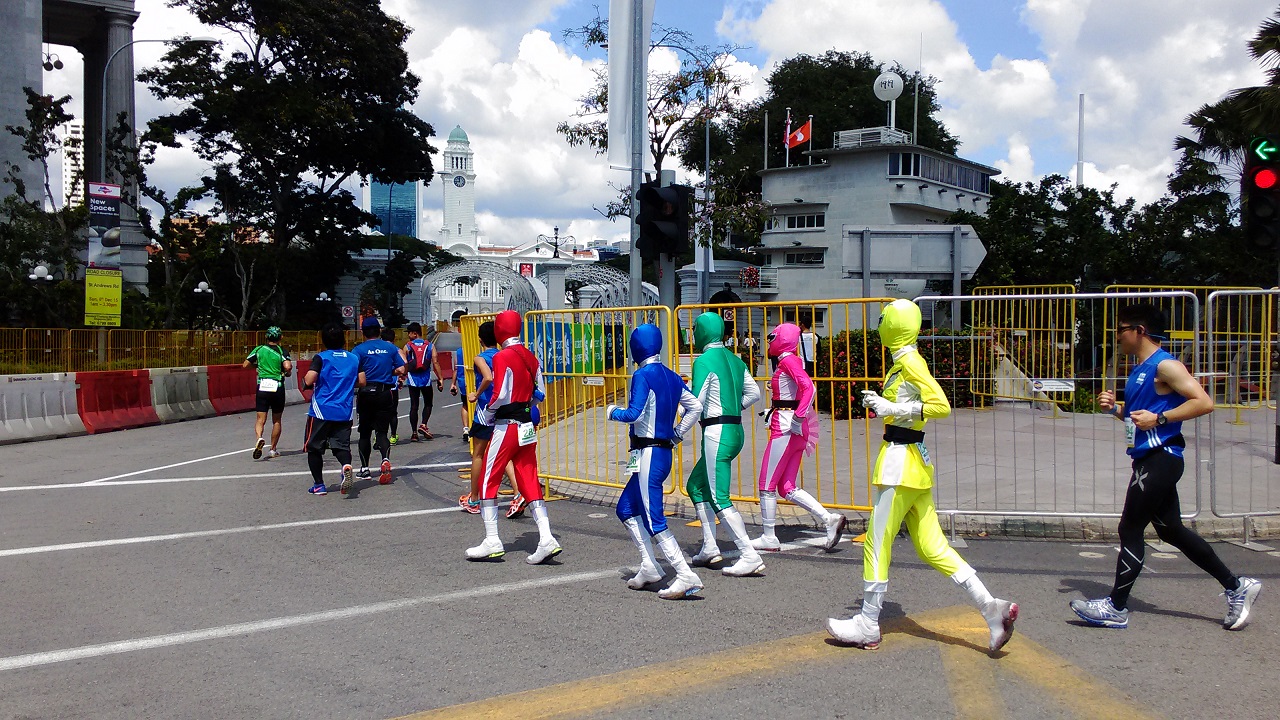
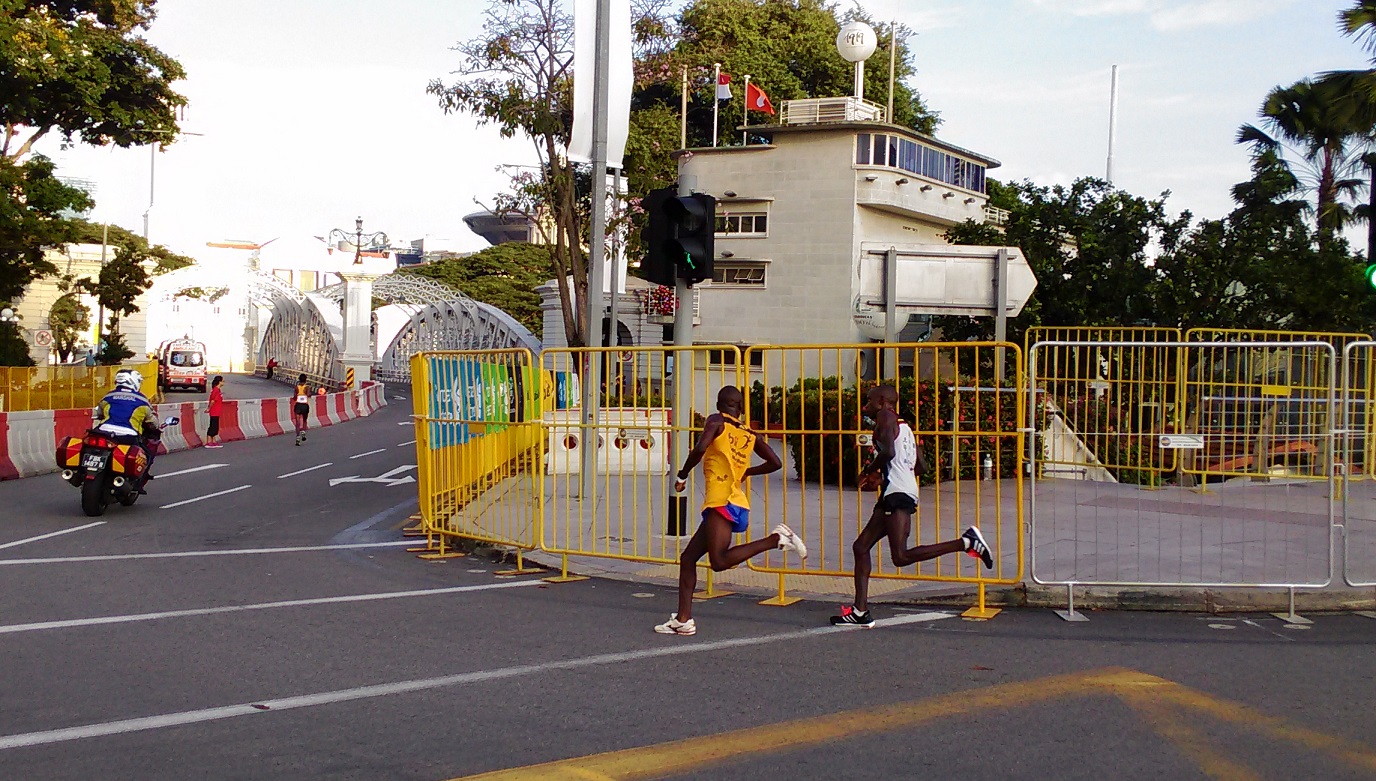
As I was stationed just around the junction of Fullerton Road and Esplanade Drive, this meant full marathoners passed by early into their race (5+km) and all categories would merge into that area as they completed their last few hundred metres of their respective races. I loved seeing runners progress through a race – emotions ranging initially from joy and excitement to harsh determination towards the conclusion. I knew too well from experience that it was a journey that would grow exponentially more challenging as the distance covered progressed (and let’s not forget Heartbreak Bridge).
Back to my task at hand (quite literally…), the first aid we offered was multidimensional. Understandably, our utmost priority was physiological stability, yet psychological encouragement was another tool we had. From the common and benign muscle cramps that most marathoners know too well (I too remember them), to perhaps potentially more severe conditions of dehydration, electrolyte imbalances or heat injuries (oh the sun wasn’t of any help at all), we did our best to recognise and relieve.
Some snapshots below.
The leader in the distance (in more ways than one).Dr Mok – our first Singaporean.10km wheelchair leaders.10km leaders stride for stride.The Masses.Rangers.
You may view the complete collection of photos here. Once again, congratulations to all participants of the SCMS 2015 🙂
I ran my one and only SCMS 10km race in 2014. After a long week away in Boracay to celebrate a friend’s 40th I returned to Singapore with only a few days spare before the race. Needless to say, after a seriously good trip with far too much partying, I was ill-prepared for the race. Whilst I stumbled my way through it to finish perhaps what stood out the most is how enormous this annual international event was and perhaps a little too big for someone like me who doesn’t particularly like large crowds at the best of time.
To garner something like 50,000 participants is an enormous feat for such a small city-state like Singapore. Yet, it shows it’s popularity with athletes gathering from around the world for this one day. Perhaps one of the wisest moves by the organizers was to split the three major categories into separate routes, starting at different points to funnel in together at the Padang as the finish line.
This year, they even moved the kids dash to another day and completely different venue. Given the difficulties many participants had in previous years with getting their kids to the start line and then making it to the finish line in time to collect them, this was a particularly good move.
Whilst this year I did not participate, I was never too far away from the SCMS app, remotely checking in on my Team Costa friends who were registered. It was just as exciting tracking their progress remotely in the comfort of my home with coffee or two in hand. Our Team Costa FB group was constantly alerting with progress and checkpoints crossed.
We had 5 members representing Team Costa and each category was covered. New personal bests were achieved, marathons completed and the blazing sun conquered.
Here’s a quick recap on each participant:
Ian
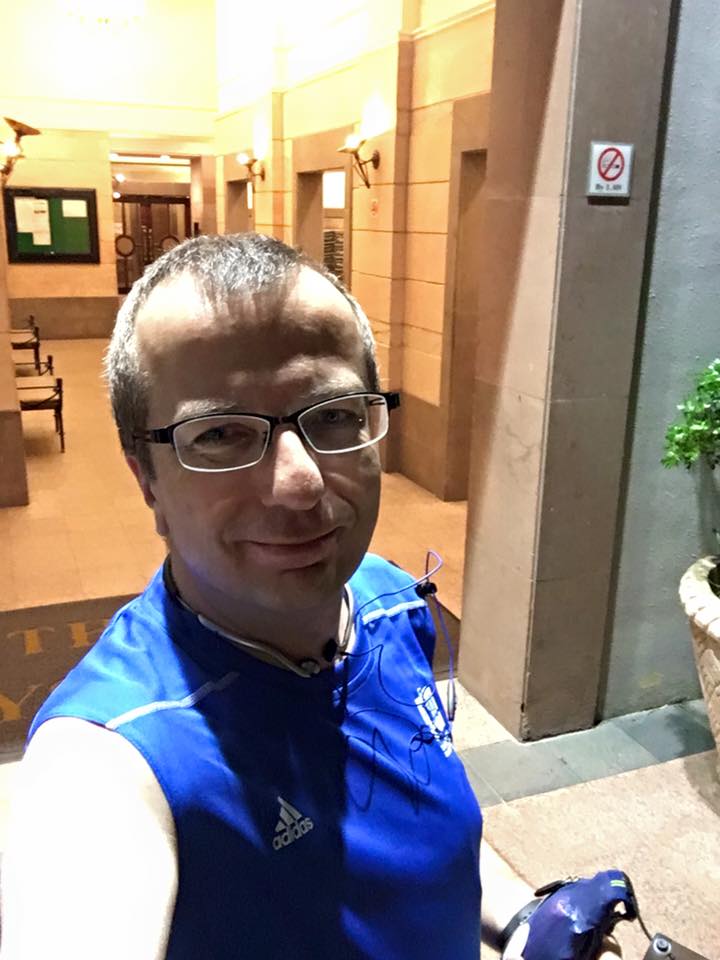
Although no stranger to racing in the UK, this is the first marathon he has ever completed. Hindered by a knee injury that occurred at 30km, perhaps his quote “that was awful, never again!!” may ring true but then again somewhere in the deep recesses of his mind, he may feel the desire to conquer it one day. Lessons are always learnt from our worst experiences. Quite often we are curious enough to see if we can overcome our challenges.
Certainly there was no shortage of training to prepare but unfortunately, marathon training takes months to accomplish and busy schedules and the never-ending haze had a lot to answer for.
As his body is still healing and physio will indeed be a necessity for the knee, I’m certain we haven’t seen the last of Ian on the racing circuit.
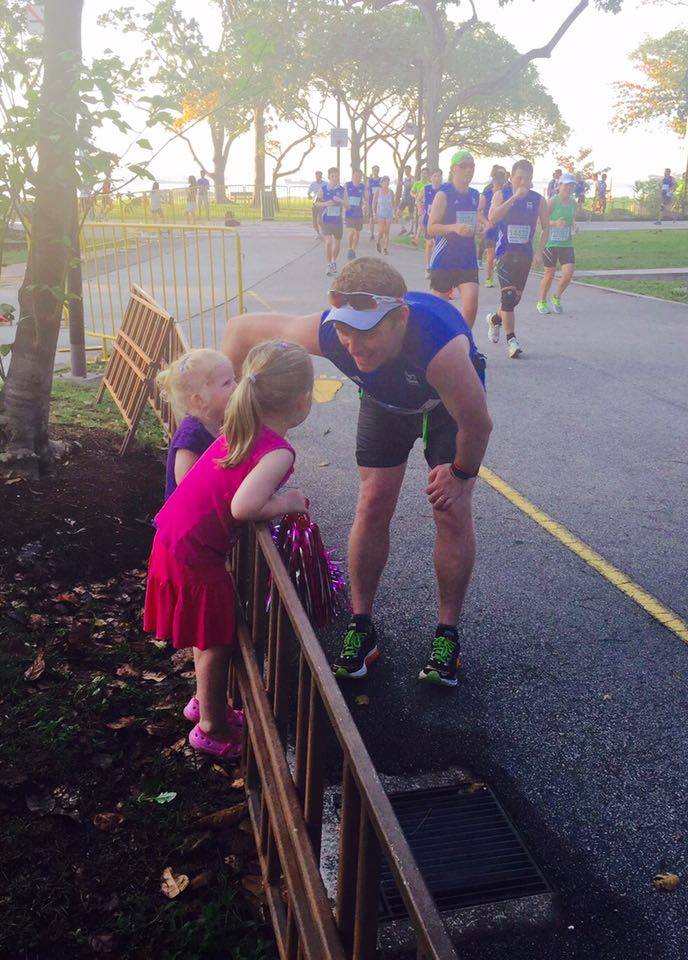
Greeting his mini-supporters
Off to continue on.
Avni
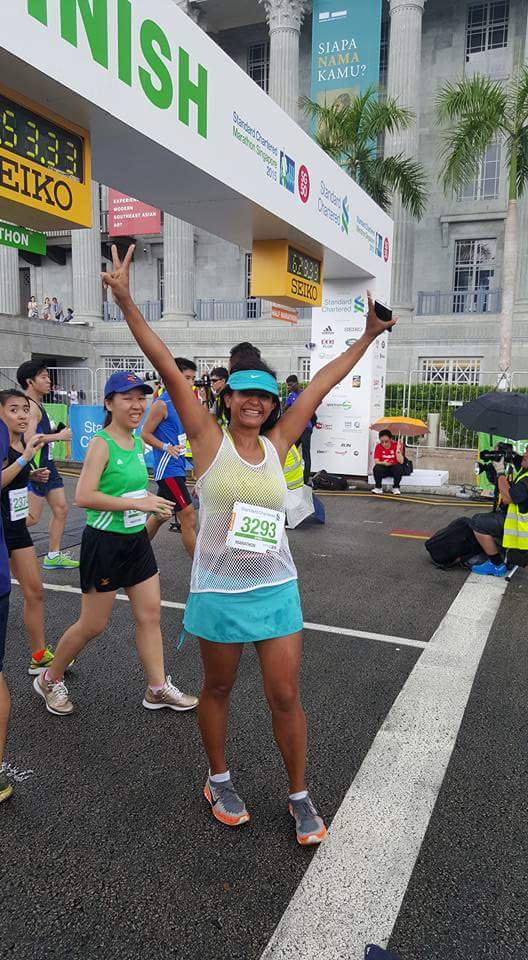
Ah what better way to knock off an item from the bucket list whilst celebrating her 40th year. Well that’s what Avni did. If you were to ask her about it, she’ll freely admit that it was the craziest thing she’s done so far. Unprepared and untrained she forged through the 42.2km and the blazing sun.
Joined by her hubby and kids just in time to down a good dose of coconut juice, I understand it’s the cleanest form of electrolyte intake, for a much needed energy spike.
One of Avni’s observations during the race was starting out too hard and using up the reserves too quickly. It is probably one of the most difficult aspects of racing different categories. Figuring out the pace needed and when to push to either race for time or race for distance. Underestimating either could mean not enough reserves for long distance or not enough speed to make good time in a short/mid distance race. Will Avni be back?
David
No better way to celebrate a birthday than racing a half-marathon. Right?? Well maybe David could have found something more entertaining to do than racing but it came with a bonus. Knocking off 3min from last year’s SCMS half-marathon. Rightly so, given his consistent training in preparation for this race.
Coming in the 11th percentile in the overall category is no small feat but reaching that position by overtaking just under 500 participants in the last 5km indicates how much he still had left in him, regardless off the relentless sun beating down on him across the Western Coast Hwy. I wonder, David, will we see you at the Sundown Marathon tackling the half-marathon as a night race perhaps?
Remek
Reasonably new to running, he’s progressed to half-marathon fairly quickly undertaking the first one at the Sundown Marathon. Training predominantly at night, Remek admits he was not prepared for the blazing sun on the freeway. Being witness to numerous participants suffering from heatstroke, Remek wisely chose to swallow his pride and slow his pace until he exited the freeway and entered the shady areas of the city.
In his own words regarding the finisher medal “I may not have won it, but I sure earned it”.
Although he may have questioned himself at the end wondering why he’s doing this to himself, I’ve no doubt he’ll do it again and most likely will see him at Sundown Marathon.
Steve
For some time there was a tongue-in-cheek joke about the 4min man. We kind of knew this bloke, known as Steve, or at least about his running feats. When most of us were satisfied to run at an average pace of 5 or 6, there’s this guy who runs at 4. Eventually we got to know him better and swiftly inducted him into Team Costa’s group.
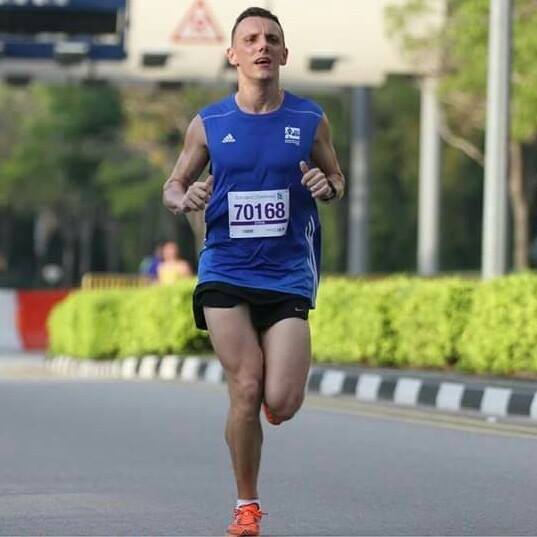
Focusing on improving his physical conditioning with the help of personal trainers, Steve barreled through the 4min pace to finish the 10km category in 37:33min at a pace of 3:45, placing him 4th in his age category and 14th overall out of 14,228 participants.
I guess we’ll need to find a new more apt nickname for him. A terrific way to finish the year with a new goal post set for 2016. We’ll be watching you Steve.
So fast, there’s no one in sight.
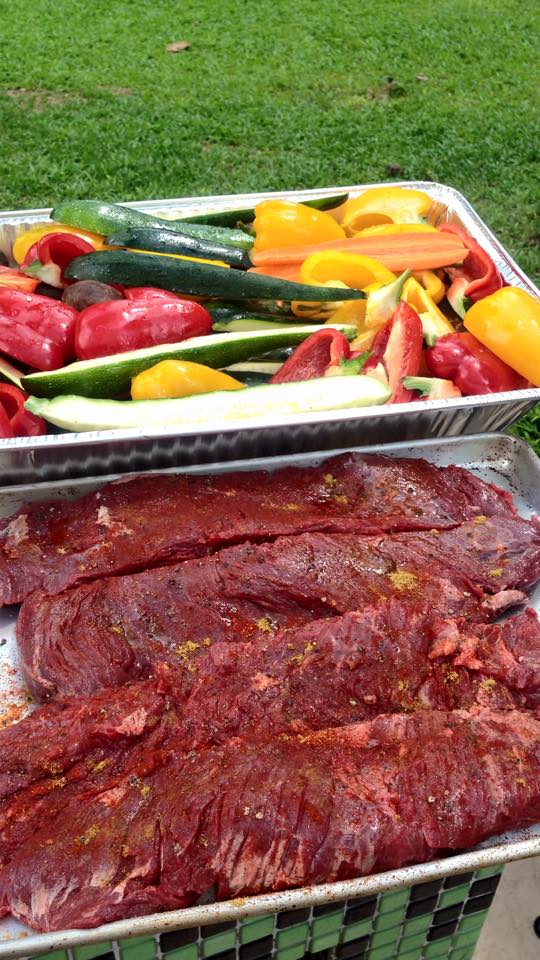
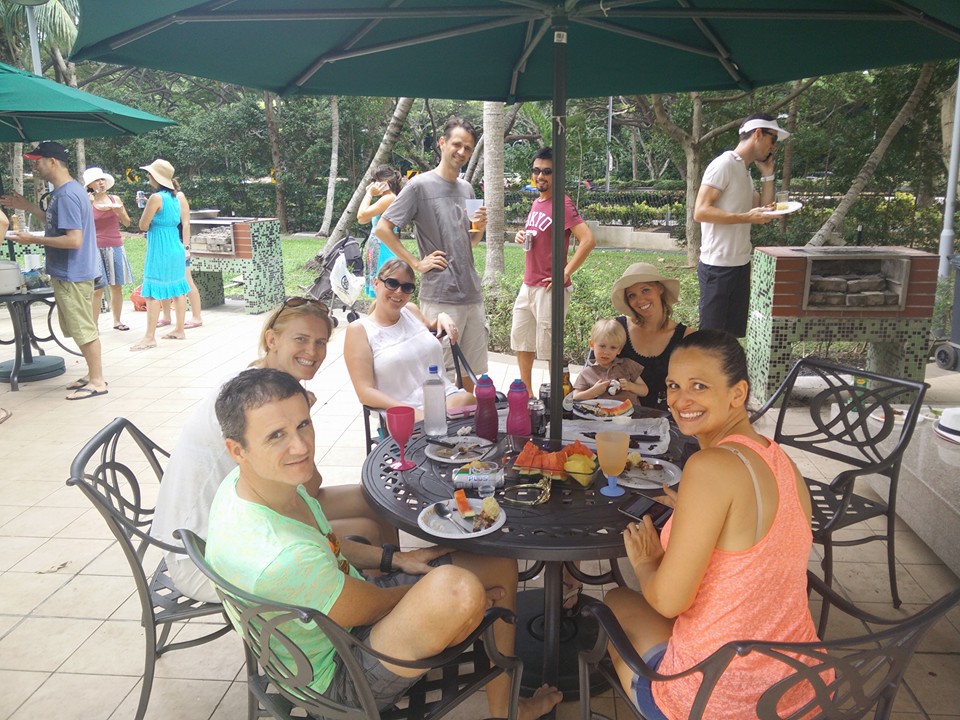
I may not have participated or been present but following these guys on the SCMS app was just as good as being there. We finished off the afternoon, with a BBQ gathering to celebrate David’s birthday (his lovely wife as the chef), have a race debrief and cheer with beer.
A feast awaited.
Team Costans feasting.
Little Leaguers doing what they do best. Have fun.
When I first looked at the $70 price tag for this race, I just went whoaaaa, why so much? Sometimes it pays to look a little deeper and read the fine print.
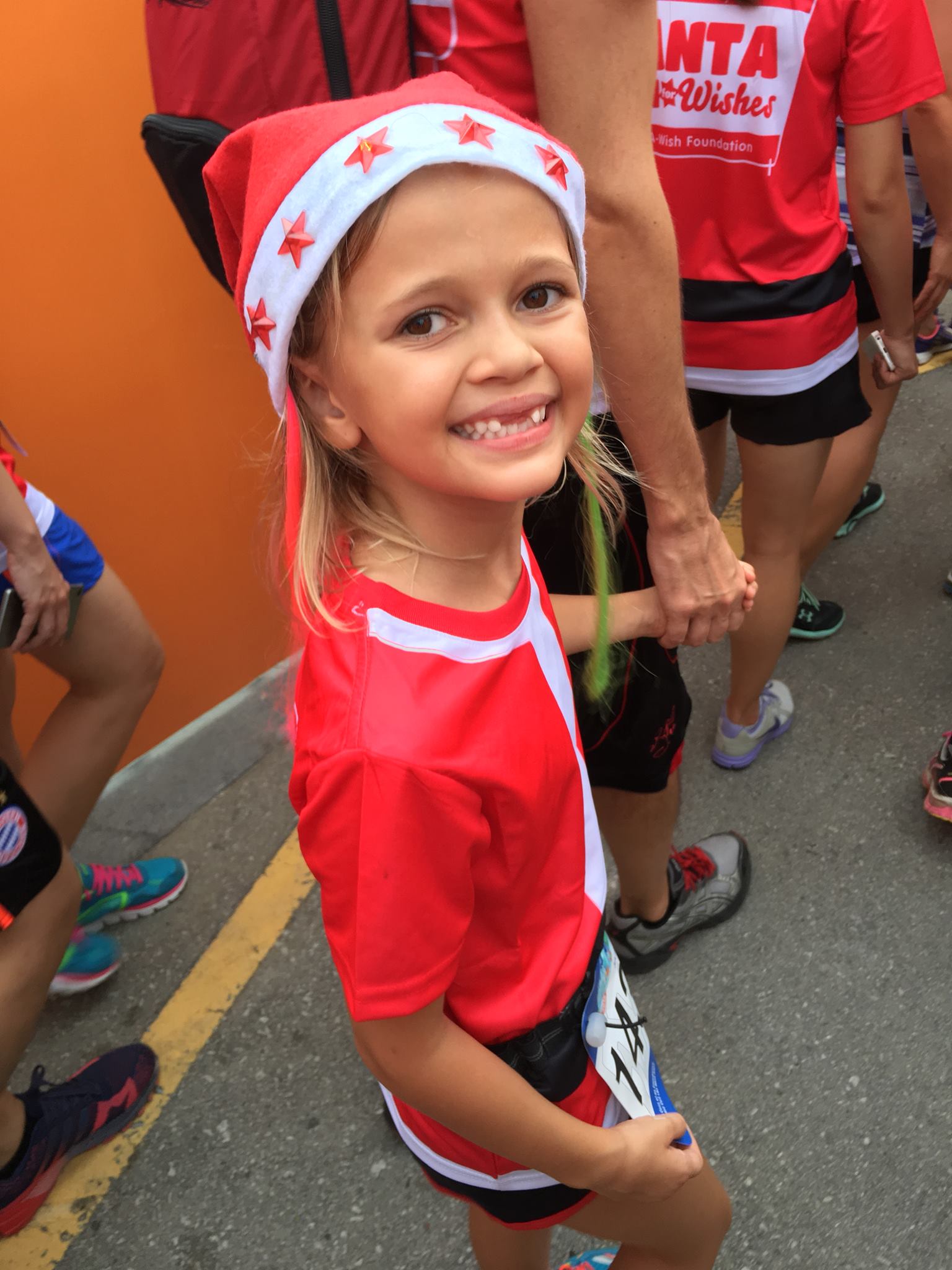
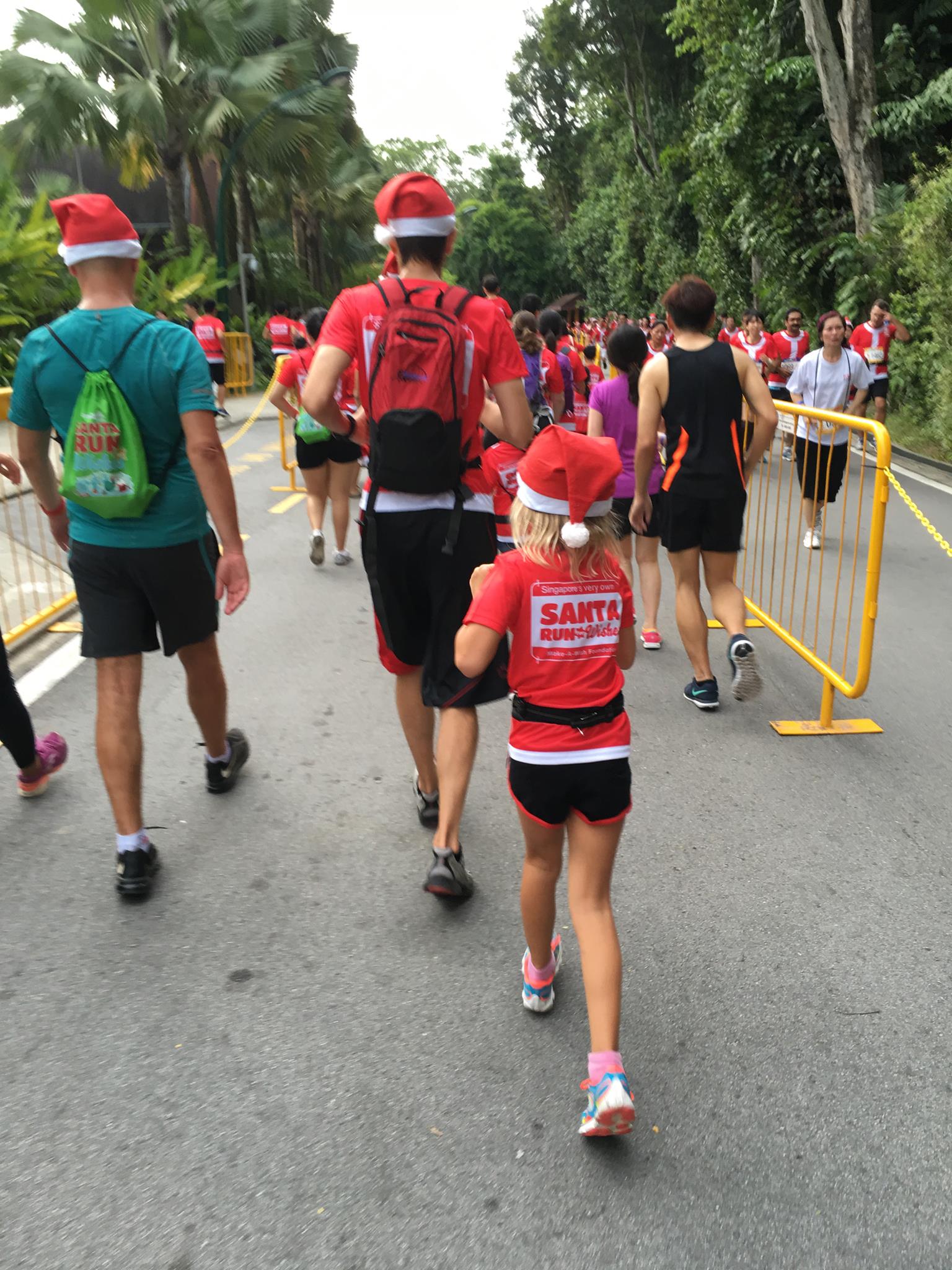
Returning for the second year in a row, Santa Run for Wishes is a fundraising race for the Make a Wish Foundation which grants wishes to life-threatening medically ill children. Started in Singapore in 2003, it has thus far granted 1000+ wishes making a lot of children smile. Even more wonderful is that all proceeds will be matched dollar-for-dollar by the Singapore Government as part of the Care and Share Movement.
This year, Make a Wish Foundation in collaboration with Universal Studios have brought a little extra pizzazz to the racing event. Following the race, all registered participants were provided with exclusive access to Universal for an evening of fast rides and even faster waiting lines.
Well that was enough to seal-the-deal for my family. Have a race on Sentosa followed by thrilling rides and inadvertently give to a charity through our participation. On top of that we were able to donate a number of books during the race pack pick-up.
Now onto race day. My understanding is that last year’s event was held around the Marina Bay area, so this year perhaps due to the collaboration with Universal, the race was held on Sentosa.
Pre-race necessary sugar load.
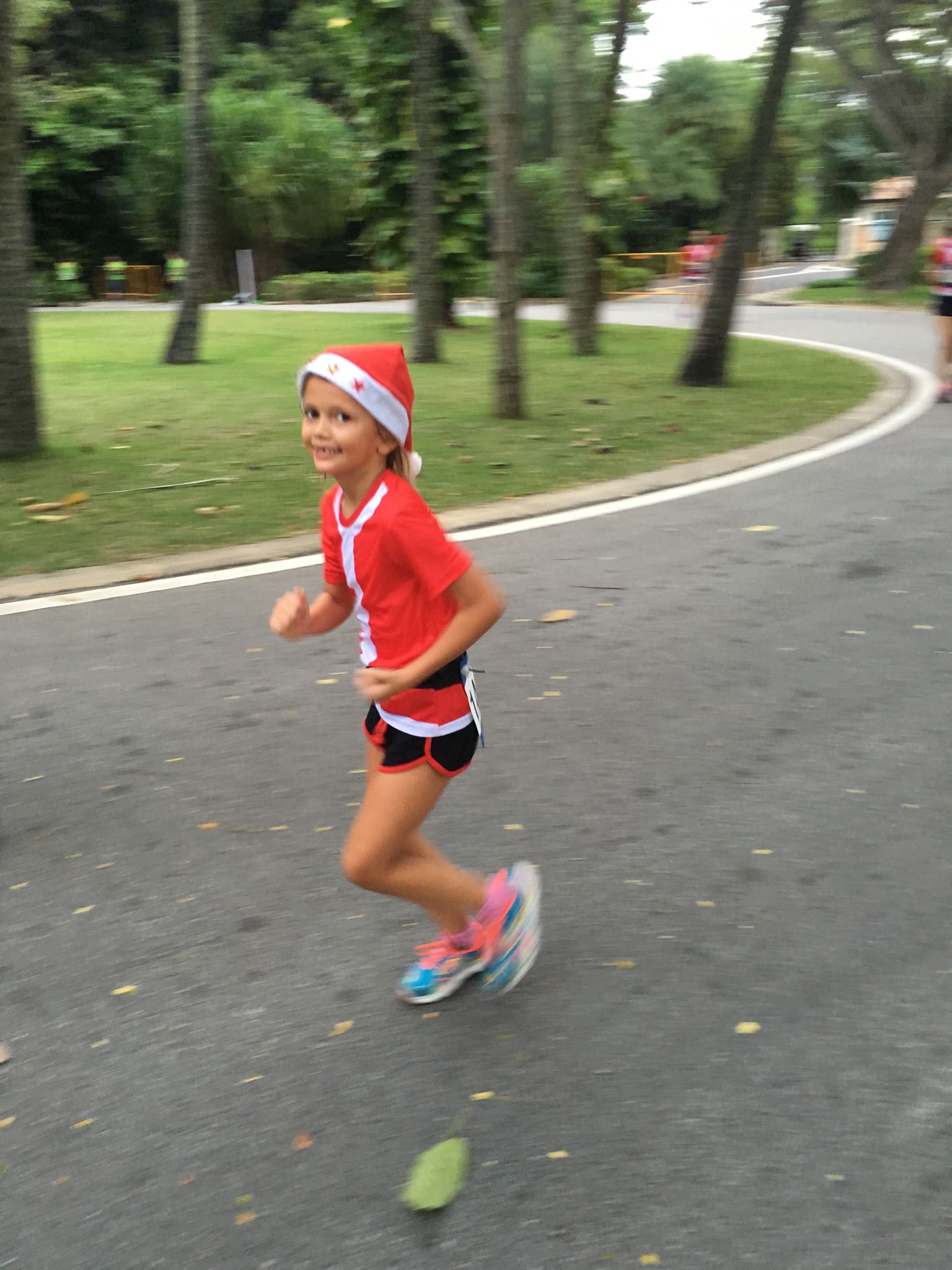
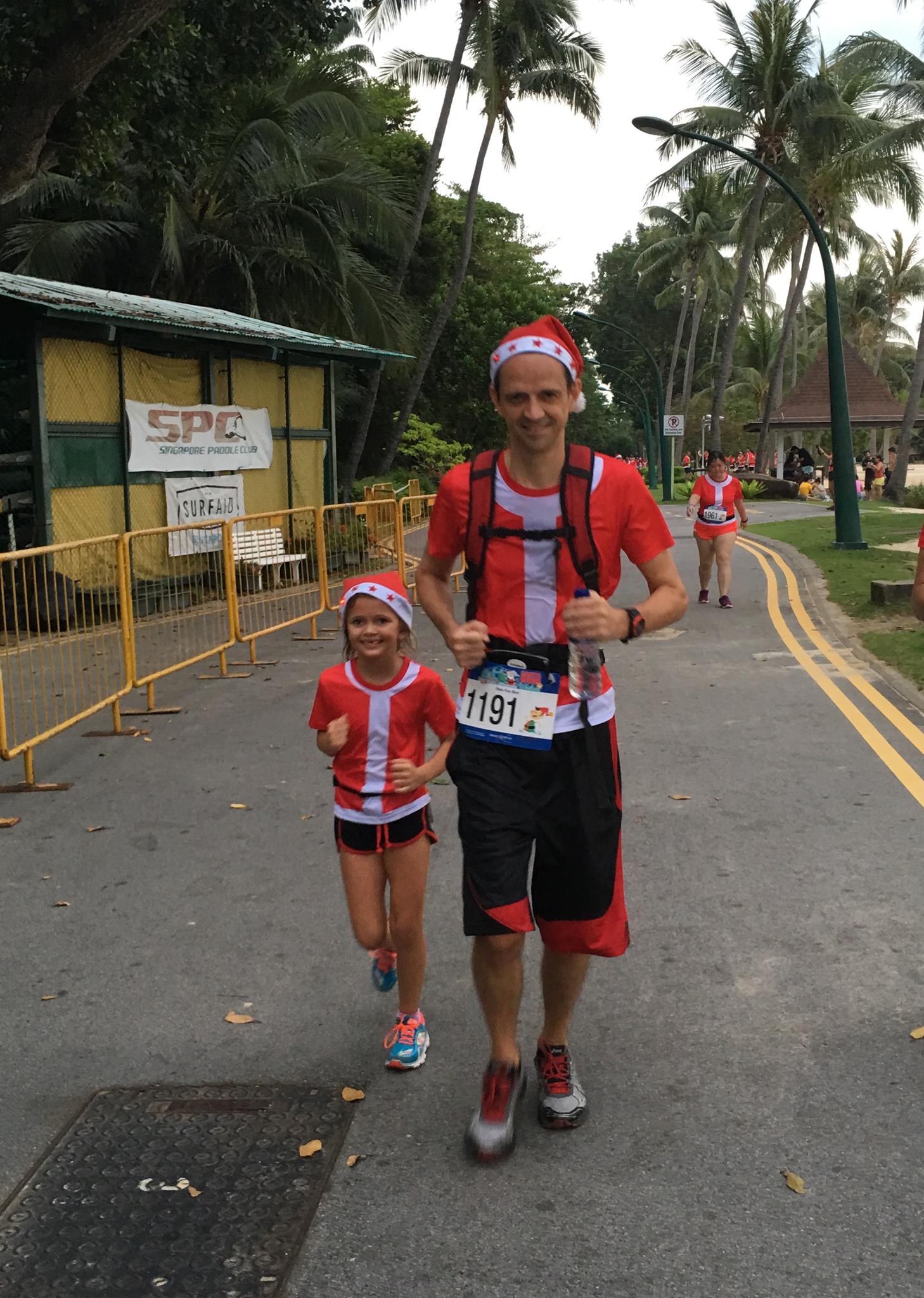
With 2km and 5km categories, the event commenced at Angsana Beach heading due west. With both categories flagging-off at the same time, it was quite a tight squeeze funnelling through the start line and the first kilometre. As we reached the turning point at the west end of the island the race felt more like an obstacle course rather than a race course. Unfortunately with both categories racing at the same time there was a lot of weaving through the crowds on narrow lanes. We basically gave up on racing and just chose to chill out and wait until the 2km category finished.
Weaving through the crowd
Somehow though the 2km category didn’t finish until it reached around 3.4km which made me wonder how long was the 5km category. At this point we were quite dehydrated and still a fair way from the organised water point. John veered off the route to stop at 7-11 to buy drinks whilst Trini and I kept going. The water station was at 4.4km at the east end of the island’s turning point.
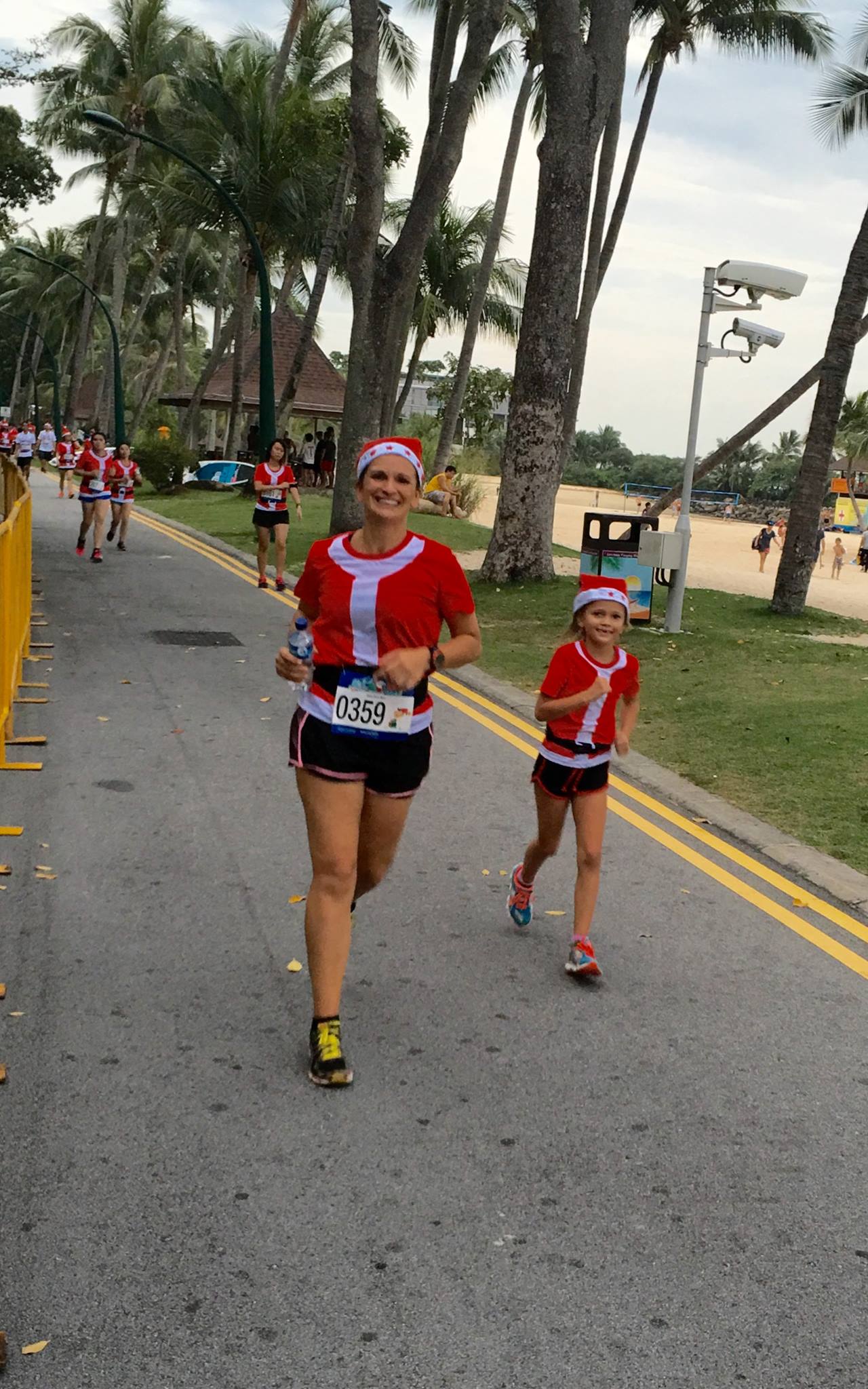
By this stage Trini was trudging and she kept asking how much longer. Honestly, once we crossed 5km on my Suunto watch, I had no idea what to tell her since I knew we were still a fair way from the finish line. So we started playing a game using landmarks to run between followed by walking and repeat. The running distances were short but it kept her motivated to push through the last part of the route. By the time we reached the finish line we had covered 6.3km. Slightly longer than had expected.
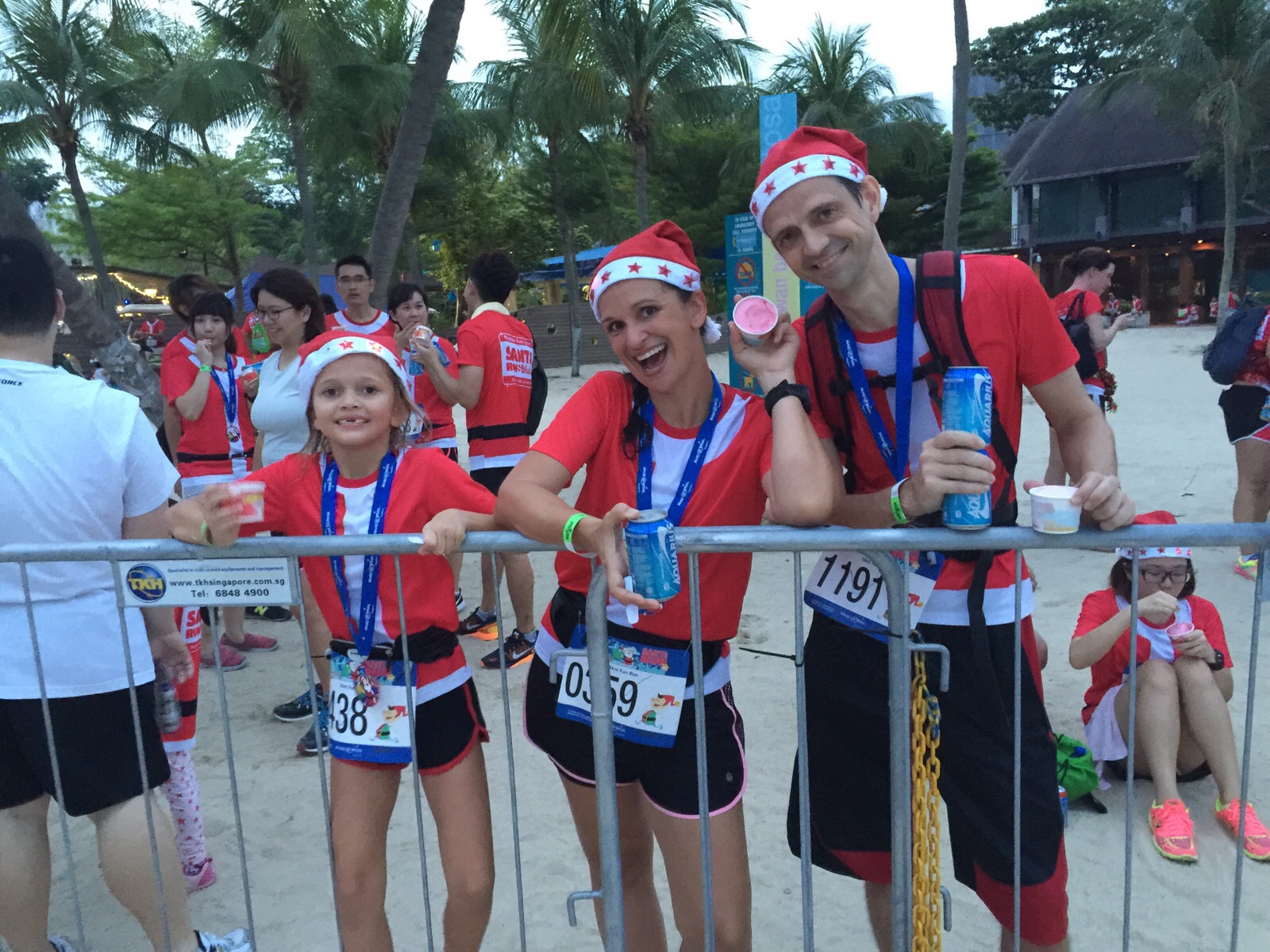
However, the ice cream, electrolyte drink, finisher medal and the upcoming Universal visit made for very quick fatigue recovery. There was a little disappointment for my girl when the finisher medal’s paint peeled off as it dried itself onto the ribbon. Promising to fix it with some white paint at home was enough to turn her frown up-side-down. I suspect the medals were packed before they were fully dried as each one of our medals had the white paint peel off when we detached the ribbon from where it dried. Not sure if this was a common problem or just bad luck on our part.
Ice cream and sports drinks fix everything.
Along with our friends, we made our way to Universal Studio’s and thoroughly enjoyed having the park mostly to ourselves. We were joined by many severely disabled children who had this rare opportunity to visit a theme park which otherwise they would never have that chance.
All the thrill rides were open and my 7 yo had her first go on the Cylon Rollercoaster, flipping upside and zooming at high speed.
Too cool for Transformer ride
After her 1st Cylon rollercoaster ride
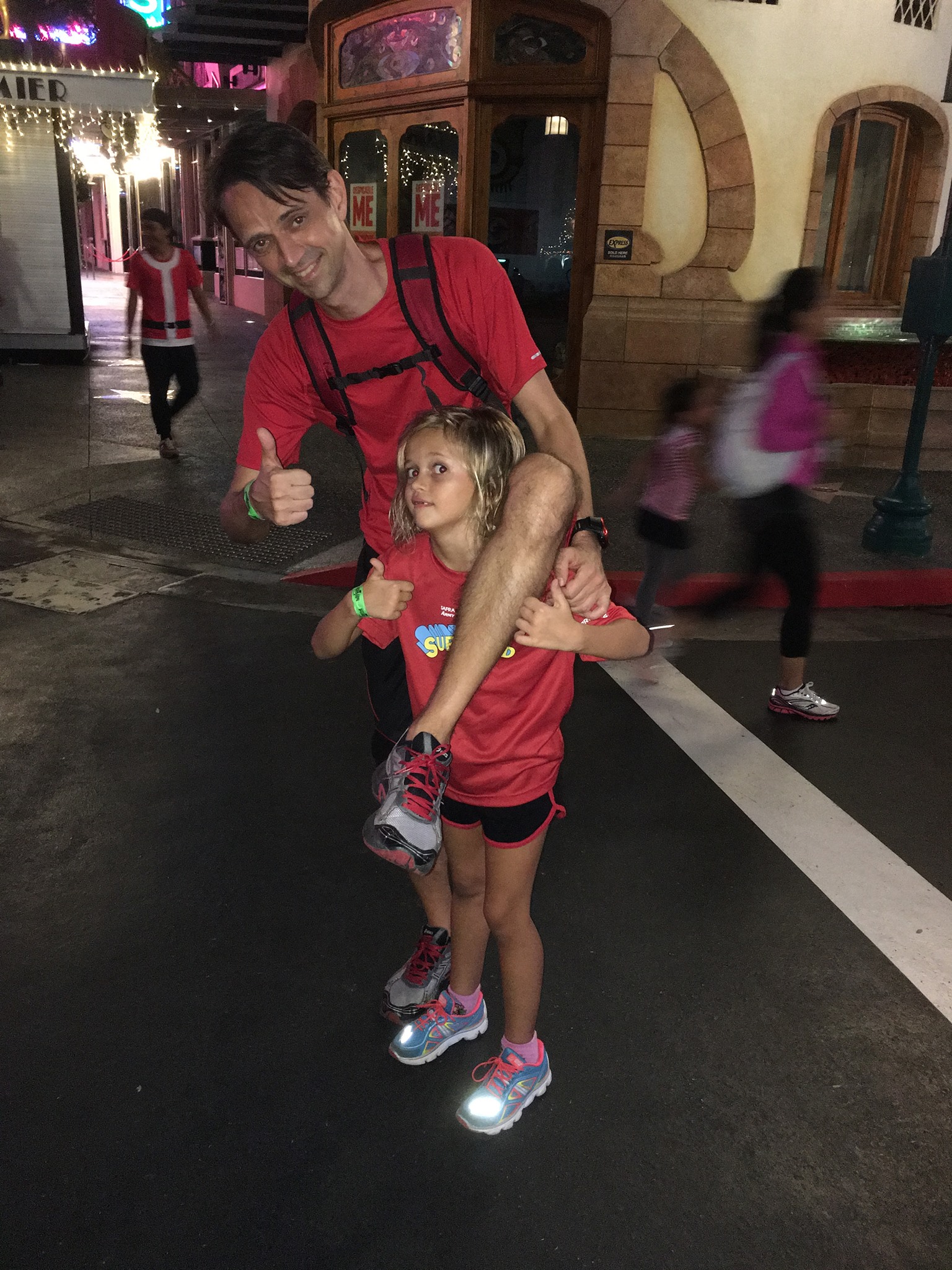
Time to carry daddy home.
Needless to say by the time we wrapped up the day and got home it was midnight and Sunday was a long and very lazy day.
Perhaps some notes of observation regarding the race is to flag-off the categories at different times, provide water stations at half way points, use breathable material for the tees and ensure the finisher medals have sufficient time to dry if they’re painted before packing.
It’s understandable that the foundation may have teething problems since it’s only its second year and I’m sure as they keep organising this event they will get better at it. Personally, I will happily continue supporting it. Regardless of some of the minor issues, it is for such a worthy event that all this can be overlooked.
Overall, we had a good time as we always do. Wishing everyone a terrific festive season.
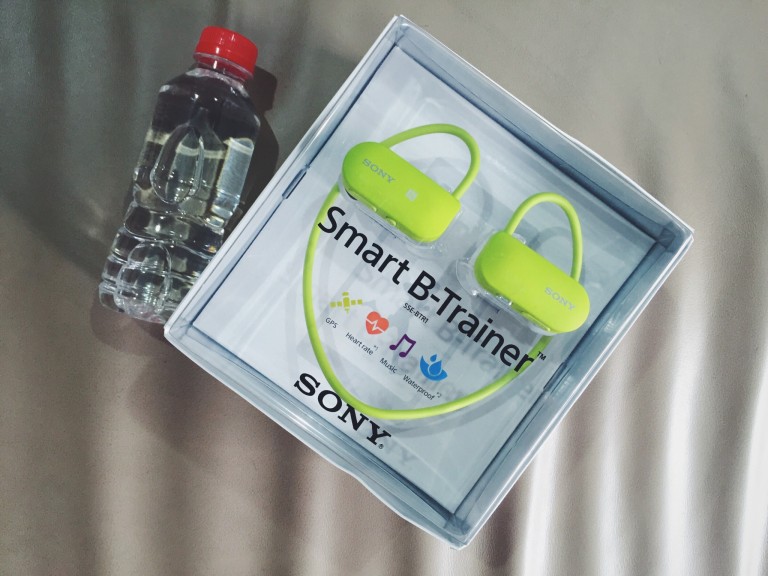
Sony’s Smart B- Trainer™ has been the dream all-in-one smart device for runners with 6 built-in sensors that can record up to 11 running logs, 16GB of music storage, GPS function and heart-rate monitor. As a music lover and a runner who needs some motivational boost especially during long and solo runs, I’ve simply got to try out running with the virtual coach in the device! Here’s my experience running with Sony’s Smart B- Trainer™!
Unboxing – First look and feel
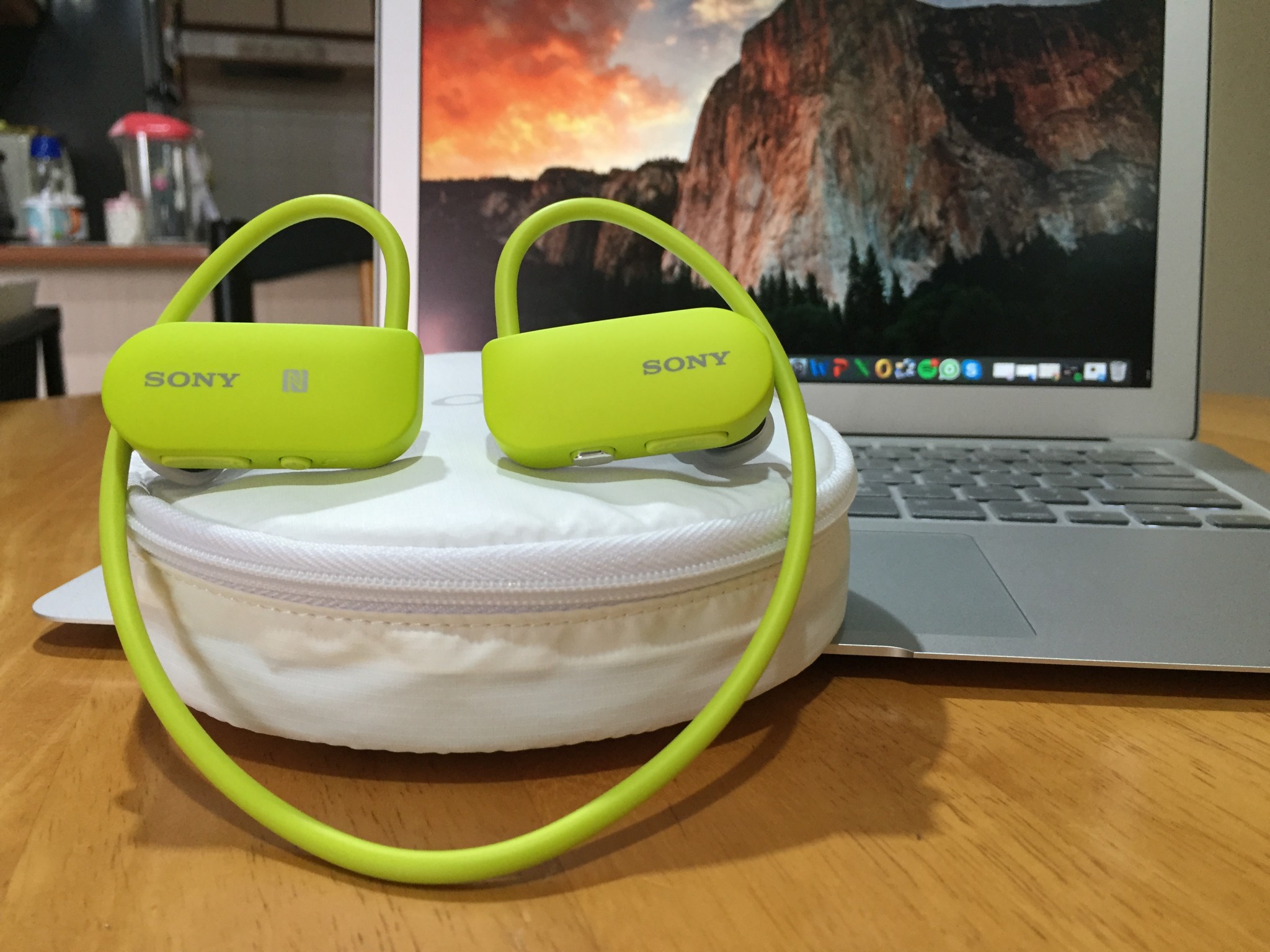
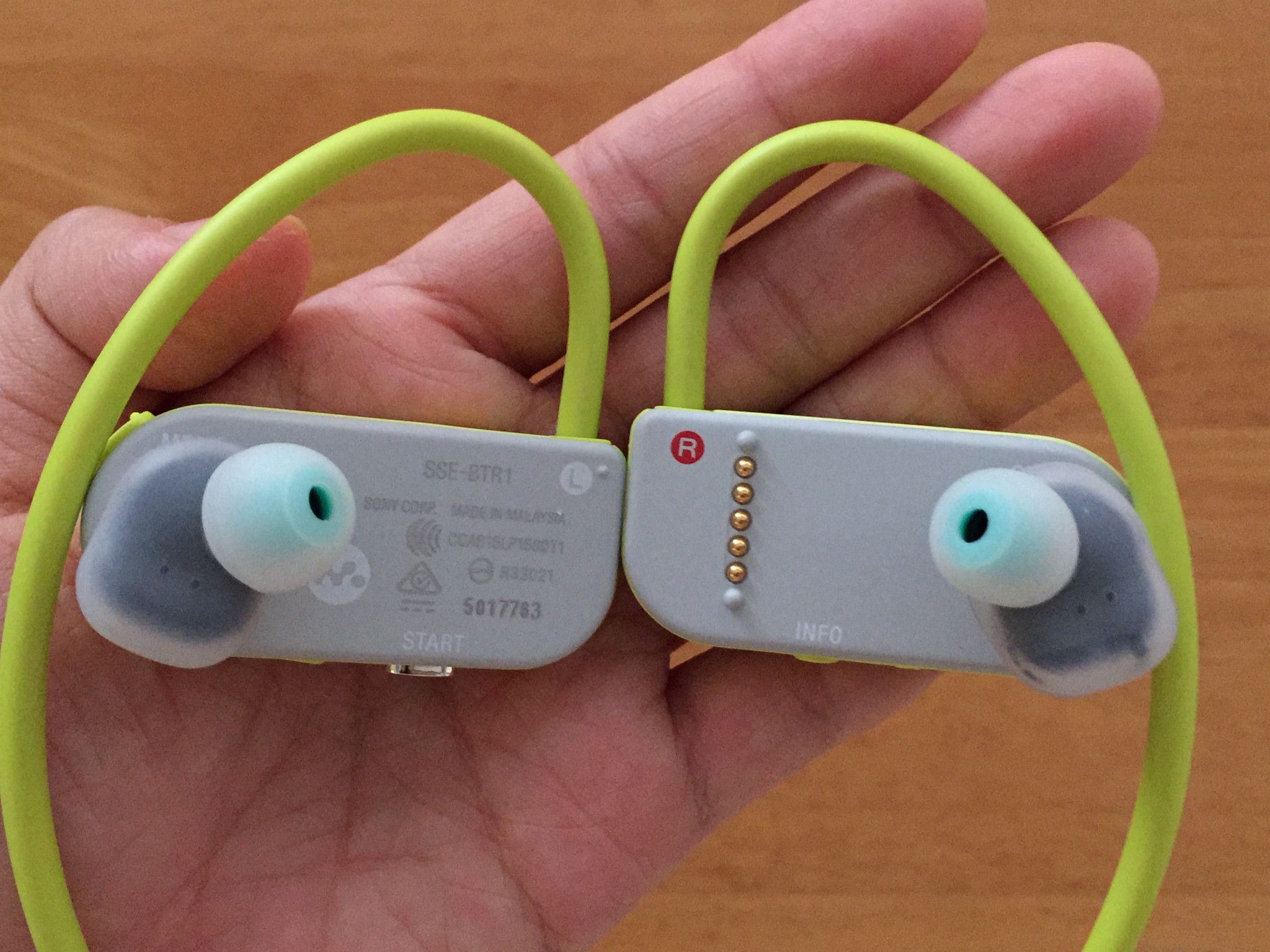
The Sony’s Smart B- Trainer™ pack comes with both the headset and a pouch containing ear buds (even an additional set for swimming!), protective cases and charging cables/dock. To be honest, I was initially having doubts about fitting both the heart rate sensor and audio parts into my ears but was pleasantly surprised at how perfect it fits.
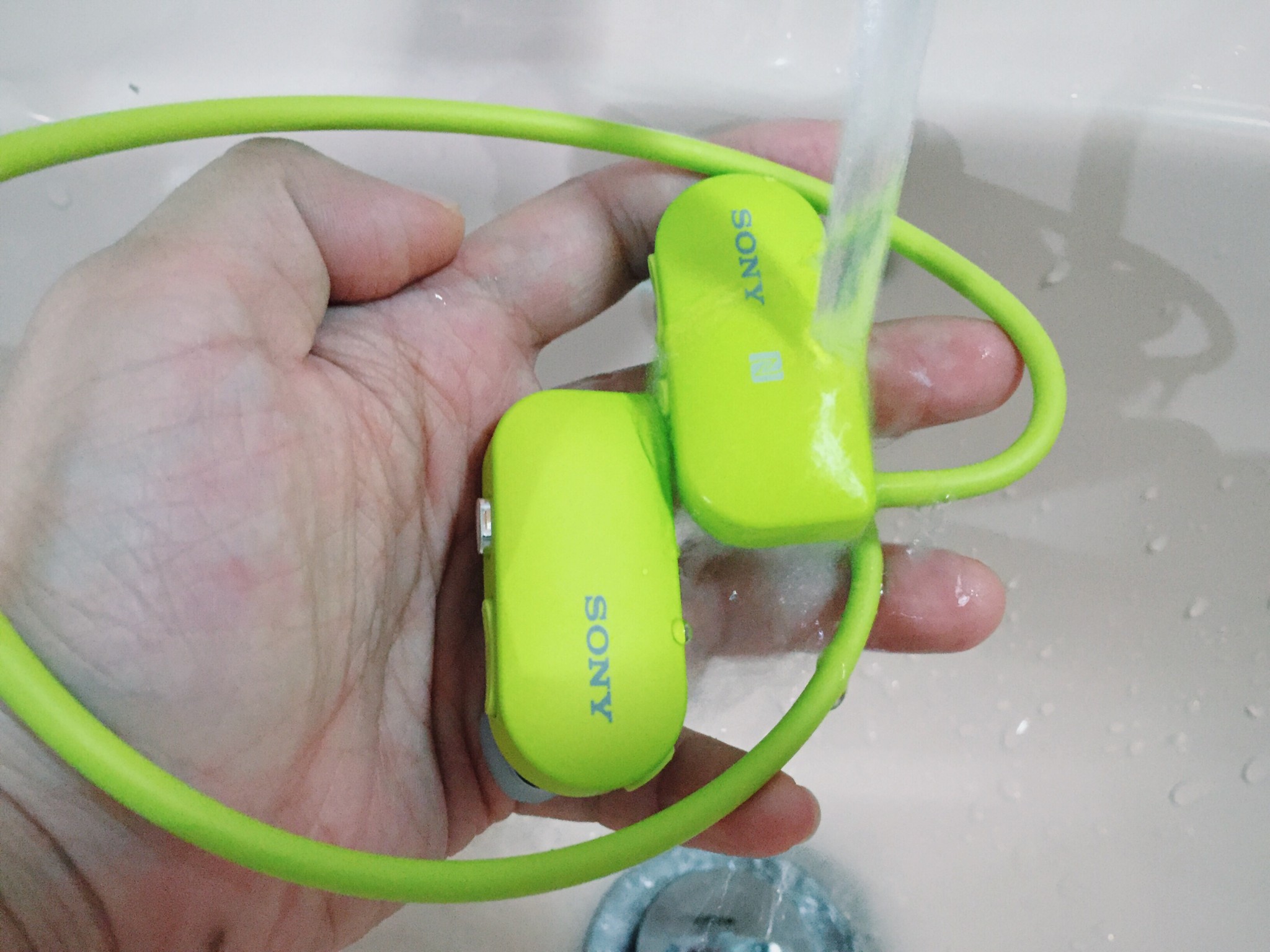
Waterproof technology is one of the product features that I decided to make a bold move of testing it out immediately after unboxing. My heart skipped a beat as I placed the device under the running tap and prayed hard it would light up after the experiment – and thank goodness it did!
Planning my run with “Smart B-Trainer™ for Running” app
After uploading some of my songs into the 16GB storage device, I synced it with the “Smart B-Trainer™” app and started planning for my first test run. I pre-set the pace of 5:00 and a distance of 5km. There are also other modes of workout plans such as Free Run that allows you to simply start running at any point, pause and stop at any point you want. Once again, I synced the settings from the app to the device and decided to run without my smartphone, just the device alone.
Running with effective tempo, coach and multiple sensors
I tried to vary the speeds of my run to see if the music changes accordingly and it sure did. The virtual coach would inform my current pace and tell me if I am going too slow or fast according to my heart rate, and a corresponding music of a certain tempo would be played. This smart feature is known as Sony’s 12 Tone Music Analysis, an intelligent music playback function.
According to the product information, the battery life of this device is an astonishing 10 hours, which is definitely a tick for marathons and perhaps even an ultra-marathon! Perhaps a timely Christmas gift to self for the upcoming marathons towards the end of the year and beyond?
In addition, the device did not move much while I ran and jumped and the ear buds did not move an inch. It was simply fixated permanently in my ears and the neckband did not cause a strain on my neck at all. I could not hear much sound from the surroundings perhaps due to the noise cancelling features of the device. As such, I had to be more alert at road junctions while enjoying the clear and encompassing sounds from the device.
Evaluate: Post-run data analysis
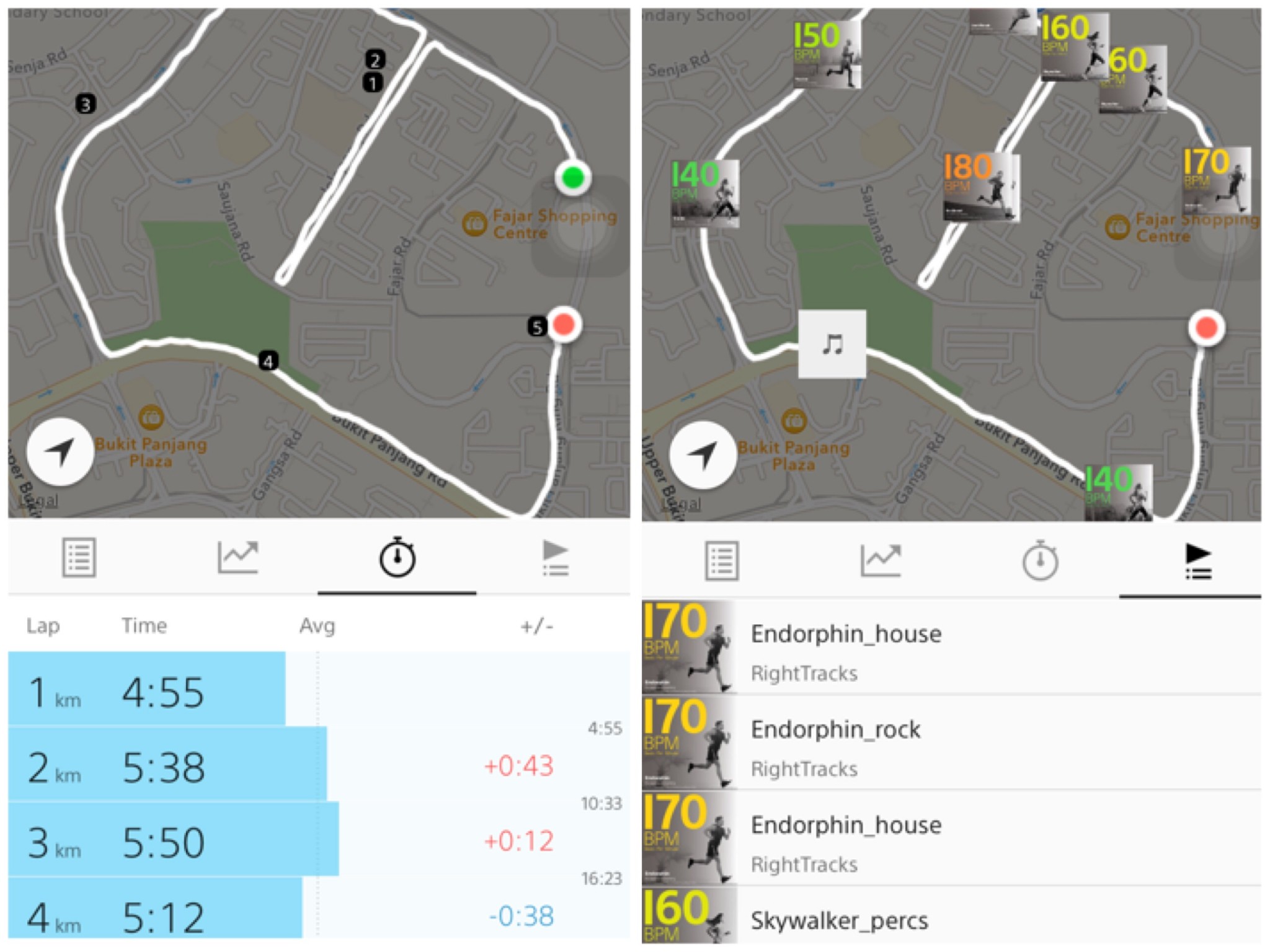
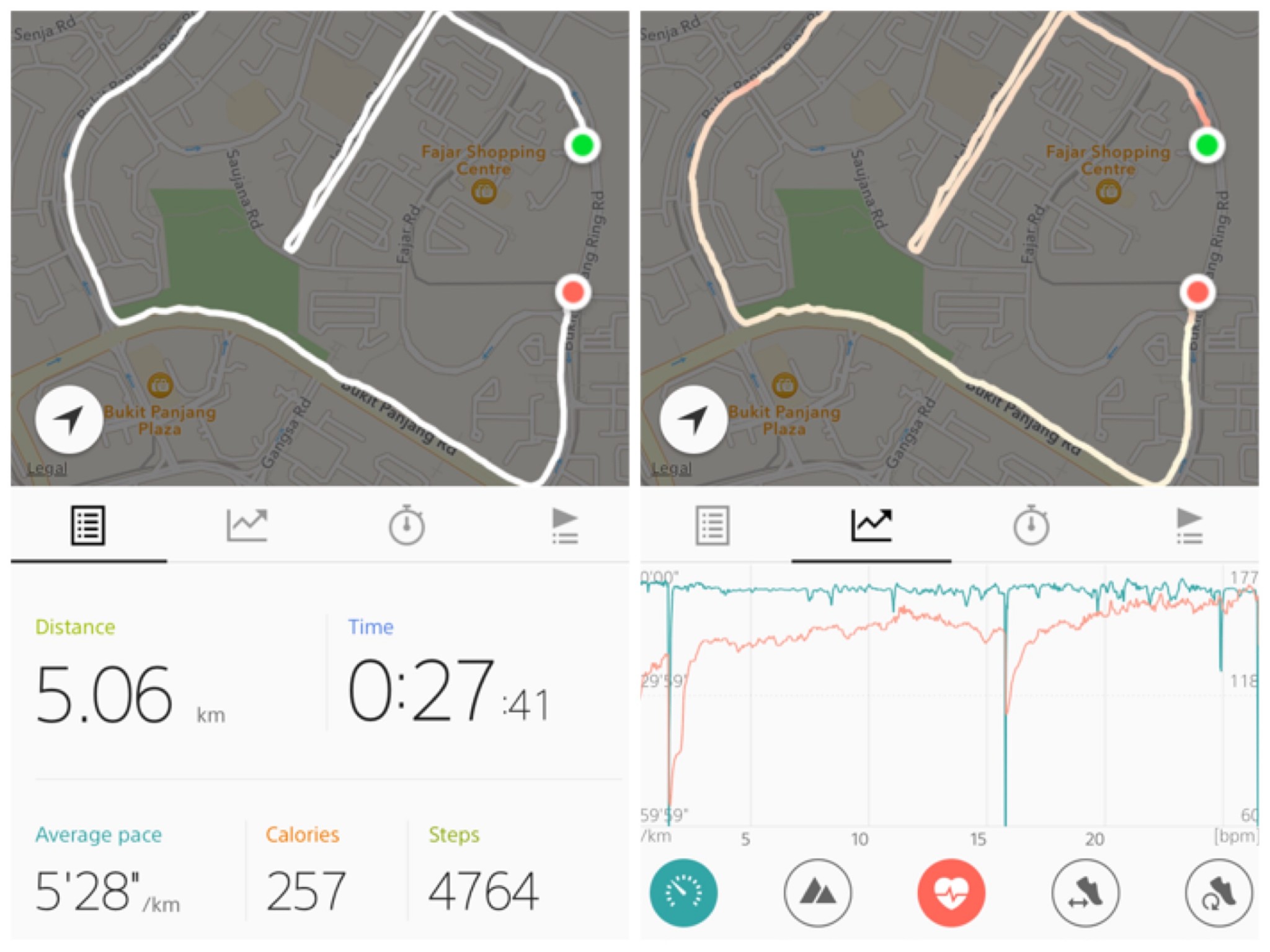
I simply switched on the Bluetooth® on my smartphone and device to sync the run data wirelessly and it was fast and convenient as I found myself immersed in a cloud of information about my single workout – graphs, maps, photos of the place I ran, music played and more were reflected on the app. The entire experience can be described with one word – Cool!
Music played and interval timing
Post Run Analytics
My first run was generally smooth, with some technical difficulties in trying to figure out how to play music from device or smartphone before I started my run. I managed to find that out along with my other queries from Sony’s website eventually. The periodic reminders about my pace, distance and time, as well as whether I am going too fast or slow, were helpful and I didn’t have to do anything else to check because everything was automated.
What I love
I’ve got admit, my first test run with Sony’s Smart B- Trainer™ attracted looks of envy and curiosity from a handful of runners along the route. The bright, sleek-looking device is extremely light-weight to wear for runs and the sound quality does not get compromised with all the jumps and movement while running. So far, there wasn’t any time where I had to pause my runs to adjust loose or uncomfortable ear buds.
This all-in-one device with multiple sensors and recording up to 11 running stats, including built-in heart rate monitor, effectively eliminates the need to carry any additional sports gadgets for my run. As a result of these functions, I am able to find out a lot of information just from a single workout session. The post-run analytics really helped me understand and identify my running patterns; at which point do I start to slow down, what is the corresponding heart rate and elevation of that place and so on.
I usually train alone during night sessions and having a virtual coach, voice guidance and music tempo does indeed boost my run and motivation. It keeps me updated, informed and aware during my workout in real-time, allowing me to try out different workouts and see the results almost immediately.
What I would recommend
I felt that there was a missing link between the smartphone app and desktop program. The desktop Content Helper program’s only function is to upload or delete songs from the device. Perhaps incorporating some of the features of the app onto the desktop program and making them compatible would be convenient for users, where users can switch to and fro desktop to the app. Also, I spent quite some time trying to figure out between playing songs directly from my device or from my smartphone and had to refer to the official website multiple times before knowing how to use the device for the different purposes. The more I configured, the more I discover about the usage of this device.
Having 6 built-in sensors packed in a single, lightweight device which produces 11 running stats and analysis is an amazing product innovation. However, such advanced features would only be fully appreciated by runners who are very technical and place emphasis on sports analytics. As such, the value worth of the device at retail price of $399 would differ for non-technical runners.
My choice?
The Sony’s Smart B-Trainer™ will be a great addition to any runner’s workout routine in terms of providing guidance, motivation, perhaps even confidence! As for developing one into a faster and more effective runner, it would really depend on how well one adapts and responds to running with tempo, virtual coach and application of sports analytics. With long-term usage of this device, one can actually learn a lot on how the body copes with stress, exhaustion and recovery during workouts.
For me, this device did its job of adding value, fun and motivation to my workout and provided me a new, in-depth overview of my workouts such that I can identify the various factors and match to how I felt about the run. On top of that, with Sony’s signature soft-touch of colors, stylish yet practical product design do tempt one to forget about the price tag and grab one from the shelves.
Price and locations
Sony’s Smart B-Trainer™ is retailing at a recommended price of S$399, in five eye-catching colours (yellow, white, blue, pink, and black) and is available at all Sony Stores, Sony Centres and selected Sony authorised dealers.
Click here for more information on Sony’s Smart B-Trainer SSE-BTR1. In addition, Sony is now having their Year End Promotion from now till 3 Jan 2016, which includes the Smart B-Trainer™ ($50 cash back). Check in-stores for more details.
* Disclaimer: This review represents the genuine, unbiased views of the author. The author was provided with a free unit. Sony’s products are being / have been advertised on JustRunLah! via different channels.
The Stroller Race Singapore 2015 is not just a race between strollers; it is a race for families. While any family with children can join this race, having a stroller adds on to the fun and challenge when running along the designated race route. This requires teamwork between your family members as you race to the finish in the fastest time possible while steadily pushing the stroller!
An Active Family is a Happy Family
Photo credit: happymomhappyfamilybymoms.com
Most children like to be active, and parents play an important role in providing the environment to encourage a continuous active lifestyle from young. It is a good thing for parents to be active and to also bring their children out, encouraging them to take part in sports. More importantly, participating in an outdoor activity together as a family is a good way for a family to bond. In fact, the themes along the Stroller Race route is inspired by important values that bond a family together, such as “Love & Respect”, “There for each other”, “Determination” and “Togetherness”.
Claim the Title as Singapore’s Fittest Family!
The Stroller Race Singapore is a challenge for families from all over Singapore, which spans across a 5km route around the Sports hub. There are 4 different categories – 5km Stroller Runners, 5km Family Run, 5km Stroller Walkers and Kids Dash. Take part in the respective category for your family; race together as a family, and win as a family! If you are a parent, you can also take this opportunity to inspire and encourage your family along the race and wear the Active Parent finisher Tee with pride. As we all know, an active parent is a responsible parent.
Discover Your Child’s Sporting Talents
The race culminates in an exciting Talent Carnival at the OCBC Square where fringe activities such as the Kids Dash, Motor Ability Assessments and Sports Tryouts will take place. All participants and families are invited to experience the talent carnival and explore their sporting potential. It will be a great opportunity for parents to discover the hidden sporting talents of their child.
All families are welcome to sign up for The Stroller Race Singapore 2016. Parents are encouraged to bring your children (kids below the age of 13 can join for free, but without race entitlements) and even your stroller along. This will be a fun-filled event just for you and your family, and a great way to kickstart a healthy new year together!
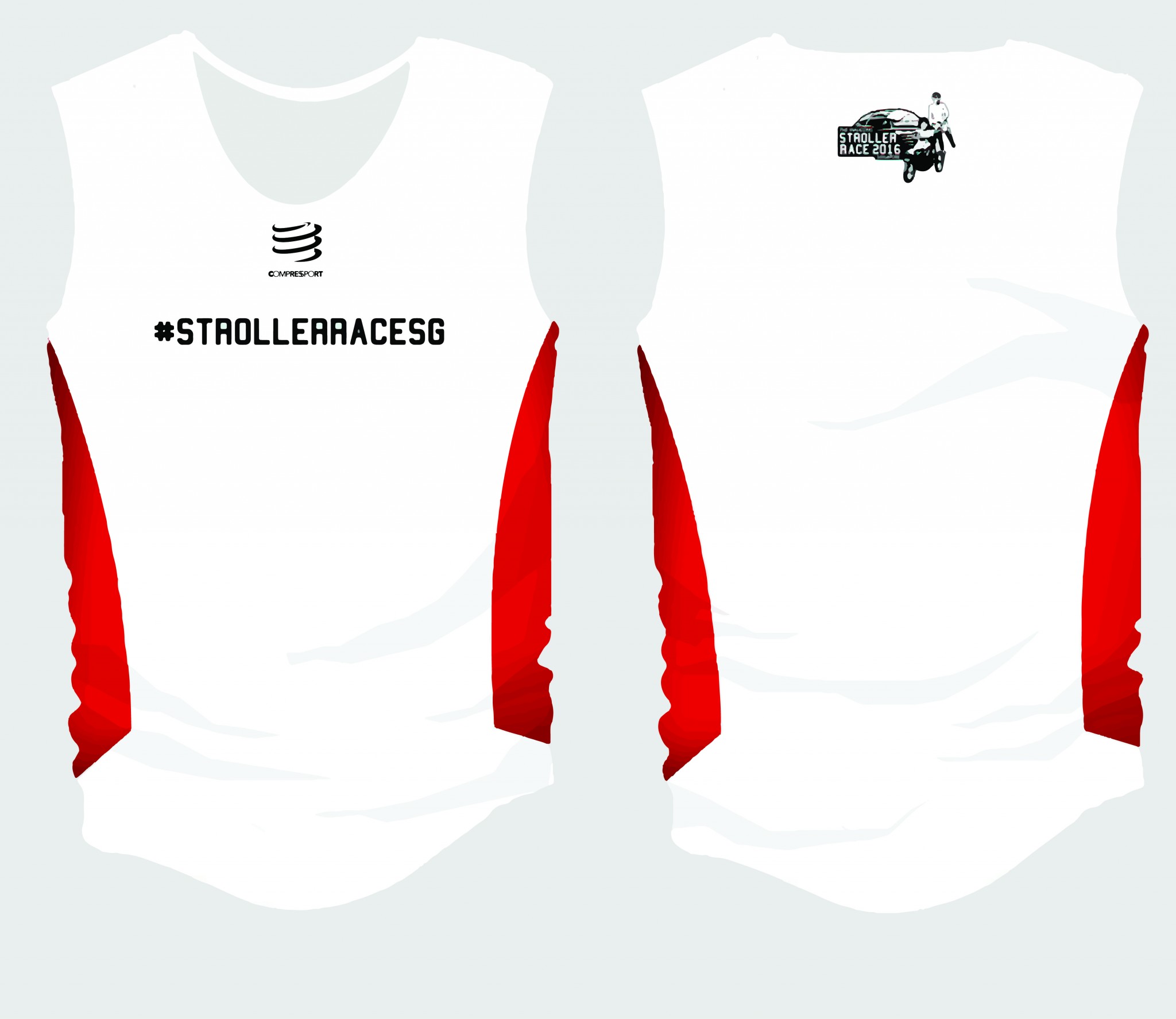
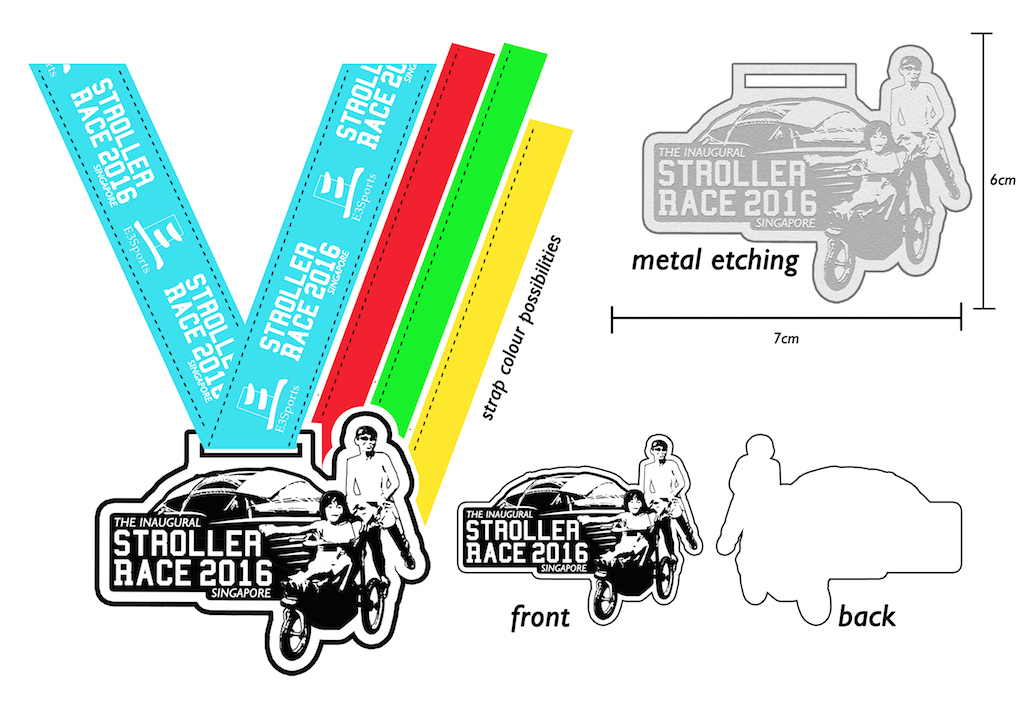
Check out the runner’s entitlement:
Register here now for the race!
Enjoy $10 off registration fees by entering code: JRLstroller2016 upon checkout!
Kota Kinabalu or KK as it is affectionately called by the locals is just a narrow sliver of land that sits right at the edge of the South China Sea with low lying hills gradually rising up into the Crocker Range topped by Mt Kinabalu, the highest mountain in South East Asia, as its stunning backdrop.
Mount Kinabalu
Being a waterfront city has a huge impact on the lifestyle in KK. Being so close to the water with the breeze blowing in from the ocean at the waterfront and all the greenery that surrounds it, from its tree lined streets to the forest covered islands and hills that dot its landscape, gives off a laidback vibe that puts people at ease.
A Different Experience From Malaysia
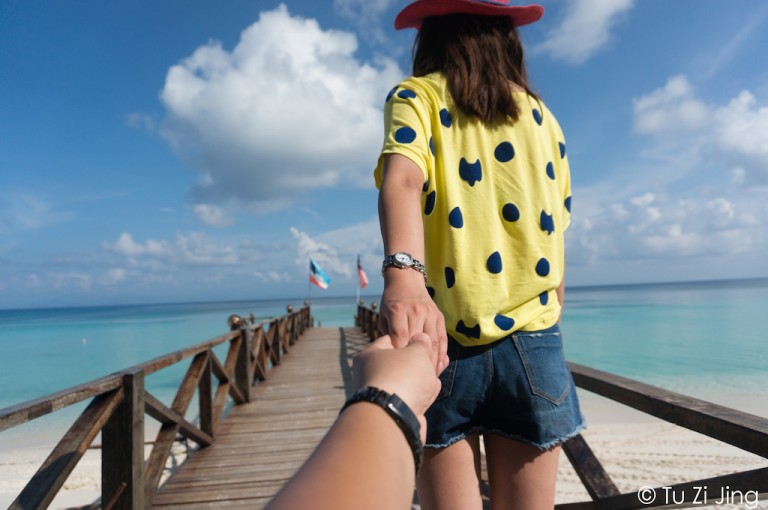
Surrounded by beautiful sceneries, the city has also retained much of its rustic charms. It is safe to walk around this pedestrian-friendly city on your own and if you take the time to mingle with the locals, you will experience a way of life that is different from other parts of Malaysia. Its people, cultures and languages have integrated so well that you can strike up a conversation with anyone and feel instantly at home. This is a place where people of different ethnicity and religion coexist in harmony.
One of the best things about KK is how everything is so accessible and easily within reach. You can shop, play and eat without having to go very far on foot. This also means you get more time to experience more of KK, and making the most of your time there!
Food In KK
For the best variety of food, it has to be Gaya Street where coffee shops, cafés and restaurants line both sides of the street with great tasting food that’s friendly on the wallet too.
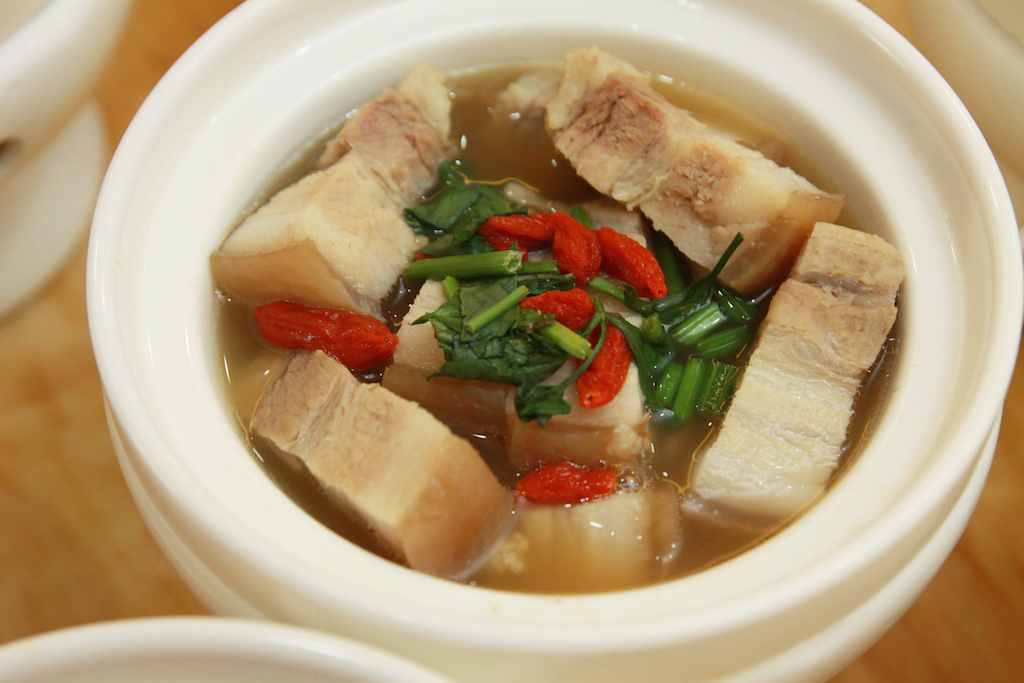
Bak Kut Teh
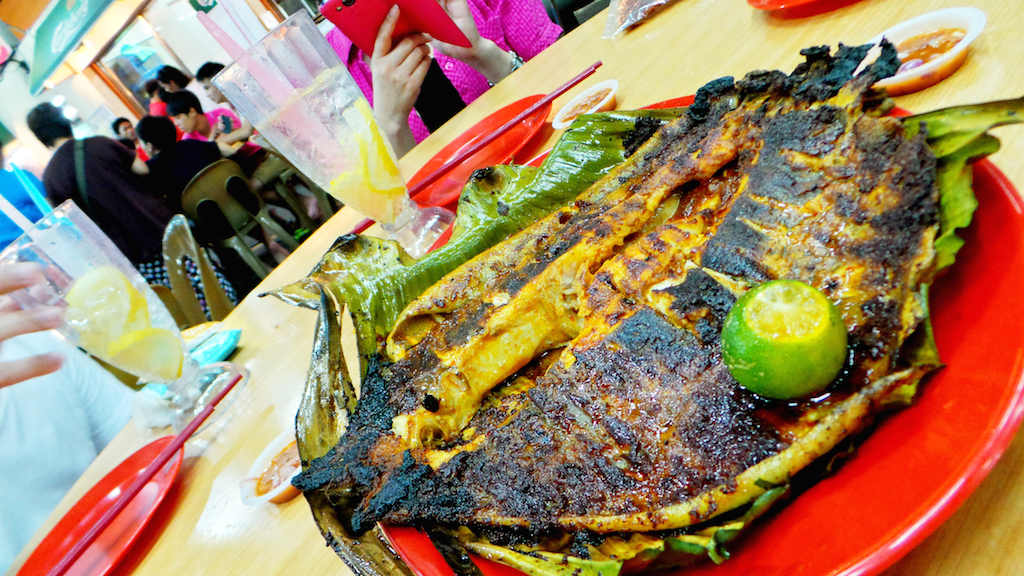
Ikan Bakar
Springy egg noodles, steamed pork buns, spicy laksa, fragrant bak kut teh (pork bone soup), beef or chicken soto with its unique spice mix, succulent satay and ikan bakar, tasty buns with sweet and savoury filling, roti canai – the list just goes on. Take your time exploring so you don’t miss out on any of these delicious treats. A cup of strong Sabah coffee from Tenom is a must for breakfast but you can have it any time of day for a quick caffeine fix.
Shopping In KK
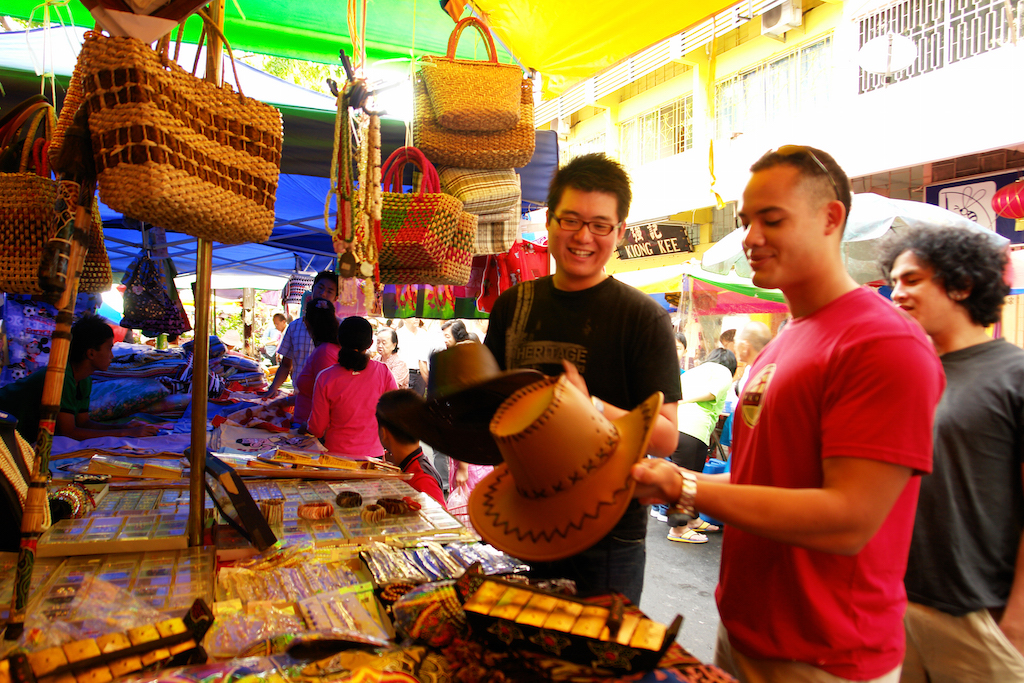
Gaya Street Sunday Market
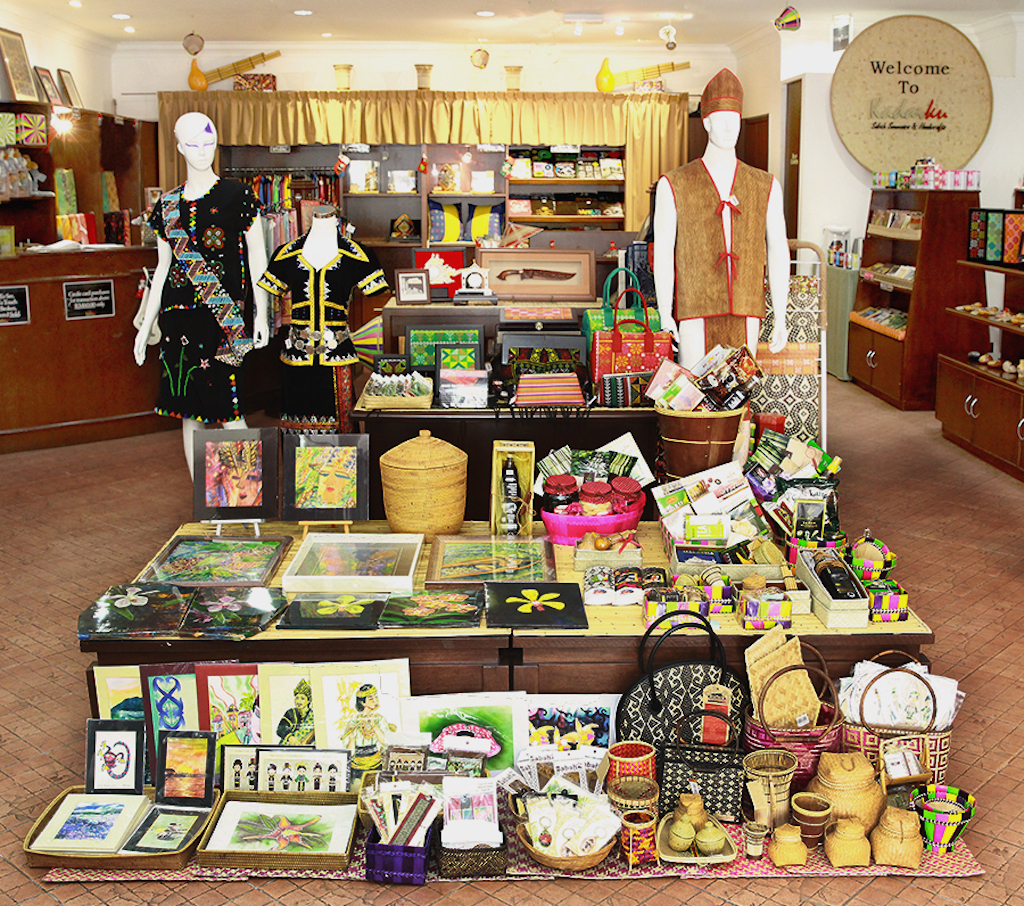
Kadaiku
On Sundays, Gaya Street also turns into a pedestrian-only street fair with stalls selling local handicrafts, souvenirs, t-shirts, pre-loved clothes, household plants, pets and lots more food!
For everyday souvenir shopping, check out the Handicraft Bazaar and Kadaikuat Sinsuran. Kadaiku supports local handicraft makers from villages around Sabah and stocks up on high quality products and made to order items for the more discerning clients. Typical indigenous handicrafts include finely woven textiles, bead accessories, bamboo and rattan baskets, containers and musical instruments.
Island Hopping and Water Sports Activities
Manukan Island
Scubado
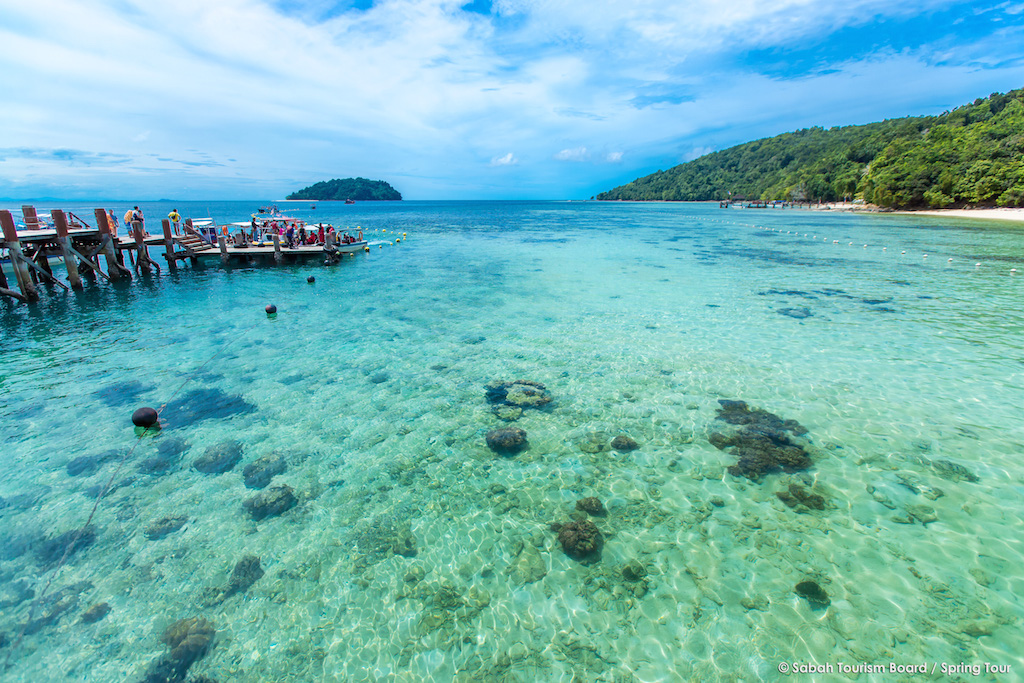
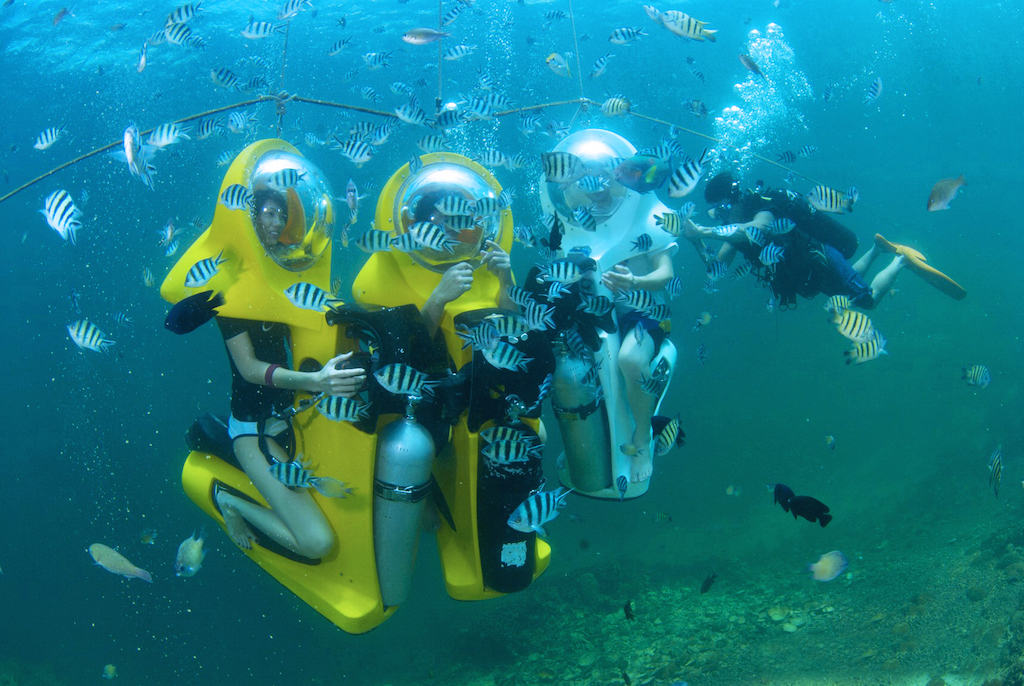
KK has beautiful coral islands with sandy beaches and clear waters just minutes away by boat. Sapi, Mamutik and Manukan are the three most popular islands for day-trippers and is the perfect getaway for a picnic and lots of water sports activities. Snorkeling, scuba diving, sea walking, water skiing, parasailing and even zip lining from Gaya to Sapi are available for hire.
Breathtaking Sceneries
The best time of the day in my city is definitely at sunset. Catch this spectacular display of orange coloured sky at Tanjung Aru Beach and all along the coast to Likas Bay. Running on the beach or the jogging track at Likas Bay is my favourite thing to do at sunset. The spectacular view makes exercising so much more enjoyable!
Nothing works better with a great sunset then chilling out at the Waterfront with an evening cocktail or a cold beer to end a hot day in the city. Take in the fantastic view while sipping on your beverage of choice before deciding on dinner at any of the Asian or Western themed restaurants at the waterfront. The bars have a pretty decent drink list too and play a wide range of music from 70s retro to modern day pop, with the occasional Latin dance party known to happen during the week to entertain the crowd.
Local Festivals
Sabah Fest
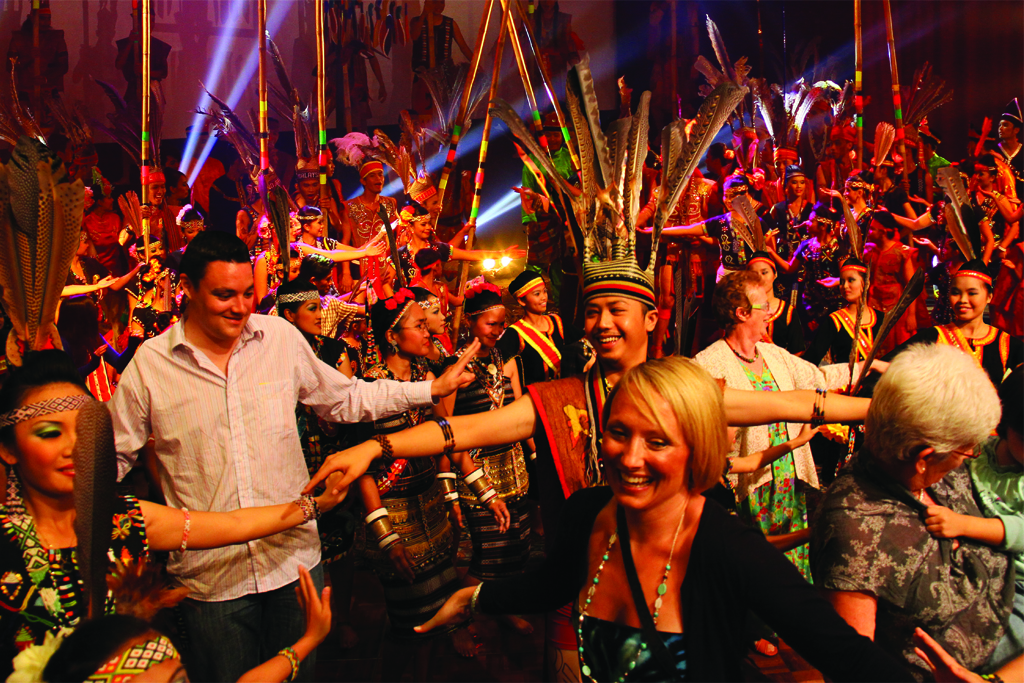
Festivals are great fun in any city and in my city, the best has to be the Harvest Festival or Kaamatan in May. The month-long celebration kicks off with the Sabah Fest, a musical performance based on Sabah’s rich folklore, followed by district level celebrations culminating in the state-wide celebration. Get ready for lots of music, dancing, traditional games, rice wine, and the crowing of the Unduk Ngadau or Harvest Queen.
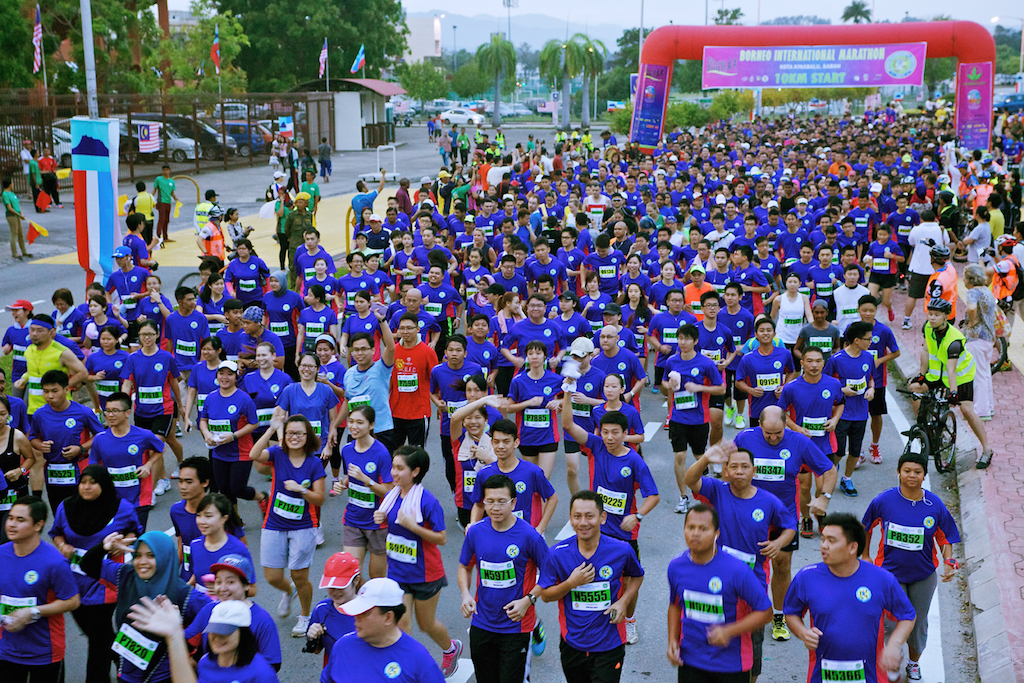
The annual Borneo International Marathon coincides with the Sabah Fest to allow runners to enjoy a wonderful cultural experience and race over a weekend.
Embrace The Nature
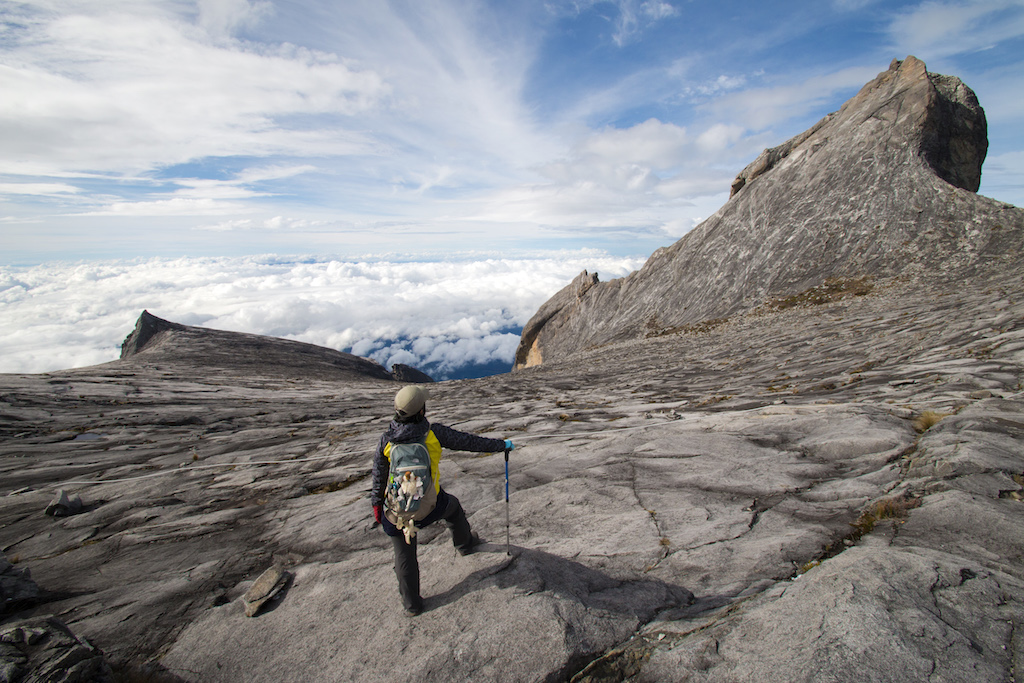
Mount Kinabalu
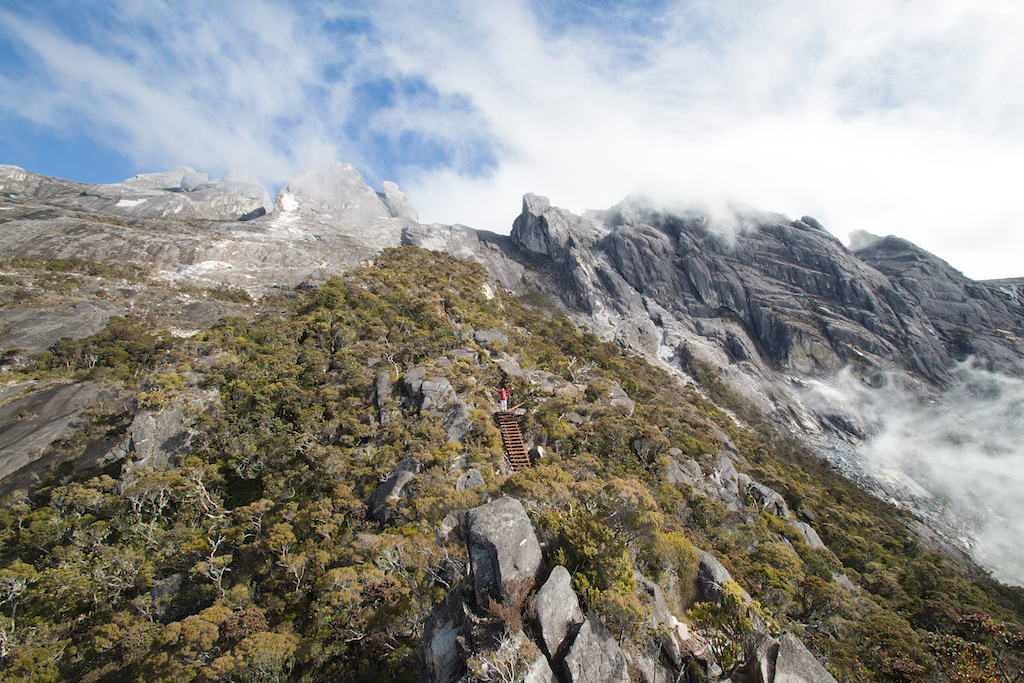
If the city heat gets too much, take a trip to Kinabalu Park where the temperature is a cool 15°C – 20°C. Nature trails wind through mossy rainforest which is great for a few hours of trail walking but if you’re up for it, stay overnight and do the Summit Trail up Mt Kinabalu. A new trail has been created to the summit to allow climbers to once again scale the highest peak in South East Asia and be awed by the majestic views from the top.
Fireflies
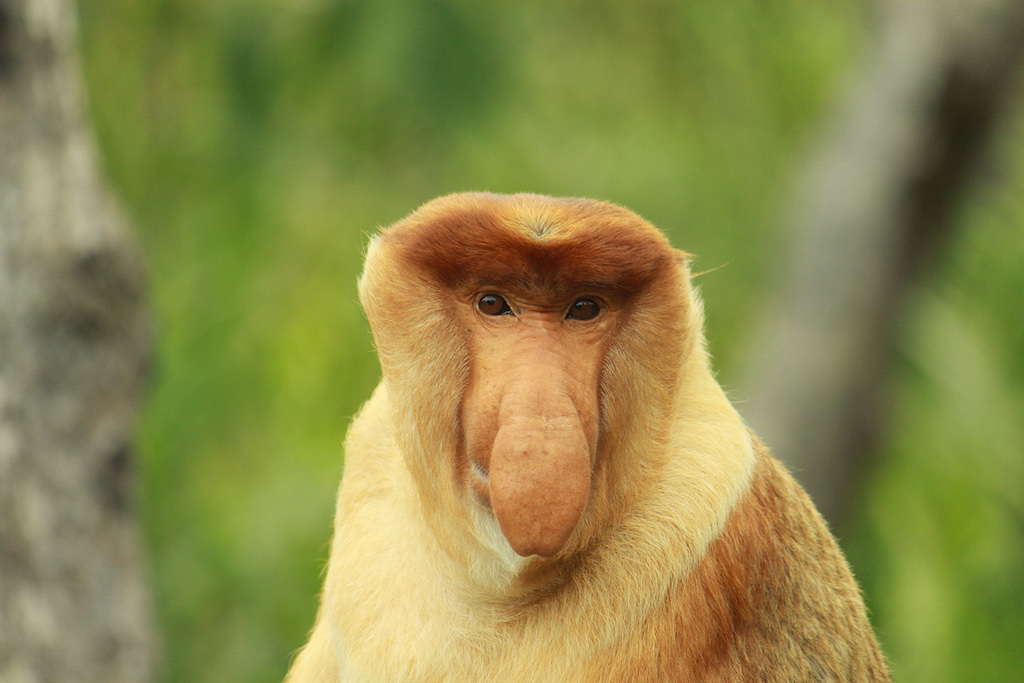
Proboscis monkey
Kota Belud is worth the couple of hours to get there for a river cruise and be mesmerized by thousands of fireflies lighting up the trees by the river bank. The weather might not be chilly but you can feel that familiar ‘Christmas’ glow with the magical display of lights against the night sky. The swamp forest is also home to the proboscis monkey and you can see them jumping through the tree tops before settling down for the night.



![Race Review: Standard Chartered Marathon Singapore 2015 [HM] (by Kelsey and Kang Jing)](https://www.justrunlah.com/wp-content/uploads/2015/12/CWJK4840-768x576.jpg "Race Review: Standard Chartered Marathon Singapore 2015 [HM] (by Kelsey and Kang Jing)")




![Race Review: SCMS 2015 [Remote Spectating] (by ‘red3’)](https://www.justrunlah.com/wp-content/uploads/2015/12/1779746_10152638664288585_3000355355012299065_n-768x576.jpg "Race Review: SCMS 2015 [Remote Spectating] (by ‘red3’)")