
Are you sick of exercising alone and want to have more fun with your workouts? Here come partner exercises to the rescue. It is always fun to exercise with a partner/buddy and it’ll only push yourself further. According to research conducted by the University of Aberdeen, exercising with a buddy/partner will increase the amount of exercise done because of the additional layer of emotional support they receive. So, get ready to have lots of fun and set your core on fire!
1)Inchworm Hand Taps
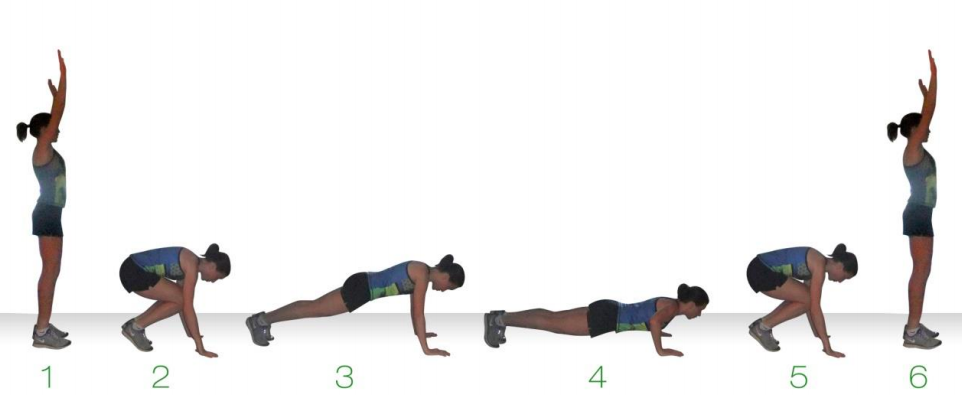
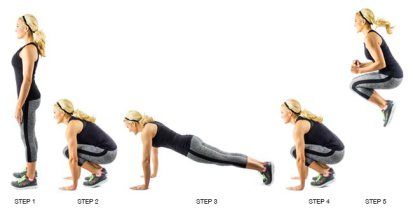
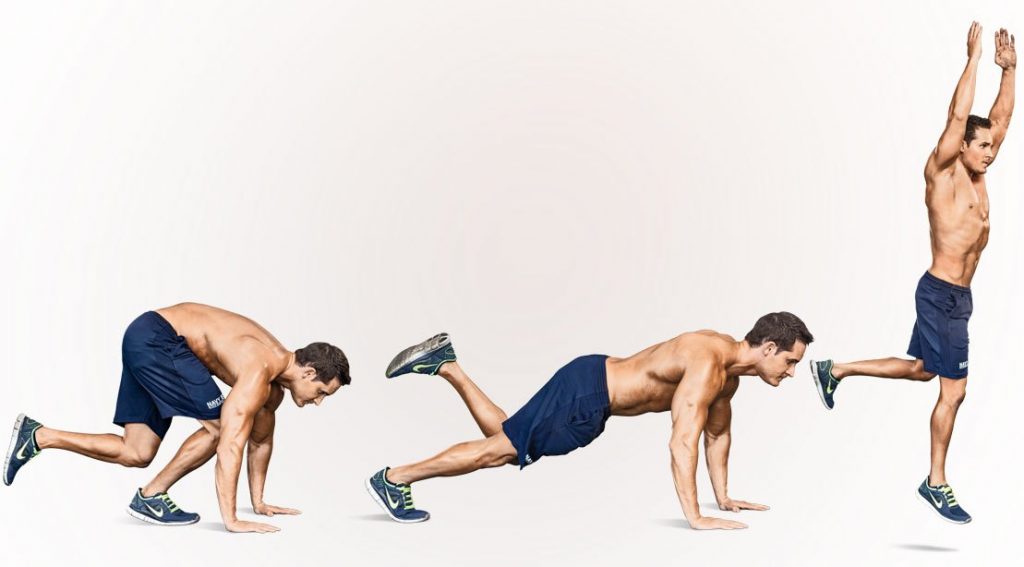
Inchworm Hand Taps has the ability to strengthen and stretch different muscle groups at the same time, it’s ideally positioned to be included as part of an active warm-up, or as part of a high-intensity interval training routine.
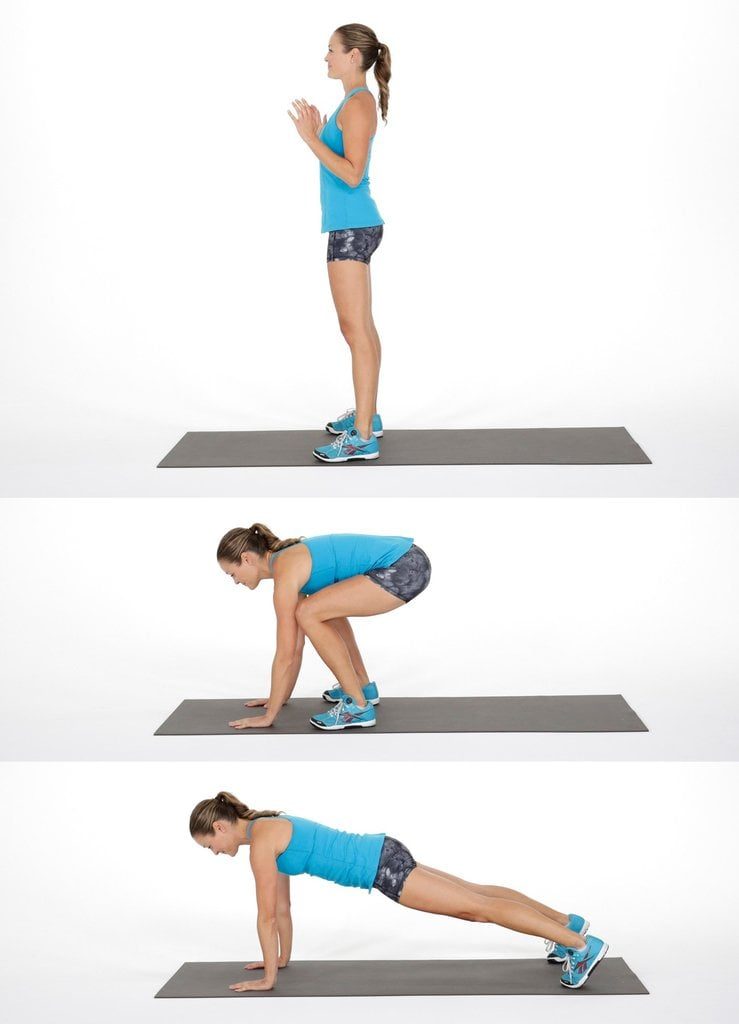
- Stand tall, your feet roughly hip-distance apart.
- Take a breath in, then as you exhale, look down at the ground and start reaching your hands toward the floor in front of your feet, allowing your back to bend forward. Allow your knees to bend slightly, as needed, to enable your hands to reach the ground.
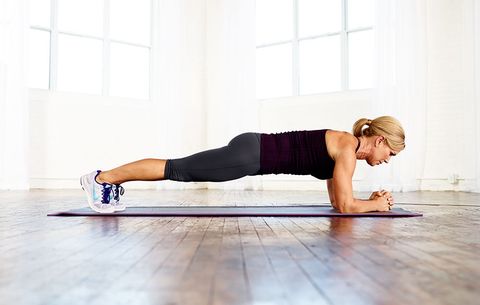
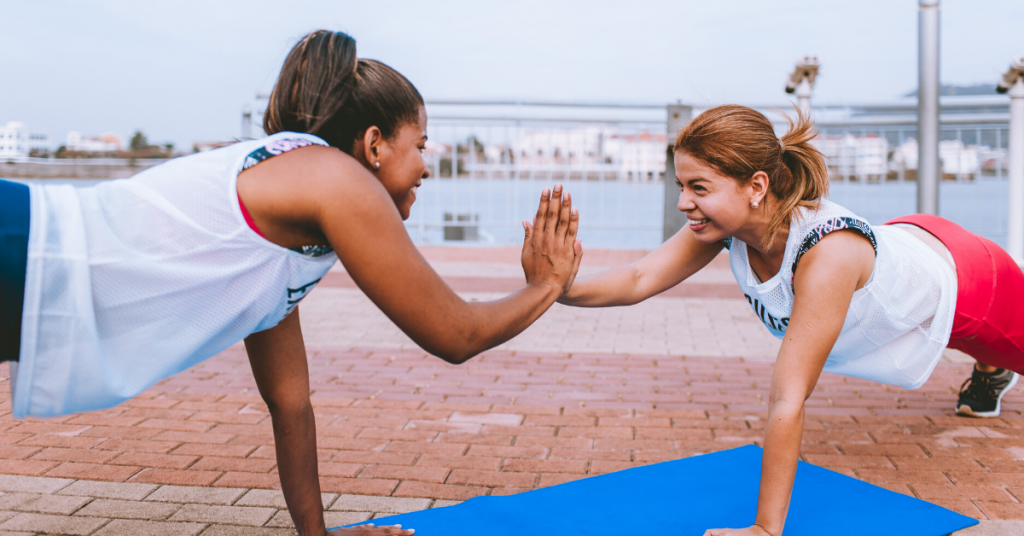
- Place your hands on the floor in front of your feet. Inhale and walk your hands forward, one at a time, allowing your heels to lift off the floor as your body begins to straighten. When your hands are directly under your shoulders, check your form—you should be in a full plank position with your core, chest, quads, triceps, and shoulders engaged, your body forming a straight line from heels to head.
- Give your partner a High-5!
- Keep your legs relatively straight and begin walking your feet forward, one at a time, toward your hands. This should provide a nice stretch through your hamstrings, calves, and glutes as your hips start lifting toward the ceiling. Exhale as you step forward.
- Stop when your feet are as close to your hands as you can comfortably bring them. Remember, you can bend your knees slightly to ease the stretch on your hamstrings, but try to keep them as straight as possible.
- Return to standing by slowly rolling your back up from the hips, straightening one vertebra at a time. Inhale as you go. When you’re back in the starting position, you’ve completed one repetition. Continue for time or repetitions, depending on your workout.
2) Partner Squat and Push-Up
Get in some squats and feel your arms burn with this two-in-one move.
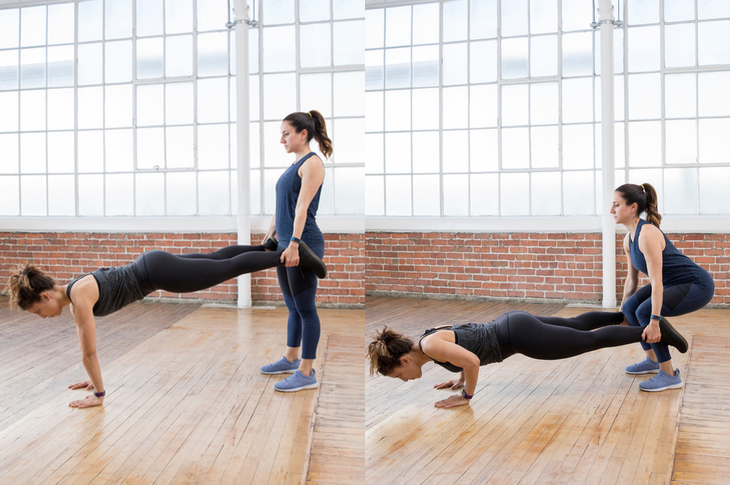
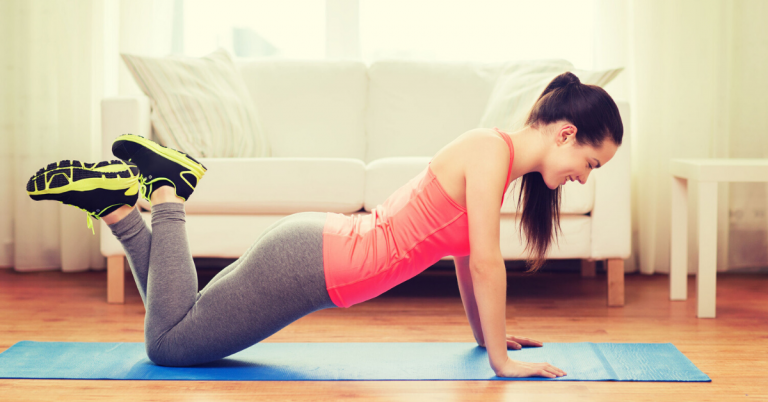
- Assume a plank position and have your partner pick up your feet.
- Do a push-up—keeping elbows tucked and lowering slowly—while your partner squats down.
- As you push back into a plank, have your partner slowly stand back up. Repeat for 10 reps. Then, switch positions.
3) Knee Tucks
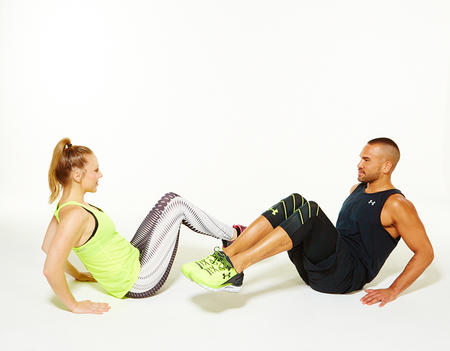
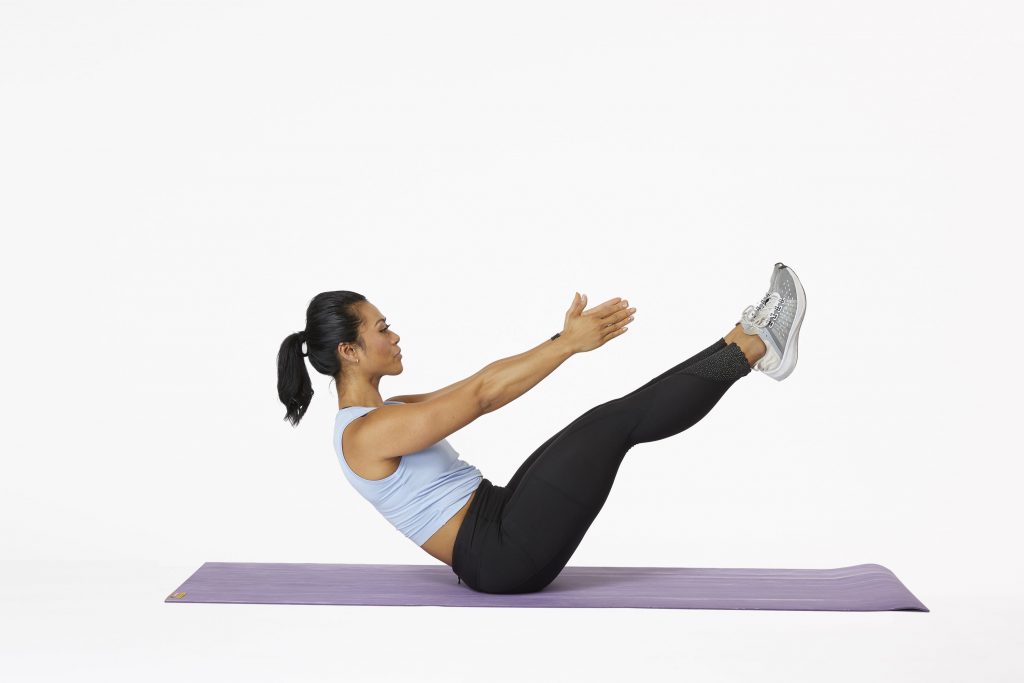
- Sit on floor facing your partner, legs parallel to each other.
- Bring knees to chest, then extend back out to the opposite side of your partner.
- Return knees to chest and rotate sides for each extension.
- Do 4 one-minute sets with 30-second rests in between.
4) Sit-up with a clap
Tone your tummy while high-fiving your partner on their hard work with this duo-fueled take on a core-building classic.
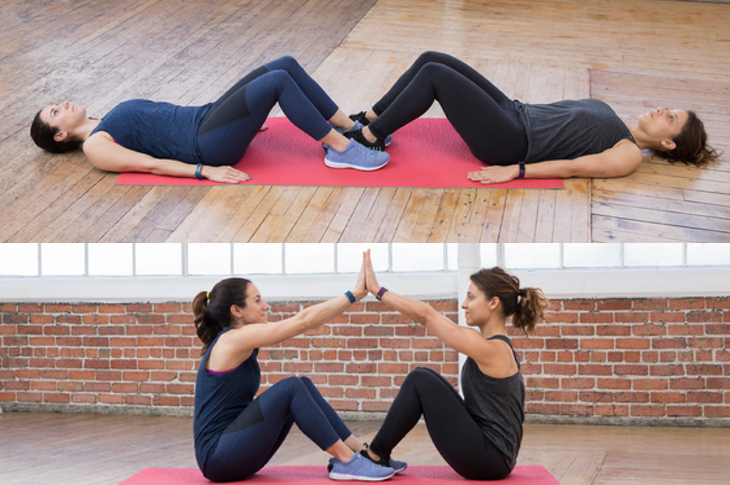
- Lay on the floor with your knees bent and feet pressed into the ground.
- Have your partner lie down facing you. Interlace their feet with yours.
- Squeeze your abs and reach your arms up, clapping hands with your partner as you reach the top of the movement. When contracting, squeeze your feet alongside your partner’s to prevent them from lifting as you sit up.
- Lower yourself back down in a slow-and-controlled motion. Aim for 10 reps.
5) Partner Bicycle Crunches
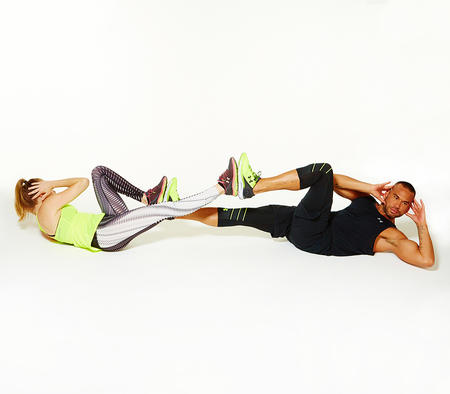
- Lie faceup on floor, feet to feet with your partner.
- Perform bicycle crunches, pressing into the feet of your partner.
- Do 4 one-minute sets with 30-second rests in between.
After you’re done with these workouts, don’t forget to celebrate with your partner —both you’ve earned it!