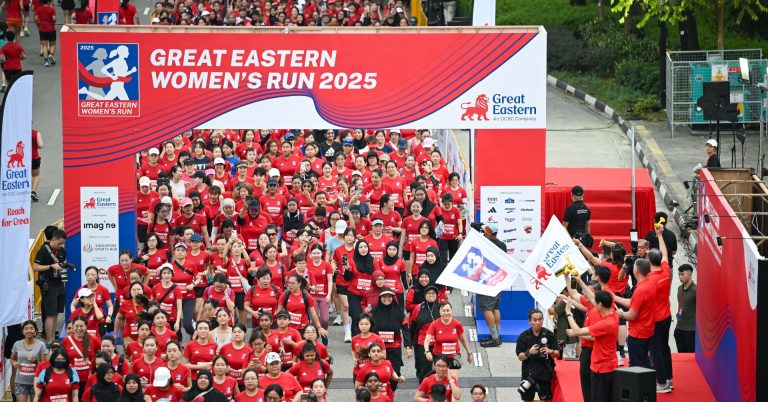
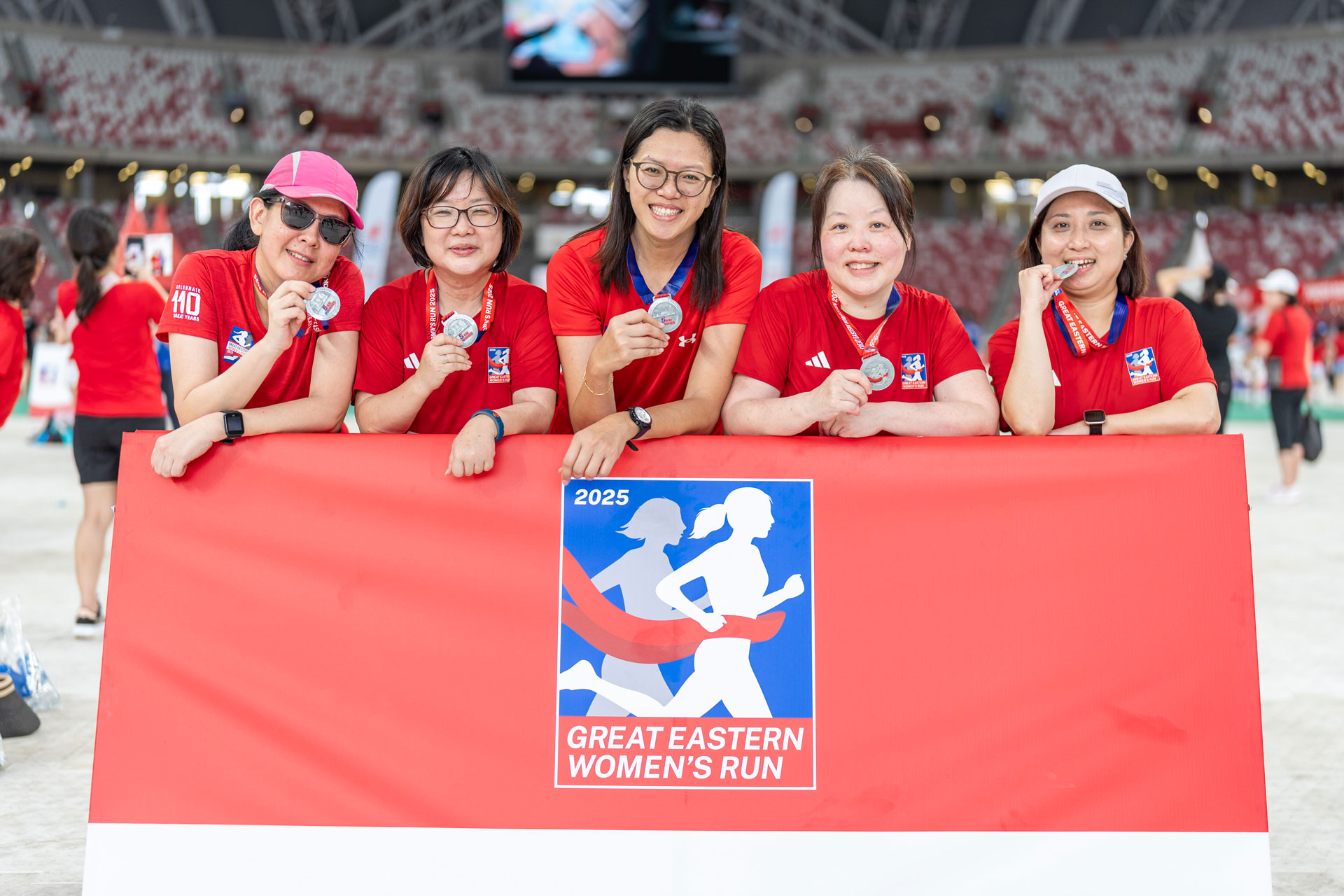
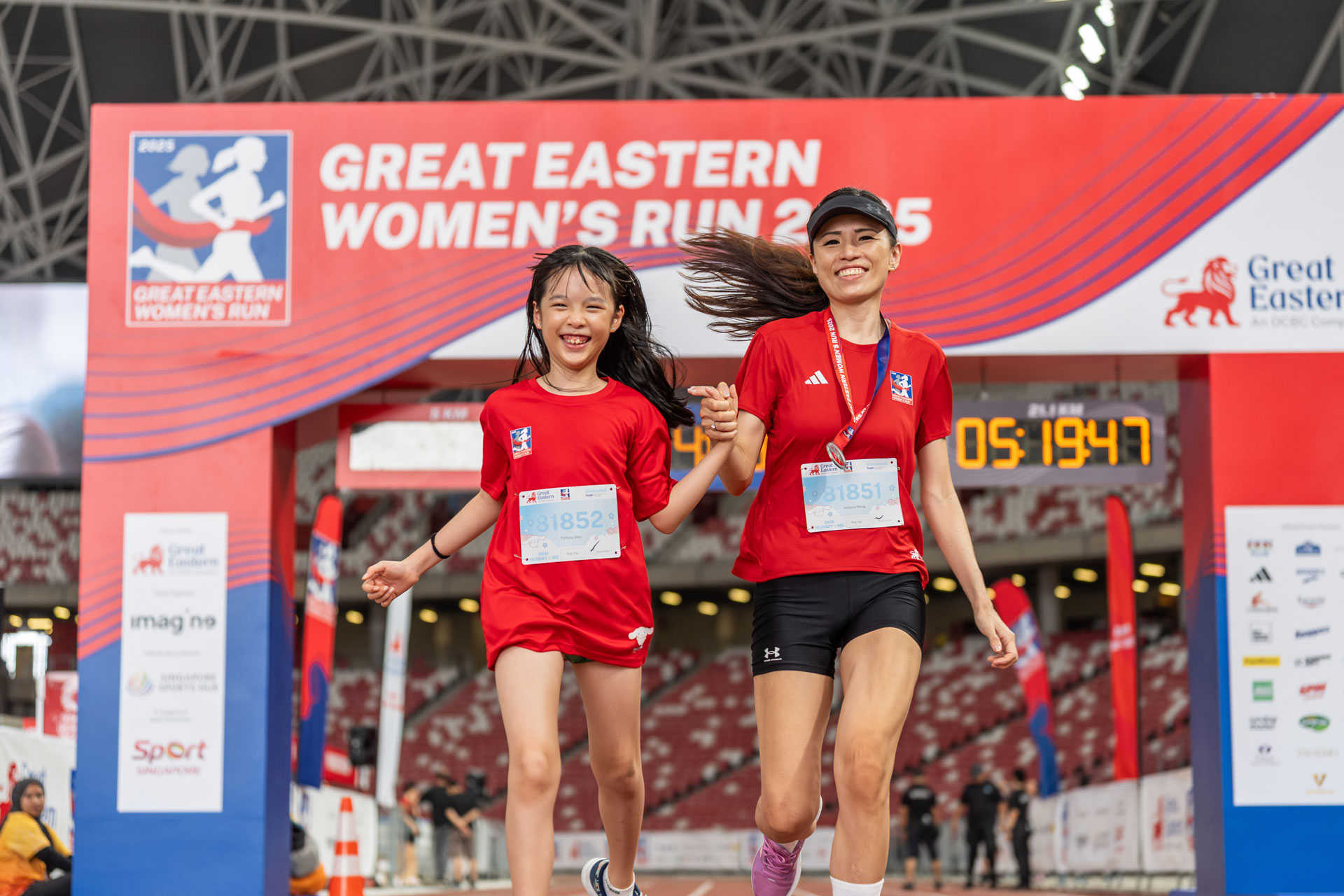
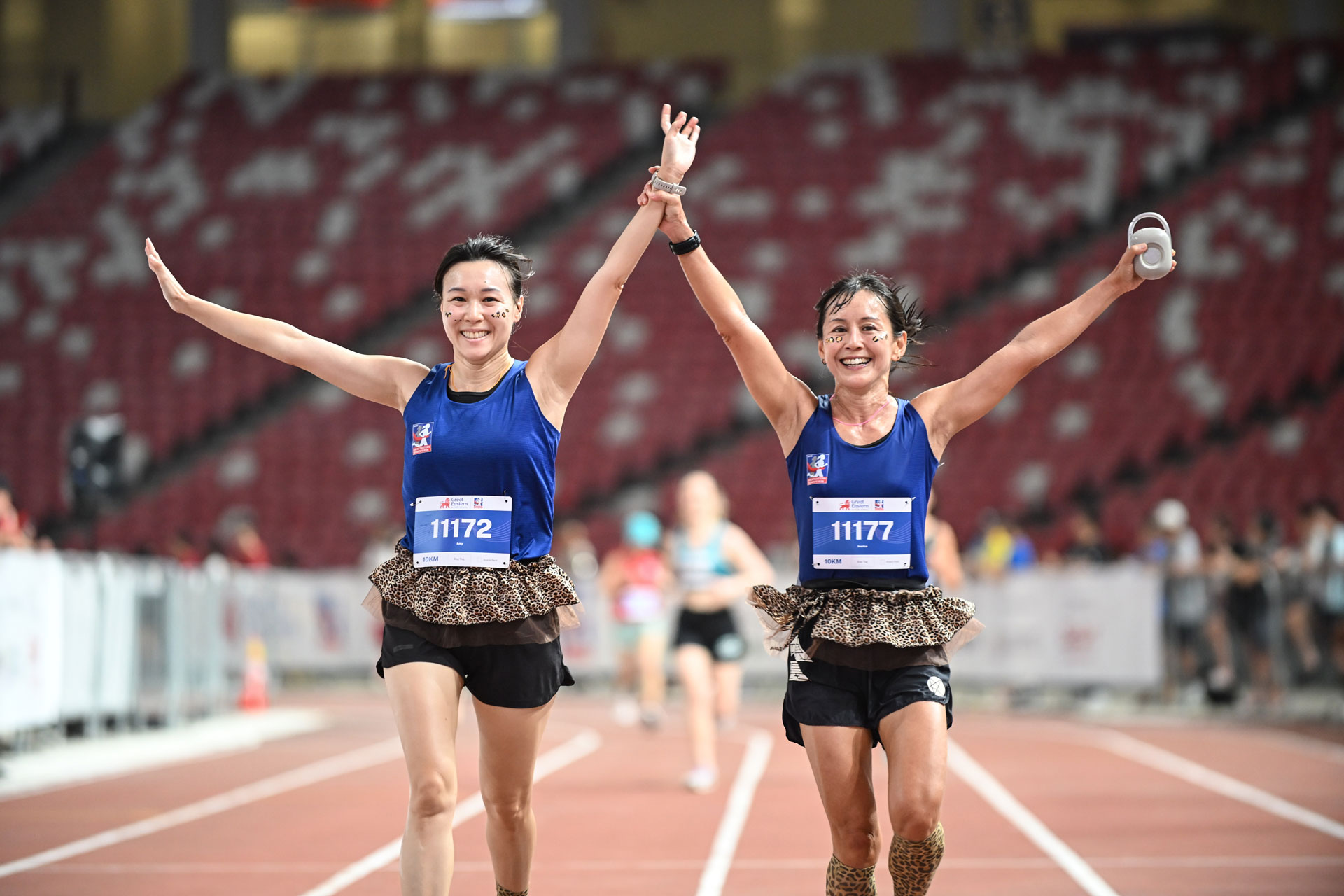
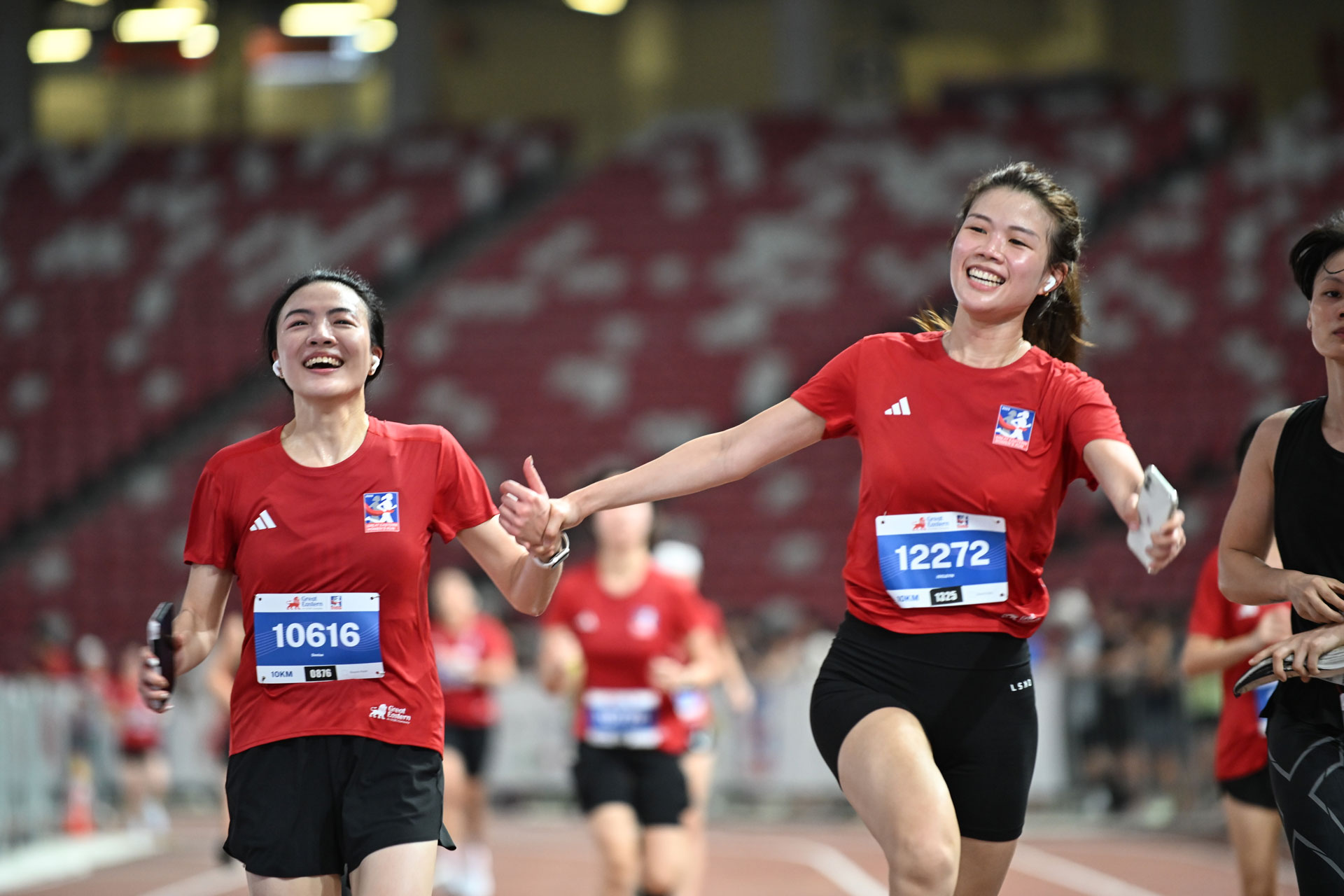
Singapore, 9 November 2025 – The Great Eastern Women’s Run (GEWR) returned to the Singapore Sports Hub this morning for its 19th edition, celebrating female strength, resilience and community. More than 12,000 women took part in this year’s event, coming together in a shared spirit of solidarity and sisterhood.
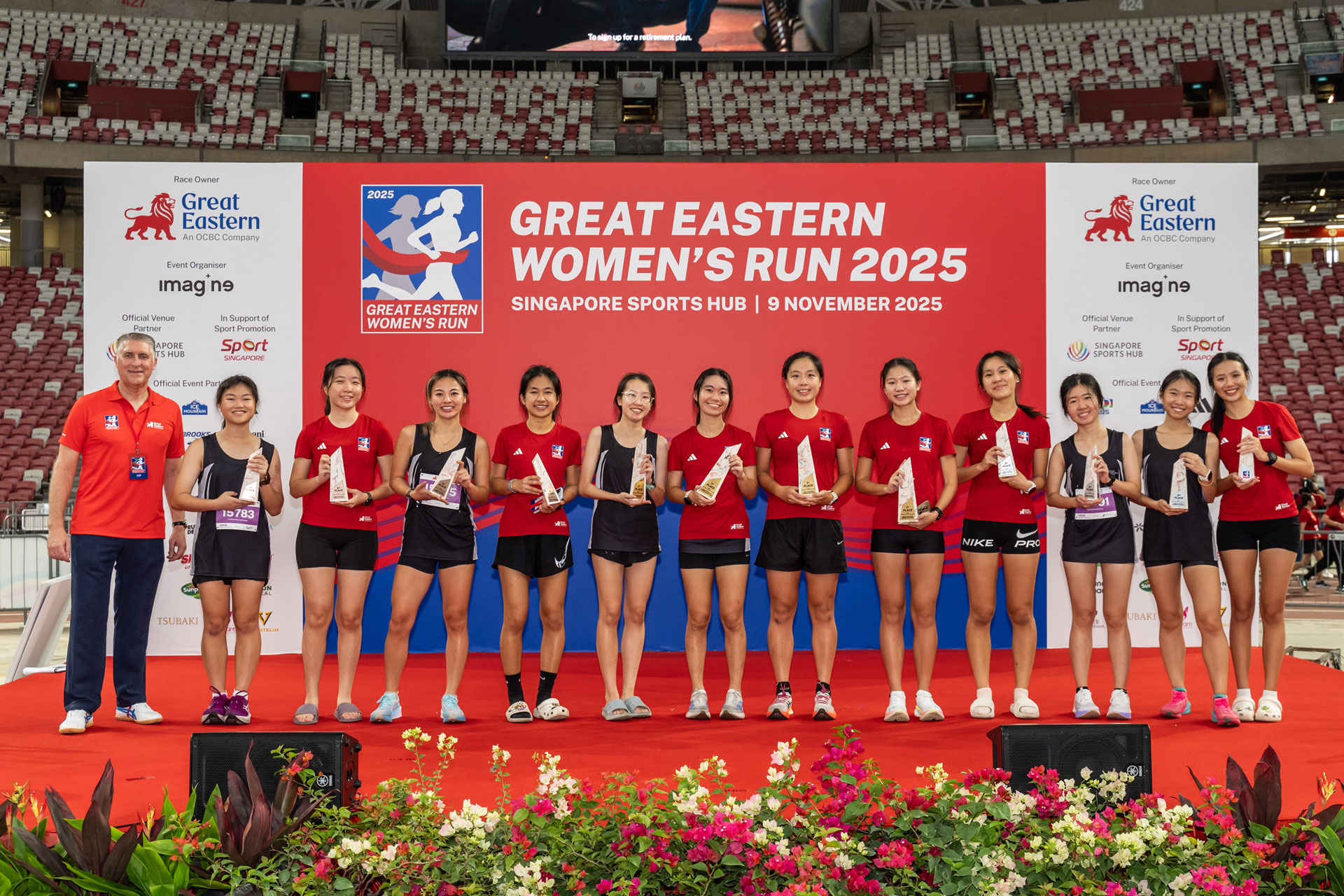
Winners of the inaugural 10km tertiary category with Greg Hingston, Group Chief Executive Officer, Great Eastern
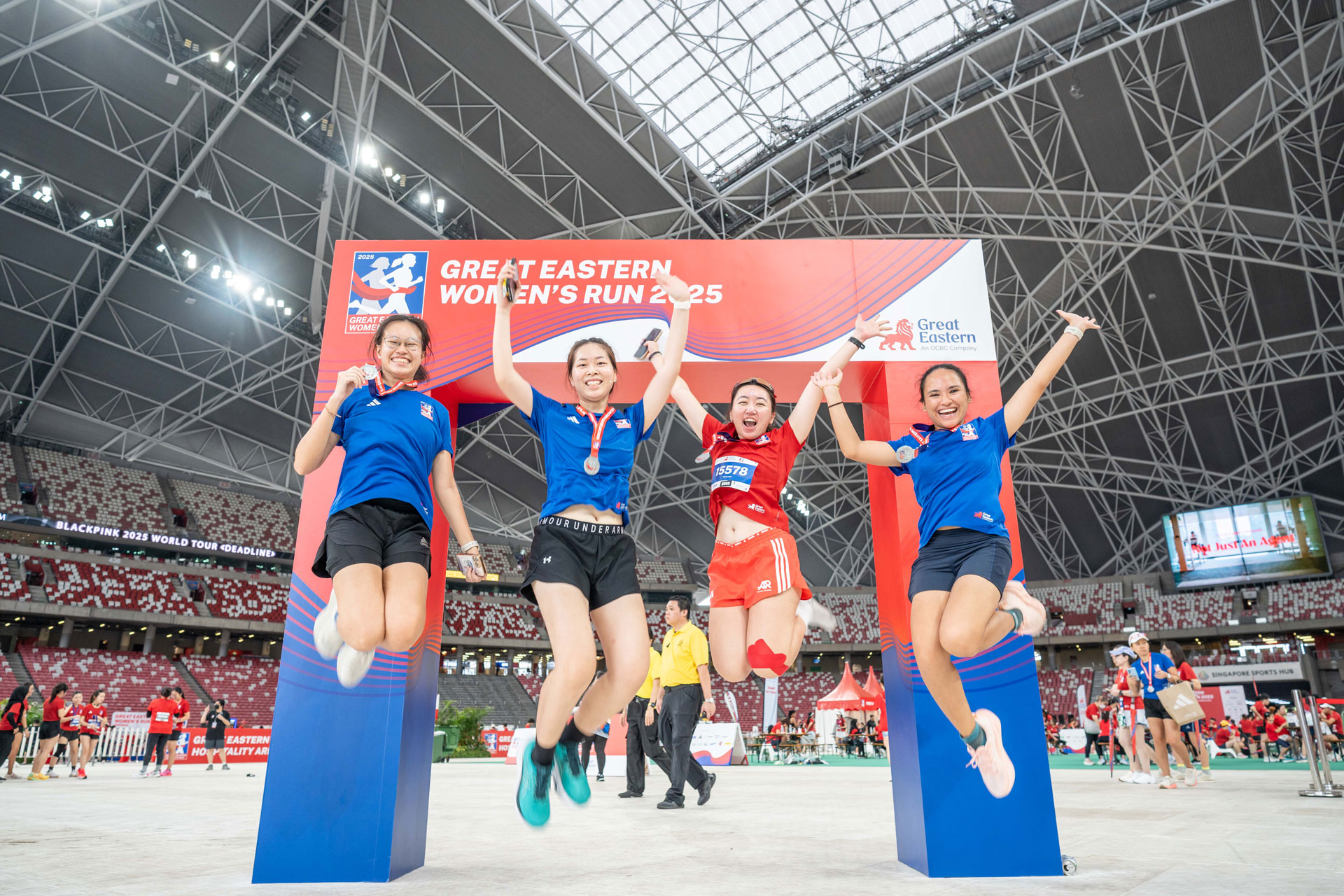
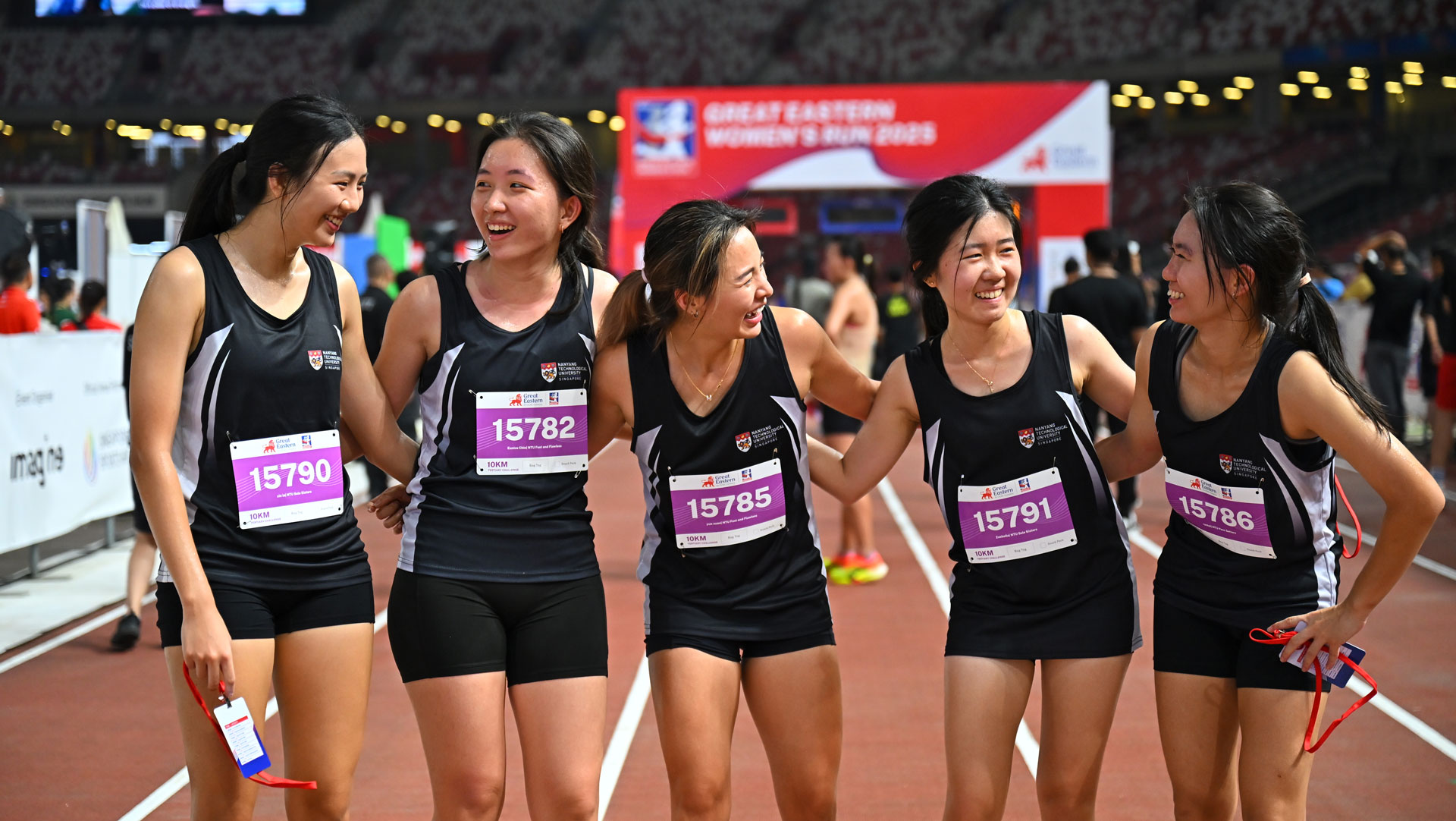
A new competitive 10km tertiary category made its debut this year, created to nurture and showcase emerging female running talent in Singapore. Eleven teams from five educational institutions participated, with Nanyang Technological University (NTU) delivering a standout performance. Team Pace Setters from NTU took first place with a combined fastest timing of 02:50:35 by all four members. Team Sole Sisters from NTU and Team Fast and Flawless from NTU finished second and third with timings of 03:18:05 and 03:22:05 respectively.
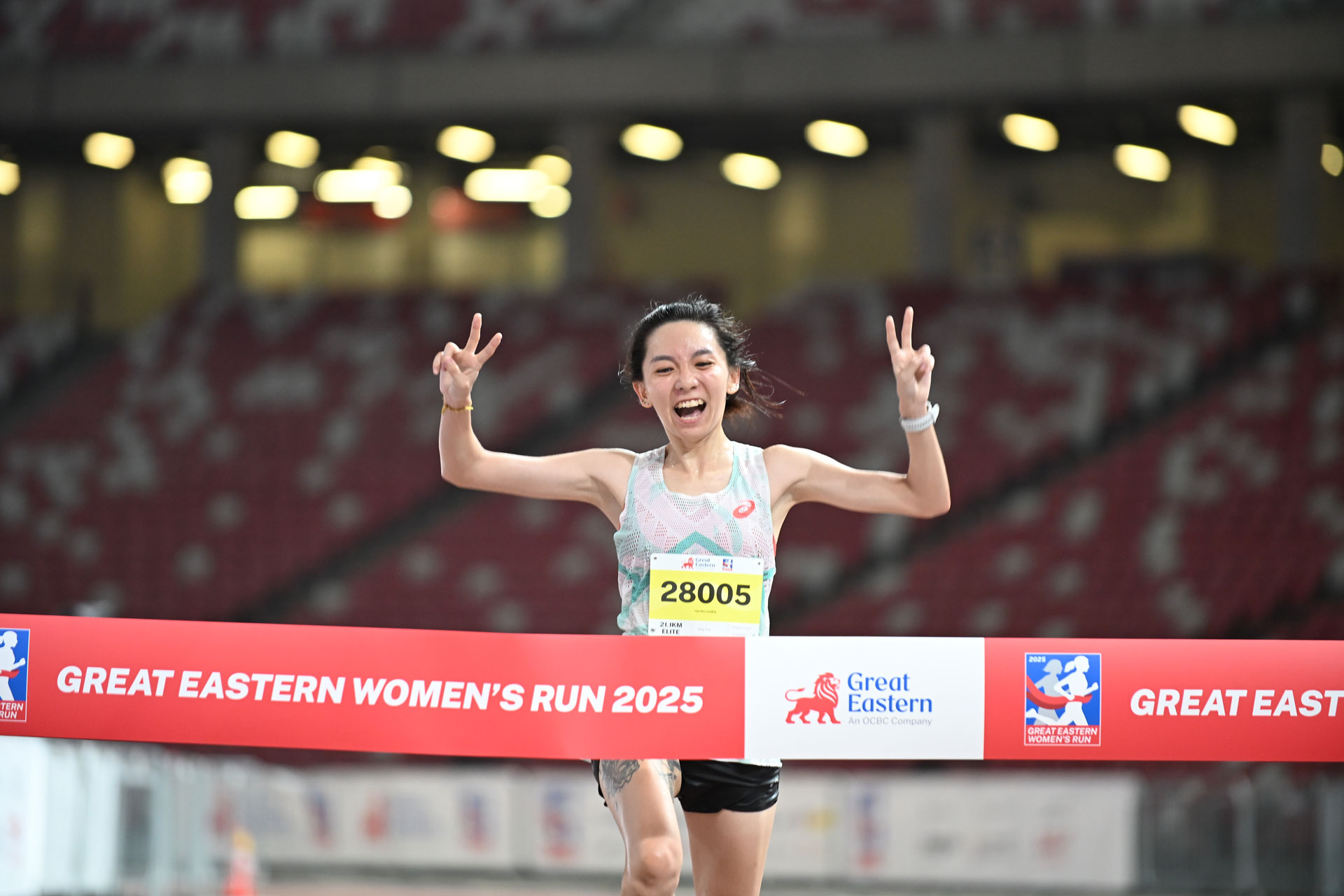
Winner of the by-invite-only 21.1km category for elite runners, Goh Shing Ling
The by-invite-only Elite 21.1km half marathon saw the return of previous years’ participants as well as new faces. Last year’s runner-up Goh Shing Ling claimed the top spot this year, finishing with a time of 01:22:10. She was joined on the podium by Rachel See, who came in second place with a time of 01:23:20, and Jasmine Teo in third place with a timing of 01:25:21.
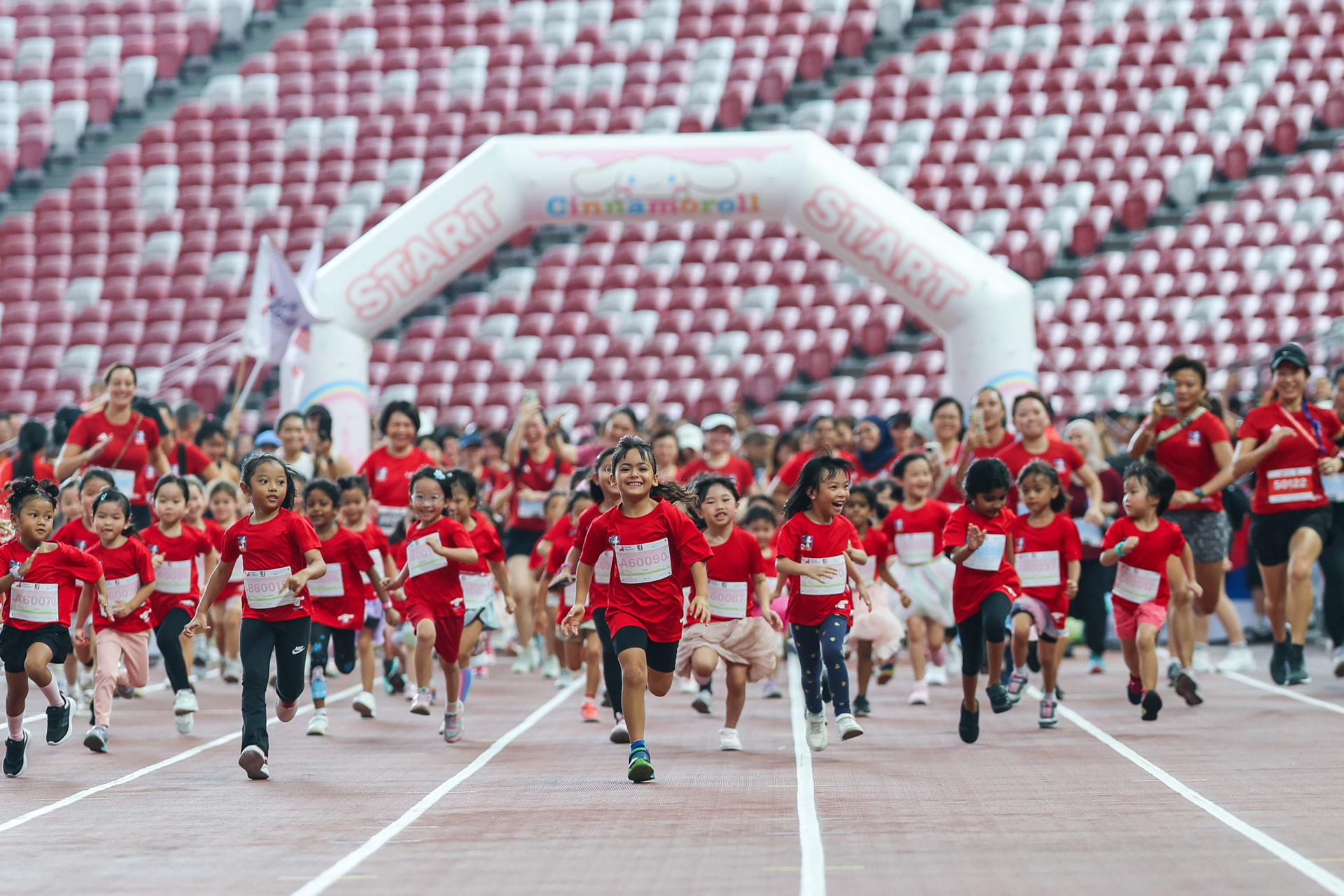
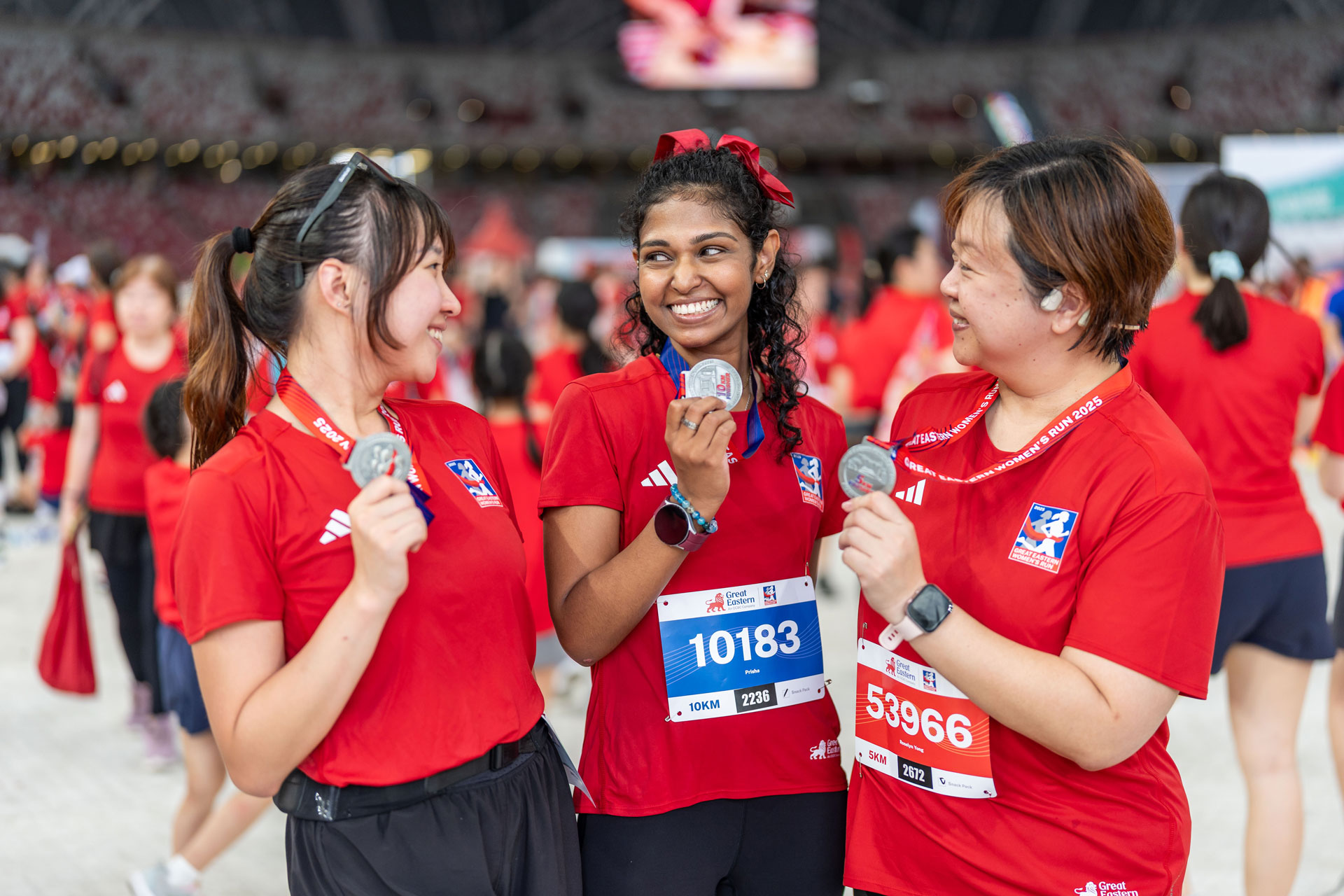
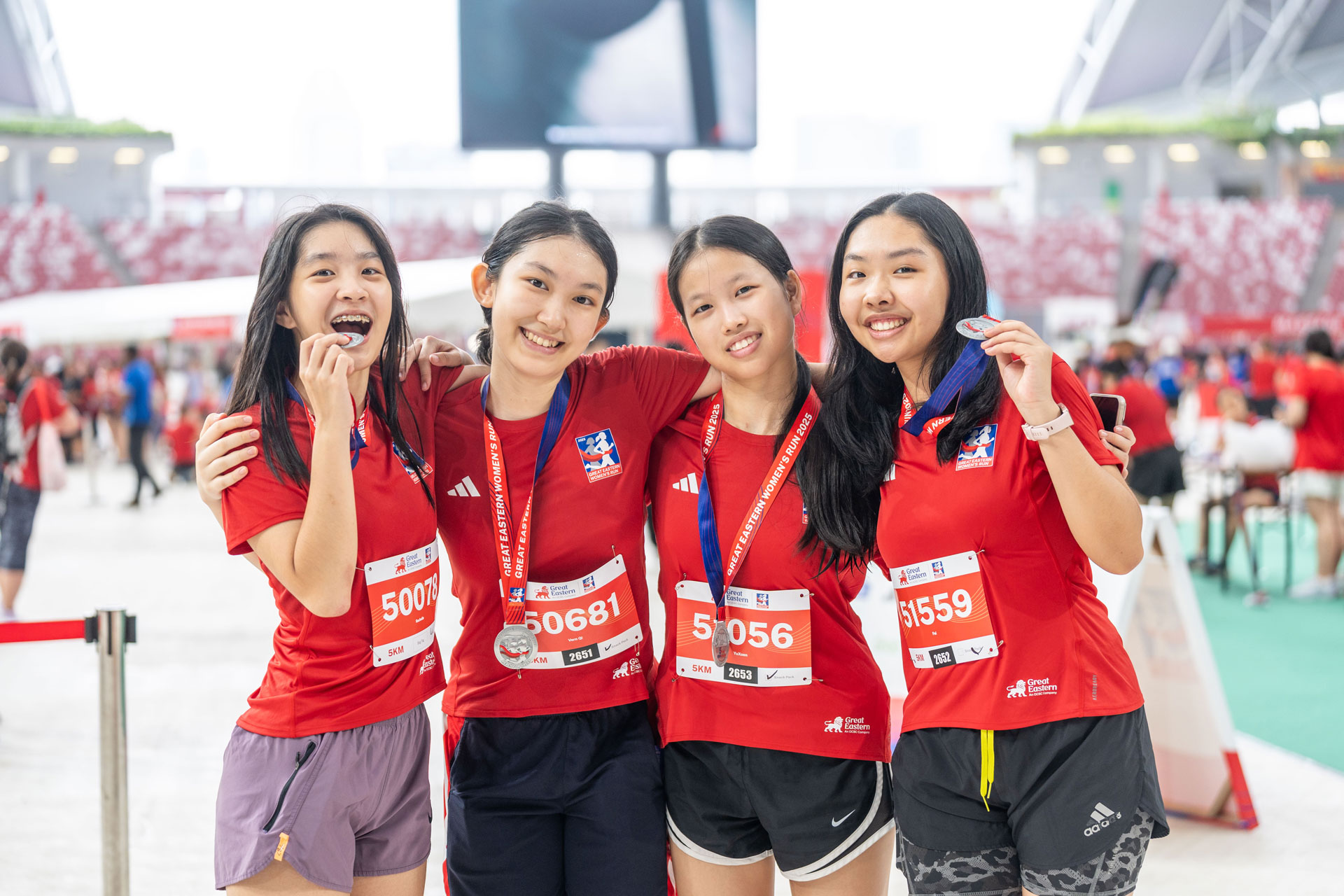
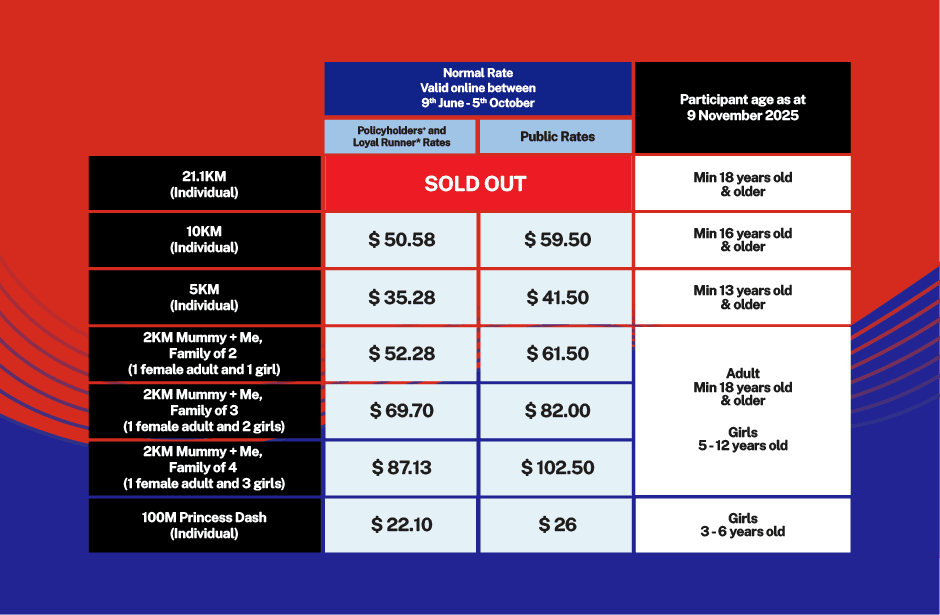
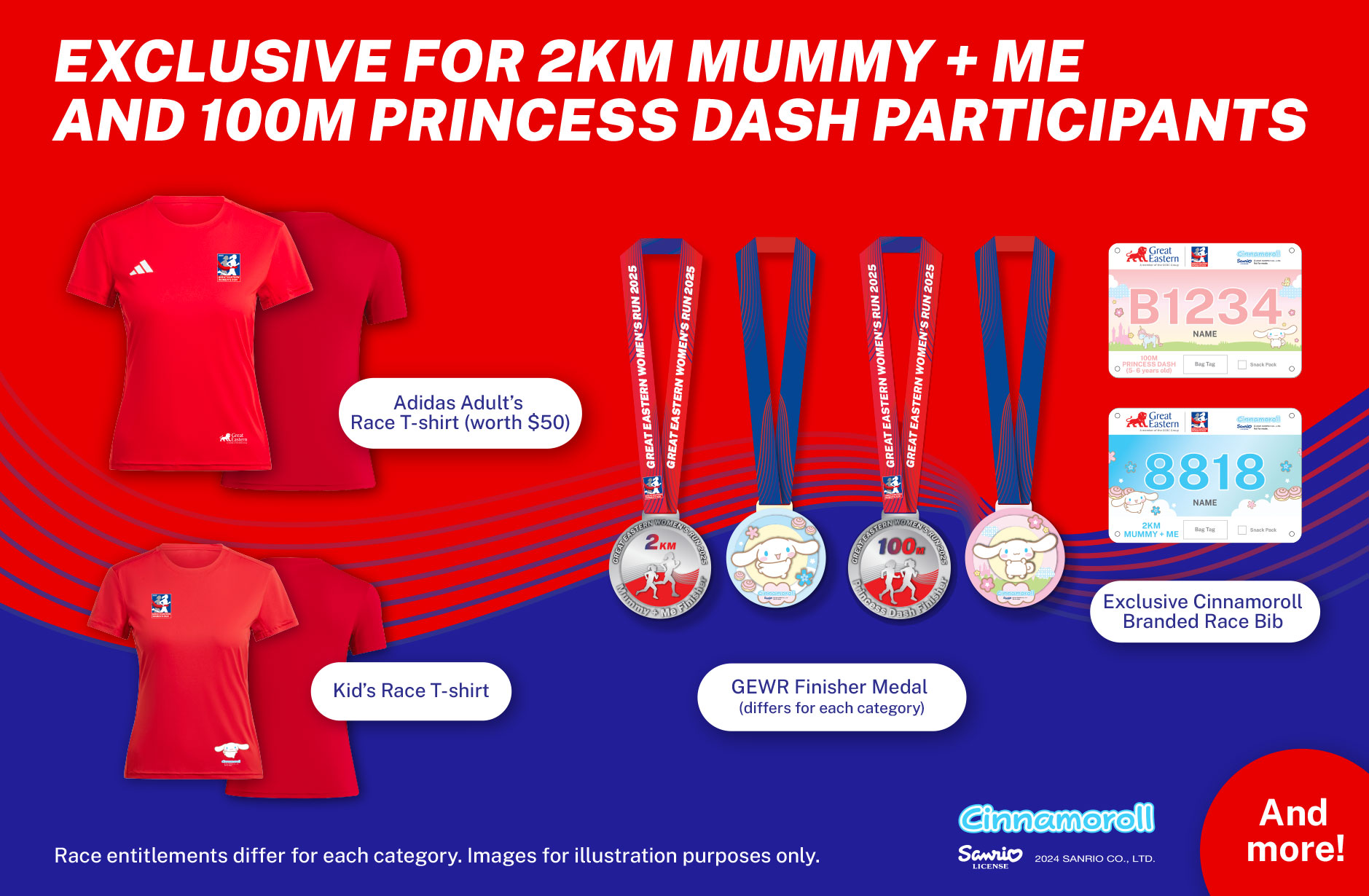
GEWR was fully subscribed this year and sold out by early August, two months ahead of race day. Across every category – including the 21.1km, 10km and 5km runs, the 2km ‘Mummy and Me’ for mothers and daughters aged 5 to 12, and the 100m ‘Princess Dash’ for girls aged 3 to 6 – runners united in a spirit of camaraderie and empowerment as they crossed the finishing line together.
Guest-of-Honour David Neo, Acting Minister for Culture, Community and Youth & Senior Minister of State for Education flagged off the 5km race with Greg Hingston, Great Eastern’s Group Chief Executive Officer.
Neo said, “The Great Eastern Women’s Run brings together women from all walks of life in a celebration of fitness, health and friendship. This demonstrates how sports can build one’s character and also build connections. The support from corporate partners, like Great Eastern, goes a long way in providing opportunities for the wider community to participate in sports.”
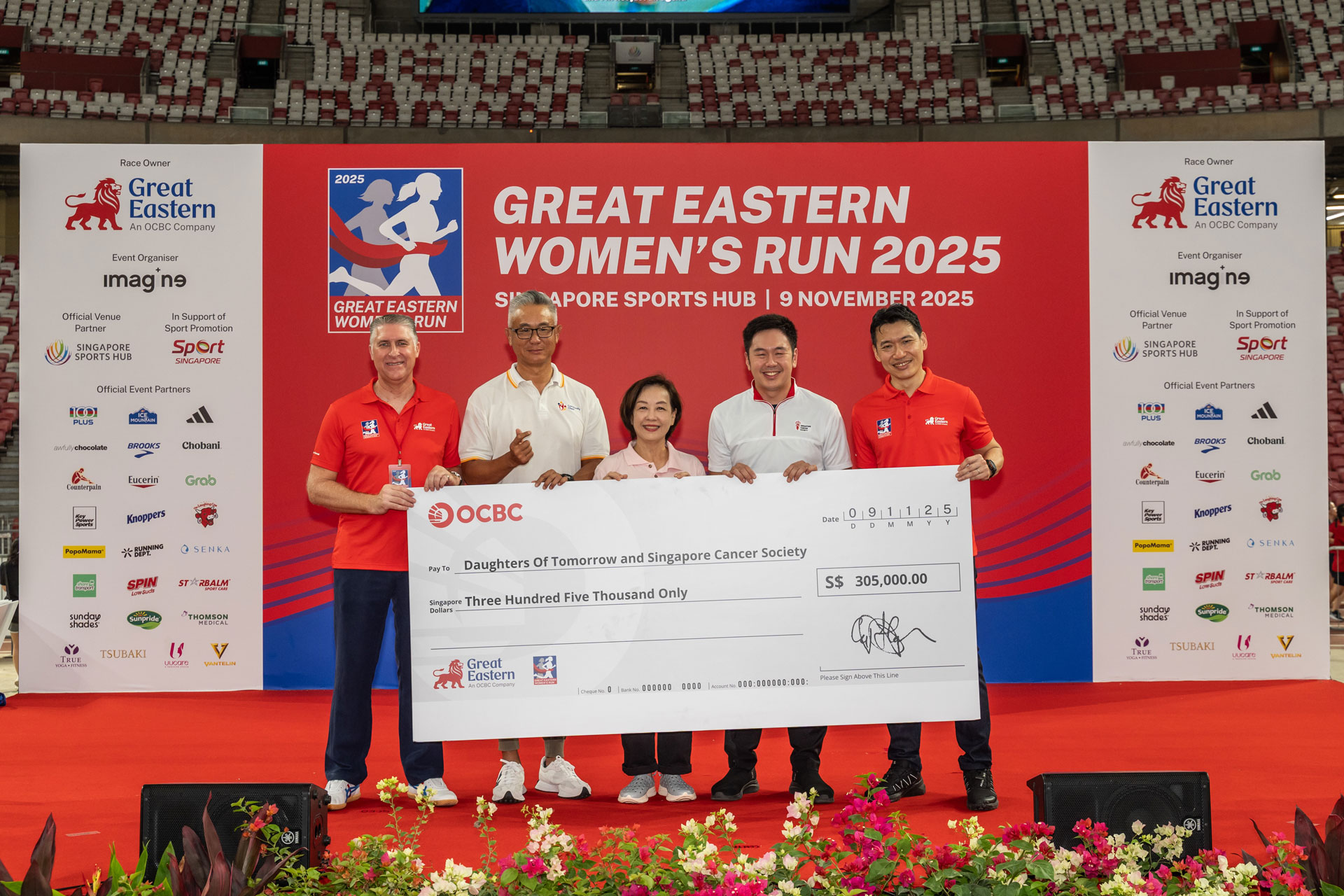
Great Eastern raised $305,000 for two beneficiaries: Daughters Of Tomorrow and Singapore Cancer Society
As part of its long-standing Great Eastern Cares initiative, the company, together with its employees, financial representatives and corporate partners, raised $305,000 this year through the run. The proceeds will go towards DOT’s employability programmes for women and the SCS’s initiatives to support cancer survivors in their recovery journeys.
Building on this year’s expanded focus on youth participation, Greg Hingston, Group Chief Executive Officer, Great Eastern, said, “The Great Eastern Women’s Run continues to inspire generations of women to live healthier and more confident lives. More than a race, it embodies our enduring commitment to empower women in Singapore – to uplift, support and celebrate them at every stage of life. Our long-term partnerships with Daughters of Tomorrow and the Singapore Cancer Society reflect that purpose in action. The $305,000 raised this year will directly support women in rebuilding their confidence, re-entering the workforce, and regaining their health after recovery.”
“The new tertiary category marks another meaningful step forward – building a bridge for young female athletes to pursue their passion and Reach for Great, while fostering connection and community through sports. Together with our partners and employees, we are proud to see how the run continues to grow in purpose and impact each year,” Hingston continued.
Ng Kai Yi from the winning team, NTU Pace Setters added, “Winning the tertiary category with my team was really special, especially since it marked the very first time GEWR introduced this category. What made the experience even more memorable was seeing women of all ages come together, all sharing the same passion and energy for the race. The atmosphere was incredibly uplifting and reminded me of how running has this unique way of connecting people!”
Participants were treated to a line-up of activities in the Race Village after completing their runs. They refuelled with complimentary food and drinks, captured memories at the Instagrammable photo walls, and enjoyed post-race pampering in powder rooms and massage zones. Families and little ones joined in the fun at the candy cannon, inflatable obstacle course and with craft activities, rounding off the morning with laughter and celebration.
Dehydration can sneak up on you—especially when you’re exercising, spending time under the sun, or rushing between work and errands. Your energy drops, your focus falters, and even your digestion can feel off. The good news? You don’t need fancy formulas or magic tablets. Rehydration is as much about smart food and drink choices as it is about water. The faster you replenish both fluids and electrolytes, the quicker your body bounces back.
In this article, we’ll explore practical, research-backed methods to rehydrate effectively—whether after a workout, during a busy day, or when you’ve been too swamped to sip regularly.
Why Hydration Isn’t Just About Water
Yes, water is essential. But when you sweat, breathe, or even digest food, you lose electrolytes like sodium, potassium, magnesium, and chloride. These minerals regulate fluid balance, nerve function, and muscle performance. Drinking plain water alone may restore fluid volume—but without electrolytes, your body can struggle to hold onto that fluid, especially in hot or intense conditions.
Thus, the fastest rehydration methods combine fluid volume and electrolyte replacement. For example, it is recommended to include foods and drinks that naturally carry water, plus these key minerals.
Top Foods for Rapid Rehydration
Here are smart food choices that help you rehydrate more effectively:
High-water vegetables: Cucumber and lettuce are about 96% water; zucchini and summer squash are also over 90% water. These fresh veggies help hydrate while adding minerals.
Celery and watery greens: Celery clocks in at ~95% water, making it a crunchy, hydrating snack.
Fruits & vegetables with fluid content: Watermelon, oranges, and tomatoes are also good for hydration support.
In short: eating water-rich, mineral-containing foods is one of the fastest and gentlest ways to restore balance.
Smart Beverage Strategies
Here are beverages and drink habits to rehydrate efficiently:
Electrolyte-enhanced drinks/sports drinks: For workouts or heavy sweat days, a well-balanced sports drink helps replenish sodium, potassium, and fluid together. For efforts under an hour at moderate intensity, plain water is sufficient—but beyond that, electrolytes become more important.
Coconut water: It offers natural electrolytes like potassium and magnesium. Coconut water can be consumed (even freezing it into ice cubes) to boost hydration.
Avoid over-dilution: If your drink has too little salt or too much water, your body may flush it quickly without absorbing enough electrolytes.
Timing & Practical Tips
Sip early and often: Don’t wait until you’re parched. Start hydrating before, during, and after activity.
Rehydrate post-exertion: After long runs or sweaty workouts, prioritise fluids with electrolytes rather than plain water alone.
Monitor urine colour: A pale yellow hue suggests good hydration; darker tones may indicate you need more fluids.
Infuse flavour for motivation: Lemon, mint, berries, or cucumber slices make water more appealing and encourage you to drink more.
Smaller, frequent doses: Instead of gulping large volumes, sipping regularly helps your body absorb fluid better and avoids stomach discomfort.
When Water Isn’t Enough (and What to Watch Out For)
Severe dehydration or illness: If symptoms like extreme dizziness, confusion, very dark urine, or fainting occur, medical attention is needed. Over-the-counter solutions might not suffice.
Avoid excessive sugar or alcohol: Sports drinks with high sugar content or alcoholic beverages can worsen dehydration or slow absorption.
Personal needs vary: Age, climate, exercise intensity, and health conditions all influence how much fluid and electrolytes you need.
Conclusion & Quick Takeaway
Rehydration isn’t just about gulping a bottle of water—it’s about combining fluids with the right electrolytes and doing it smartly. Water + mineral support + hydrating foods make for the fastest recovery.
If you’ve just finished a sweaty session or felt parched mid-day, reach first for a drink that offers sodium and potassium—not just plain water. Pair it with a slice of cucumber or celery, sip gradually, and let your body absorb and restore.
A balanced life isn’t only about how many hours you spend at the gym or how clean you eat. It’s about something much deeper — nurturing your relationships, taking care of your emotional health, and knowing when to pause and enjoy life’s little pleasures.
Yes, we all know the importance of exercise and nutrition. But there’s also something wonderfully healthy about laughing until your stomach hurts, indulging in a slice of pizza with your best friends, or taking a spontaneous day off from routine.
And as summer rolls in with its longer days and buzzing social calendars, it’s the perfect time to lean into being fully present. Because connection, joy, and balance are just as vital to your overall well-being as that next workout or green smoothie.
So, if your calendar’s starting to look a little packed — don’t worry. Here are five simple ways to stay grounded, balanced, and truly in the moment.
1. Disconnect to Reconnect
Let’s be honest — it’s hard to be fully present when your phone won’t stop buzzing. Between group chats, social notifications, and endless scrolling, we’re constantly connected, but not always engaged.
Try setting your phone aside for a while — even just an hour or two. Go on a mini digital detox, or simply hit “Do Not Disturb” when catching up with friends. You’ll be amazed how much more meaningful your conversations feel when your full attention is right there in the moment.
2. Move Together
Movement doesn’t have to be a solo act. In fact, some of the best workouts happen when you’re sharing them with others.
Whether it’s a sunrise walk, a casual game of tennis, or a friendly gym session, moving with friends gives you a double dose of endorphins — one from the exercise, and another from the laughter and connection.
So, the next time you’re meeting up with someone, suggest doing something active together. You’ll leave feeling lighter, happier, and more connected — both physically and emotionally.
3. Keep Healthy Snacks Handy
We’ve all been there — out running errands or on a road trip when hunger suddenly hits, and our good mood vanishes. Keeping a few healthy snacks on hand can be a game changer.
Pack something easy and energizing like nuts, granola bars, or fruit. Look for a mix of protein, healthy fats, and fiber to keep you fueled and focused. That way, you’ll have the energy to be cheerful and present — instead of fighting off the “hanger.”
4. Don’t Forget to Hydrate
Water might not be the most exciting drink, but it’s your body’s best friend. With around 60% of our body made up of water, staying hydrated is key to clear thinking, good energy, and even a steady mood.
If plain water feels boring, jazz it up with lemon slices, mint leaves, or a few berries. Carry a big bottle with you throughout the day, and sip often. Bonus tip: foods like watermelon, oranges, and cucumbers also help you stay hydrated.
Think of hydration as the quiet hero of good health — simple, but powerful.
5. Practice Daily Gratitude
A grateful mindset can transform your outlook and emotional health. Studies in positive psychology show that gratitude is strongly linked to happiness, resilience, and better relationships.
Each day, take a minute to note three things you’re thankful for — whether it’s a good meal, time with a friend, or a moment of peace. This small habit helps shift your focus toward positivity, reduces stress, and makes it easier to appreciate the present moment.
Finding Balance in the Everyday
At the end of the day, balance isn’t about having a perfect routine — it’s about blending movement, mindfulness, connection, and joy into your everyday life.
Go for that workout, but don’t skip the ice cream date. Drink your water, but also toast to good company. Laugh, move, rest, and repeat.
Because living a balanced life isn’t about doing it all — it’s about being fully there for the moments that matter most.
SINGAPORE, 8 October 2025 – The countdown to the Standard Chartered Singapore Marathon™ (SCSM) 2025, which will be held from 6-7 December, has begun with the launch of this year’s race routes. From the start at the F1 Pit Building to the finish at the historic Padang, the routes will offer a multitude of moving postcards of the Lion City, taking runners through a blend of heritage architecture, panoramic waterfronts, lush gardens, and vibrant city streets.
With more than 45,000 runners, including more than 11,400 international participants, already registered for SCSM 2025, anticipation is building for what promises to be an exhilarating and unforgettable weekend. This year’s routes have been carefully redesigned, removing challenging elevation points such as West Coast Highway and Sheares Avenue. The result is a flatter, faster course, ideal for those chasing personal bests. Whether they are seasoned marathoners, or tackling a new distance, runners will appreciate this change.
For the first time, this year’s SCSM will see the Half Marathon and Marathon held on separate days. Additionally, the Kids Dash, formerly held on Friday evenings, will move to Saturday morning, joining the main race weekend and allowing families to share in the race-day excitement together.
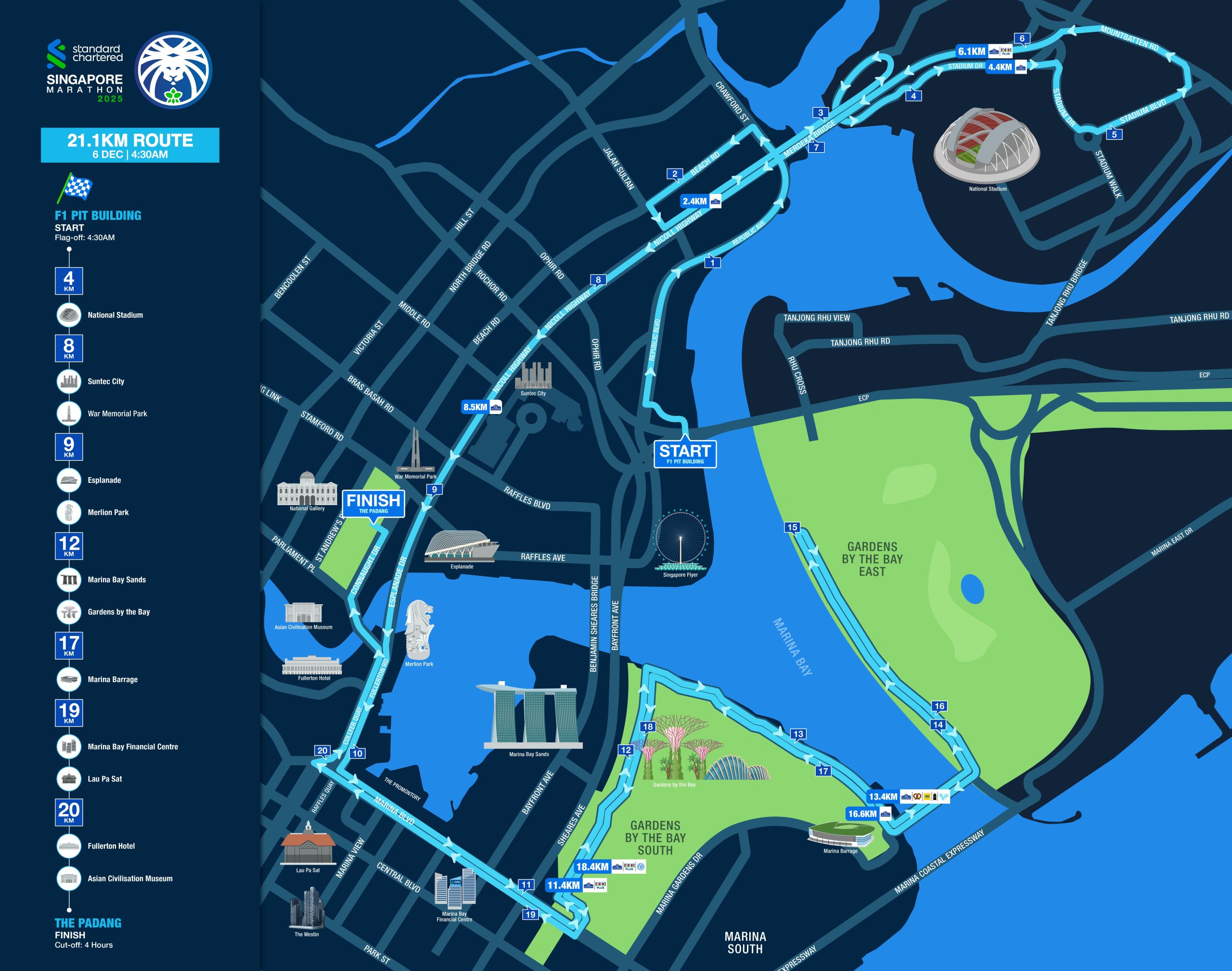
Runners in the Half Marathon will begin their race from 4:30a.m. A blend of waterfront beauty and city energy, the Half Marathon begins at the F1 Pit Building and heads towards the National Stadium before swinging back into the city past Suntec City and the Esplanade. They will then cross Esplanade Bridge, pass One Fullerton (Merlion Park), the Promontory and weaving through Gardens by the Bay South.
Runners will then cross the Marina Barrage which will provide sweeping views of the city skyline and the open sea before a turnaround along Gardens by the Bay East’s Skyline Promenade. The return leg takes runners back over the Barrage, through the Gardens By The Bay, past Fullerton Hotel, and Singapore Cricket Club (SCC), ending at the Padang.
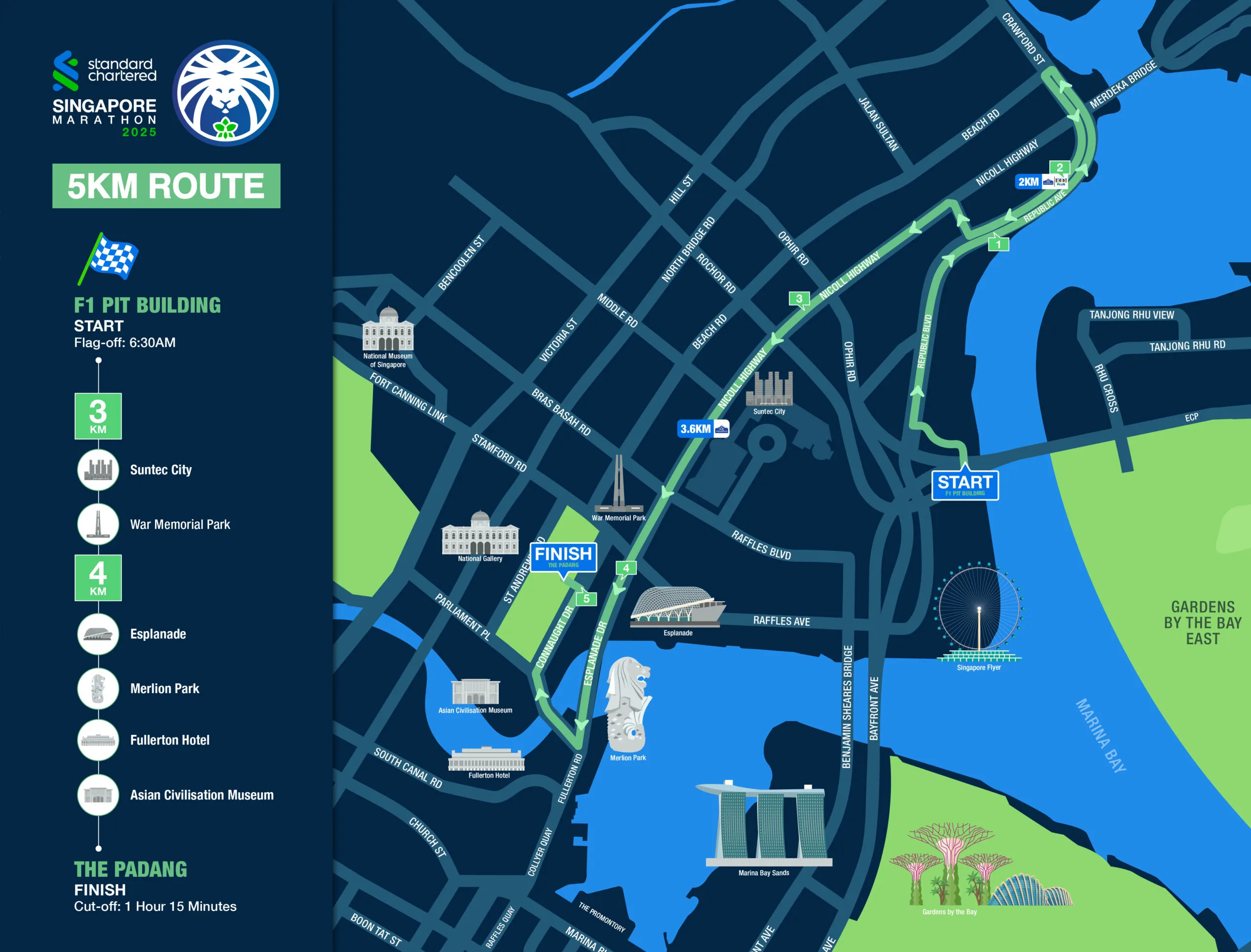
Runners participating in the 5km category will flag off at 6:30 a.m. and get to experience a course that is perfect for a fast, scenic dash. They will start at the F1 Pit Building and run past Suntec City, the Esplanade, and One Fullerton before crossing Anderson Bridge. The final kilometre features Victoria Theatre, and SCC, ending with a finish at the Padang.
The Kids Dash race will kick off at 9:00 a.m. Starting at Esplanade Drive and finishing at the Connaught Drive, participants in each age category will experience the thrill of a race-day crowd while taking on a distance tailored just for them with an 800-metre dash for all.
Categories
Race kick-off time
Pen A (0-3 years)
9:00 a.m.
Pen B (4-6 years)
9:30 a.m.
Pen C (7-9 years)
10:00 a.m.
Pen D (10-12 years)
10:30 a.m.
With parents and supporters cheering them on, it will be a morning filled with fun, achievement, and family pride.
Sunday, 7 December
The Marathon and Ekiden categories will flag off from 4:30 a.m.
The Marathon is a grand tour of Singapore, starting at the F1 Pit Building before heading down Republic Avenue toward the National Stadium, where runners loop around the Singapore Sports Hub. The course then passes Suntec City and the distinctive spiked domes of the Esplanade, crossing Esplanade Bridge to One Fullerton (Merlion Park). From there, participants enter the Marina Bay district, passing the Promontory and Marina Bay Financial Centre before immersing themselves in the lush greenery of Gardens by the Bay.
The route continues over the Marina Barrage into Gardens by the Bay East, then along the East Coast Park stretch to Laguna Flyover, offering long, scenic coastal views. Runners retrace their steps back to the city, crossing the Barrage once more, passing Fullerton Hotel, Victoria Theatre, the SCC, before making their final push to the Padang.
The Marina East Drive is expected to be the warmest stretch of the course. To help runners beat the heat, additional hydration points with chilled drinks, a cooling zone, water-gun entertainment, and even an ice pop station will be available along this section.
The Ekiden race mirrors the Marathon’s course, offering teams a relay-style challenge through the inclusion of multiple changeover zones where teams can swap runners. The first changeover is at Bayfront Plaza, the second at ECP Carpark E1 and the third is at Marina Barrage.
Teams of four runners will take turns to complete sections of the course, as follows:
Runner
Changeover Zone
Distance to run*
Runner #1
–
11.5km
Runner #2
Bayfront Plaza
12.5km
Runner #3
ECP Carpark E1
8.3km
Runner #4
Marina Barrage
9.9km
Total
42.195km
*Distances are approximate estimations only
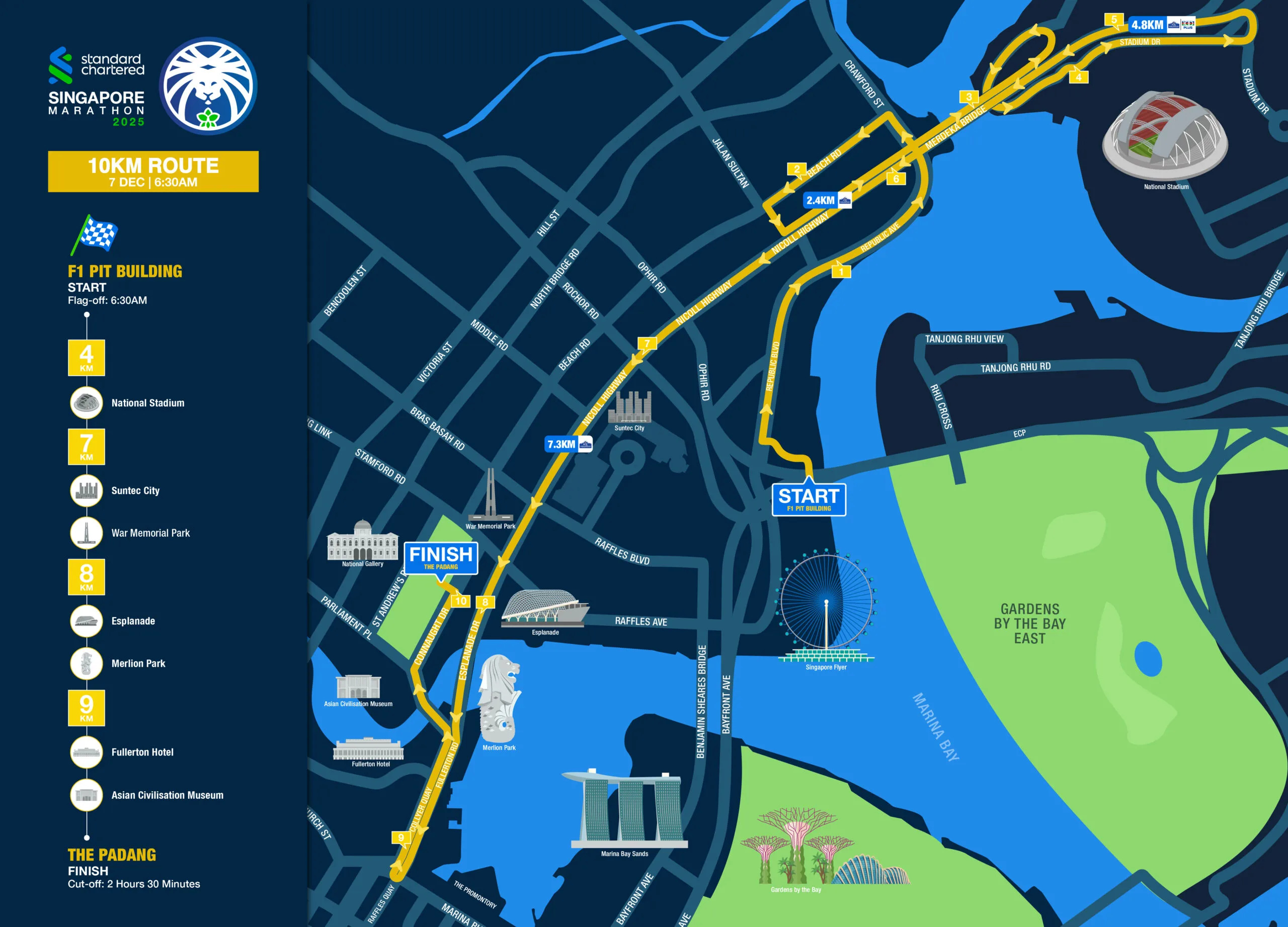
The 10km coursestarts at the F1 Pit Building with runners flagging from 6:30 a.m. onwards and heads towards the National Stadium, looping back past Suntec City and the Esplanade. Runners cross Anderson Bridge before passing Victoria Theatre, and SCC, ending with a finish at the Padang.
Mr Jeff Edwards, Managing Director of Asia for The IRONMAN Group, organisers of SCSM said, “Each route for this year’s Standard Chartered Singapore Marathon has been thoughtfully designed to highlight Singapore’s unique blend of heritage, urban vibrancy, and natural beauty. From the historic architecture of the National Gallery and Anderson Bridge to the lush greenery of Gardens by the Bay and the scenic coastline along East Coast Park, runners will experience a truly immersive journey through the heart of the city. It’s an incredible way for runners to connect with the city as they push toward their personal bests”
Mr Patrick Lee, CEO, Singapore and ASEAN, Standard Chartered, said, “We are immensely proud of our longstanding partnership with the Standard Chartered Singapore Marathon, now in its 24th year. The race not only showcases the beauty and spirit of Singapore but also embodies the values of determination and resilience. We believe that every runner’s journey through the iconic landmarks of Singapore will be a source of inspiration and pride. By creating meaningful experiences for our clients, colleagues, and the community, we look forward to supporting each participant as they strive to achieve their personal milestones.”
Marathon registration and 10-10 Promotion
Registrations opened on 16 April. Late pricing for the Marathon, Half Marathon, 10km, 5km, Ekiden race (team of 4 runners) and Kids Dash are $197, $175, $131, $99, $545 (per team of 4) and $44 respectively. Prices are inclusive of processing fee and GST. Standard Chartered cardholders will enjoy a 15% discount off registration fees.
On 10 October, SCSM will launch an exciting 10-10 promotion which will go live at midnight offering limited number of specially-priced slots.
From 10-12 October, a 3-day roadshow will take place at Jewel Changi, featuring early bird pricing for the 5K and 10K race categories, and a 25% discount on the Kids Dash with exclusive goodie bags for participants. Additionally, an online promotion will run for the same duration. General pricing will be offered for the 5K and 10K categories and the same 25% discount for the Kids Dash, providing an excellent opportunity for families and running enthusiasts to secure their race entries.
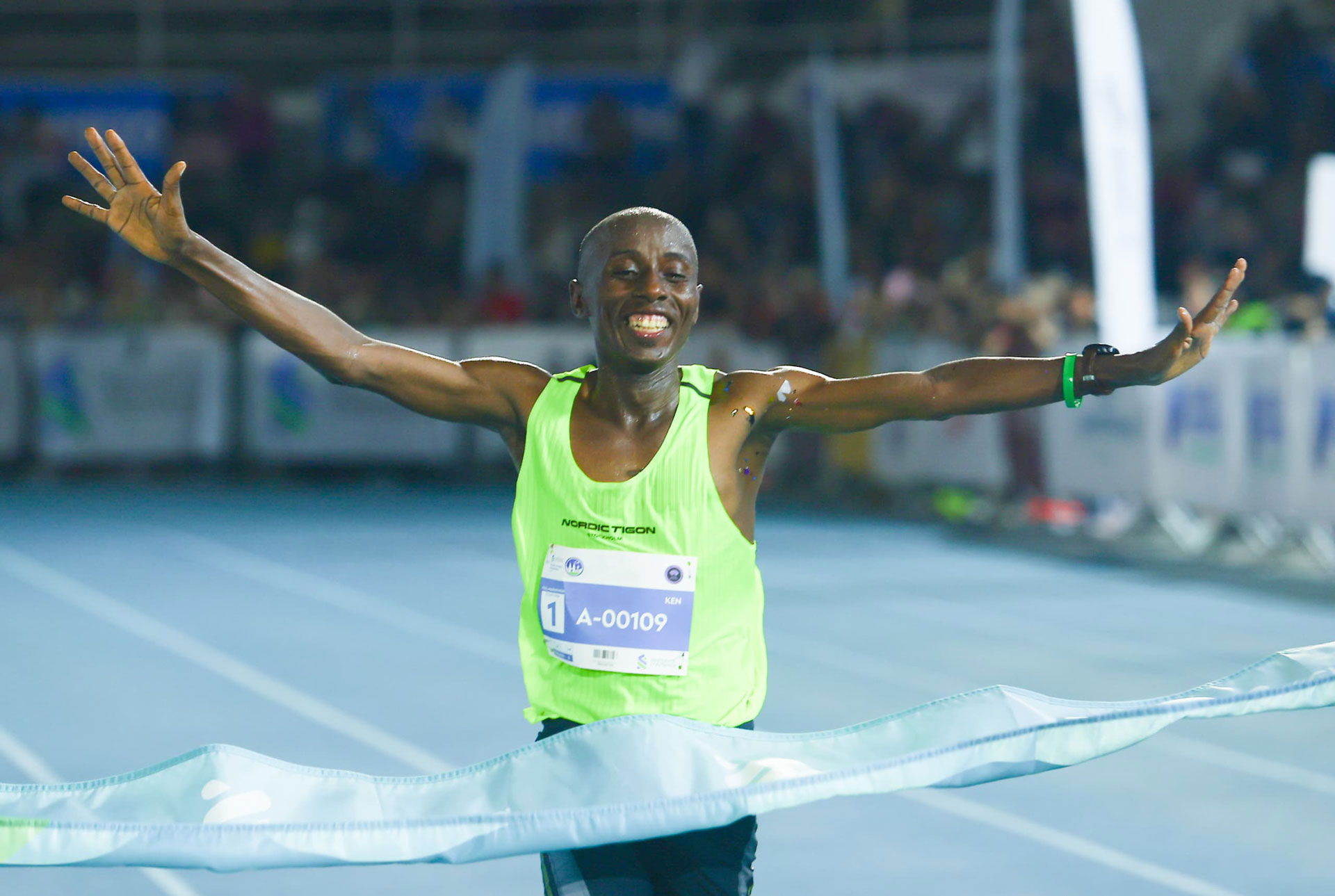
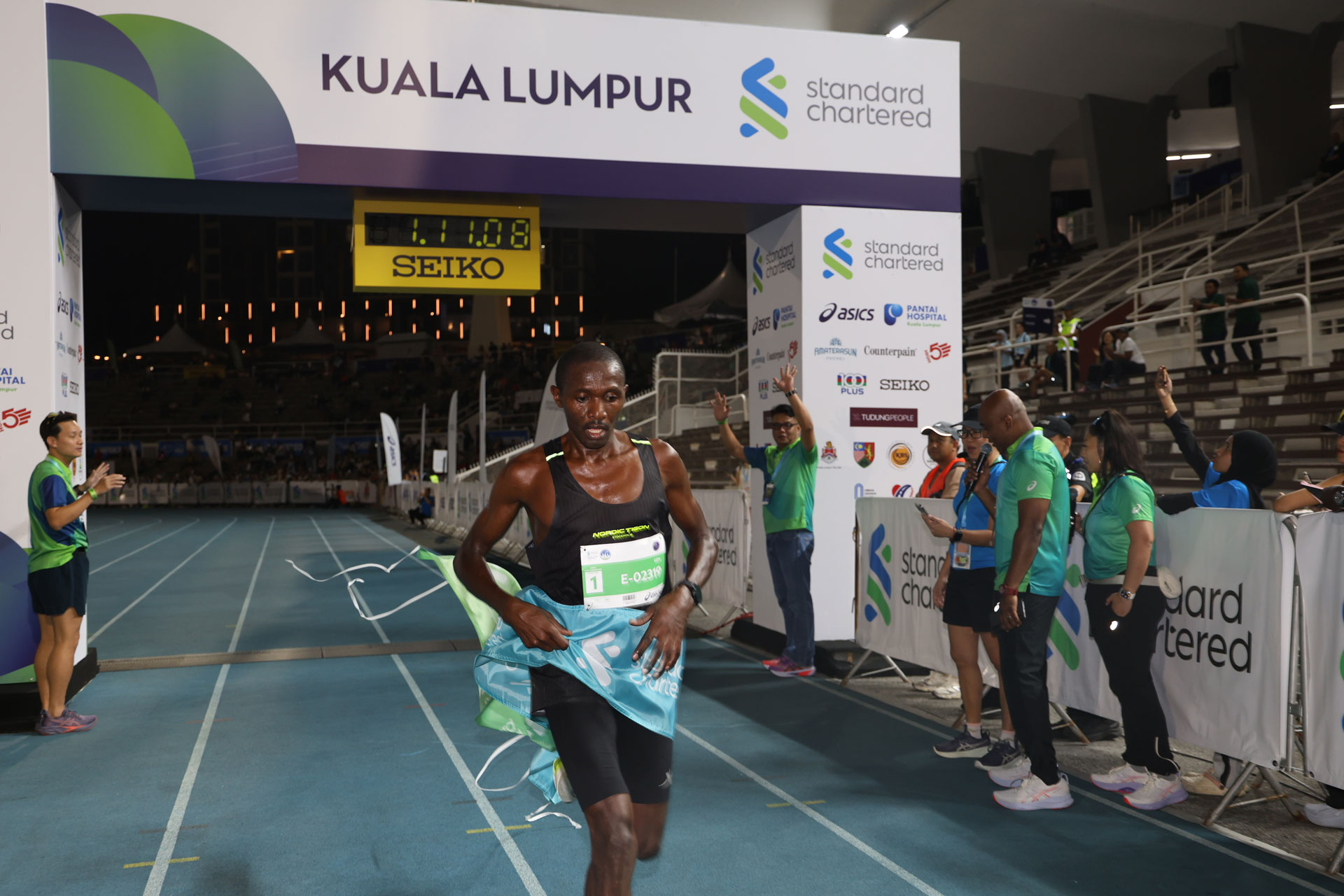
KUALA LUMPUR (5 October 2025) – The Kuala Lumpur Standard Chartered Marathon (KLSCM) 2025 saw John Nzau Mwangangi crossing the finish line in a time of 02:17:28 to win the Full Marathon Men’s Open title and take home the US$15,000 (RM63,225.00) prize purse.
In the Malaysian category, the highly anticipated contest between some of the nation’s top long distance runners saw Yeow Ni Jia surging ahead in the final stretch to break the tape with a time of 02:36:13, besting two other close contenders to bag the Malaysian title.
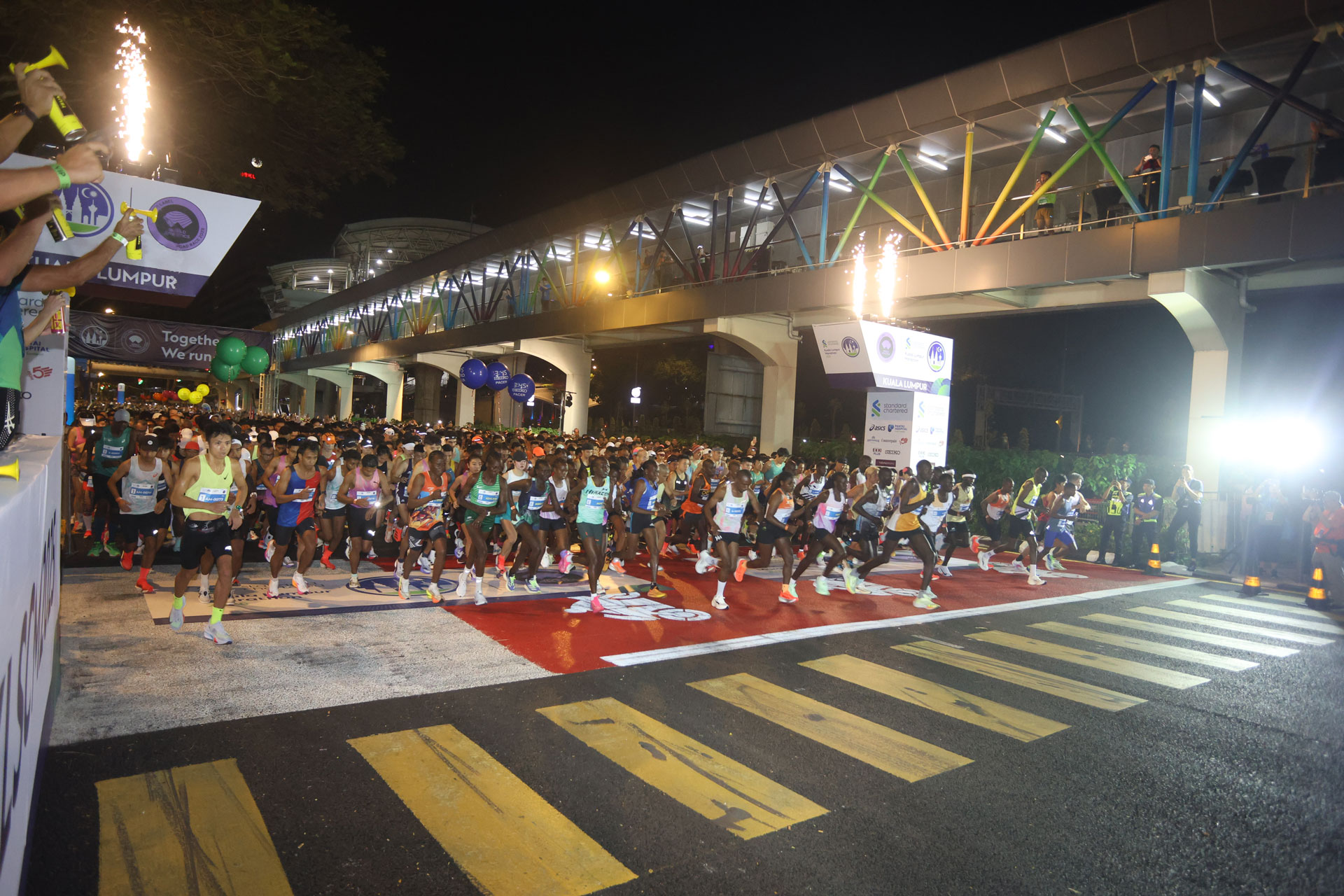
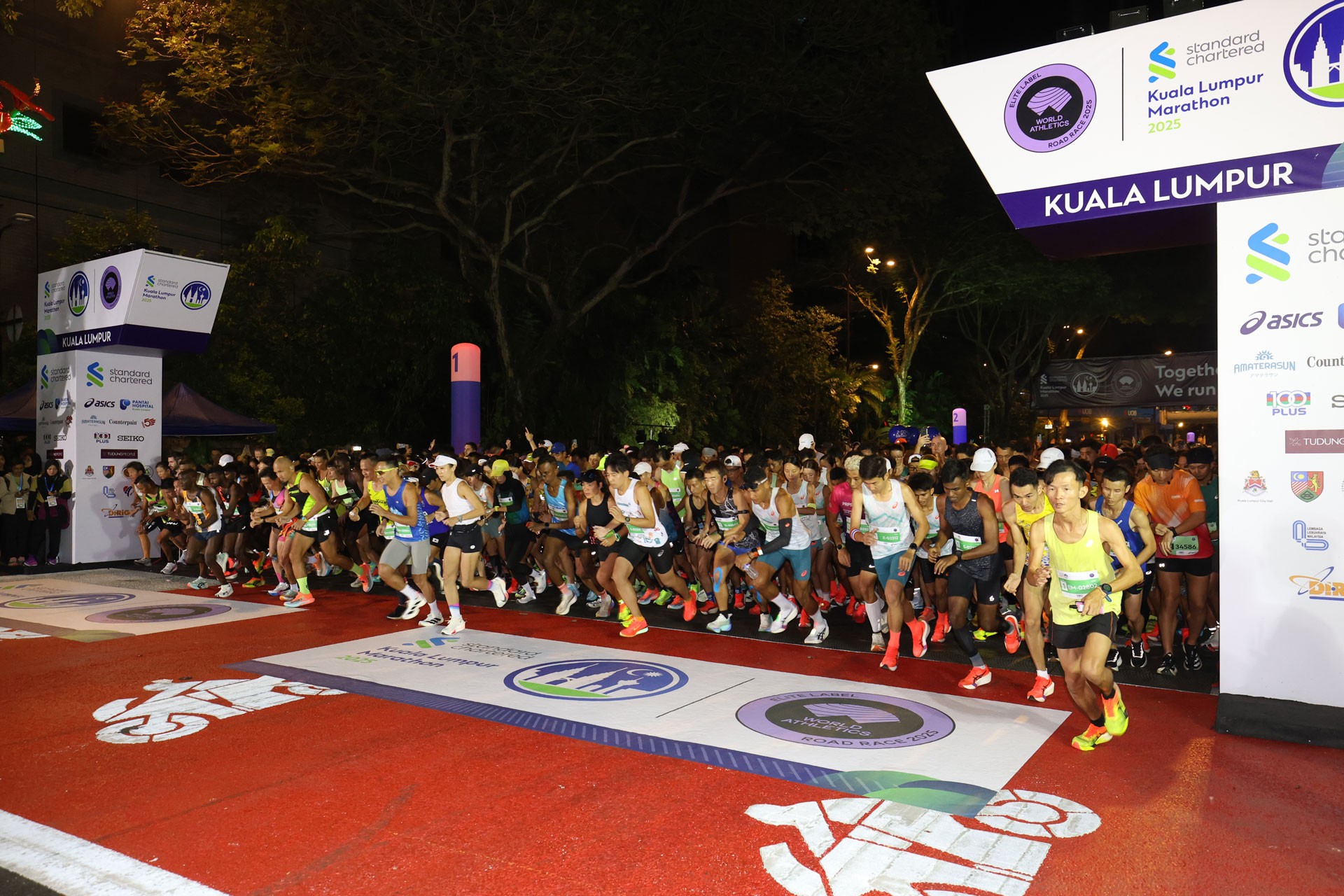
Earlier this morning, Tan Sri Shahril Ridzuan, Chairman of Standard Chartered Malaysia – the title sponsor of the event – flagged off the Full Marathon at this year’s start area of Jalan Raja Laut. He was accompanied by Mak Joon Nien, Standard Chartered Malaysia’s CEO.
The ASICS Half Marathon was flagged off by Boon Tib Soom Nik, Country Manager of ASICS Malaysia Sdn Bhd and Low Sin Ting, Associate Director, Marketing of ASICS Pte Ltd.
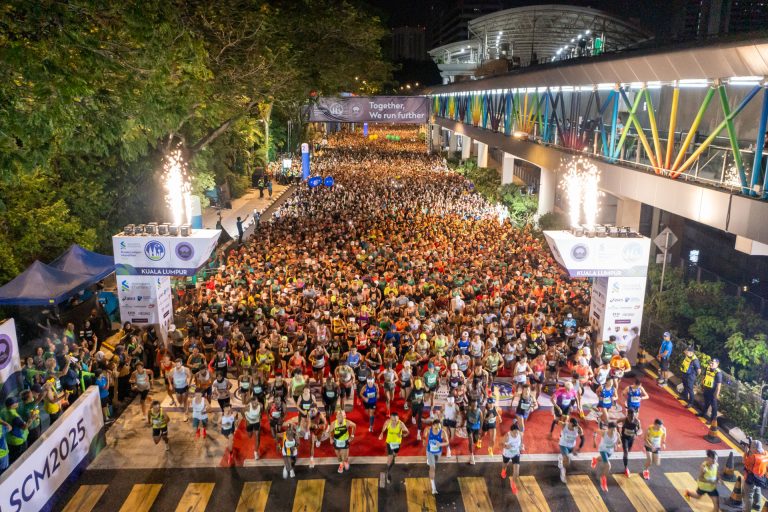
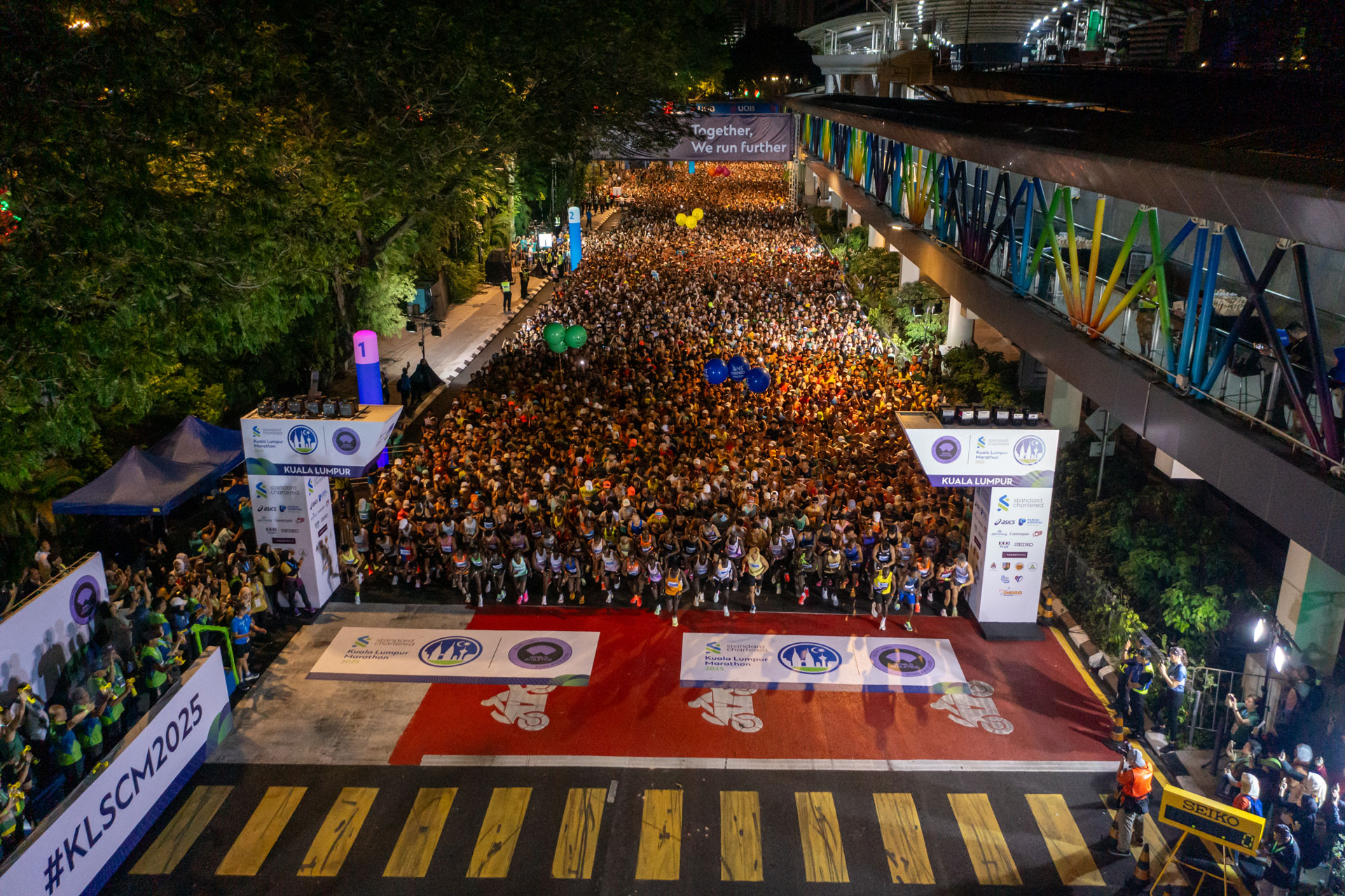
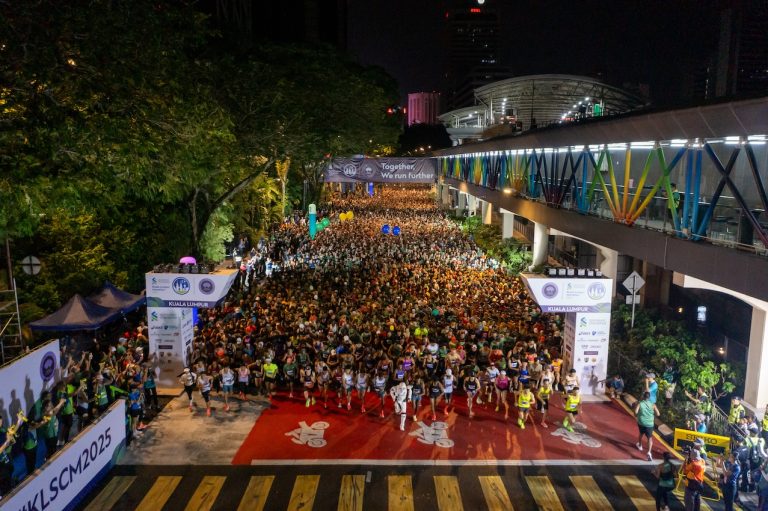
Today’s KLSCM 2025 races saw a total of close to 25,200 runners pounding the pavement through downtown Kuala Lumpur past iconic buildings and on highways to aim for their own historic finish at Stadium Merdeka. The Pantai KL 10km, 5km fun run and Kids Dash categories were held yesterday while the Full Marathon and ASICS Half Marathon categories were held this morning.
A record number of 42,000 participants registered for this 17th edition of the KLSCM, including 3,300 international participants from 53 countries. The KLSCM is Malaysia’s premier distance running event where KLSCM 2025 is a World Athletics Elite Label Race, making it the first and only distance running event in the country to be accorded that status.
Mwangangi was elated to clinch the Men’s Open title after finishing second in his last two KLSCM races. To prepare for the hilly roads and weather here, the 35-year-old trained under hot and humid conditions in the steeps hills of Machakos, Kenya which are about 640m above sea level.
“I missed out on first place twice because of my lack of experience with the final kilometre. I decided to analyse and learn from my previous mistake and change my strategy,” he said. “The course was balanced with a good mix of flat and hilly sections and I managed to go a bit faster today and improve my time.”
The Full Marathon Men’s Open saw a Kenyan sweep once again with Mwangangi’s compatriots Kiprotich Kiru and defending champion Vincent Kiprono taking the remaining podium positions, with the finishing times of 02:17:45 and 02:18:06 respectively.
The third time’s also a charm for Truphena Chepchirchir of Kenya who won the Women’s Open crown with a time of 02:41:36. Almaz Negede Fekade of Ethiopia finished second with a time of 02:41:50 while Joyline Chemutai of Kenya had to settle for third place with a time of 02:42:34.
“I am so happy to win because I prepared for the course by combining hill work and speed training. I expected hills, heat and humidity so I would run up the steep hills behind my home in Eldoret, Kenya under the noon sun,” said Chepchirchir, 35.
The Full Marathon Malaysian Men’s category was set to be a close fight for the KLSCM 2025 crown with the additional carrot of being a Category B qualification for the 2025 SEA Games. Yeow Ni Jia finished in 02:36:13 to best national record holder Tan Huong Leong who came in second with a time of 02:37:05. Defending champion and six-time KLSCM champion Muhaizar Mohamad had to settle for third place with his time of 02:44:37.
“The course was challenging because of the rolling hills that KL is famous for. In terms of performance, I am grateful that I managed to hit the goal that I set before the race, which was to achieve a sub 02:40 timing in local weather,” said Yeow, 25. “I am looking forward to breaking my personal best in the next event but if I were to be selected for the SEA Games, I’ll be focusing on that first.”
The Full Marathon Malaysian Women’s category saw Chua Khit Yeng reclaiming the title with a time of 03:05:40 with the defending champion Noor Amelia Musa settling for second place with a time of 03:09:03. The third podium spot went to Lee Siok Chin who finished in 03:11:07.
“I came in today focused on setting a good time – my goal was not to win but to fight the clock. Winning the race was a nice surprise because I have been losing to Amelia by a few seconds in our other races this year. I did not expect to overtake her today,” said Chua, 34. “The route had a normal difficulty and did not spring any surprises. It was well marked and well organised.”
“KLSCM 2025 has seen an overwhelming response from the running community, and we truly appreciate the support that has been shown from both the community and our partners. Out of the 42,000 participants, more than 3,300 have travelled to Kuala Lumpur specifically to take part in the event. This is a much sought-after race that runners look forward to every year and what makes this 17th edition more memorable is the fact that we have different start and finish points, and that the race has been awarded the prestigious World Athletics Elite Label,” said Rainer Biemans, Project Director of KLSCM and Director of Dirigo Events.
“We are proud to be part of the community’s running journey by providing this platform that allows them to hone and showcase their running skills. Not only does the KLSCM bring together athleticism, determination and unity in one event, it also lets runners rise above their limits to become the champions that they are,” he added.
“Marking 150 years in Malaysia is not just a milestone for our Bank. It is a tribute to the people who have walked this journey with us. Every step of our story has been built with our clients, colleagues and communities who have placed their trust in us across generations. That is why the Kuala Lumpur Standard Chartered Marathon is so close to our hearts. It’s not just a race but a celebration of people coming together with passion, perseverance, and purpose. We are deeply honoured to support it once again as 2025 is a special year for the Bank and Malaysia as ASEAN Chair. We are committed to progress alongside the nation we call home,” said Mak Joon Nien, CEO of Standard Chartered Malaysia.
This year, Standard Chartered Malaysia brought the spirit of ASEAN to life through its EKIDEN Heroes challenge, where colleagues from across the region came together in relay to symbolise Malaysia as Chair.
Mak adds, “The EKIDEN Heroes remind us that success is a collective journey. It is built on teamwork, collaboration and the shared values that unites us, not only in the Marathon but in our communities and across the ASEAN region.”
As a race that race that chooses to make a difference, the Run For A Reason (RFAR) initiative is the heart of the KLSCM, giving runners the opportunity to transform their every step into a powerful catalyst for change by raising funds for one of the beneficiary charities on the platform. This year’s beneficiaries are once again Futuremakers by Standard Chartered, Hospis Malaysia, Kechara Soup Kitchen and Teach for Malaysia.
“The Run For A Reason programme is a collective effort for the runners and society to come together to raise funds for deserving charities. We are grateful to everyone for helping the RFAR raise RM1 million in funds last year and we hope everyone will rally together once again to breach that mark. There is still time to donate as we will only close our fundraising on 14 October, so please donate generously to help the charities continue their work in transforming lives and creating a better tomorrow for the less fortunate,” said Biemans.
The Kuala Lumpur Standard Chartered Marathon has grown year-on-year to become the most anticipated distance running event in Malaysia. Standard Chartered Malaysia is the title sponsor while global sports brand ASICS and Pantai Hospital Kuala Lumpur (PHKL) are the Gold sponsors. The other official partners are 100 Plus, Counterpain, High5 Nutrition, Seiko, TudungPeople and Amaterasun.
KLSCM 2025 is sanctioned and supported by venue host Kuala Lumpur City Hall (DBKL), Malaysia Athletics, World Athletics and the Association of International Marathons and Distance Races (AIMS), the Malaysian Ministry of Youth and Sports, and the Kuala Lumpur Traffic Police. It is also supported by the Malaysian Highway Authority (Lembaga Lebuhraya Malaysia), Konsortium Lebuhraya Utara – Timur (KL) Sdn Bhd (Kesturi) and Projek Lintasan Kota Holdings Sdn Bhd (PROLINTAS). The event is owned and organised by Dirigo Events.
For more information, please visit the KLSCM website at www.kl-marathon.com or their social media pages at:
Facebook – www.facebook.com/SCKLmarathon
Instagram – www.instagram.com/SCKLmarathon
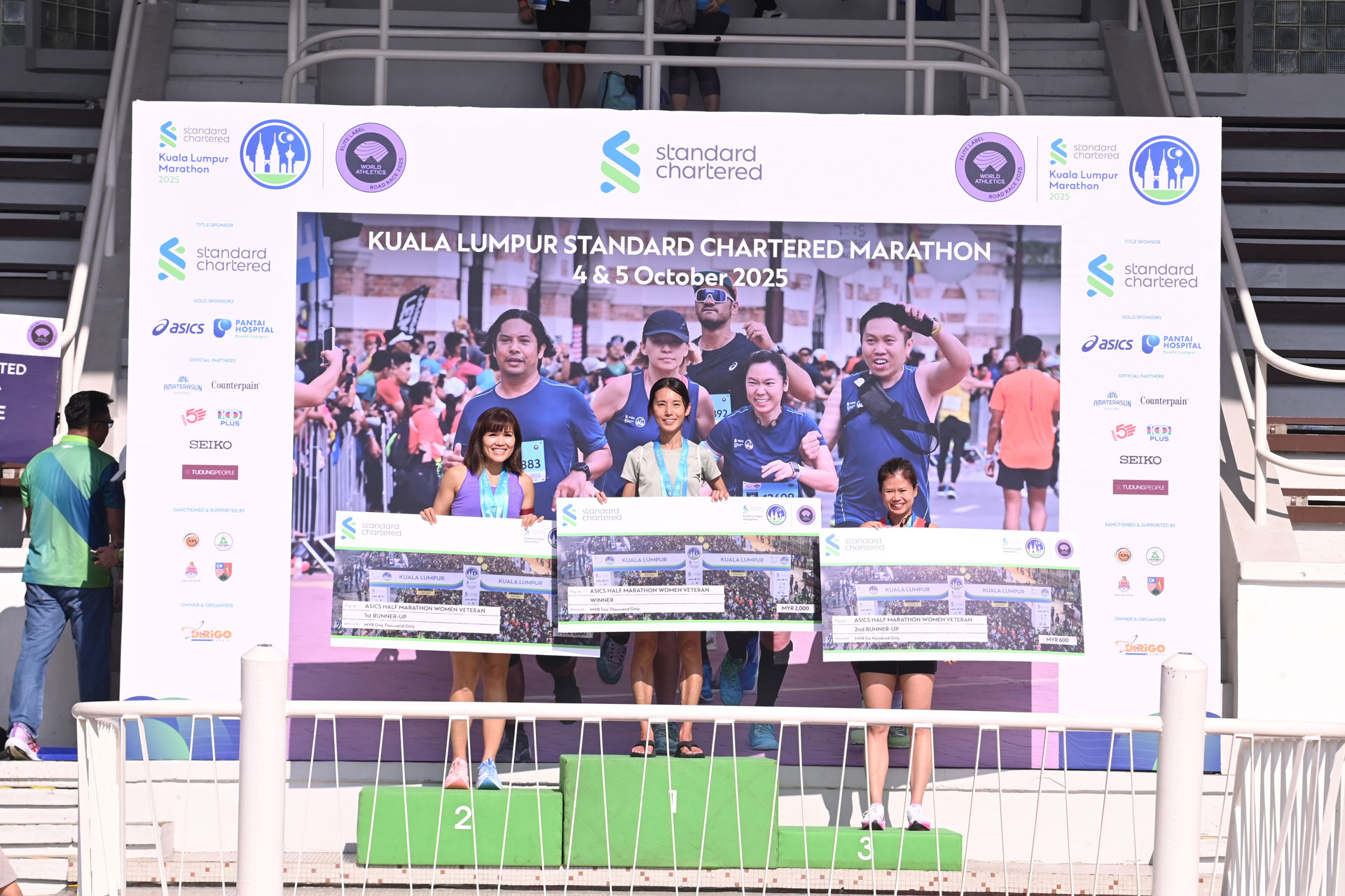
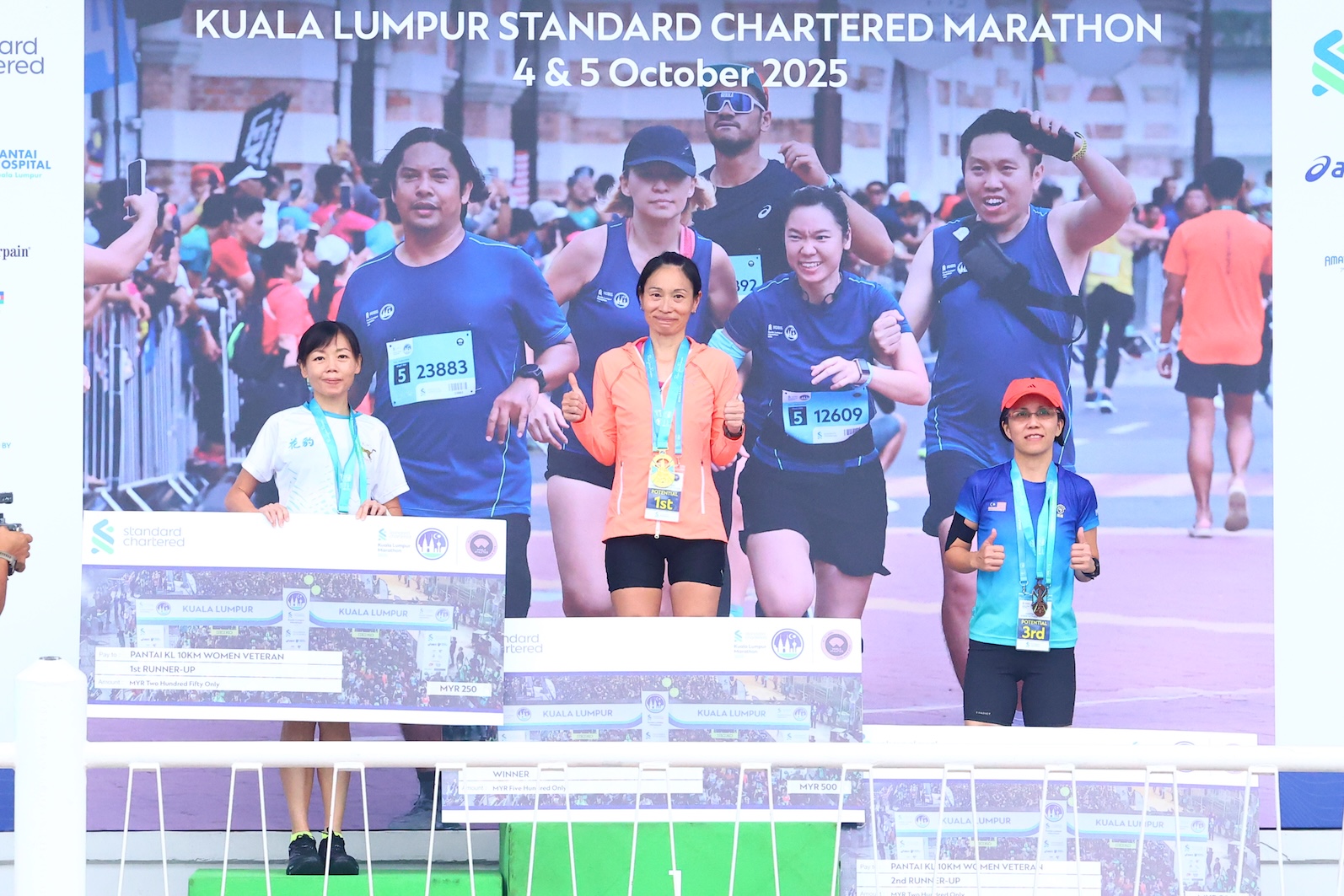
Winners of the Kuala Lumpur Standard Chartered Marathon 2025 – On 5 October 2025
KUALA LUMPUR (4 October 2025) – The first races of the Kuala Lumpur Standard Chartered Marathon (KLSCM) 2025 took place this morning, with the 5km, Pantai KL 10km and Kids Dash categories kicking off the first day of what local runners fondly refer to as the “Hari Raya of running.” The highly anticipated Full Marathon and Half Marathon categories will take place tomorrow with intense competition expected from the top runners, especially in the Full Marathon Malaysian Men’s category which is set to see a six-way fight.
More than 15,800 runners ran into today’s event, pounding the pavement through the streets and highways of Kuala Lumpur and the tracks of Stadium Merdeka. Almost 15,400 runners set off from this year’s start line of Jalan Raja Laut and past iconic buildings downtown in a bid to make a notable finish at the historic Stadium Merdeka. The Kids Dash races were the only categories that were a track race at Stadium Merdeka.
The KLSCM is Malaysia’s premier distance running event and Kuala Lumpur’s largest marathon with KLSCM 2025 being the first and only race in the country to be awarded the World Athletics Elite Label.
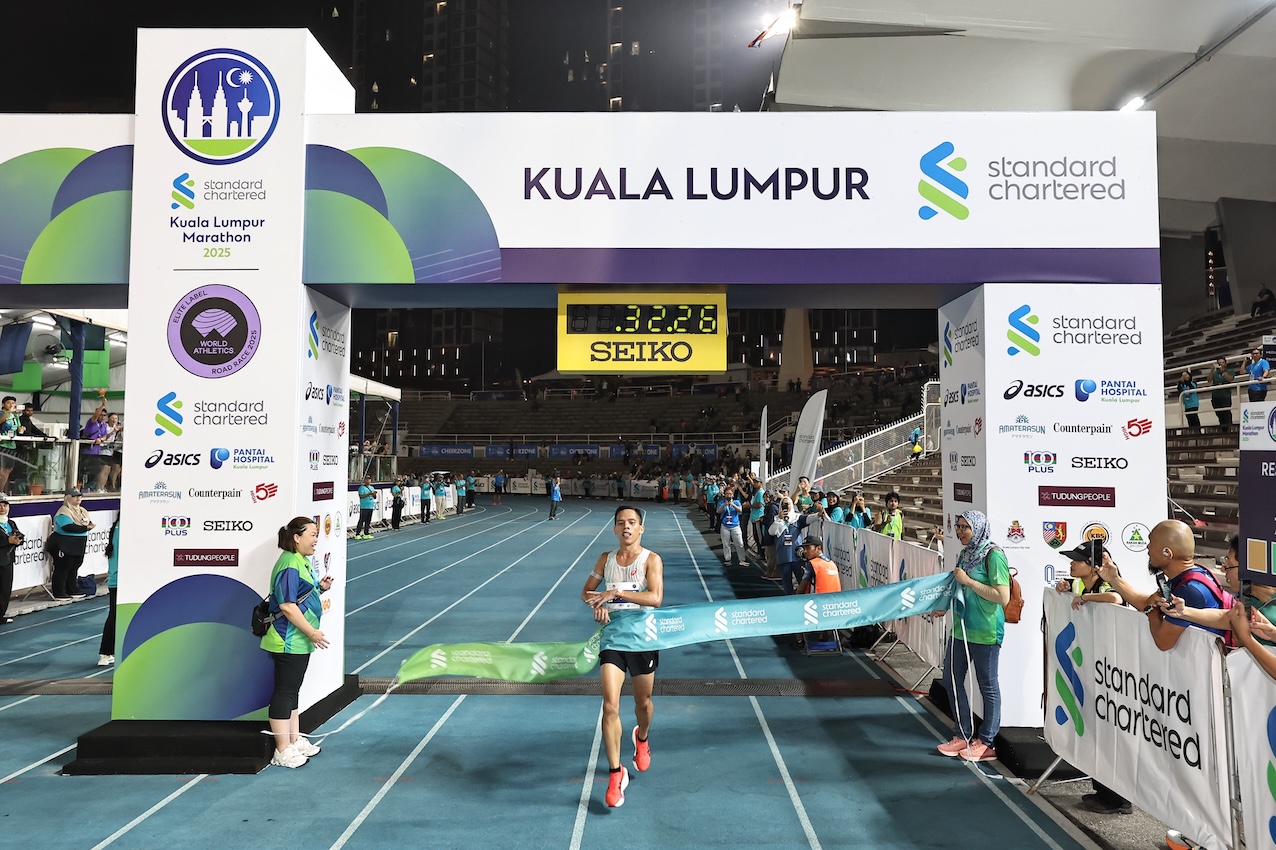
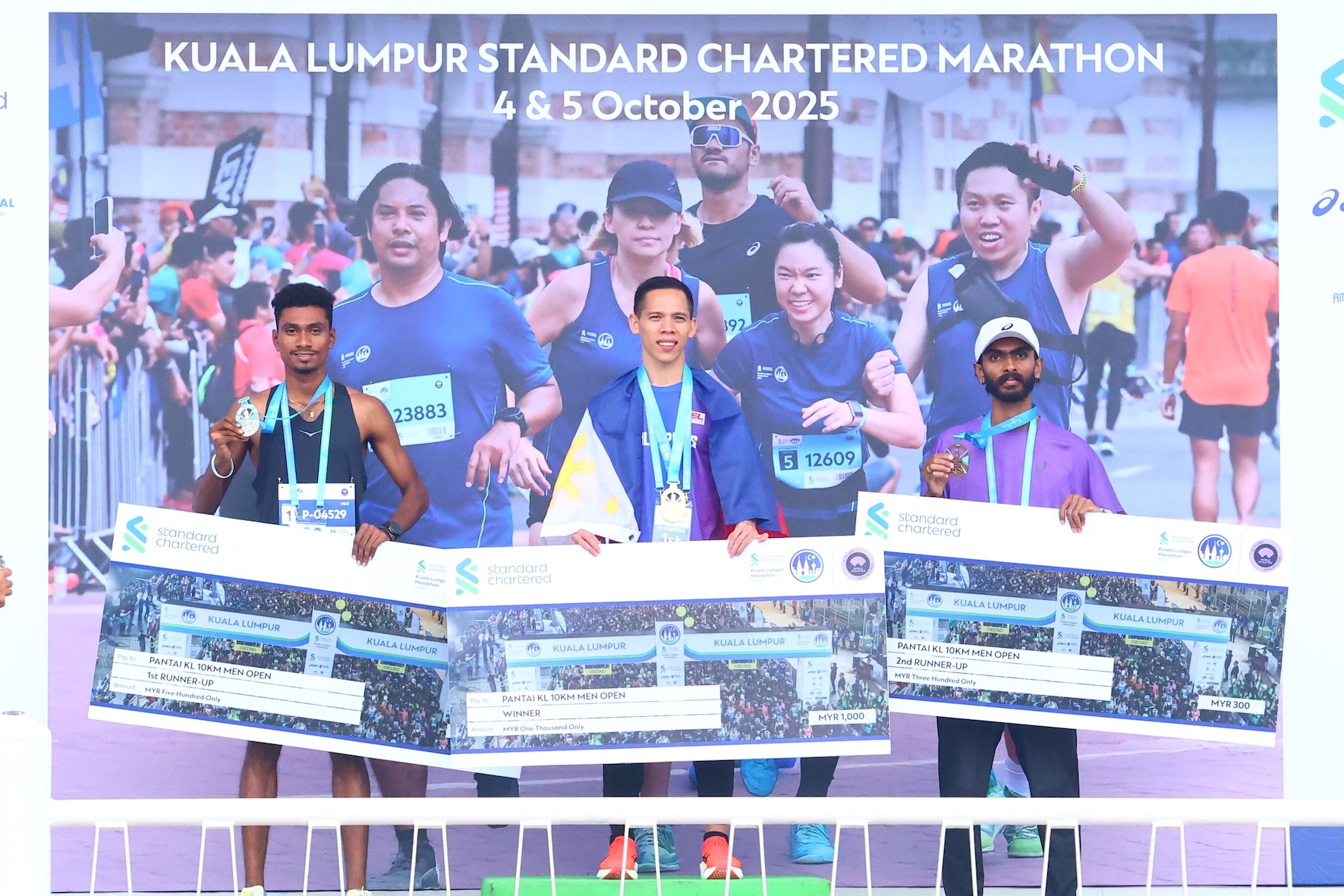
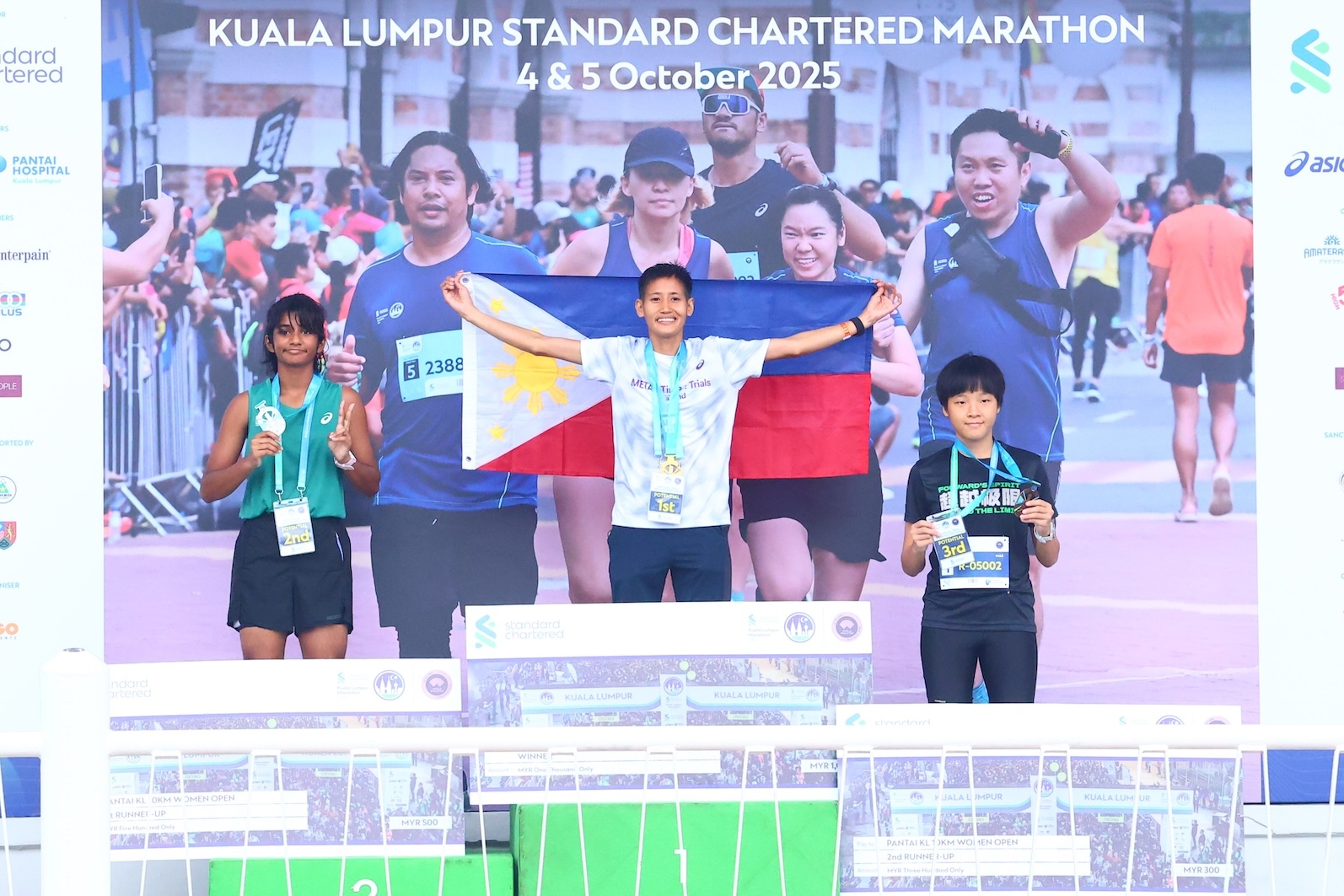
SEA Games medallists Sonny Wagdos and Joida G. Gagnao made it a golden sweep for the Philippines in the Pantai KL 10km podium for the Men’s Open and Women’s Open categories. Wagdos finished in 32:26 while Gagnao crossed the finish line in 39:23.
This was the first KLSCM outing for Wagdos, who felt both happy and overwhelmed after the race.
“The route was a bit hard but it was enjoyable. The weather here is different which made the pace manageable – it’s easier to manage your run when the climate is cooler. I look forward to coming back again for the KLSCM and hope to run in the Full Marathon or Half Marathon then,” said the 31-year-old.
“I was amazed by the route and that it was uphill but I really enjoyed the run and there were a lot of supportive people along the route. I will be focusing on the SEA Games after this and then for next year, I’m looking to increase my distance and might try the Half Marathon. This was my first KLSCM and I look forward to coming back again for it next year,” said Gagnao, 29.
Malaysian runners took the remaining podium spots with Sanjay Manimaran coming in second in the Men’s Open with a time of 33:22 and Daren James Nair finishing third with 33:31.
In the Women’s Open category, the silver went to Shayathiri Ratnam from Malaysia who finished with 41:51 while her compatriot Tan Zhi Lin took the bronze with 42:29.
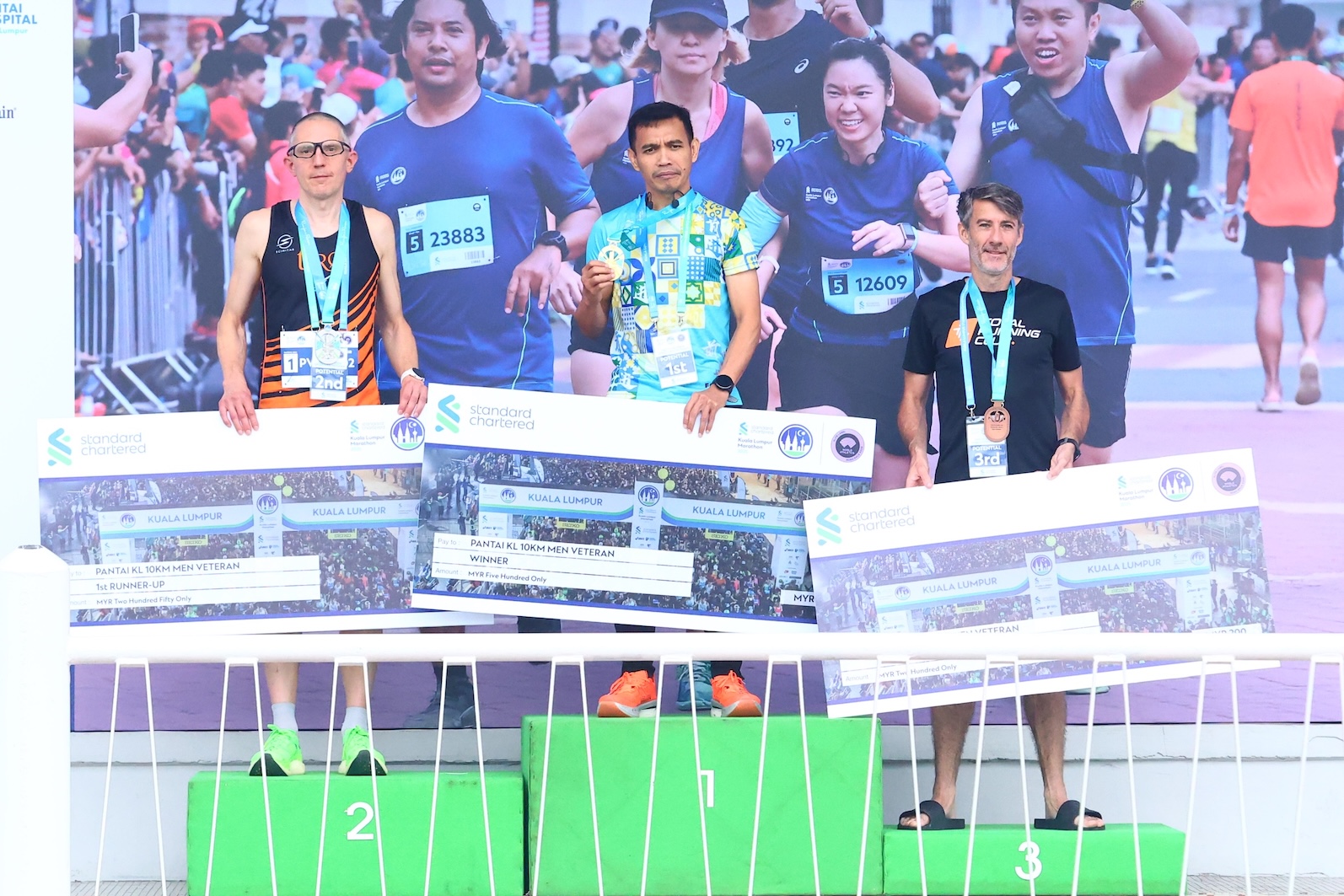
The Pantai KL 10km Men’s Veteran category saw Zuraiddi Jumai from Malaysian bag the top spot with a time of 37:27. Nick Alexander Sasha from Britain had to settle for second place clocking in at 37:38 while his compatriot Jeffrey Ross finished third in 38:42.
The Malaysian women made it a clean sweep in the Pantai KL 10km Women’s Veteran category with Lee Sium Louw taking the gold with 46:21. Lim Pei Ting finished second with 48:14 while Foo Yin Yin finished third with 48:41.
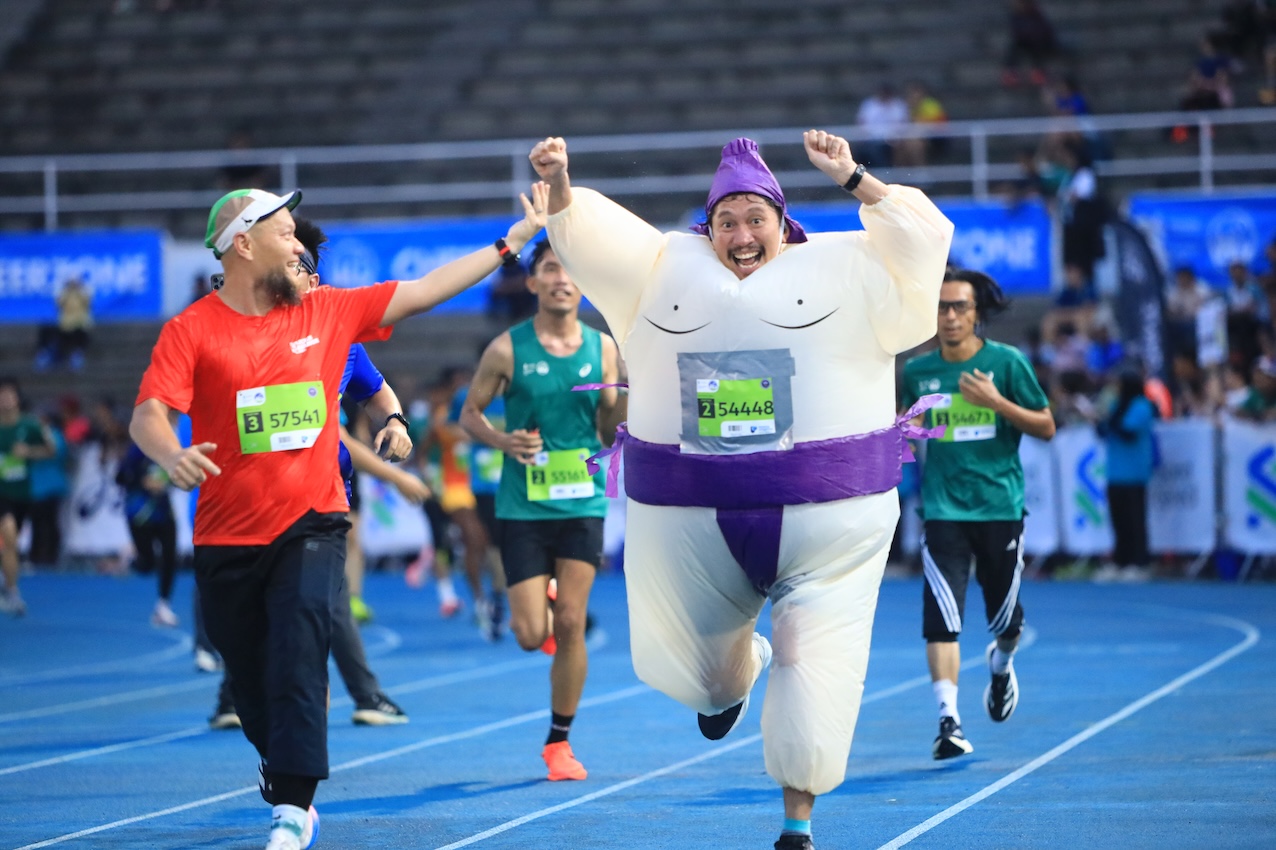
The 5km Fun Run is an annual colourful affair with most runners laced up to run and this year’s run was no exception. A number of runners dressed in eye-catching and fun costumes to liven up the run and these included a sumo wrestler,
Also seeing determined competition today was the Kids Dash categories for young runners, which saw Malaysians sweeping all the podium positions. However, due to a technical error, the distance for the Kids Dash 800m Speed categories had to be revised to 400m. Dirigo Events will be issuing a full refund to all 800m participants.
The Boys’ title went to Nuh Harith Mohamad Shafiz who finished with 01:21. Adam Qaid Mohamad Afiq came in second with 01:22 while Hafiy Aidan Muhamad Hanios finished third in 01:23. The Girls’ title went to Annalise Au who came in first with 01:30. Nur Mikhaila Zuhairi finished in 01:33 to take second place while Taniskka Krishna Kumar took third place with a time of 01:39.
In the Kids Dash 2km Boys’ category, Muhammad Afique Adam Mohd Amirudin won the Boys’ title in 07:08, leaving James Alan Hutchinson in second place with a time of 07:09. Coming in third were Tee Kai Long and Lim Joon Hee who crossed the finish line with a time of 07:15.
The Kids Dash 2km Girls’ category saw Malaysians sweeping the podium with Medoraa Sofea Abdulhayy taking the Girls’ crown with a time of 08:19 while Anissha finished second with 08:37. Vivian Chow Zhi Bing rounded up the top three by taking third with a time of 08:46.
“The atmosphere at today’s races was electrifying and KLSCM is delighted to be an event where sport, health and community spirit come together. We always look forward to our young runners in the Kids Dash categories showing their mettle as they are all potential champions and we believe in building them up to the best that they can be,” said Rainer Biemans, Project Director of KLSCM and Director of Dirigo Events, the owner and organiser of KLSCM.
“The Kuala Lumpur Standard Chartered Marathon is an event that celebrates unity, community spirit, and the dedication of runners at every level and we are delighted to be the Official Footwear and Apparel partner,” said Yogesh Gandhi, Managing Director of ASICS Asia Pte Ltd.
“At ASICS, our founding philosophy, “Sound Mind, Sound Body”, reflects our belief that movement can uplift both physical and mental well-being. Through this partnership, we aim to inspire people of all levels to discover the strength, balance, and joy of running, while building a more active and connected community,” he added.
Erica Lam, CEO of Pantai Hospital Kuala Lumpur added: “This year marks an important milestone for Pantai Hospital Kuala Lumpur. After serving as the official medical provider last year, we are proud to step up as a Gold Sponsor with the Pantai KL 10KM, while continuing our role as the event’s medical provider. This reflects our commitment to growing with the KL Standard Chartered Marathon community. We believe healthcare is not only about treating illnesses – it is also about prevention, wellness, and education to empower individuals to take charge of their health, while ensuring accessibility for all.”
The KLSCM has grown in strength to become the biggest running event in Malaysia, attracting thousands of local and international runners annually whilst establishing itself as a landmark running event in the local and global running calendar. It has grown year-on-year to become the most anticipated distance running event in Malaysia.
Standard Chartered Malaysia is the title sponsor while global sports brand ASICS and Pantai Hospital Kuala Lumpur (PHKL) are the Gold sponsors. The other official partners are 100 Plus, Counterpain, High5 Nutrition, Seiko, TudungPeople and Amaterasun.
KLSCM 2025 is sanctioned and supported by venue host Kuala Lumpur City Hall (DBKL), Malaysia Athletics, World Athletics and the Association of International Marathons and Distance Races (AIMS), the Malaysian Ministry of Youth and Sports, and the Kuala Lumpur Traffic Police. It is also supported by the Malaysian Highway Authority (Lembaga Lebuhraya Malaysia), Konsortium Lebuhraya Utara – Timur (KL) Sdn Bhd (Kesturi) and Projek Lintasan Kota Holdings Sdn Bhd (PROLINTAS). The event is owned and organised by Dirigo Events.
For more information, please visit the KLSCM website at www.kl-marathon.com or their social media pages at:
Last March, I signed divorce papers at 9 AM, interviewed for a new job at noon, and got an offer to relocate internationally by 5 PM. My Oura ring showed a readiness score of 34. My HRV had tanked to levels I’d only seen during the flu.
This wasn’t a burnout. My workload hadn’t changed. But my brain was processing seventeen major decisions simultaneously while my body screamed for stability that didn’t exist.
Most high performers can handle singular transitions. New job? Fine. Relationship ending? Manageable. Moving cities? Doable. But life doesn’t queue changes politely. It dumps them all at once and expects you to maintain your edge.
The Biology Nobody Discusses
Your prefrontal cortex has finite processing power. During major transitions, it’s running cost-benefit analyses on everything from apartment leases to whether you still like your career. Meanwhile, you’re expected to deliver presentations like nothing’s happening.
Cortisol floods your system for weeks, not hours. Your testosterone drops. Your immune system diverts resources. You’re literally becoming a different person biochemically while trying to perform like your old self.
The advice to “just push through” is biological illiteracy. You can’t power your way past depleted neurotransmitters any more than you can think your way out of pneumonia.
The Transition Tax on Your Brain
Every transition carries a cognitive tax. Researchers call it “switching costs.” Your brain burns glucose just orienting to new realities. A job change alone consumes 23% more mental energy for the first ninety days.
Stack multiple transitions, and the math gets ugly. Divorce proceedings while onboarding at a new company, while moving apartments? You’re operating at 40% cognitive capacity on your best days.
Decision fatigue compounds exponentially. Not linearly. Choosing a new dentist shouldn’t exhaust you. But when it’s decision number 847 this month, your brain treats it like a survival threat.
Why Your Usual Systems Fail
That morning routine you’ve perfected? Useless when you’re sleeping on a friend’s couch during apartment hunting. Your meal prep on Sunday? Gone when you’re flying back and forth for custody hearings.
Systems require stable foundations. Transitions demolish foundations by definition. The productivity frameworks that made you successful become anchors dragging you down.
Your identity is also shifting. The “married executive” has different habits than the “divorced entrepreneur.” Your brain doesn’t know which patterns to run anymore.
The Physical Foundation Nobody Maintains
Sleep becomes non-negotiable during transitions. Not the “I’ll sleep when I’m dead” approach that got you here. Actual, monitored, optimised sleep. Eight hours minimum. Your brain is literally rewiring. It needs REM cycles to process change.
Track it obsessively. Sleep score below 70? Cancel morning meetings. This isn’t a weakness. It’s strategic resource allocation. You can’t negotiate deals effectively on four hours of terrible sleep.
Movement becomes medicine. Not your usual HIIT punishment sessions. Your nervous system is already redlining. It needs regulatory movement. Walking. Swimming. Yoga that doesn’t involve competing with twenty-somethings.The data on yoga during stress is unambiguous. Cortisol drops 23% after single sessions. HRV improves within two weeks of consistent practice. If you’re in Singapore, Pure 360 offers beginner-focused classes that don’t require pretzel flexibility. The point isn’t Instagram poses. It’s the nervous system regulation.
Nutrition When Everything’s Chaos
Your gut produces 90% of your serotonin. Trash nutrition during transitions guarantees mood crashes alongside performance dips. But elaborate meal prep isn’t realistic when you’re living out of boxes.
Batch cooking becomes survival. Sunday: cook ten pounds of protein. Portion. Freeze. Every meal starts with protein now. Add whatever vegetables you can manage. Perfection is the enemy of adequacy.
Supplement strategically. Magnesium glycinate for sleep. Vitamin D for mood. B-complex for energy. These aren’t optional during transitions. They’re replacing what stress depletes faster than food can replenish.
Cognitive Enhancement During Chaos
Your focus is shattered. Accept this. You can’t white-knuckle attention spans back to normal. The brain fog isn’t imaginary. It’s measurable inflammation from chronic stress.
Nootropics become tools, not crutches. L-theanine with coffee prevents jitter crashes. Rhodiola helps adaptation to stress. Quality mushroom supplements for focus aren’t wellness trends anymore. They’re performance necessities when your baseline cognition is compromised.
Lion’s Mane specifically shows promise for neuroplasticity during high-stress periods. The research from Japan and China is compelling enough that Silicon Valley executives mainline it during merger seasons.
Memory Systems When Everything’s Temporary
Your working memory is overloaded. Phone numbers you’ve known for years disappear. You forgot the meetings that you scheduled yesterday. This isn’t early dementia. It’s cognitive overflow.
Externalise everything immediately. Every thought, appointment, and idea goes into a single capture system. Not multiple apps. One place. Your brain can’t track seventeen different tools right now.
Time-block religiously but loosely. Transition days need buffer zones. That hour-long meeting becomes ninety minutes because you got lost in the new building. Build slack into everything or watch your schedule cascade into chaos.
Career Transitions Without Losing Momentum
Job searching while performing at your current role requires compartmentalisation that feels impossible. Your boss is asking about Q3 projections while you’re mentally already gone.
Batch similar activities. All job search activities happen on Tuesday and Thursday evenings. Period. The mental switching cost of toggling between current and future roles throughout the day will exhaust you.
Interview prep becomes a ritual, not random cramming. Same coffee shop. Same playlist. Same notebook. Your brain needs patterns during pattern disruption.
Onboarding While Grieving
Starting a new role while processing life changes multiplies complexity. You’re learning new systems while mourning old ones. The enthusiasm expected in week one feels impossible when you’re going through divorce proceedings at night.
Set realistic ramp expectations with your new manager. Not the details, but the reality. “I’m navigating some significant personal transitions. I’m committed to excellence, but my ramp might look different from typical.”
Most managers prefer honesty over mysterious performance volatility. They can support what they understand.
Network Management During Upheaval
Your professional relationships suffer first during transitions. Not because people abandon you, but because you abandon them. You stop responding to texts. Skip the monthly drinks. Let LinkedIn messages rot.
I ghosted everyone for three months during my divorce. When I finally resurfaced, half my network had moved on. The reconstruction took a year.
Schedule a connection like medicine. Tuesday morning: text three people. Thursday lunch: coffee with anyone who’ll meet. Saturday: write one real email to someone you miss. Small doses prevent total isolation.
Relationship Shifts and Performance
Nobody tells you that divorce paperwork arrives at the worst possible moments. Mine got delivered during a client presentation. I kept talking about quarterly projections while mentally calculating asset division.
You’re negotiating custody schedules during board meetings. Your lawyer texts while you’re pitching investors. The emotional labour happens on top of your actual labour.
I started “lawyer hours.” Tuesday and Thursday mornings only. That’s it. My attorney hated it. But my sanity depended on it. Every random call costs hours of productivity you don’t have.
Dating While Performing
Dating after divorce while running a company is like juggling chainsaws blindfolded. You’re emotionally raw, professionally stretched, and somehow supposed to be charming over drinks.
Wednesday nights became date night. Only Wednesday. First dates, second dates, didn’t matter. One night a week for romance. The boundary saved my business.
Your new partner doesn’t understand why you can’t be spontaneous. But spontaneity is a luxury you can’t afford during transitions. Structure keeps you functional.
Blended Family Chaos
My partner’s kid got strep throat the morning of my biggest presentation this year. Her ex couldn’t help. The babysitter was in Bali. Welcome to blended family reality.
You need three backup plans for everything. Not one. Three. The regular sitter, the emergency sitter, and the drop-in daycare you’ve pre-registered for. Paranoid? No. Prepared.
We put everything in shared calendars. Soccer practice, client calls, date nights, grocery runs. If it’s not in the calendar, it doesn’t exist. Romance dies but functionality survives.
Geographic Transitions
Moving cities while maintaining performance is masochistic. Everything familiar vanishes overnight. That perfect morning run? Gone. Your barber who knew exactly what you needed? Replaced by strip mall chains.
I moved to Sydney during a product launch. Stupid decision. The stress of finding simple things like a decent gym while managing remote teams nearly broke me. If you’re doing the same move, book a Sydney moving company that handles everything. Let them pack while you work. The money saved isn’t worth the mental bandwidth lost.
The first week in a new city determines the next six months. Find your coffee shop day one. Join a gym on day two. Get a local phone number on day three. Stability compounds faster than you expect.
Temporary Space Reality
Living out of boxes while trying to close deals is impossible. That “temporary” setup where your laptop sits on a cardboard box? It’s costing you money daily.
Buy the desk. Get the monitor. Set up properly, even if you’re moving again in three months. Your performance is worth more than moving costs.
Routines Without Familiar Anchors
My morning routine in Melbourne took eighteen months to perfect. Specific coffee shop, exact running route, same breakfast. Then I moved. Day one in the new place, I sat in my rental staring at unfamiliar streets, paralysed.
The mistake was trying to recreate the old routine. New city, new patterns. But the framework stays. Coffee first, movement second, work third. The specifics change. The structure doesn’t.
Wake at 6 AM regardless of timezone. Your body doesn’t care that you moved. It wants consistency. I learned this after letting my sleep drift for two weeks and watching my productivity crater.
The Integration Phase
After six months of chaos, patterns emerge. You’re not the same person who started the transition. Some habits need to die. Others need birth.
I kept trying to maintain my five-day gym routine through the divorce. Stupid. Three days of movement beats five days of failure. Adjust expectations to match reality, not past identity.
Stack new habits onto necessary activities. Meditation while coffee brews. Audiobooks during the new commute. Phone calls while walking the dog you got because the kids needed stability. Everything serves double duty now.
Financial Performance During Transition
Transitions are expensive. Lawyers, movers, deposits, overlapping rents. Your cash flow goes negative even with good income. This financial stress compounds performance anxiety.
Track spending obsessively, but don’t budget restrictively. You need flexibility during chaos. That overpriced meal delivery service is buying you two hours? Worth it. The premium apartment that’s move-in ready? Pay it.
Investment decisions wait. This isn’t the time for aggressive moves. Boring stability in finances creates space for professional risk-taking.
Curating Support Systems
Energy vampires reveal themselves during transitions. The friend who makes your divorce about their drama. The colleague who sees your job change as threatening. Cut them fast.
You need people who give energy, not take it. The friend who drops off groceries without asking. The mentor who checks in weekly without expecting lengthy responses. Protect these relationships fiercely.
Professional support isn’t a weakness. Therapists, coaches, consultants. Whatever keeps you functional. The ROI on mental health during transitions is infinite.
Technology Stack for Transitions
Apps become lifelines. Calendly eliminates scheduling friction. Notion captures everything. Calm helps you sleep. The right tools reduce cognitive load when your brain is overloaded.
But avoid app sprawl. Five perfect tools beat fifty good ones. Every additional system requires mental energy you don’t have. Consolidate ruthlessly.
Automation saves sanity. Bills on autopay. Groceries on subscription. Recurring meetings are scheduled quarterly. Remove every possible decision.
The Long Game Through Short-Term Chaos
Transitions end. The divorce is finalised. The new job becomes familiar. The city feels like home. But the performance habits you build during chaos become superpowers during stability.
You learned to function at 60% capacity. Imagine what happens when you’re back to 100% with these systems. The competition won’t understand how you’re suddenly operating at a different level.
This is the secret. Transitions don’t make you weaker. They make you antifragile. You become someone who gets stronger under stress. That’s a competitive advantage nobody can replicate.
Start building your transition playbook now. Before you need it. Because life’s next curveball is already in motion.
Life in Singapore is always on the go — long office hours, MRT commutes, family commitments, and endless errands. With such a packed lifestyle, it’s easy to put workouts at the bottom of the list. But staying active doesn’t have to mean carving out an hour at the gym.
By weaving small, intentional movements into your daily routine, you can build strength, stamina, and energy — even if your schedule is bursting at the seams. Here’s how.
1. Micro Workouts in Daily Life
Take the stairs: Skip the lift for one or two floors, or do short stair climbs during breaks.
Exercise snacks: Do 5–10 minute bodyweight circuits at home — squats, push-ups, or planks.
Walking breaks: If you’re working from home or in the office, take a brisk lap around your block, void deck, or the office corridor.
Walking calls: Take phone calls while pacing instead of sitting.
These small bursts add up — and are often easier to commit to than full workouts.
2. Make Fitness Non-Negotiable
Block it off: Schedule workouts in your calendar like meetings.
Morning routines: A quick stretch or 15-minute workout before work helps set the tone for the day.
Consistency > Duration: A short but regular evening workout at the park connector can be more effective than waiting for “free time” that never comes.
Weekend buffer: Use weekends for slightly longer runs at East Coast Park, MacRitchie, or the Sports Hub when your schedule is lighter.
3. Move While You Live
Active commuting: Alight one MRT stop earlier and walk the rest of the way.
Walk the malls: Instead of sitting in a café, stroll around VivoCity or Jewel Changi with friends.
Household hacks: Do lunges while waiting for the rice cooker, or calf raises while brushing teeth.
Family fun: Swap movie night for a game of badminton downstairs or a cycling trip at Punggol Waterway.
4. Use Tools That Fit Your Lifestyle
Workout apps: Use short YouTube or fitness app routines for guided workouts at home.
Wearables: Step counters or smartwatches remind you to move and track your progress.
Compact gear: Keep resistance bands or a skipping rope at home or even at your desk.
Reminders: Set phone alarms to stand up, stretch, or walk every hour.
5. Mindset Matters
All movement counts: Redefine exercise — walking, stretching, and stair climbing are valuable too.
Do what you can, when you can: Ten minutes is better than none.
Stay accountable: Grab a workout buddy, join a community class, or share your progress online.
Celebrate small wins: More steps today, a consistent weekly routine, or simply feeling less tired — it all adds up.
Final Thoughts
Singapore’s fast-paced lifestyle doesn’t mean you can’t stay fit. By being intentional, creative, and consistent, you can sneak in exercise wherever you are — from the MRT station to the living room. The key is to start small, stay flexible, and let every step bring you closer to a healthier, more energetic you.
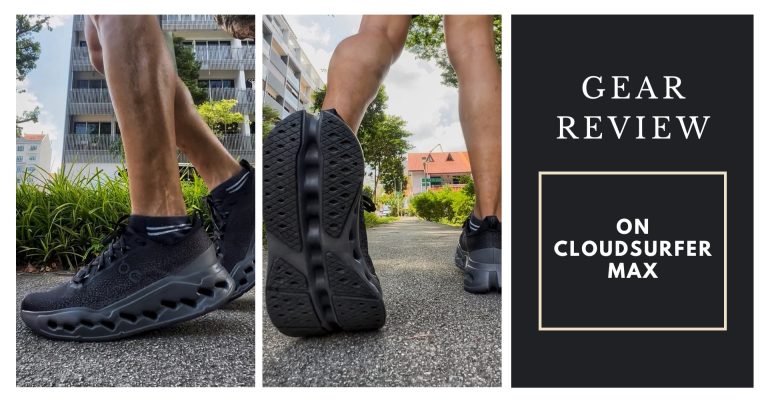
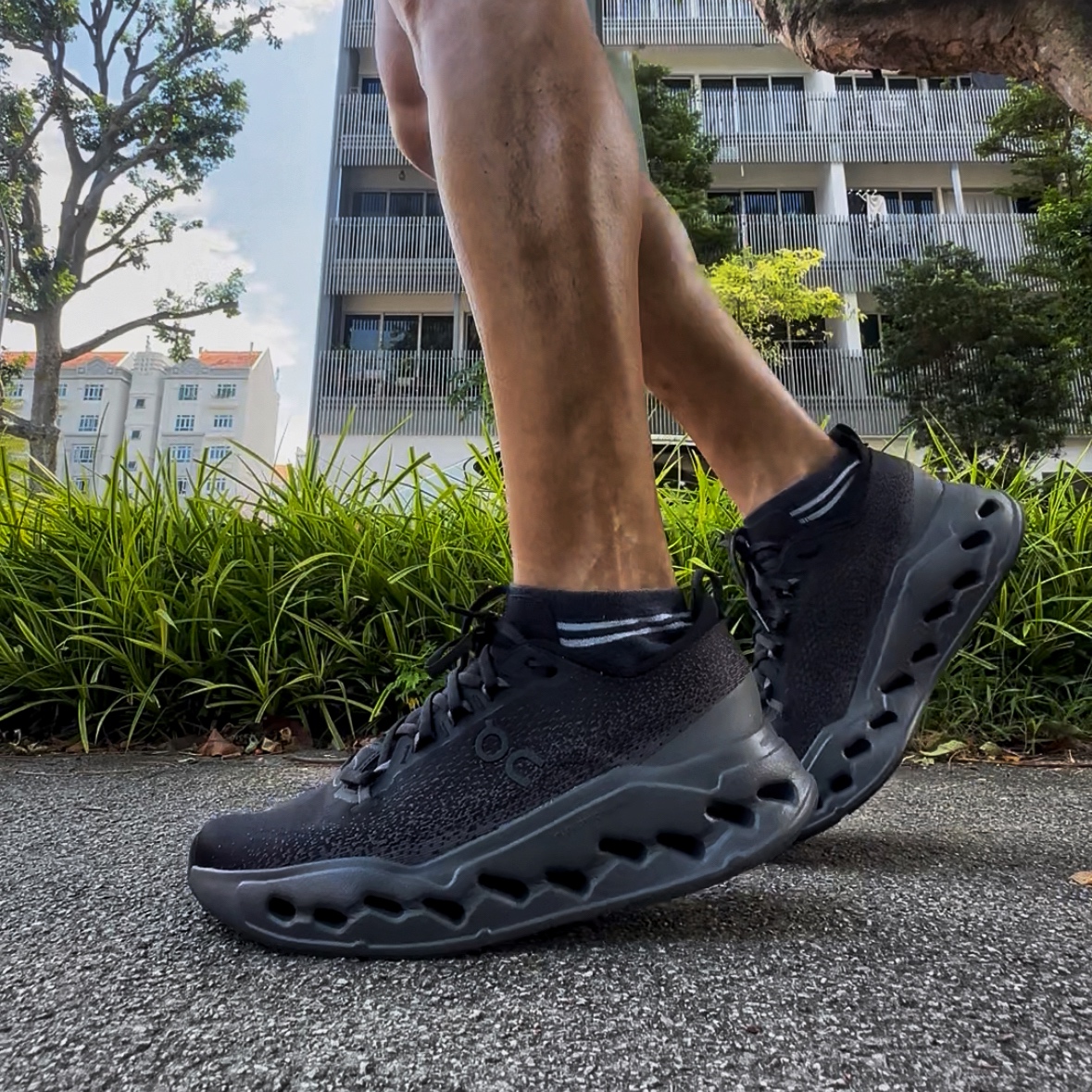
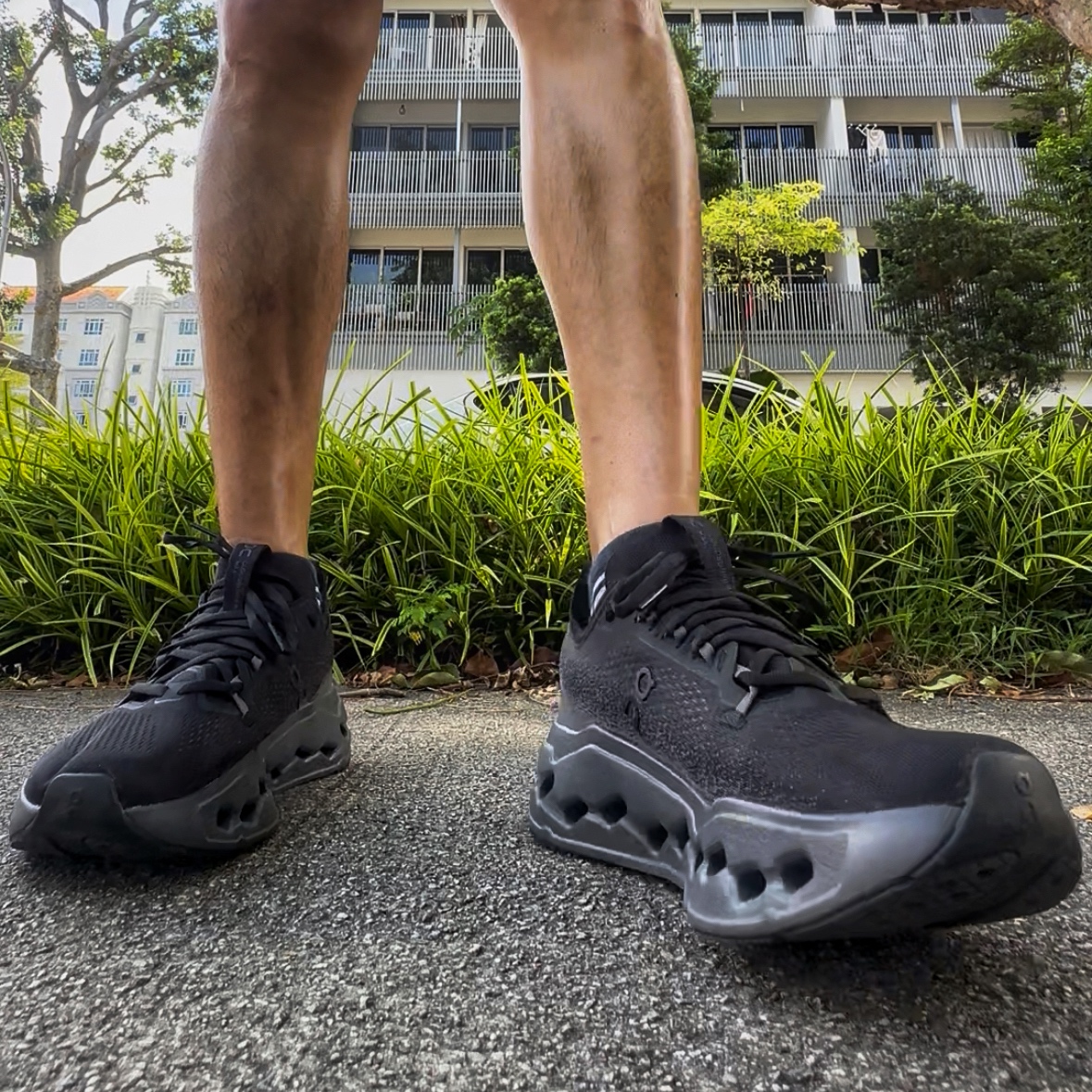
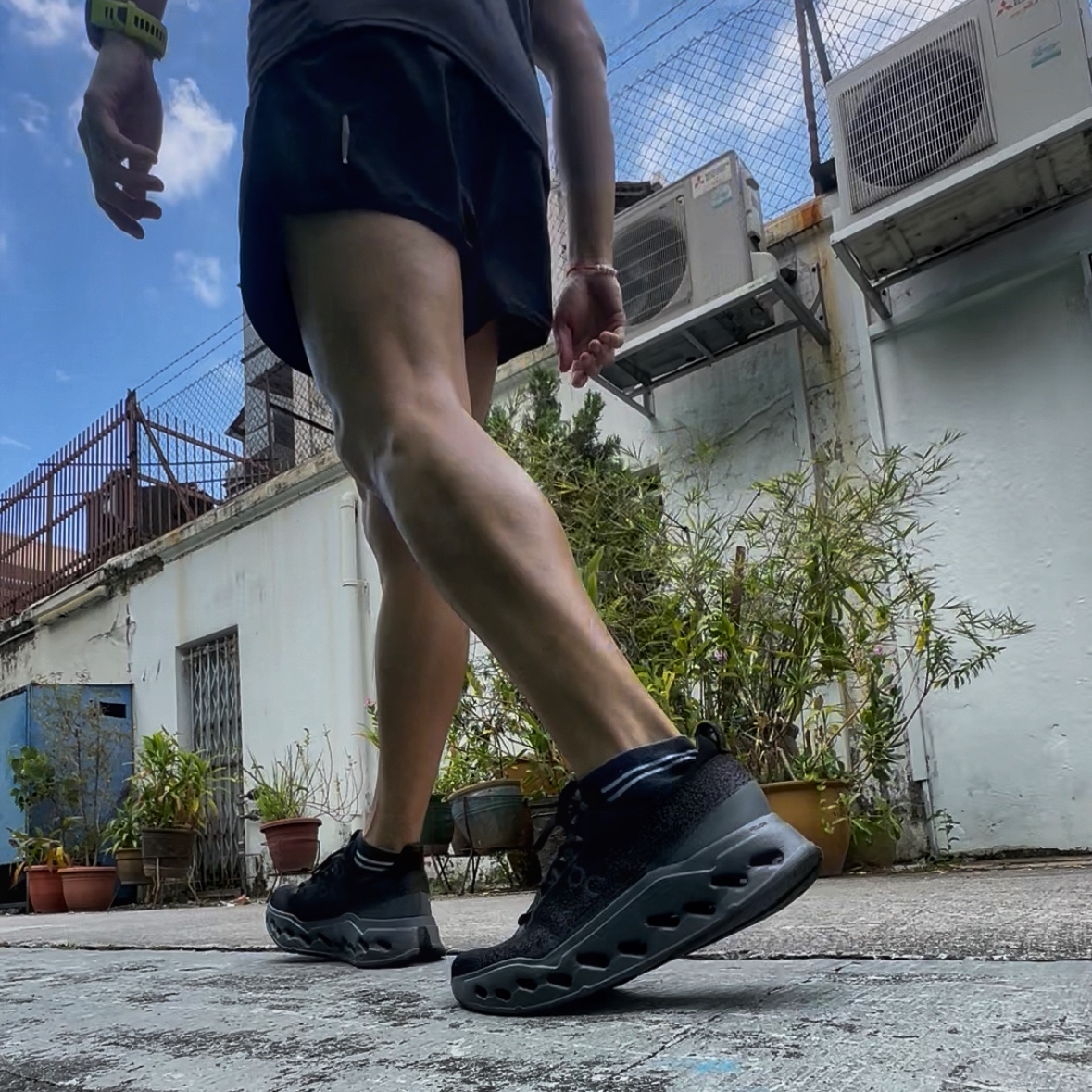
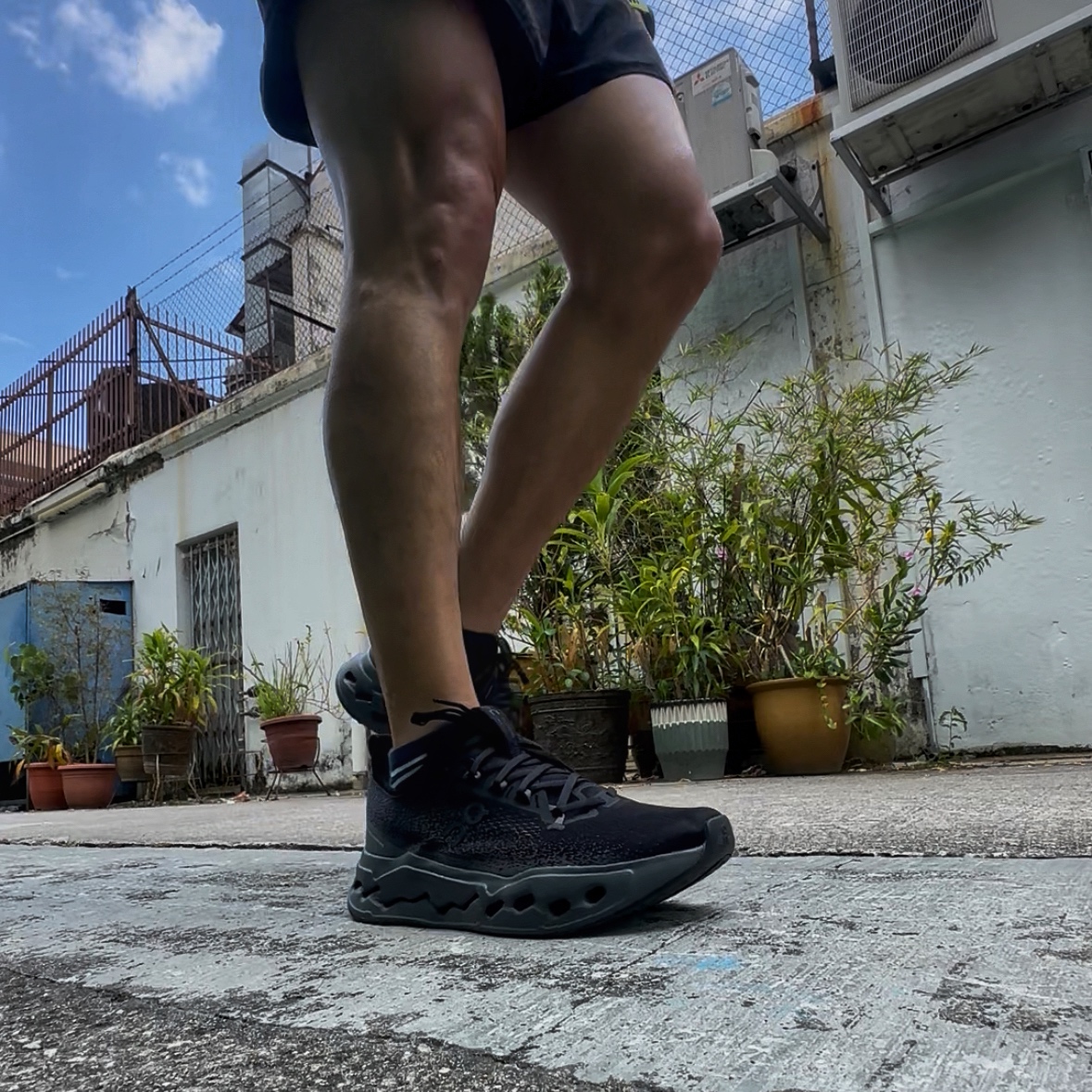
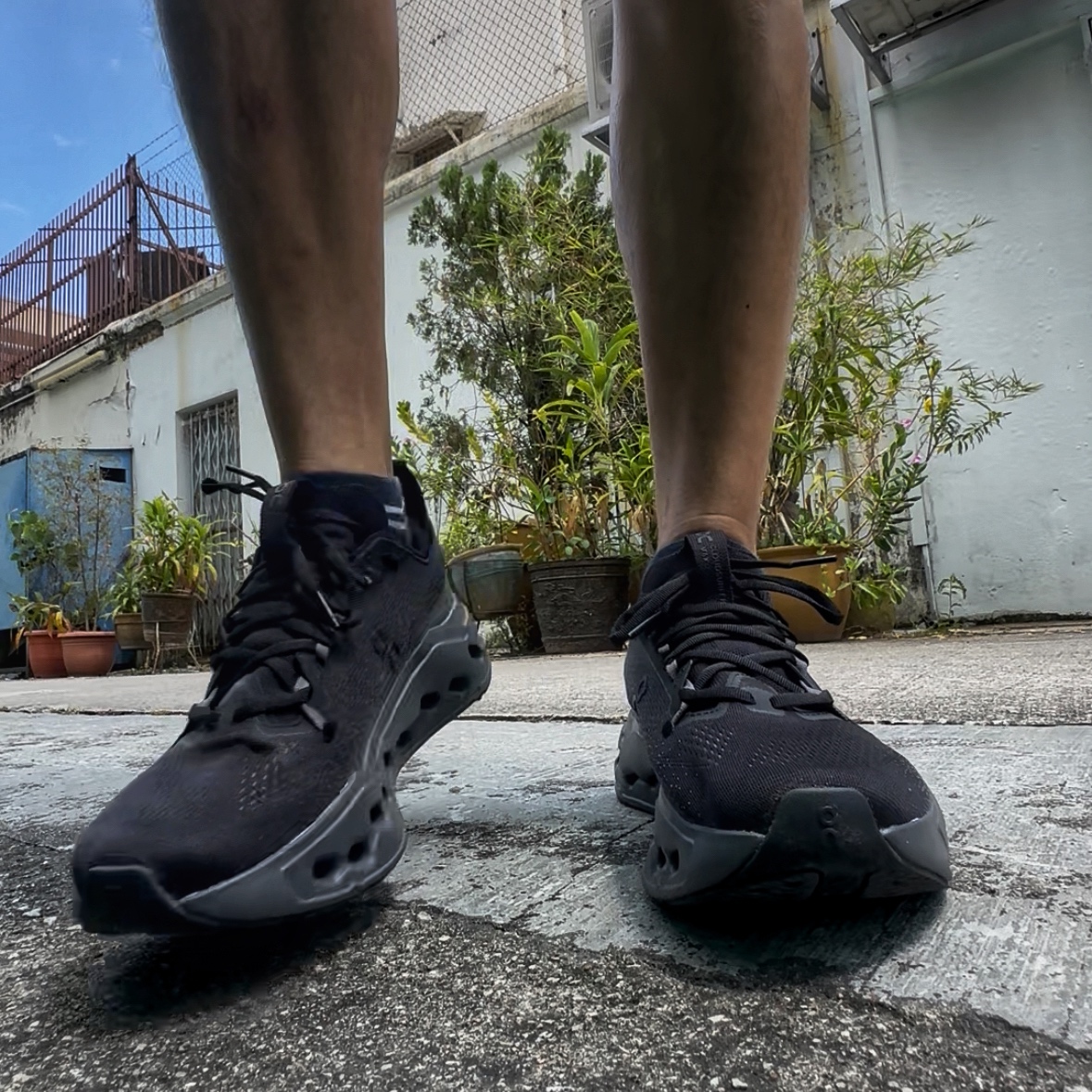
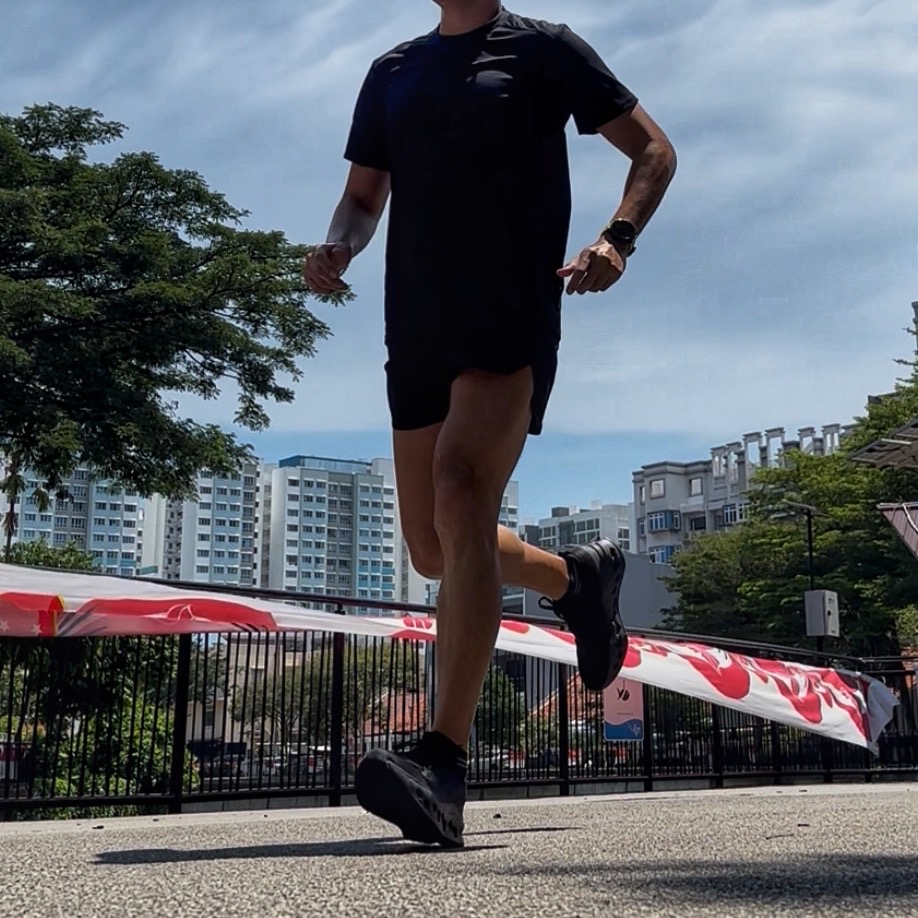
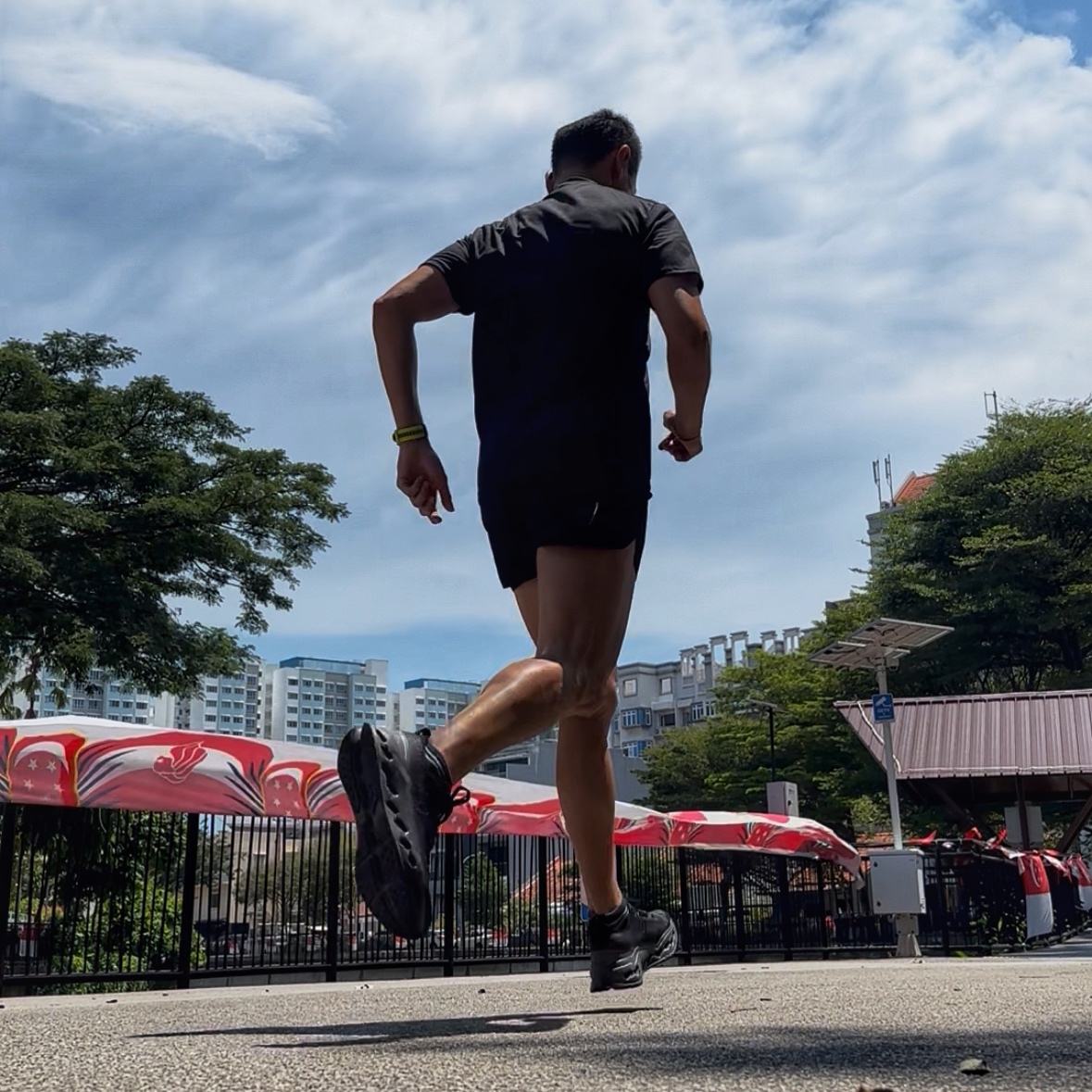
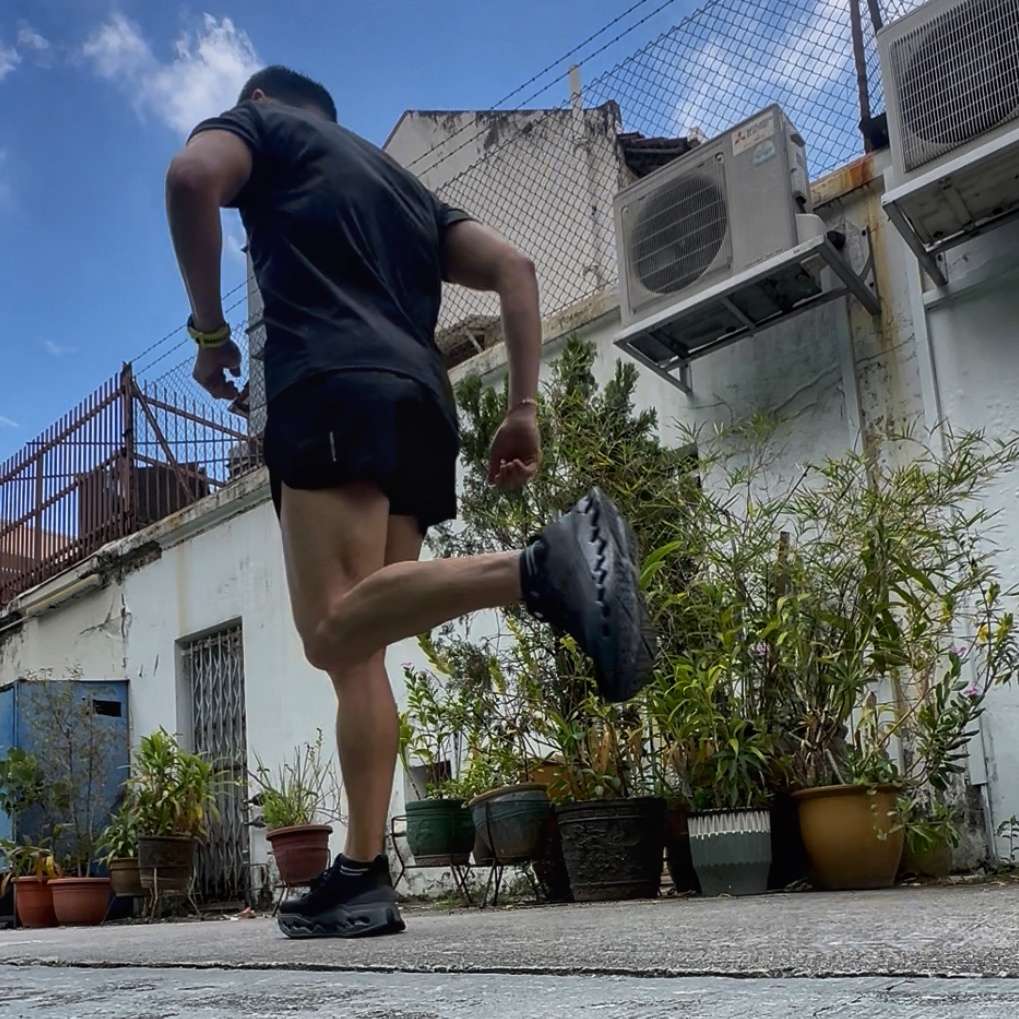
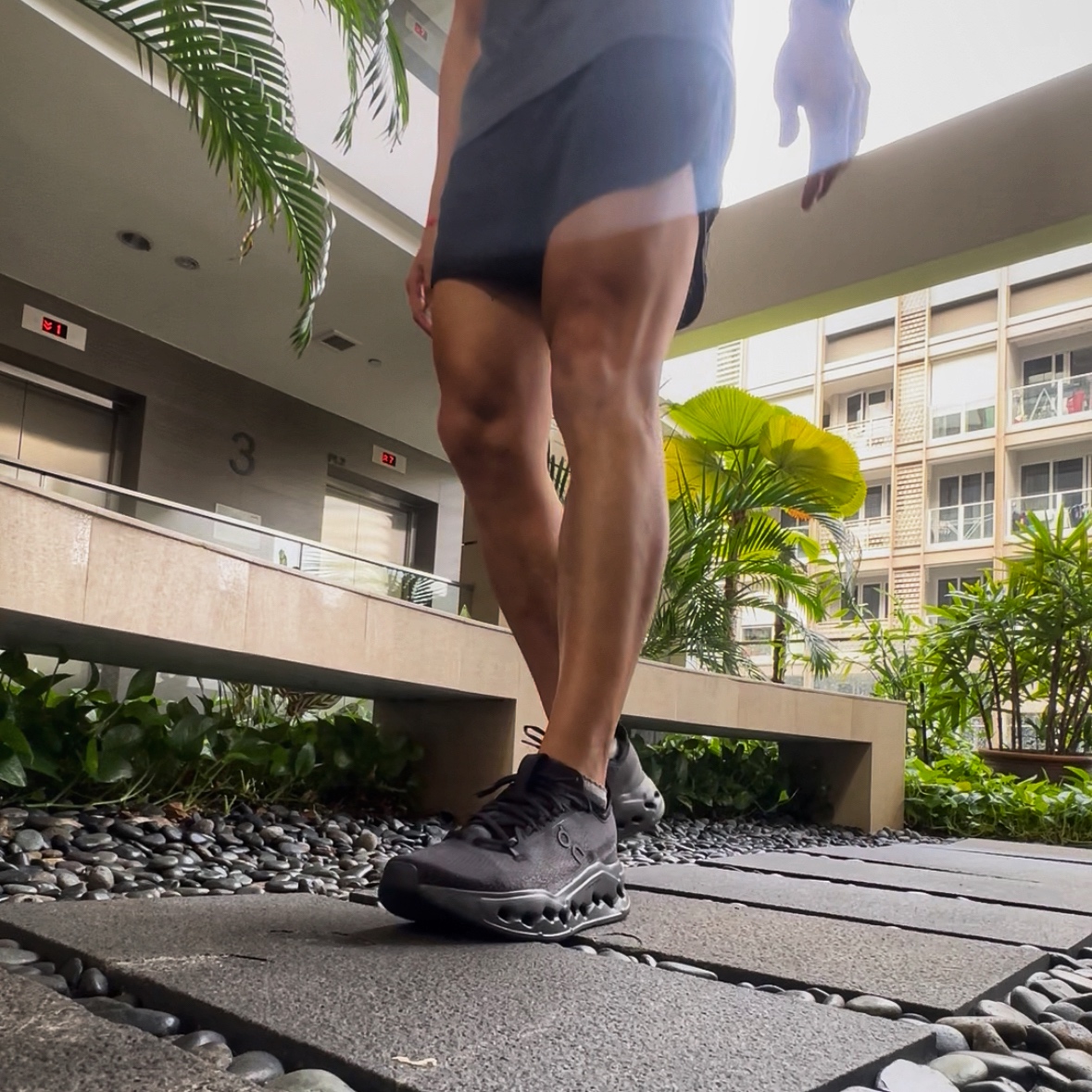
The On Cloudsurfer Max is On’s newest foray into the max-cushioned daily trainer category. It replaces the On Cloudeclipse in their lineup and is positioned above the Cloudsurfer 2. The Cloudsurfer Max is designed for runners who want generous cushioning, a smooth ride, and a comfortable platform for long and easy runs. It brings together On’s CloudTec® Phase technology and Helion™ superfoam, aiming to balance cushioning with a stable rocker geometry.
Design
1. Upper Materials & Construction: The Cloudsurfer Max uses an engineered mesh upper that is breathable, somewhat stretchy, and well-ventilated. It features a flatter knit collar and a gusseted tongue to improve lockdown and reduce slippage. The eyelets and lace setup are designed for a secure fit, though some runners mention that the tongue and overlays can bite slightly in places.
2. Midsole & Cushioning Elements: The midsole combines CloudTec® Phase pods with Helion™ superfoam. The “double layer” of cushioning means that there are two stages of cushioning pods that compress sequentially upon landing to soften impact; the Helion™ foam gives structural support and cushioning. The rocker design helps smooth heel-to-toe transitions.
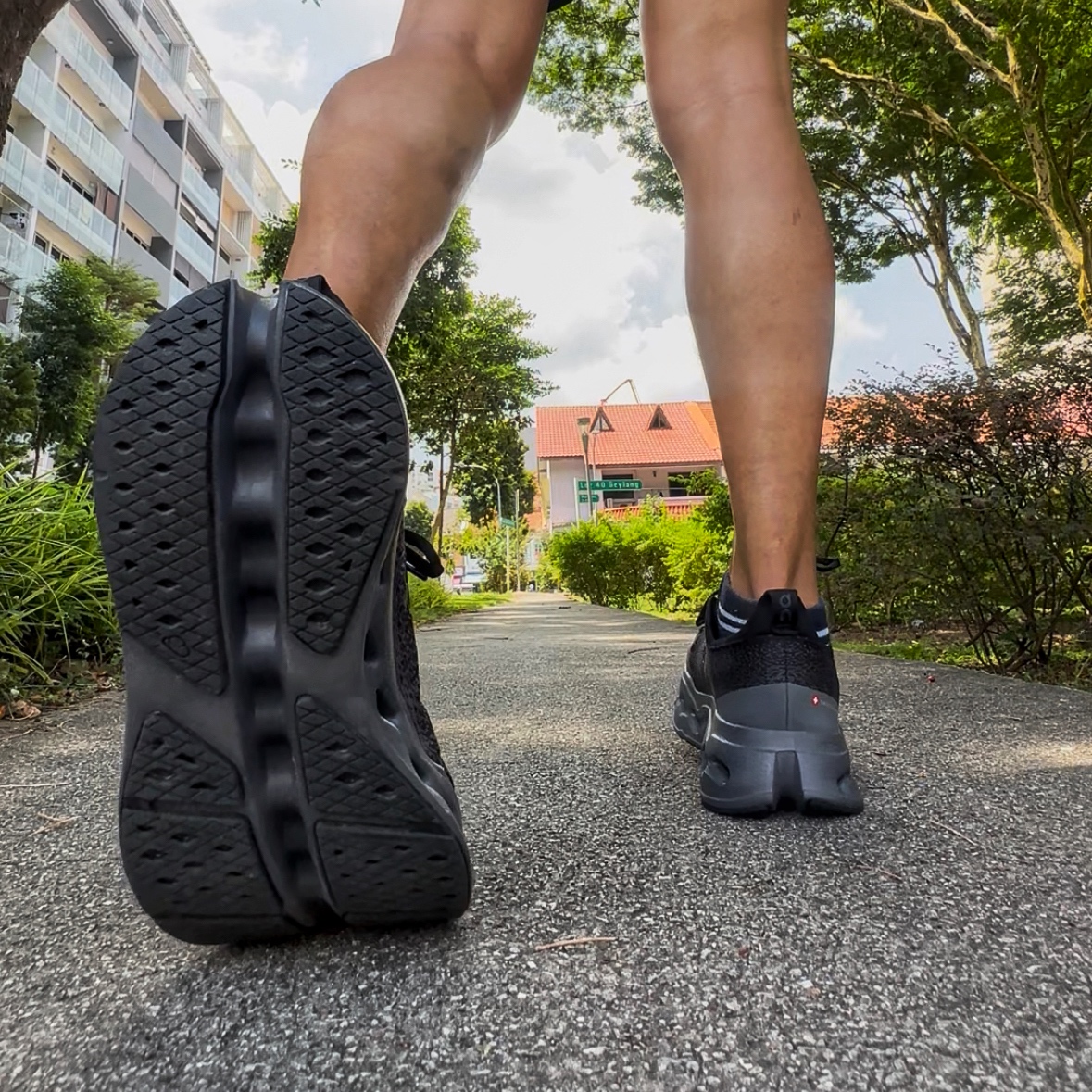
3. Outsole: Rubber is placed in high-wear zones to provide grip and durability. The outsole includes a midline groove and cut-out channels for flexibility and lighter weight. There is full rubber coverage in many areas, improving traction, especially on wet/dry road surfaces.
4. Weight / Stack / Drop: It has a heel stack height of around 36 mm, a forefoot of around 30 mm, giving a 6 mm drop. It’s heavier than its less cushioned siblings: the men’s version is ~10.2 oz / 292-g (size US 9), while other trainers from On are lighter.
Fit and Comfort
1. Fit: Generally true to size. Midfoot lockdown is praised: the gusseted tongue and padded heel counter help secure the foot. The forefoot has a decent width, though some runners with wider forefeet say it could be roomier.
2. Comfort: From the first few steps, the shoe gives a comfortable, plant-cushioned feel. There is a break-in period: the cushioning may feel firmer initially, then softens and becomes more forgiving after a few runs. The upper is breathable and soft; padding around the heel and tongue adds to comfort.
3. Potential Fit Issues: Some testers noted that the tongue overlays or some parts on the forefoot may press slightly if laced tightly; others found the shoe heavy, which can affect perception of comfort on easy, slow runs.
Performance
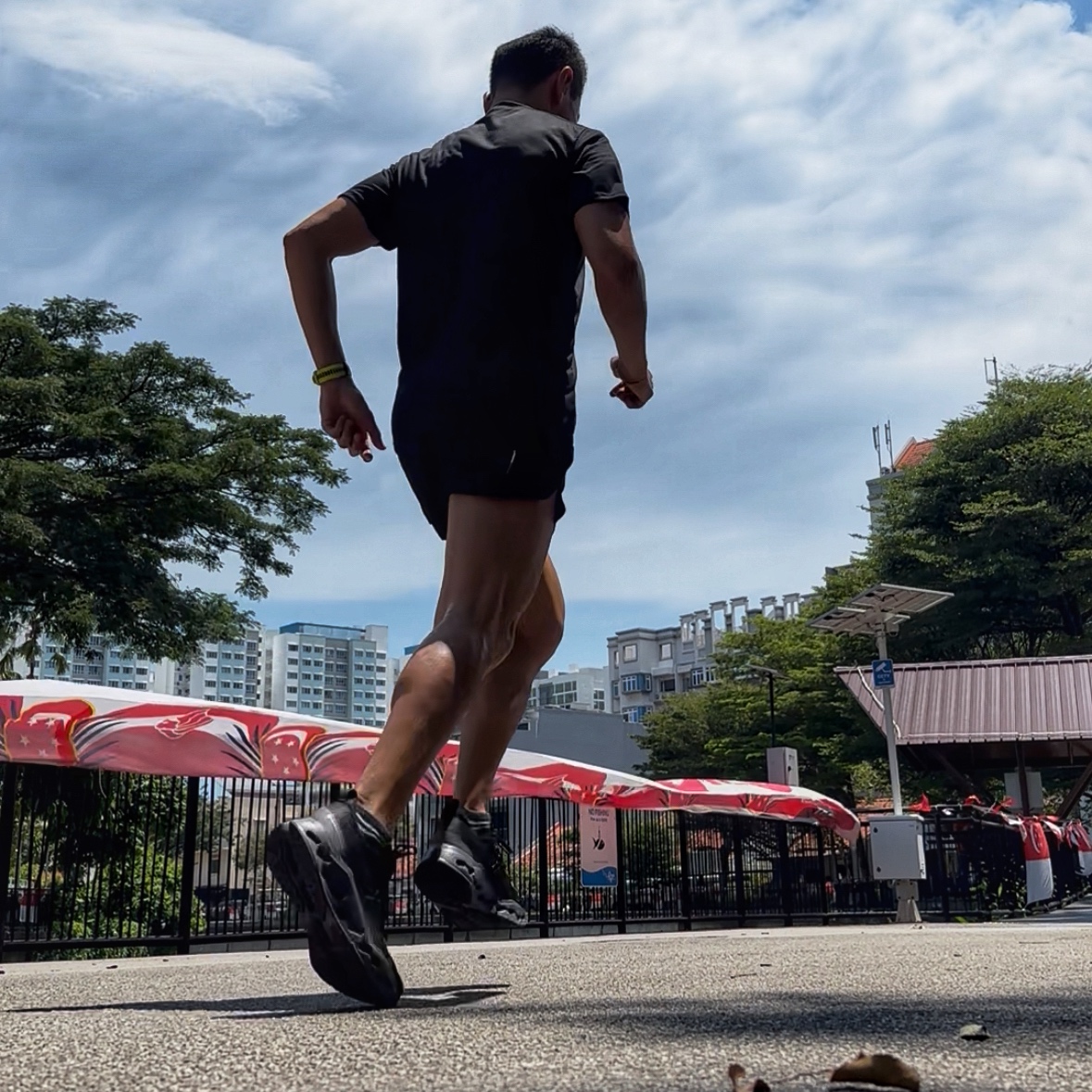
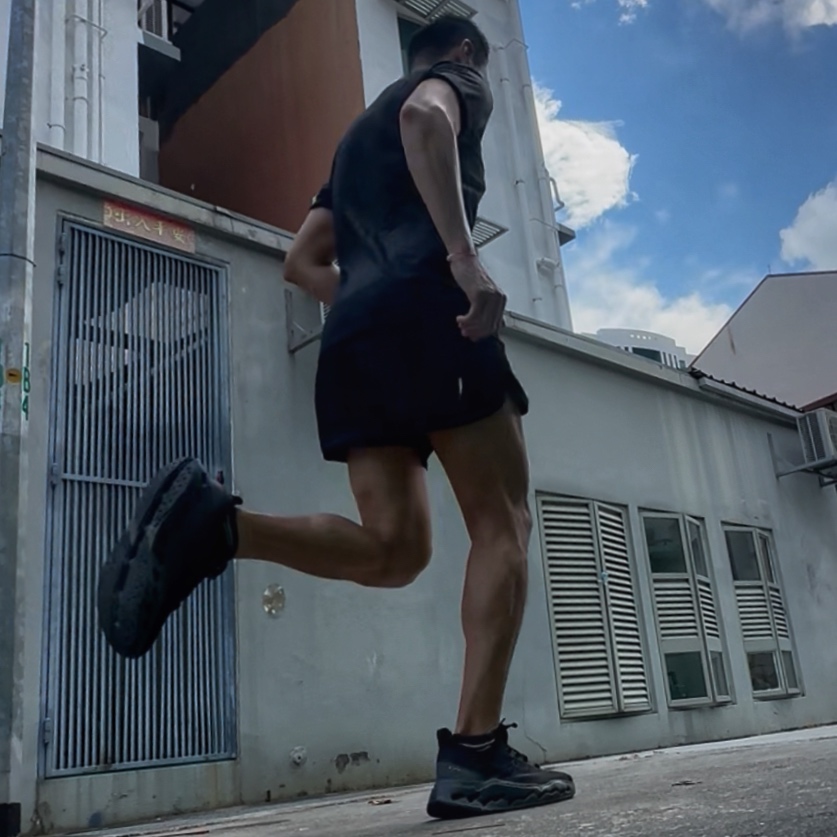
1. Ride Feel: The shoe delivers a “smooth, shock-absorbing” ride especially for long, easy runs and recovery runs. The rocker design and sequential CloudTec® Phase cushioning pods help reduce impact and improve transition. It doesn’t have a carbon plate: performance comes from foam and geometry rather than speed-focused tech.
2. Responsiveness & Speed: While not designed as a speed trainer, it does respond decently at moderate paces. However, compared to lighter max-cushioned options, it lacks spring or bounce when pushing harder. For fast intervals or tempo runs, runners might prefer something else.
3. Stability / Roll-over: The 6 mm drop plus the firmish-midsole structure gives a stable ride. Runners report that despite the cushioning, the shoe does not feel “mushy” or overly unstable. The midsole rocker helps maintain smooth gait transitions over road surfaces.
Durability
1. Outsole Wear: The rubber in high-impact zones shows good durability. Reviewers note that the outsole retains traction even after noticeable wear. The rubber pods protect key areas from abrasion.
2. Midsole Lifespan: The cushioning remains serviceable for long mileage; runs of 500km estimates or more are mentioned as reasonable expectations before seeing performance decline. Though some testers felt cushioning softened, the ride remained consistent.
3. Upper Durability & Build Quality: The engineered mesh is of high quality, with breathability and support. Some overlays may press, but the general build (heel cup, collar padding, lockers) holds up well. No major durability concerns beyond typical wear and tear were reported.
Conclusion
Strength:
A highly cushioned daily trainer is great for long, easy, and steady runs. Smooth transitions, solid grip, premium upper comfort, stable platform despite max cushioning, and good durability on roads.
Trade-off:
It’s not the softest or lightest max-cushion shoe; it’s less suited for tempo runs or those wanting a very plush ride out of the box. The price is premium, and weight could be a limiting factor for some runners.
Best Suited For:
Runners who do high weekly mileage, especially long, easy runs or recovery runs on roads.
Neutral runners who prefer cushioning and ride smoothness over speed or responsiveness.
Those who like a premium build, good lockdown, and aren’t overly concerned about the highest level of softness or ultra-light weight.
Not ideal for speed workouts, tempo races, or those who want maximum bounce or soft plush feel immediately.
The On Cloudsurfer Max is a solid pick for runners wanting a dependable daily trainer that can soak up plenty of miles with comfort and smoothness. If you’re chasing comfort for long runs or walking + jog combinations, this shoe delivers a premium experience. If your priority is speed, racing, or ultra-soft cush on every step, there are alternatives that may better match those needs. But for what it is built to do, the Cloudsurfer Max mostly succeeds.
* Disclaimer: This review represents the genuine, unbiased views of the author. The author was provided with a free unit. On’s products have been and might currently be advertised on JustRunLah! via different channels, however, these relationships do not influence the editorial content of reviews.
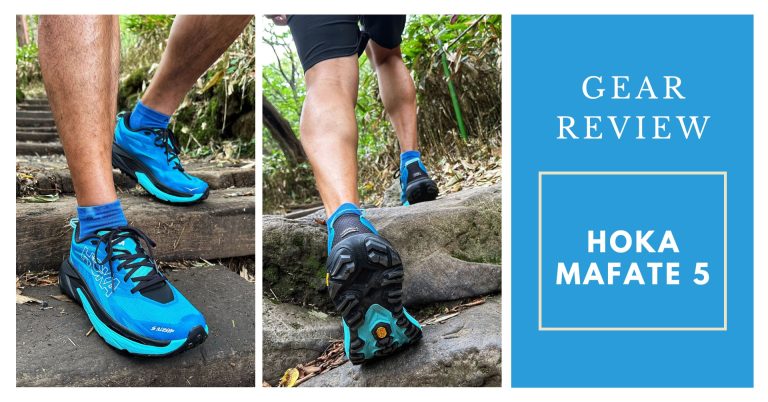
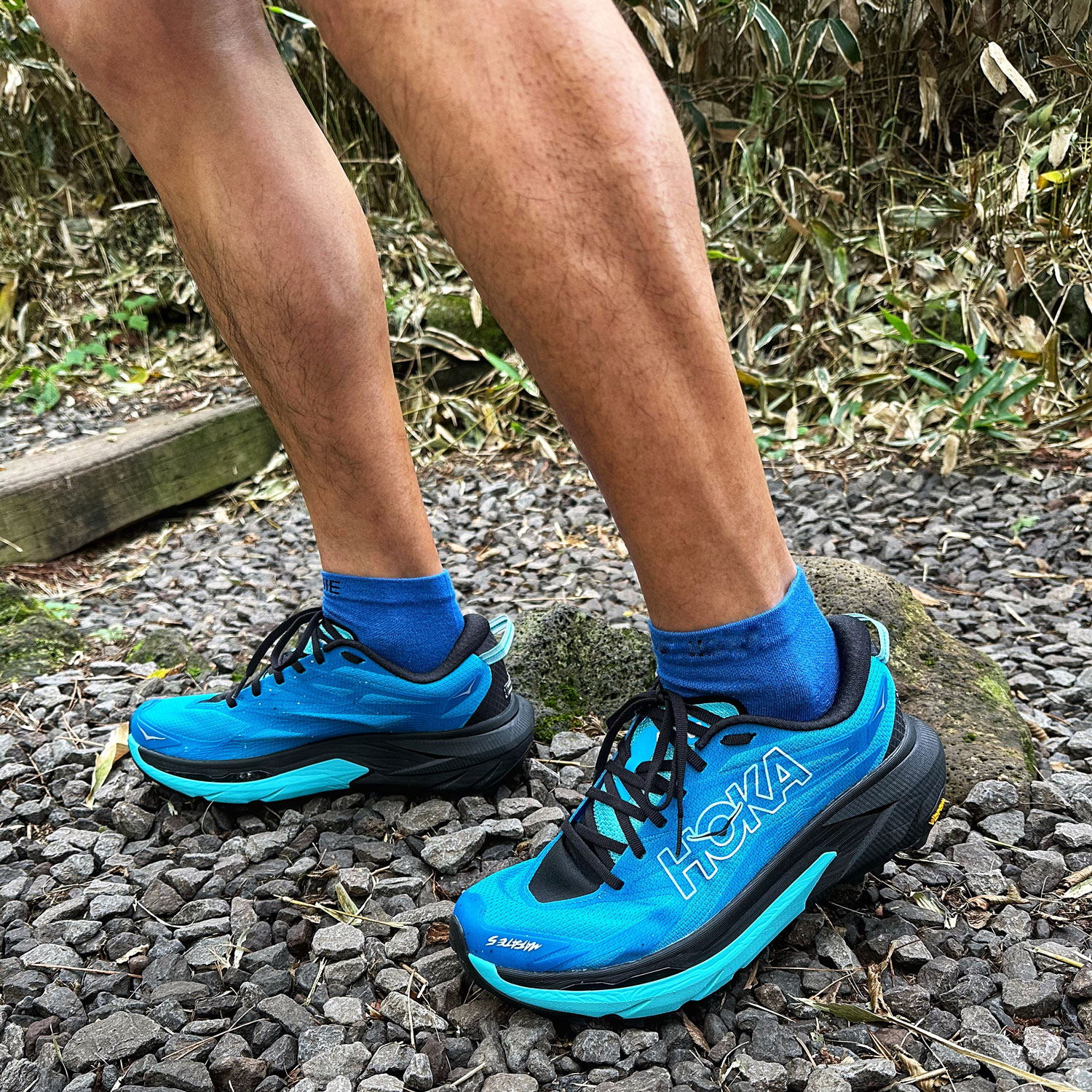
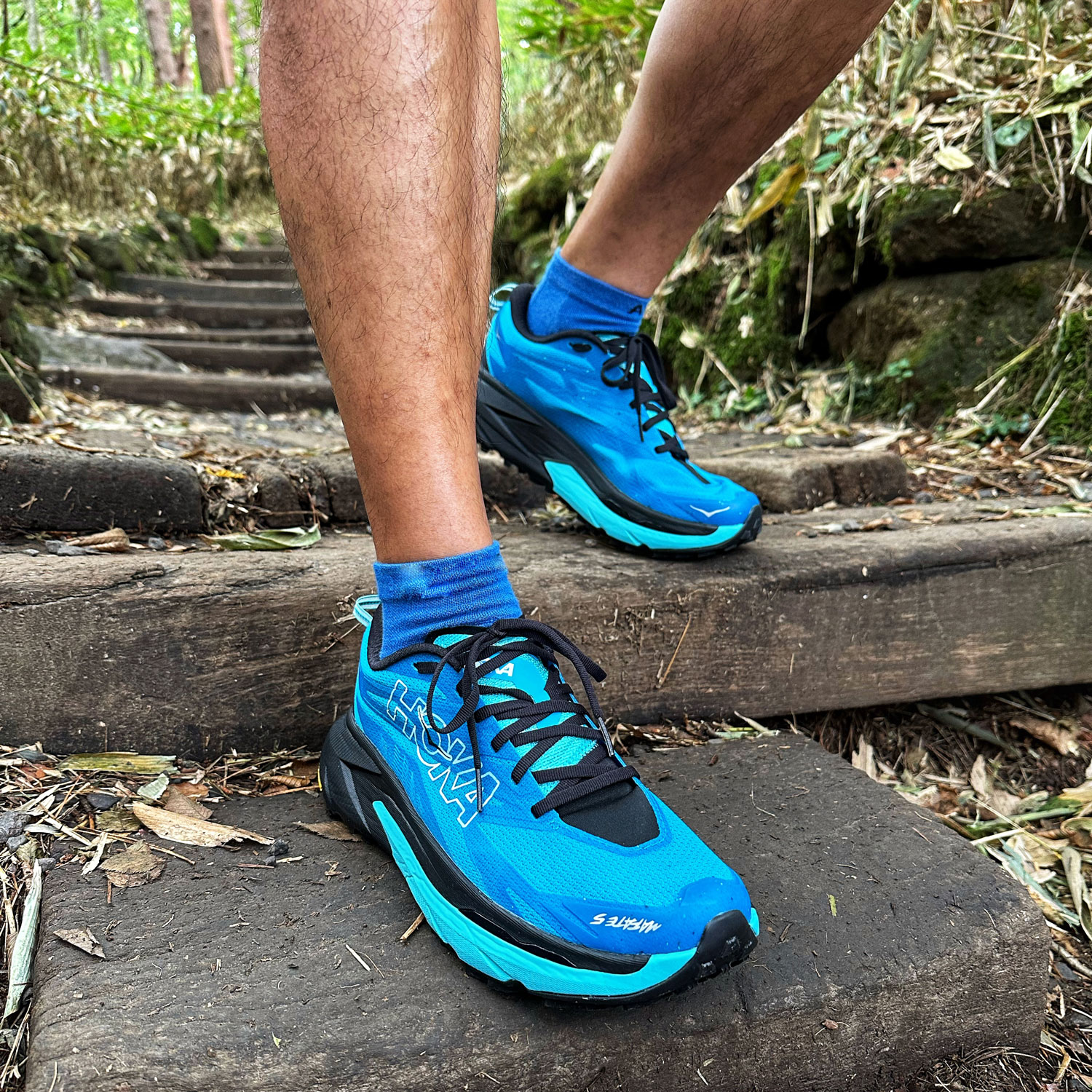
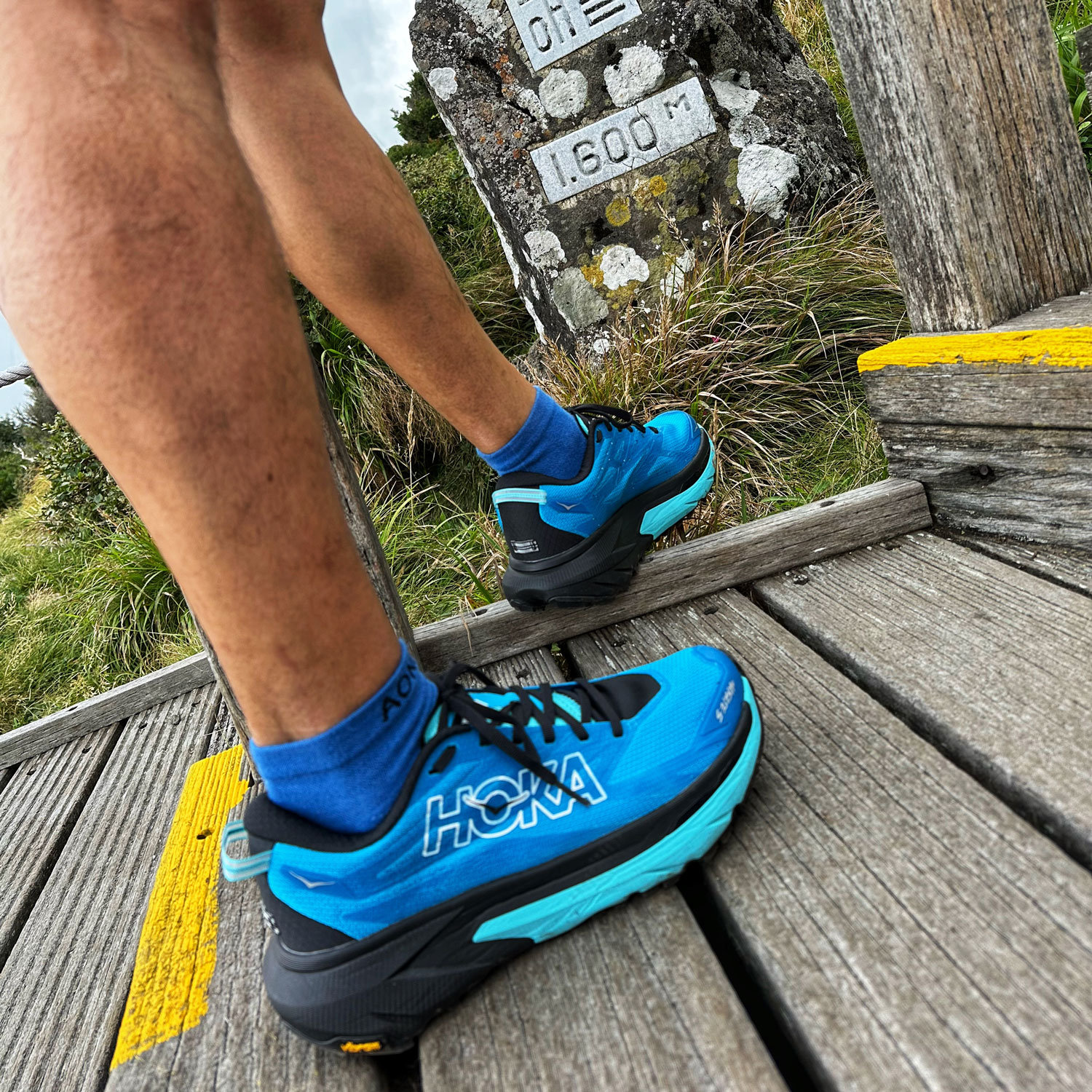
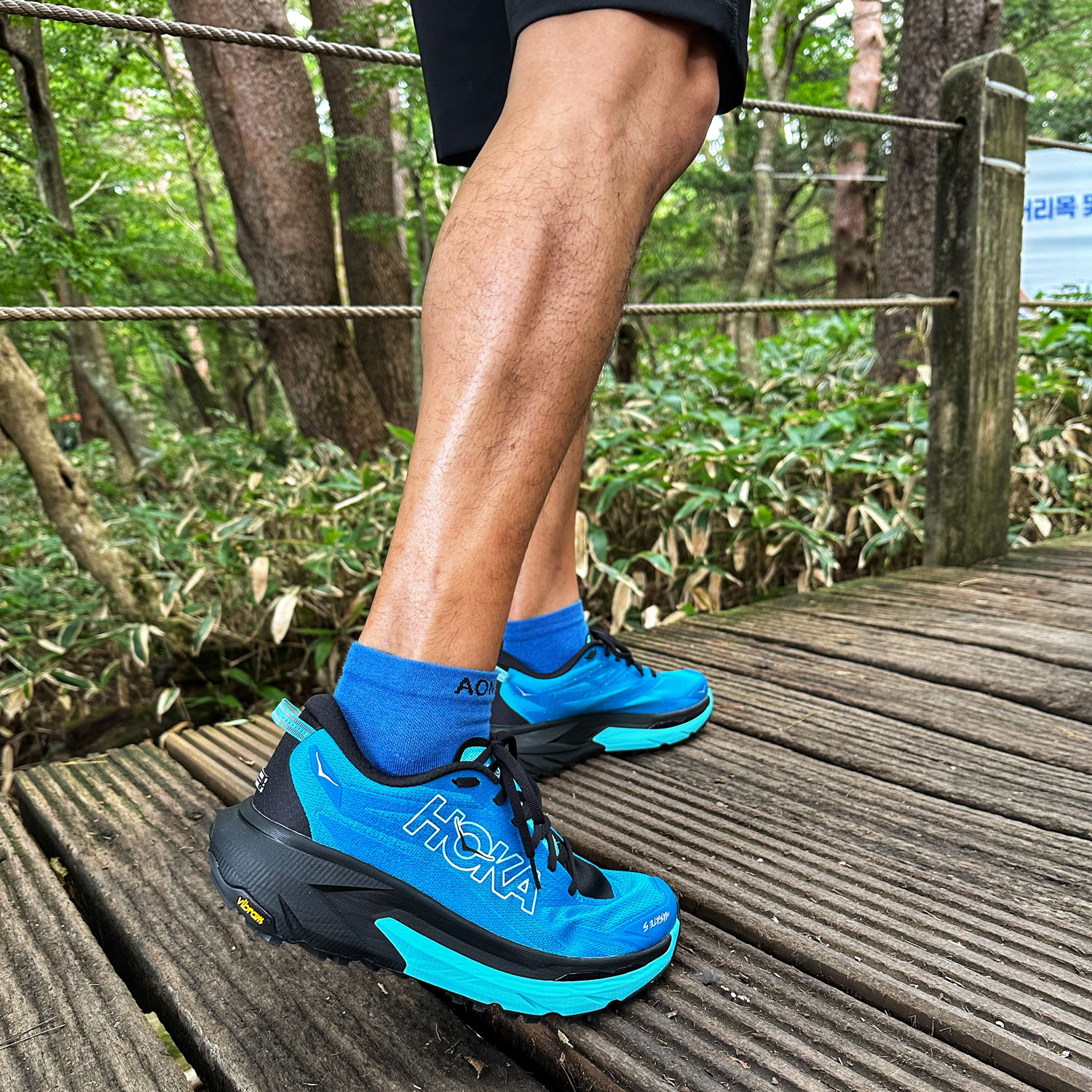
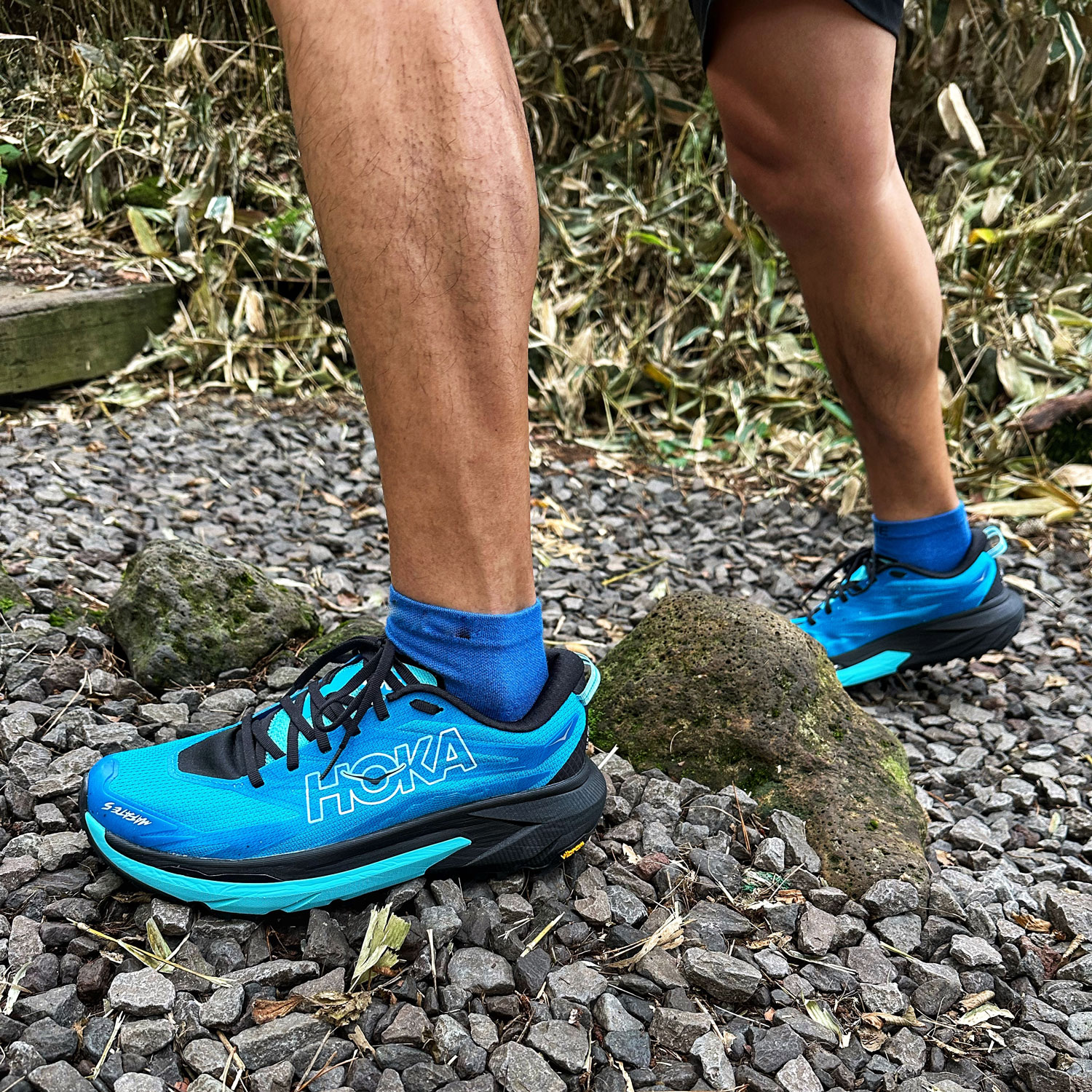
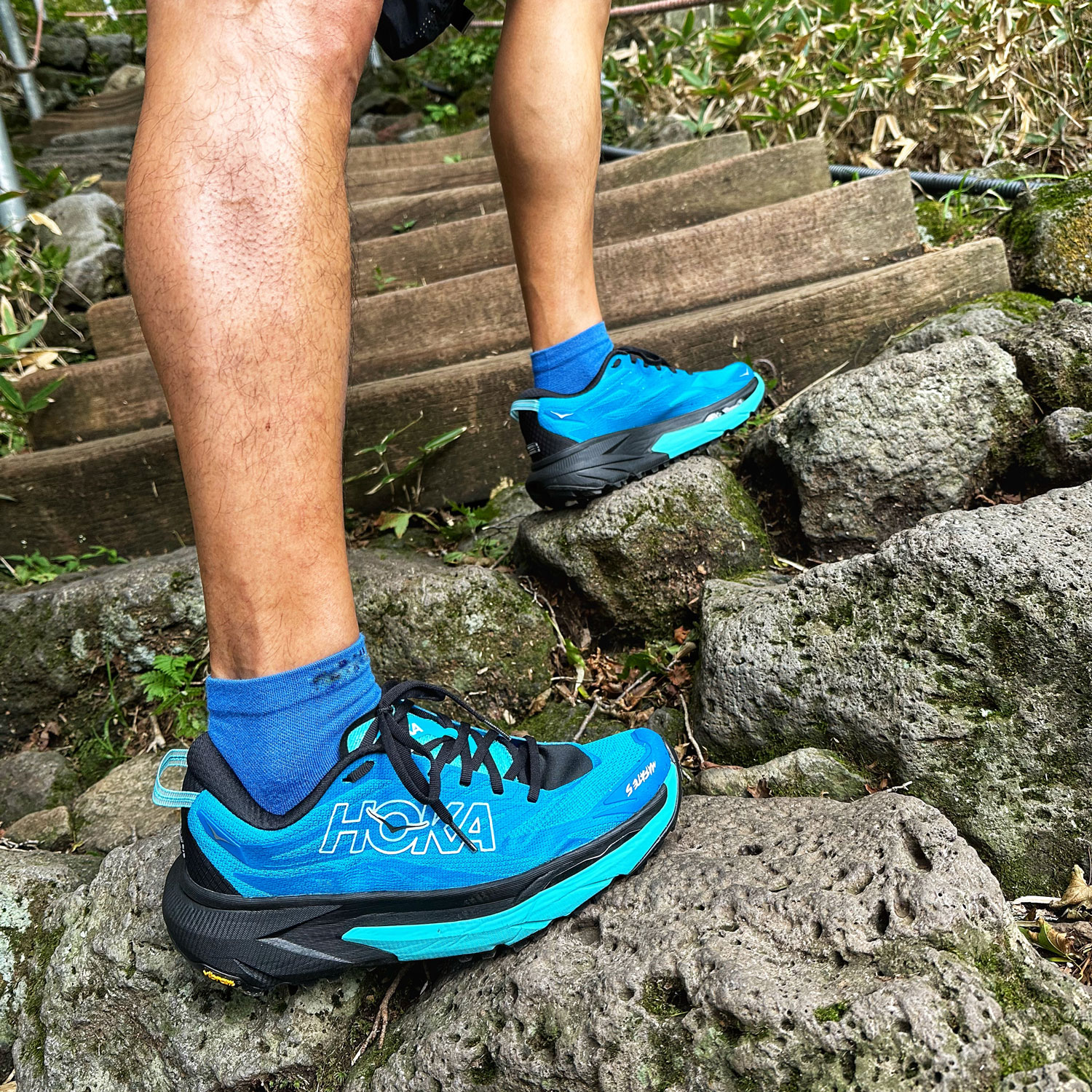
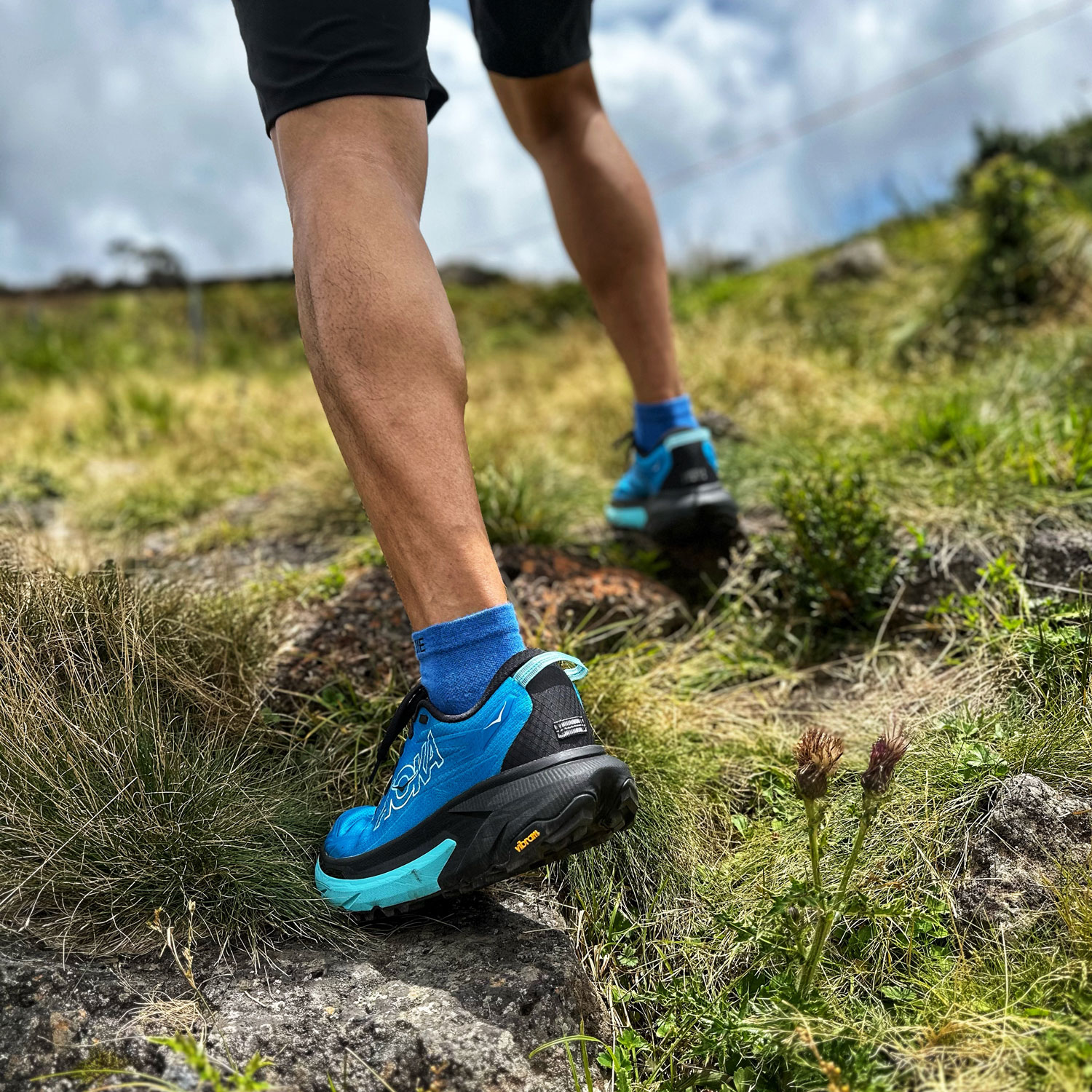
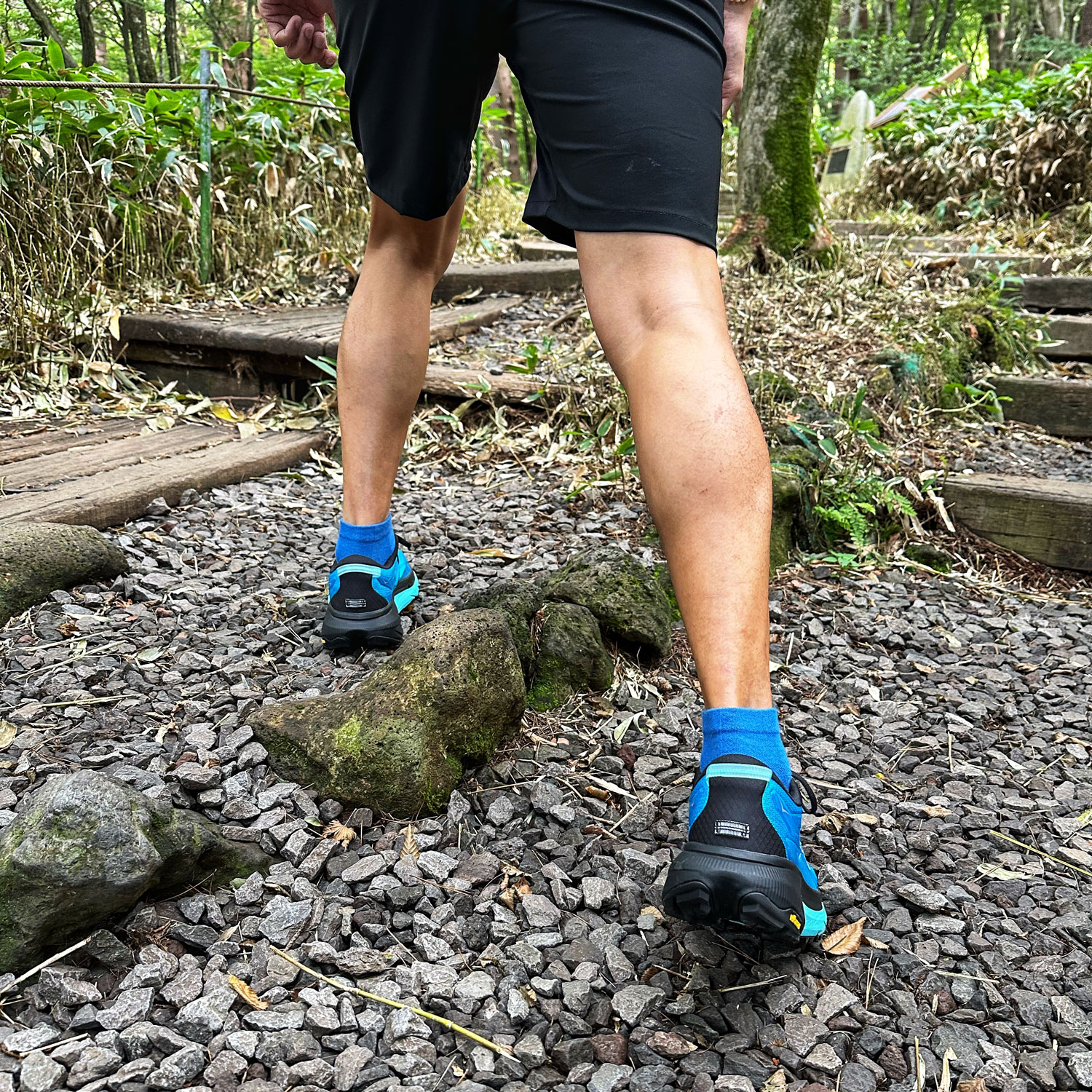
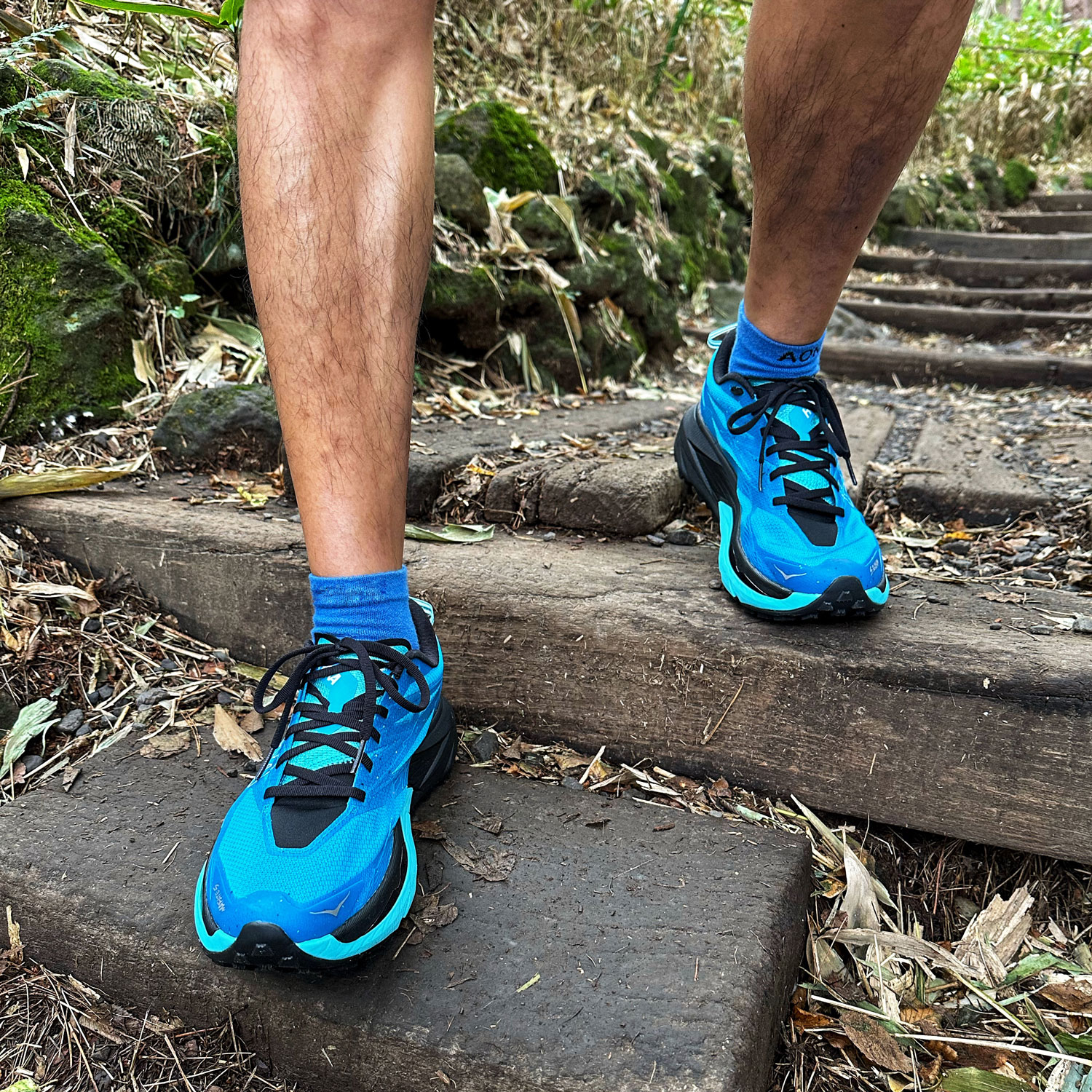
The Hoka Mafate 5 marks a bold evolution of HOKA’s celebrated trail-running line. Built for long distances and technical terrain, it blends plush cushioning, durable materials, and modern improvements like Dual-Density Foams, Reinforced MetaRocker™ and Vibram Megagrip® outsole—making it HOKA’s most sophisticated trail shoe to date.
Design
1. Dual-Density Foams for Peak Comfort – Gives a uniquely dampened ride that absorbs impact.
2. Reinforced MetaRocker™forSteadfast Durability – Tackles uneven terrain for a steady, balanced ride.
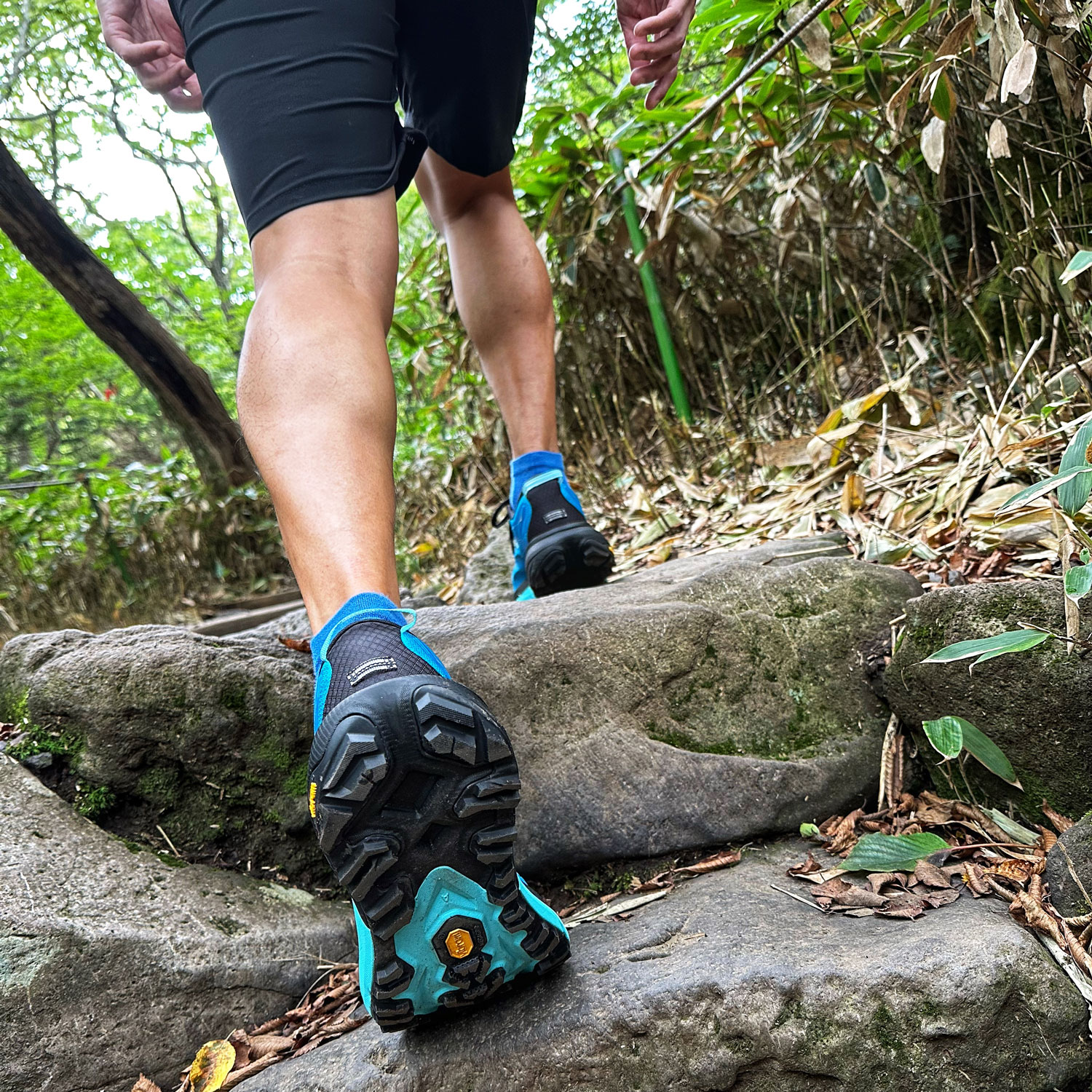
3. Vibram Megagrip® with Traction Lugs forNo Quit Grip – Premium and enhanced control on tough terrain.
Bonus Feature A HOKA first, the Mafate 5 offers Gaiter Compatibility for added protection against the elements.
Fit and Comfort
1. True-to-Size Fit: The sizing is consistent with other Hoka models, offering a secure midfoot and sizable toe box.
2. Comfort: Great for its plush ride—especially the heel, which feels soft and protective.
3. Tongue & Breathability: The tongue is minimal and less padded, reminiscent of the Mafate X, and the upper, while durable, can feel warm during long or hot runs.
Performance
1. Cushioning & Energy Return: The midsole’s supercritical EVA core offers a soft but responsive feel, especially rewarding on downhill sections.
2. Stability & Rocker Support: Rocker Integrity Technology maintains efficient stride mechanics, even under prolonged mileage.
3. Traction: Vegged with grippy Vibram lugs that hold well on diverse terrain, though they may collect mud in slick conditions.
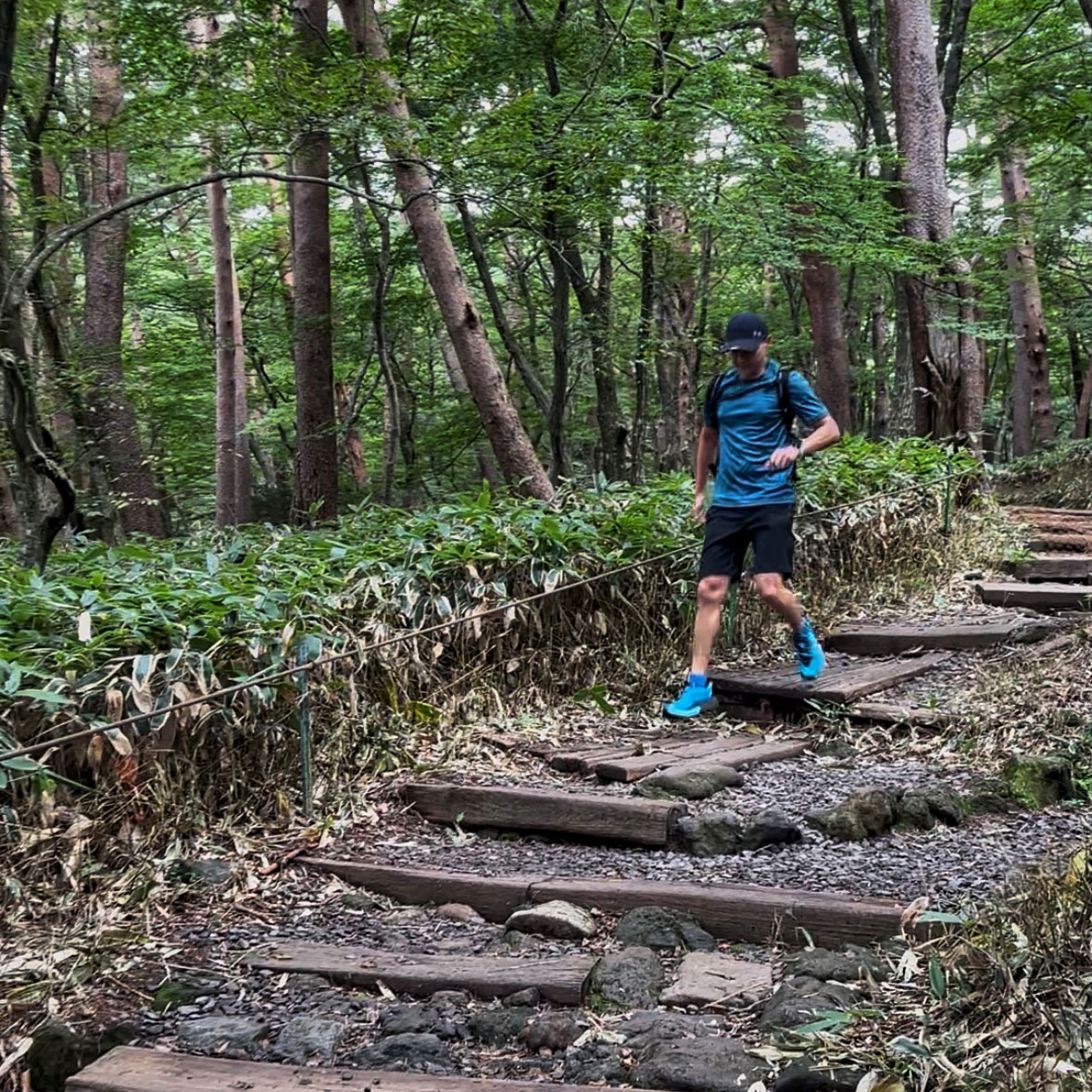
4. Ride Feel: While heavier and slower than the previous Speed 4 version, the Mafate 5 delivers an indulgent, comfortable trail experience with strong downhill confidence.
Durability
1. Upper Durability: The warp-knit with anti-fray treatment and TPU cage protects well against trail wear and tear.
2. Endpoint Foam Longevity: It was reported that with over 100 miles of running, the midsole retains its spring and cushioning integrity.
3. Outsole Resilience: Built tough, though some users previously reported midsole-exposed wear in earlier versions—Hoka appears to have improved this in the 5.
Conclusion
Pros:
Exceptionally plush and protective cushioning
Excellent traction for varied surface conditions
Durable build optimized for long-distance trail running
Cons:
Heavier and slower ride compared to more agile models
Slight reduction in ground feel—less ideal on ultra-technical terrain
Heated upper may be warmer in humid climates like Singapore’s
Best Suited For: Ultra-distance trail runners, mileage-chasers, and those seeking a super-comfortable shoe with reliable grip and durability—especially on rolling or moderately technical trails. Not ideal for runners prioritising lightweight speed or maximal trail feedback.
The Hoka Mafate 5 stands out as a premium trail-running choice: plush, dependable, and built to last. If your adventures involve long hours on foot across rugged terrain, this shoe offers protection and performance—letting you focus on the miles, not the discomfort.
* Disclaimer: This review represents the genuine, unbiased views of the author. The author was provided with a free unit. HOKA’s products have been and might currently be advertised on JustRunLah! via different channels, however, these relationships do not influence the editorial content of reviews.
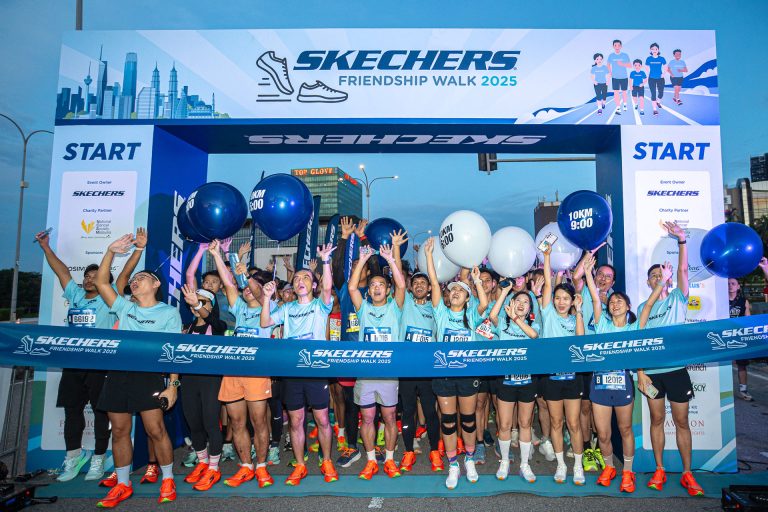
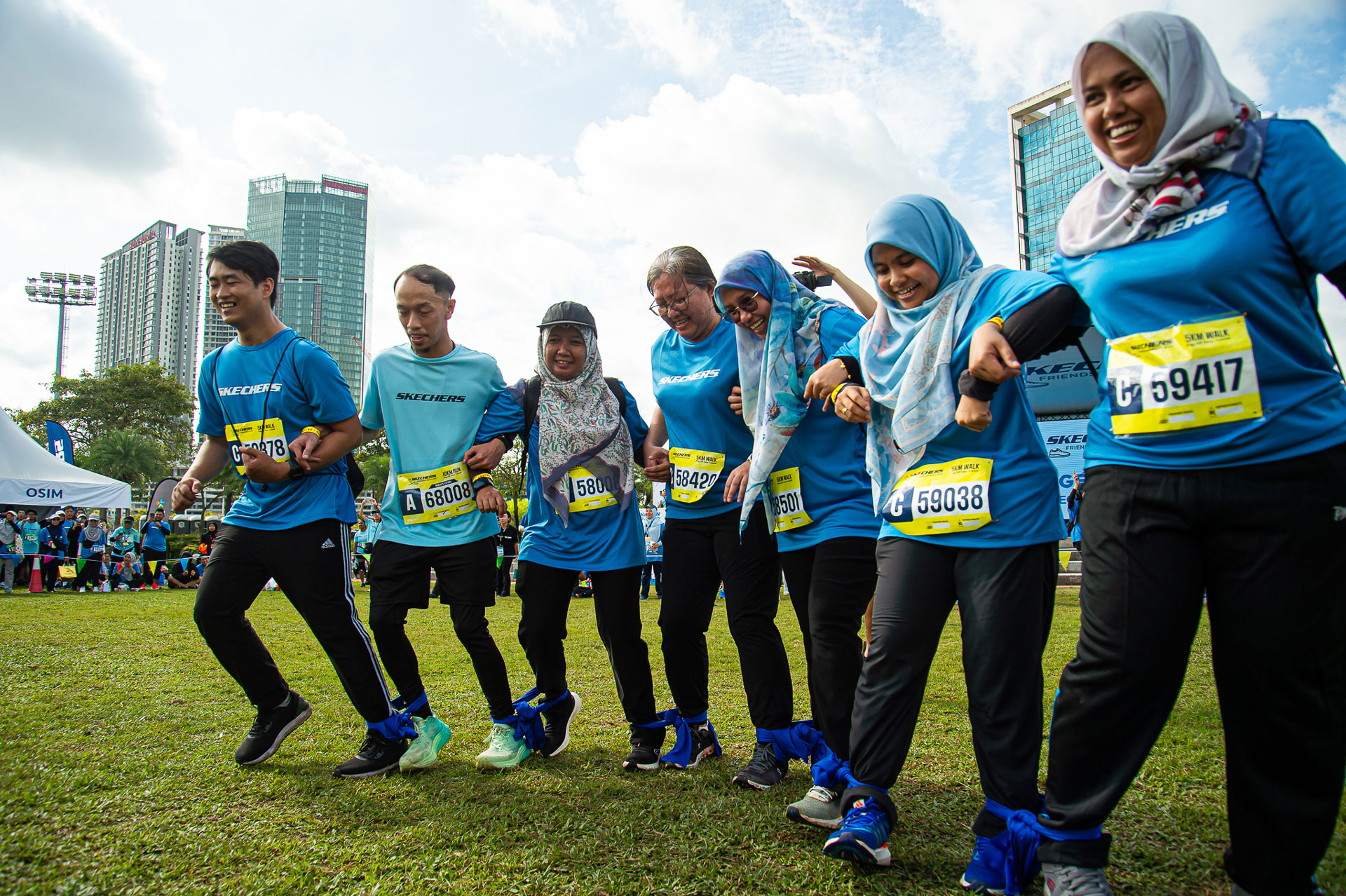
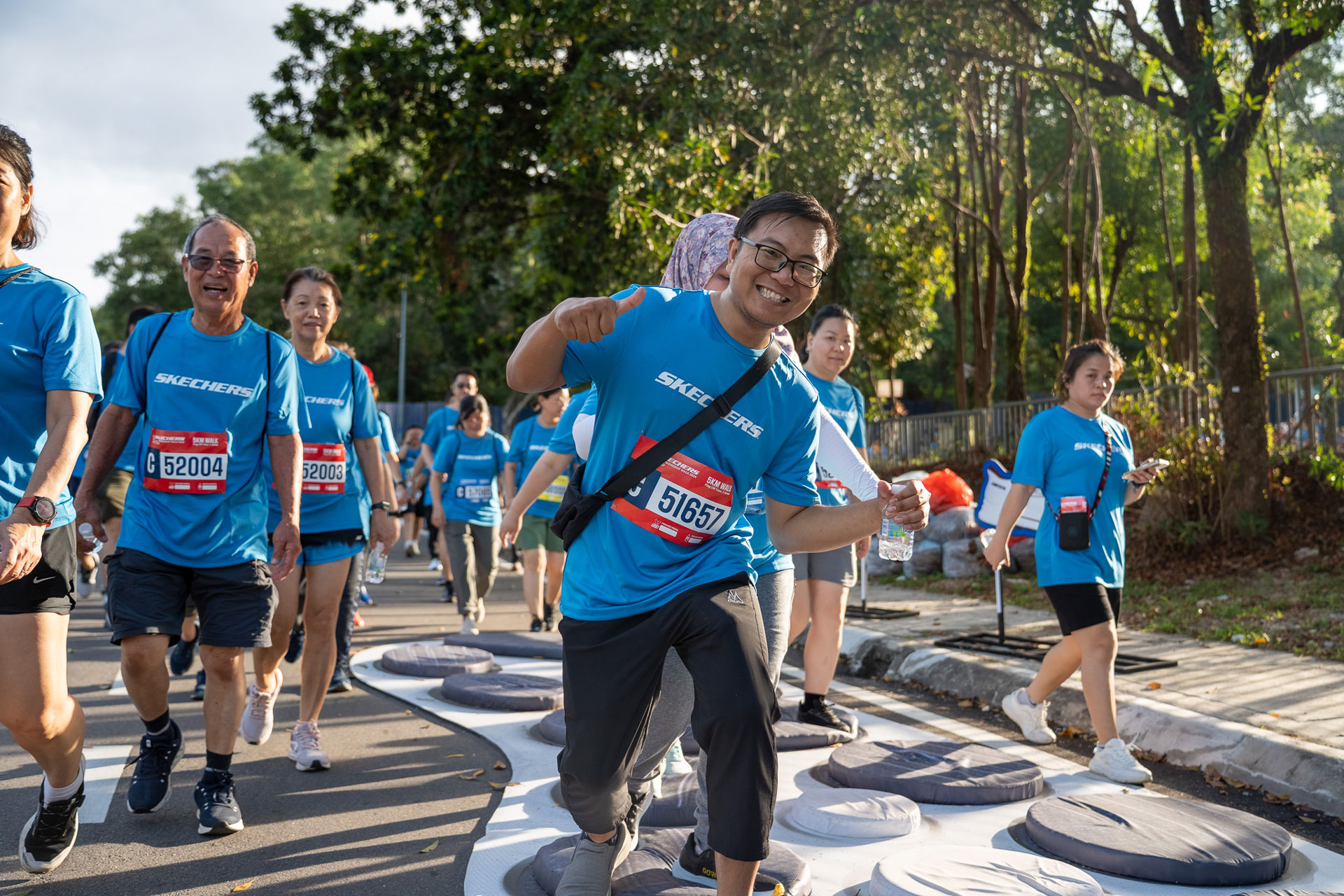
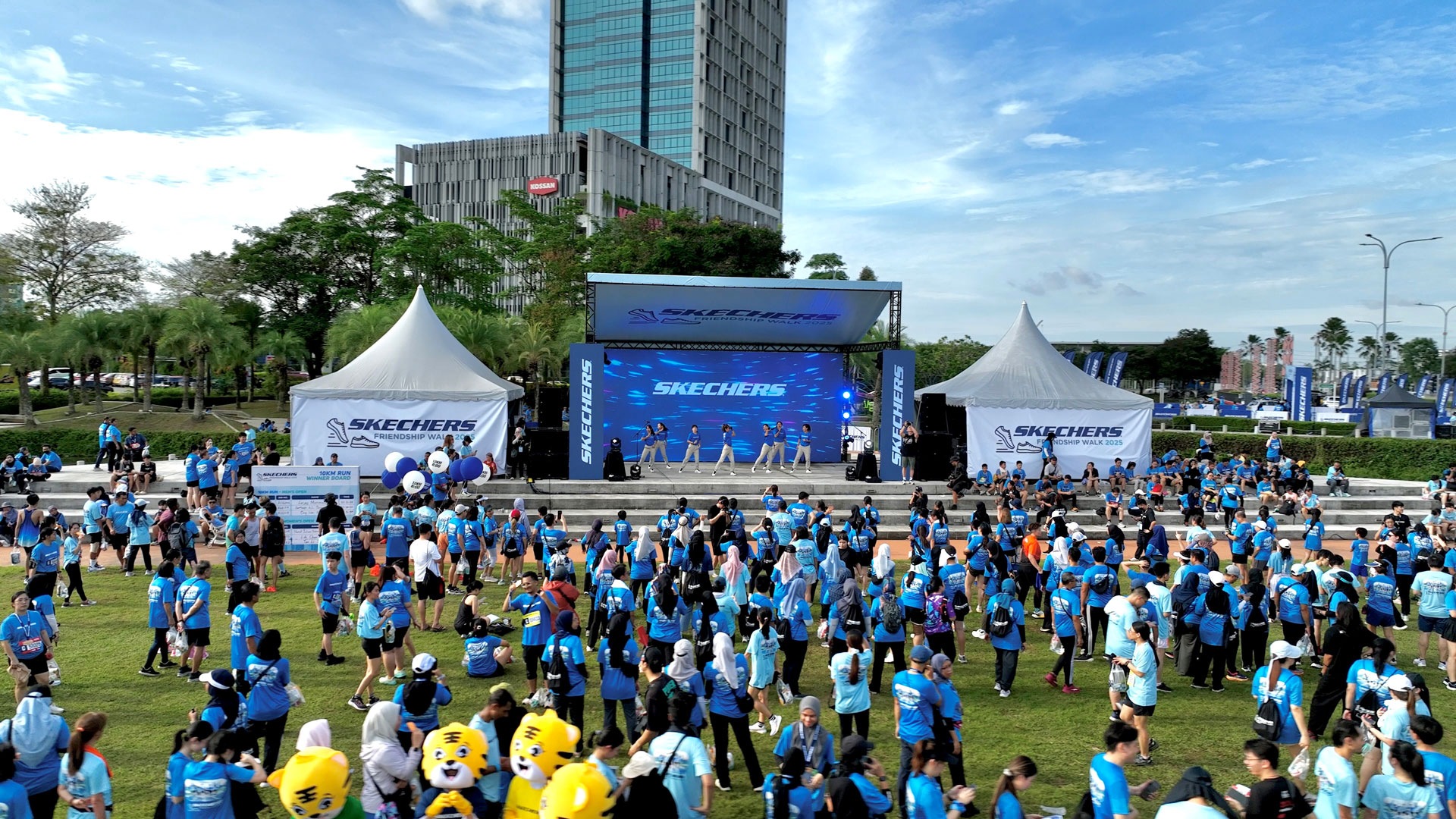
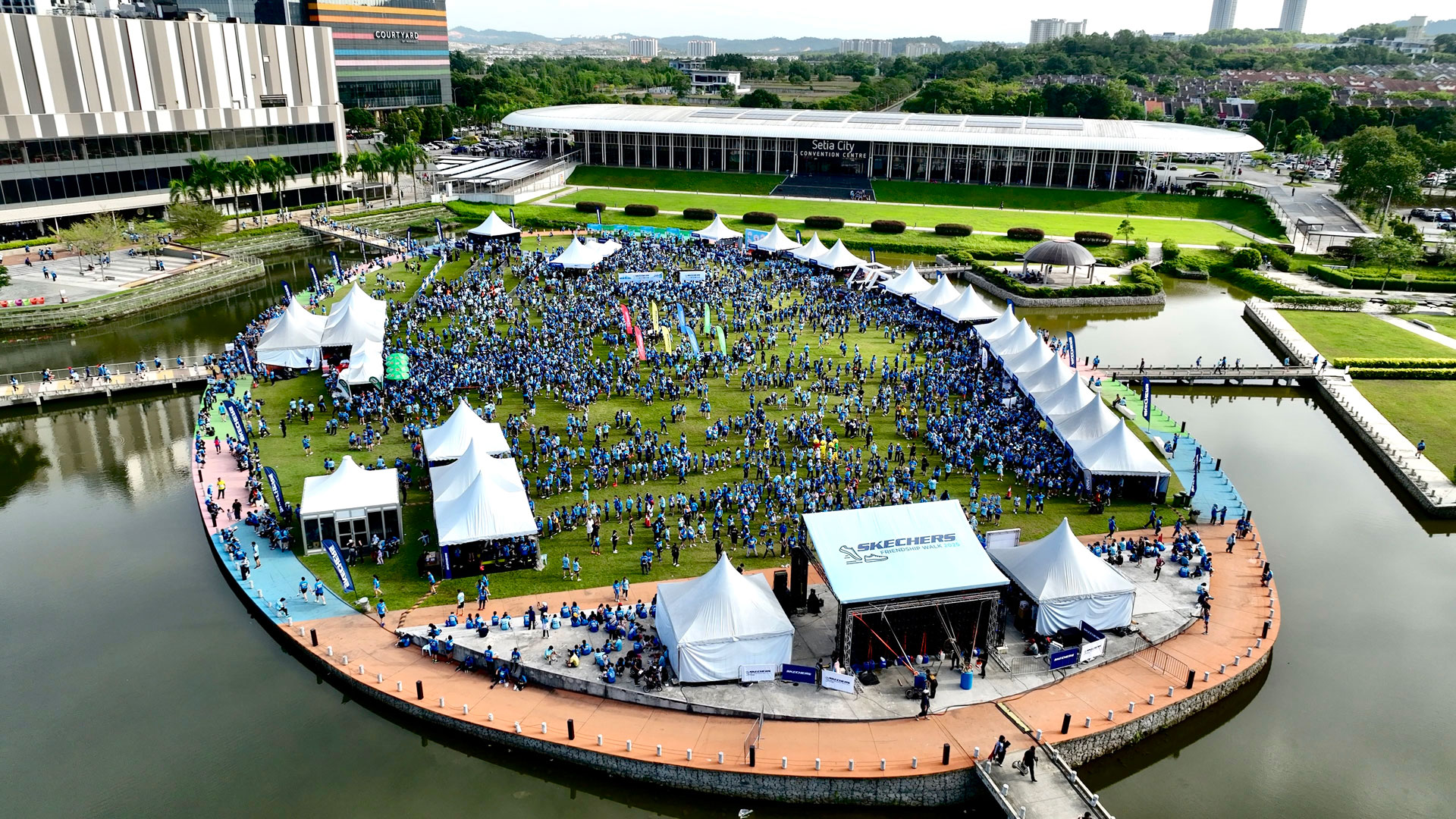
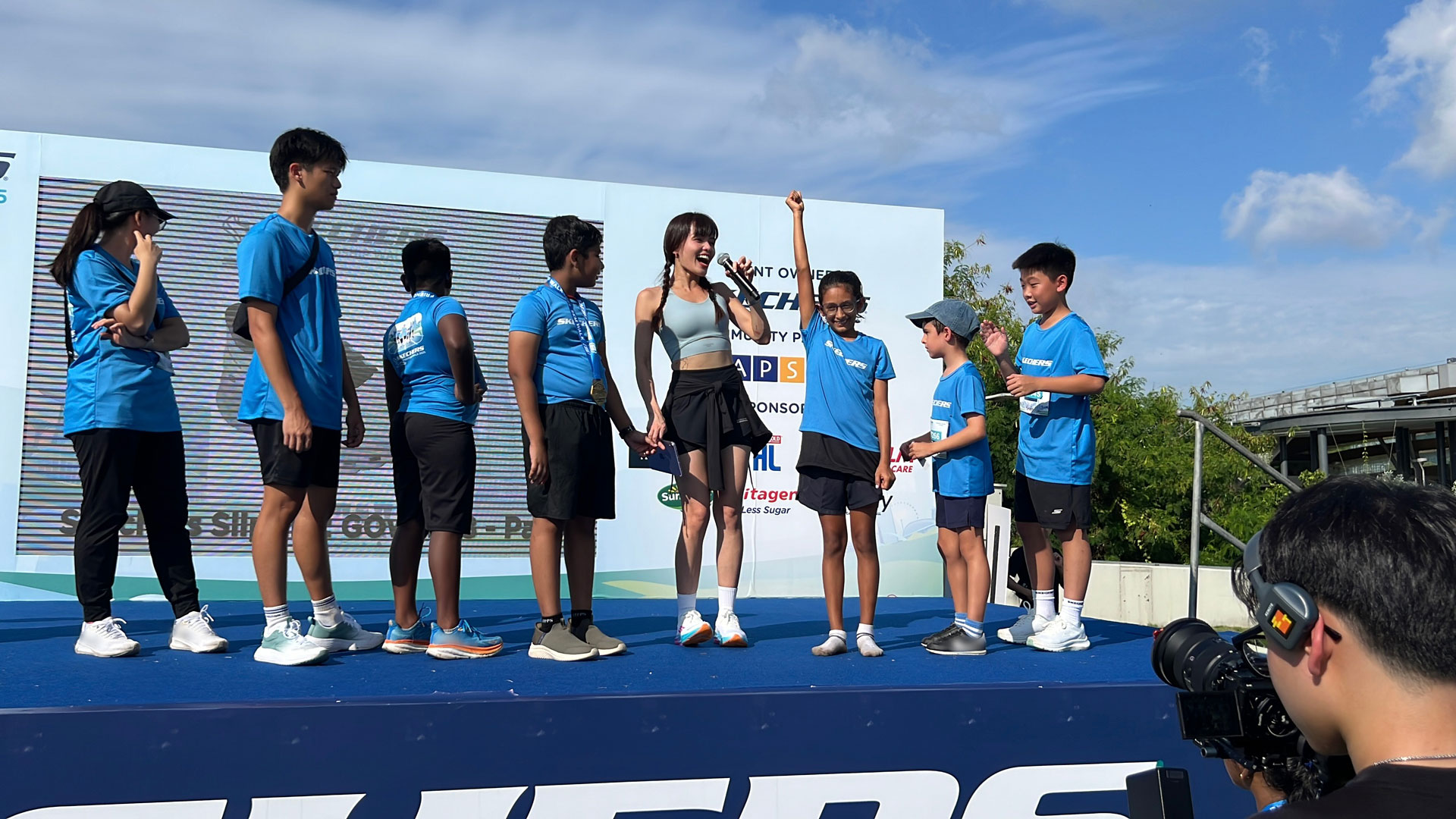
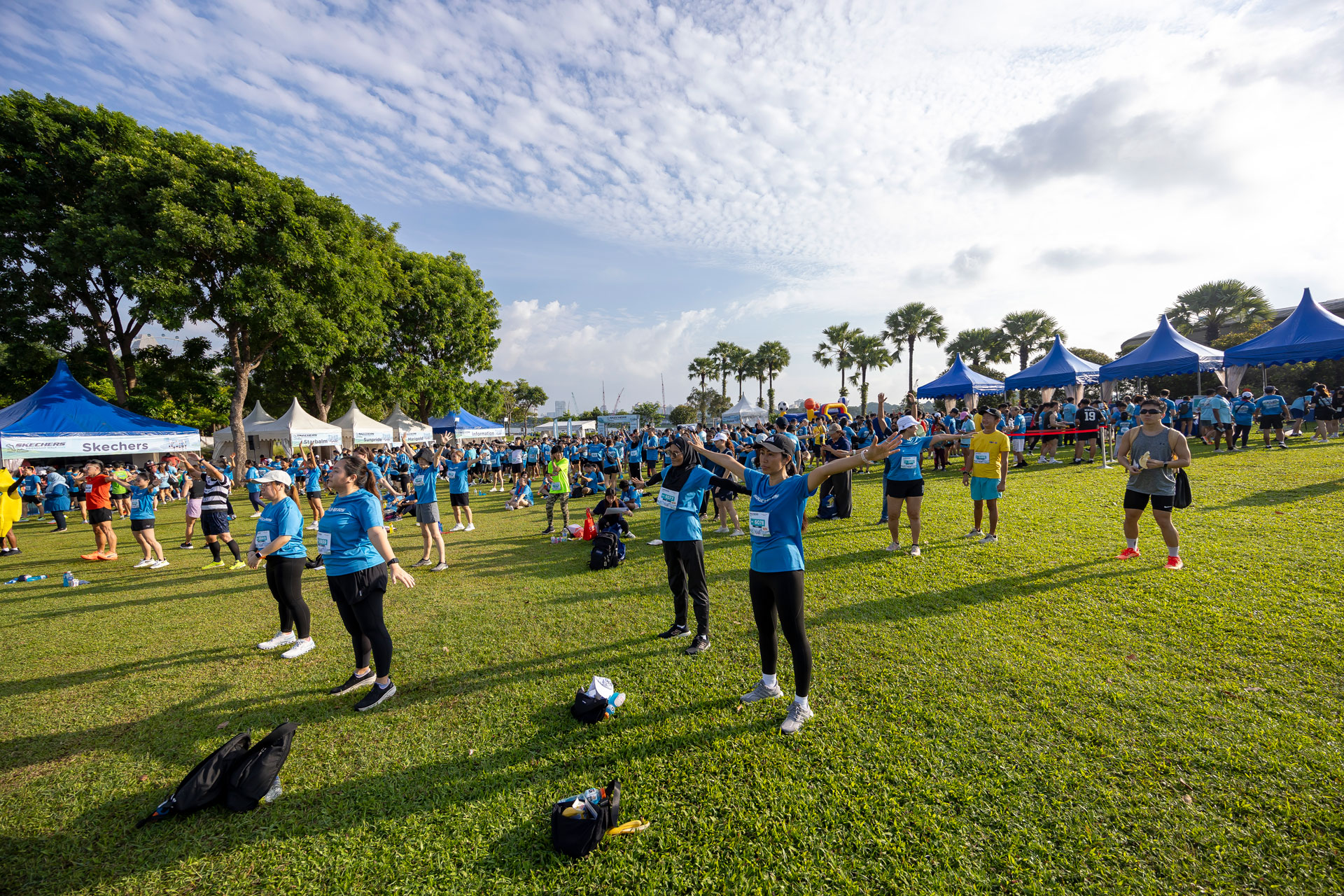
Another year of camaraderie and wellness came alive as Skechers, the Comfort Technology Company™ and a global leader in lifestyle and performance footwear, proudly hosted the eighth edition of the Skechers Friendship Walk on Sunday, 7 September 2025, at The Oval Lawn at, Setia City Convention Centre, in Setia Alam. The event brought together a record-breaking 8,000 participants for a day brimming with friendship, fitness, fun, and meaningful impact.
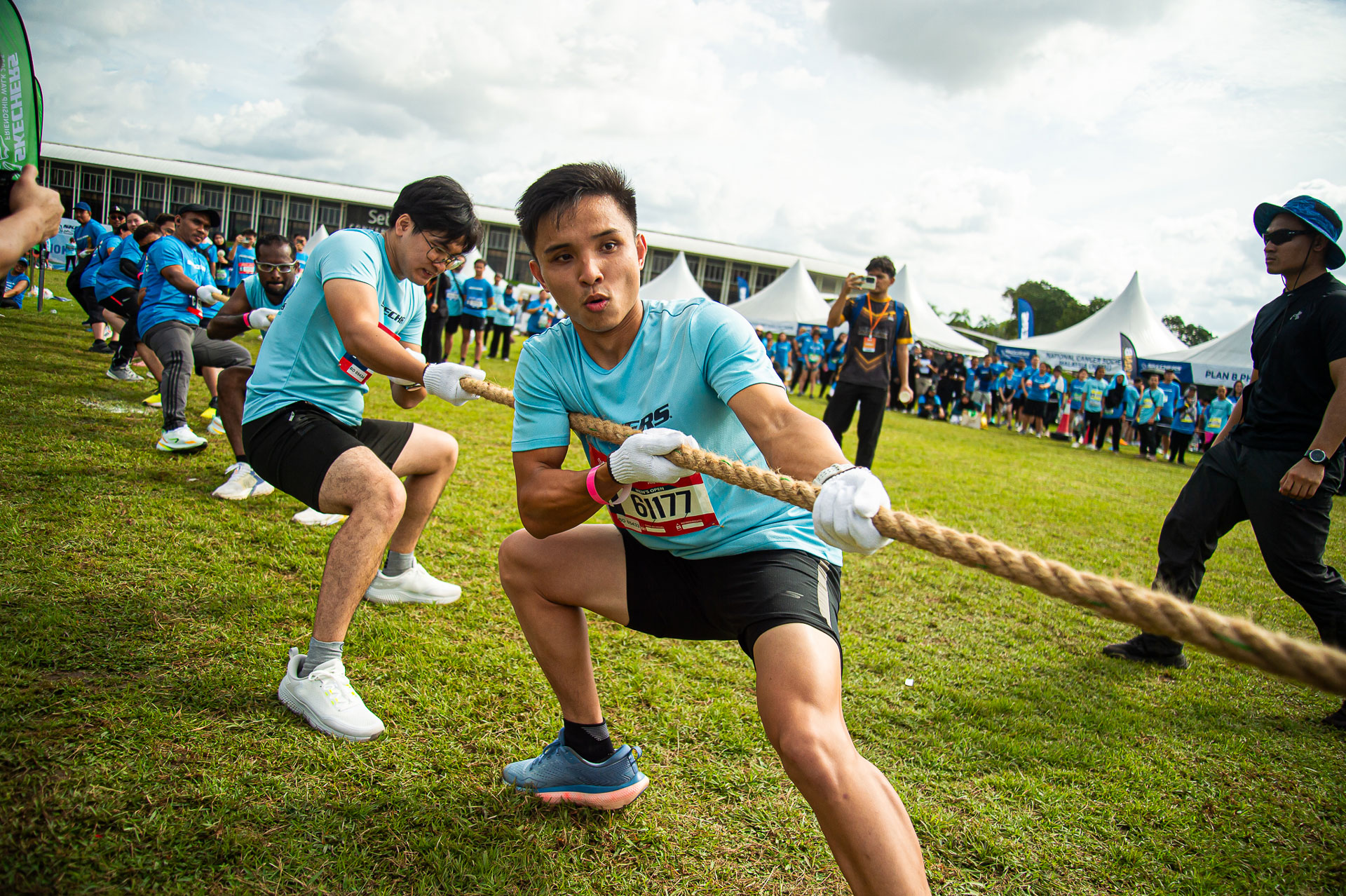
The atmosphere was filled with energy and excitement as participants of all ages arrived bright and early, ready to take on a leisurely 5km Walk or a more challenging 10km Run.
More than just a celebration of fitness, the Walk also made a difference in the community. Skechers donated RM10,000 in support of National Cancer Society Malaysia (NCSM) — a Non-Profit Organisation that offers educational, care, and support services for individuals impacted by cancer and the wider community. The cheque was presented on stage to the Assistant Medical Director of NCSM CEO, Dr. Rutresh, during the event.
Returning for the third consecutive year, the ever-energetic Shaun Stephen (@shaunstephen) and this year joined by new co-host, Zooey Teo (@ohzooey) from MixFM took the stage as co-emcees, as well as well-known Malaysia celebrity and athletes such as Jaclyn Victor (@jaclyn_victor), Chan Peng Soon (@pschan88), and Indra Putra (@indra_putra23) – each confidently showcased their stylish and comfortable Skechers Friendship Walk tees, paired with footwear from the latest Skechers collection, including the Skechers GOwalk 8™ and Skechers SKX® AERO shoes.
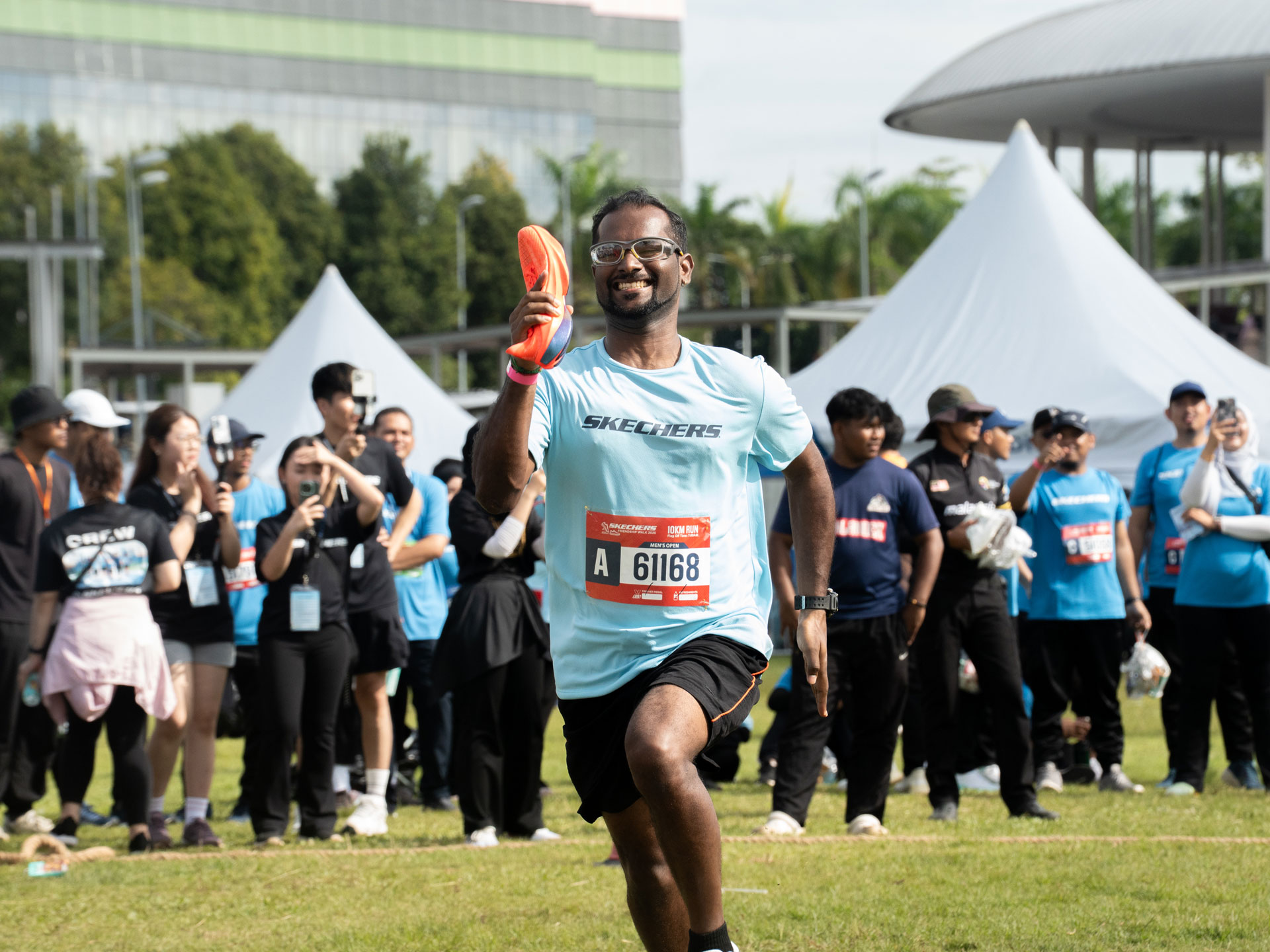
The excitement extended beyond the run and walk, with participants treated to a variety of exciting activities and entertainment. Highlights included three engaging games with thrilling prizes, a brass band, a zumba performance and a range of game stations offering chances to participate in the lucky draw. Guests enjoyed striking poses at the Skechers finisher’s name wall, making it the ultimate photo spot of the day, and visited the Skechers booth to experience the latest Skechers apparel and footwear collection firsthand while playing games to win even more prizes.
The highlight of the run came with the announcement of the 10km men’s and women’s champions. As their names were revealed, the crowd erupted in cheers, and Skechers honoured their outstanding performances by presenting each winner a cash prize up to RM1,000 and Skechers cash vouchers. Extending the celebration, the 4th to 10th place winners also received an incredible Skechers prize bundle including a pair of Skechers AERO running shoes.
Finally, the day’s excitement reached its peak with the lucky draw winners announcement. One lucky winner was awarded an ultimate grand prize: a one-year FREE supply of Skechers footwear worth RM6,000 — making the lucky draw one of the most anticipated moments of the event.
This meaningful event was brought to life with the generous support of The Main Sponsors — Listerine, Lotus’s, OSIM, Plan B Physiotherapy, and Polar Ice Cream; Lucky Draw Sponsors — VitaHealth, and Greens; Venue Sponsor — Pavilion Damansara Heights; and lastly Goodie Bag Sponsors — V-Soy, Hai-O, Red Bull, Munchy’s, Beaute Library, and Himalaya Vajomba.
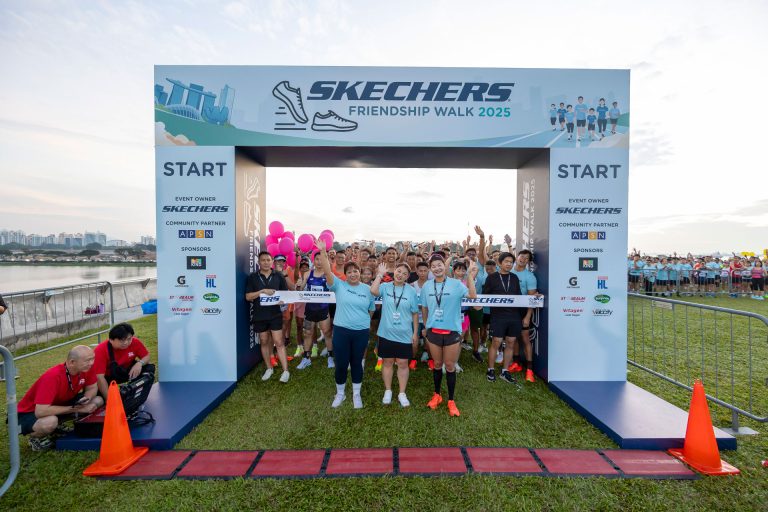
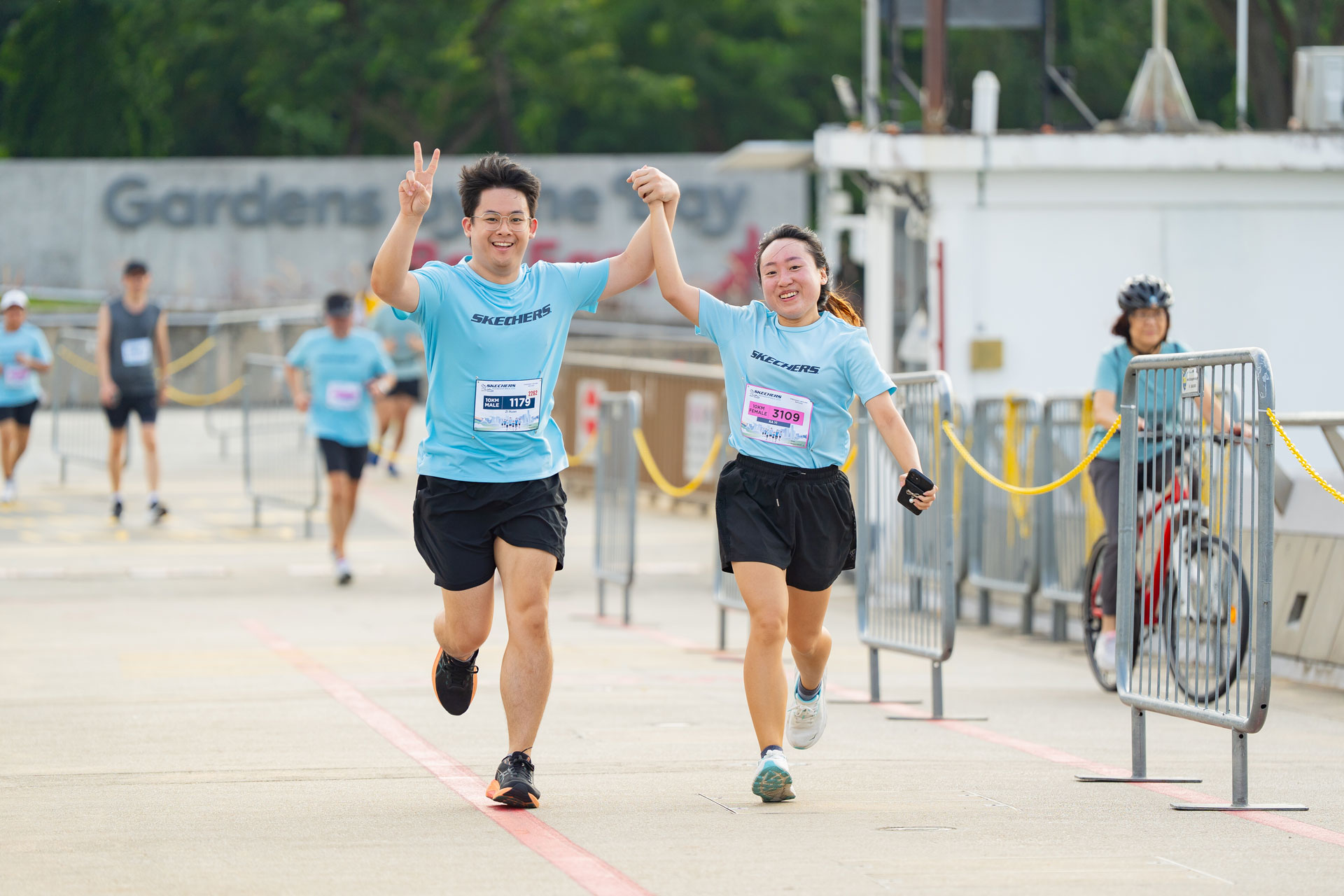
Another year of camaraderie and wellness came alive as Skechers, the Comfort Technology Company™ and a global leader in lifestyle and performance footwear, proudly hosted the eighth edition of the Skechers Friendship Walk on Sunday, 31 August 2025, at a new venue, Marina Barrage. The event brought together 5,000 participants for a day brimming with friendship, fitness, fun, and meaningful impact.
The atmosphere was filled with energy and excitement as participants of all ages arrived bright and early, ready to take on a leisurely 5km Walk or a more challenging 10km Run.
More than just a celebration of fitness, the Walk also made a difference in the community. Skechers donated $2 for every registration, raising $10,000 in support of its long-standing partner, APSN – an agency dedicated to helping individuals with mild intellectual disabilities live empowered and independent lives. The cheque was presented on stage to APSN CEO, Mr. Stanley Tang, during the event.
Mediacorp personality Hazelle Teo (@heyhihazelle) returned to host the event for the third consecutive year, joined by well-known Singapore celebrities such as Aileen Tan (@aileentan80), Eric Teo (@chefericteo), Lee Teng (@leeteng0530), and Pan LingLing (@panlinglingg) – each confidently showcased their stylish and comfortable Skechers Friendship Walk tees, paired with footwear from the latest Skechers collection, including the Skechers GOwalk 8™ and Skechers SKX® AERO shoes.
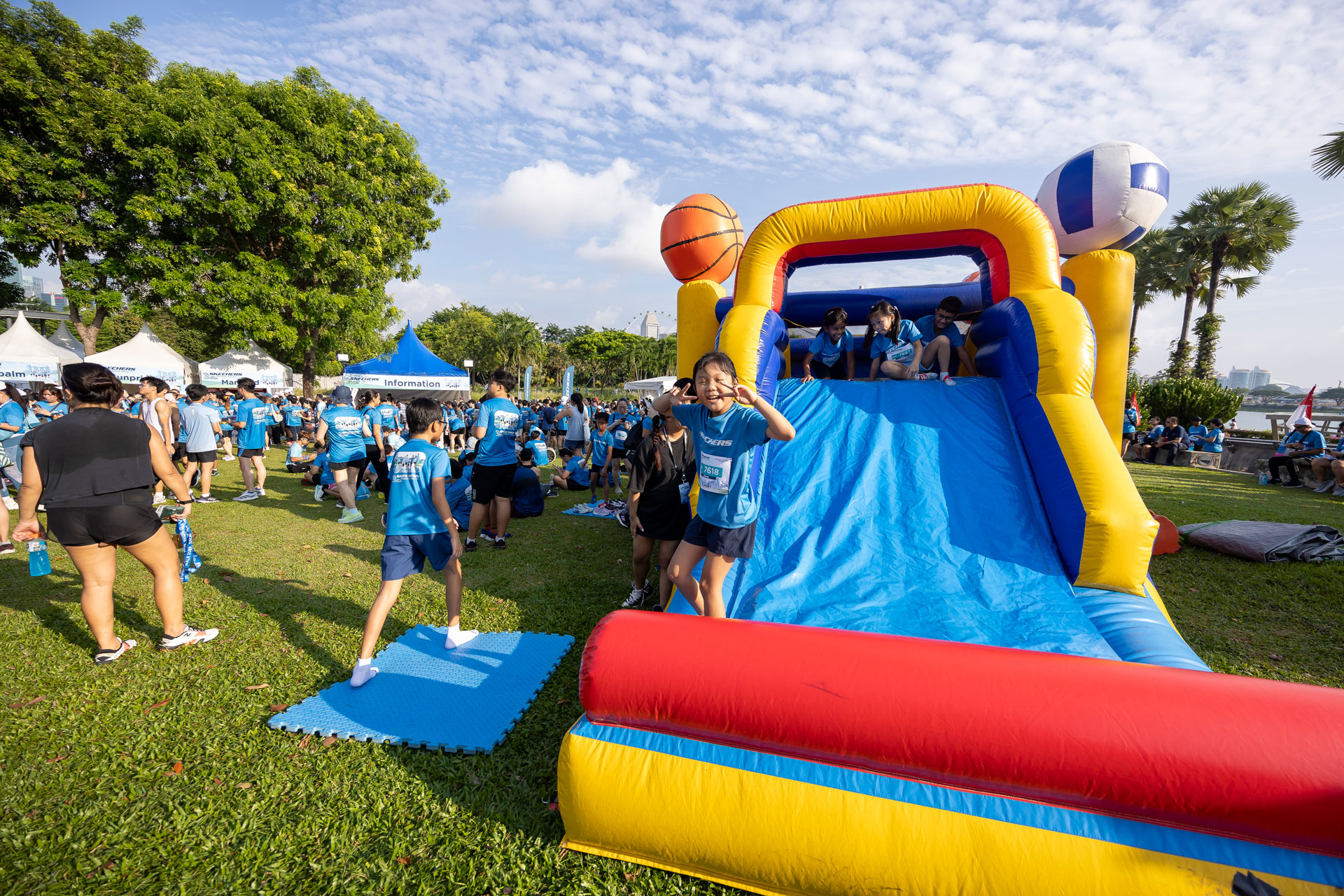
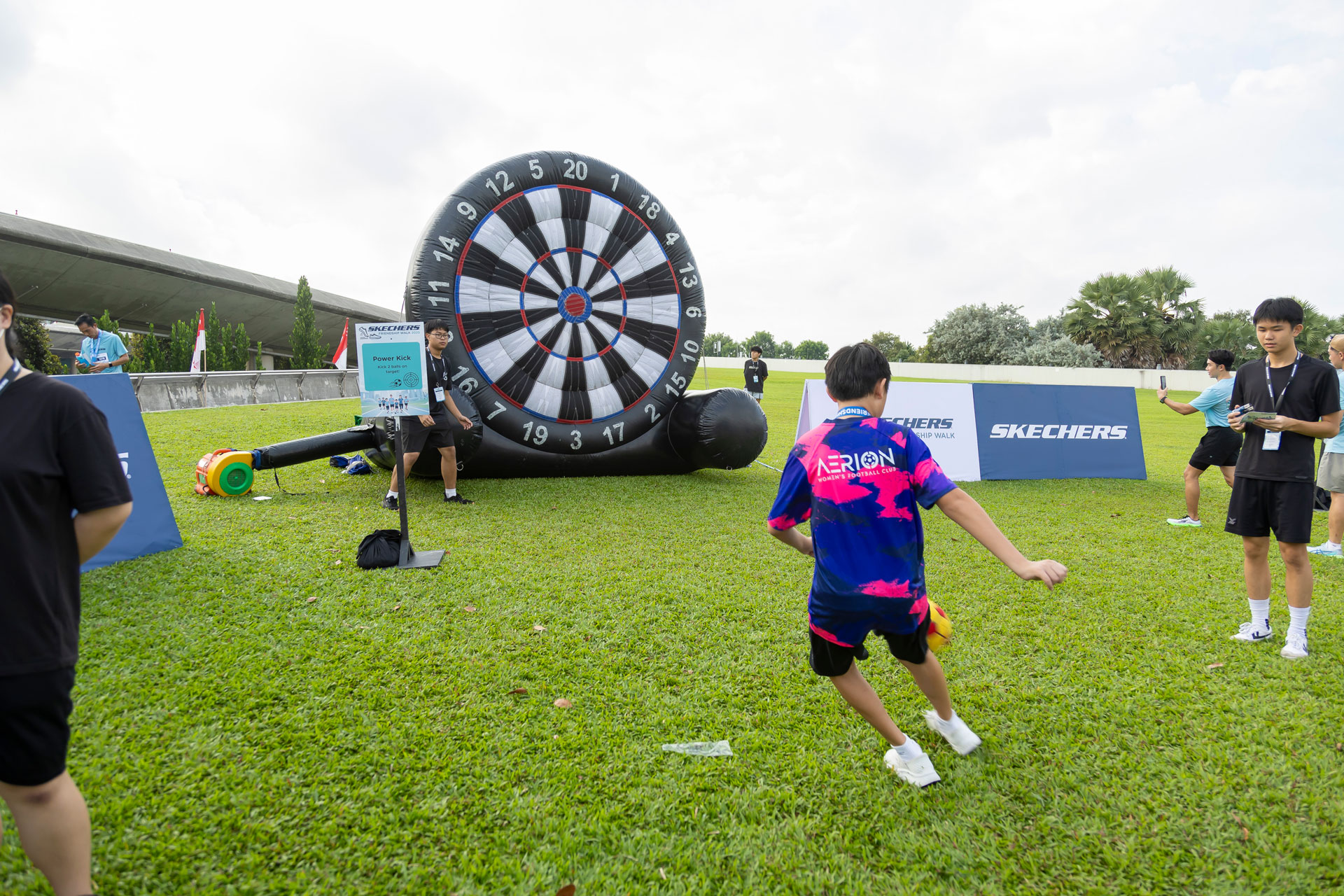
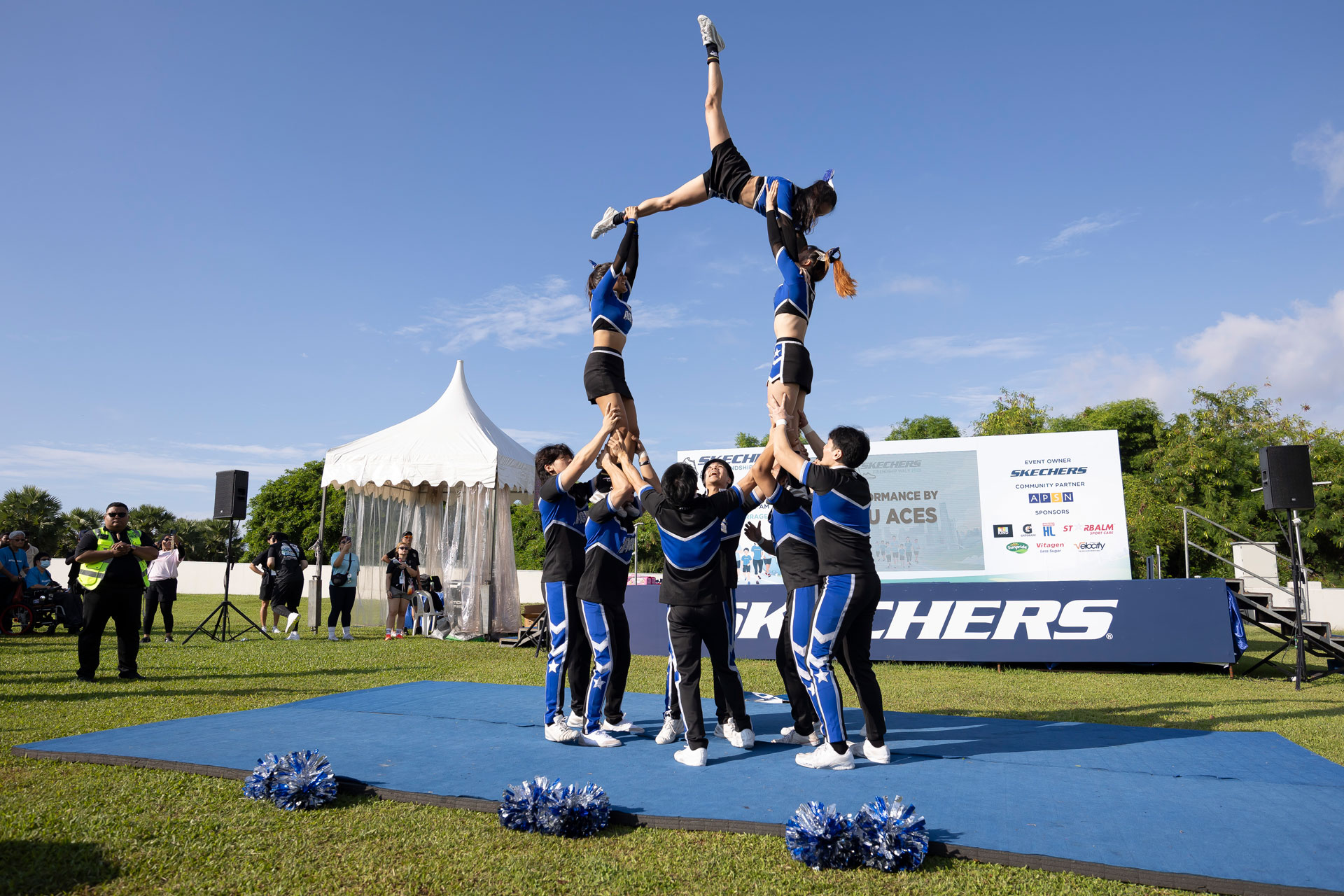
The excitement extended beyond the run and walk, with participants treated to a variety of exciting activities and entertainment. Highlights included engaging stage game with thrilling prizes, a cheerleading performance by NTU Aces, a special dance performance by APSN beneficiary Samuel Lee En Ci, and a range of game stations offering chances to participate in the lucky draw. Guests also enjoyed an inflatable playground and the Skechers giant photo wall, and visited the Skechers booth to experience the latest Skechers apparel and footwear collection firsthand while playing games to win even more prizes.
This year, participants also stood a chance to enjoy a more rewarding experience with two lucky draws: the first featuring exciting prizes from sponsors and partners Starbalm, Marigold, and APSN, and the second exclusively from Skechers.
The highlight of the run came with the announcement of the 10km men’s and women’s champions. As their names were revealed, the crowd erupted in cheers, and Skechers honoured their outstanding performances by presenting each winner with a cash prize along with a pair of Skechers shoes.
Finally, the day’s excitement reached its peak with the lucky draw winners announcement. The 6th to 10th place winners received a free set of Skechers apparel, the 2nd to 5th place winners took home a pair of Skechers footwear, and one lucky winner was awarded an ultimate grand prize: a one-year FREE supply of Skechers footwear.
Running is one of the most accessible and effective ways to stay fit in Singapore—no fees, minimal equipment, and routes ranging from parks to city streets. Yet, despite these perks, the sport comes with a high risk of injury, far more than lower-impact activities like swimming or cycling. Doctors warn that runners often only notice damage once it’s already serious and costly to fix.
How Widespread Are Running Injuries?
Studies show that the majority of runners experience running-related injuries, and remarkably, that number hasn’t improved in over three decades. Many attribute post-run joint pain to normal exertion, only realising too late that they’ve pushed their bodies into actual injury territory.
Common Running Injuries in Focus
Shin Splints – A dull or sharp pain along the shin due to repeated stress or poor form.
Stress Fractures – Tiny, fatigue-induced bone cracks, common in the shin, foot, or lower leg.
Achilles Tendonitis – Inflammation at the back of the ankle, often caused by tight calves and overuse.
Runner’s Knee (Patellofemoral Pain Syndrome) – Pain around the kneecap from overuse, misalignment, or weak supporting muscles.
Iliotibial (IT) Band Syndrome – Sharp pain on the outer knee caused by friction of the IT band during repetitive motion.
Plantar Fasciitis – Heel pain resulting from inflammation of the foot’s arch-supporting tissue.
Why Runners Get Hurt
Below are several key factors:
Excessive Training Ambition – Runners who rush into marathons after minimal prep often sustain injuries due to a lack of conditioning and recovery.
Ignoring Prior Injuries – Past injuries—running-related or otherwise—significantly raise the risk of new or recurring damage.
Misplaced Toughness – Dismissing pain as “part of the sport” only delays recovery and increases the odds of long-term issues.
Be Smart: Preventing and Managing Running Injuries
Here are some proven strategies to reduce injury risk:
Build Gradually: Increase mileage or intensity slowly—typically, no more than 10% each week—to avoid overuse injuries.
Strength & Mobility Work: Use foam rollers, do dynamic warm-ups, and train muscles like glutes and calves to absorb shock, stabilise joints, and improve form.
Cross-Train: Include low-impact activities like swimming or cycling to ease the burden on joints while improving overall fitness.
Choose the Right Shoes: Get gait analysis from specialty stores and replace worn-out shoes regularly to maintain proper cushioning.
Listen to Your Body: Pain that lingers, increases during efforts, or changes your mechanics may signal a developing injury—don’t run through it. Seek a physiotherapist early rather than waiting for symptoms to worsen.
Final Thoughts
Running offers powerful health benefits—it’s efficient, accessible, and liberating. But too often, runners brush off niggles or ignore clear warning signs until injuries become debilitating. As doctors remind us, being realistic about your targets and tuning into your body isn’t a sign of weakness—it’s how you sustain longevity in your running journey.
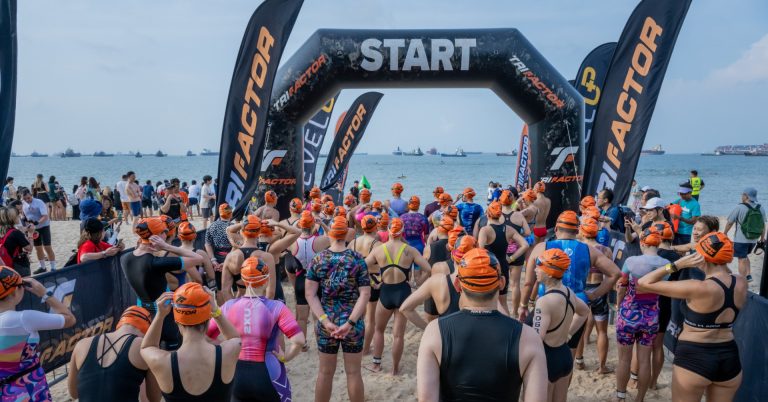
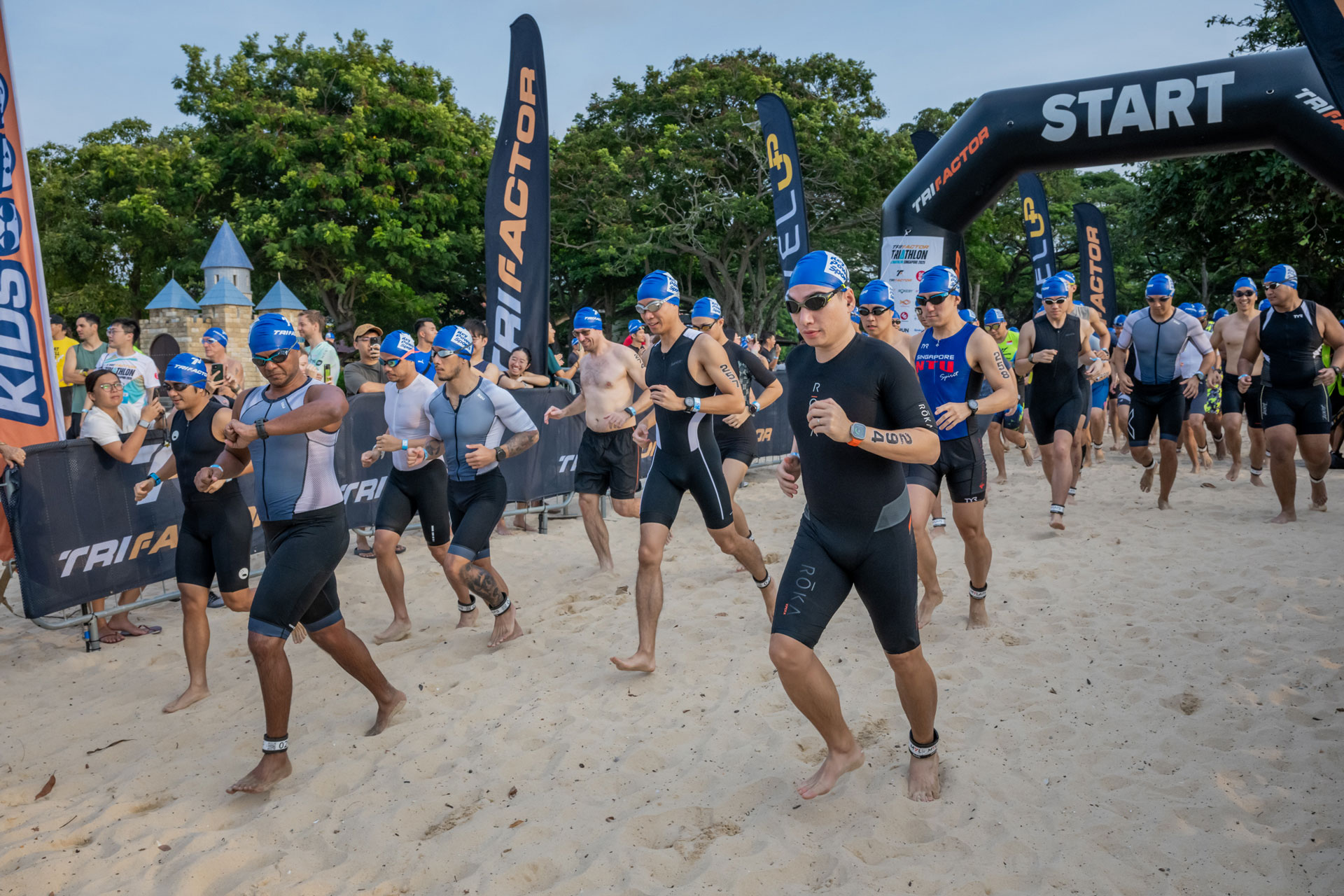
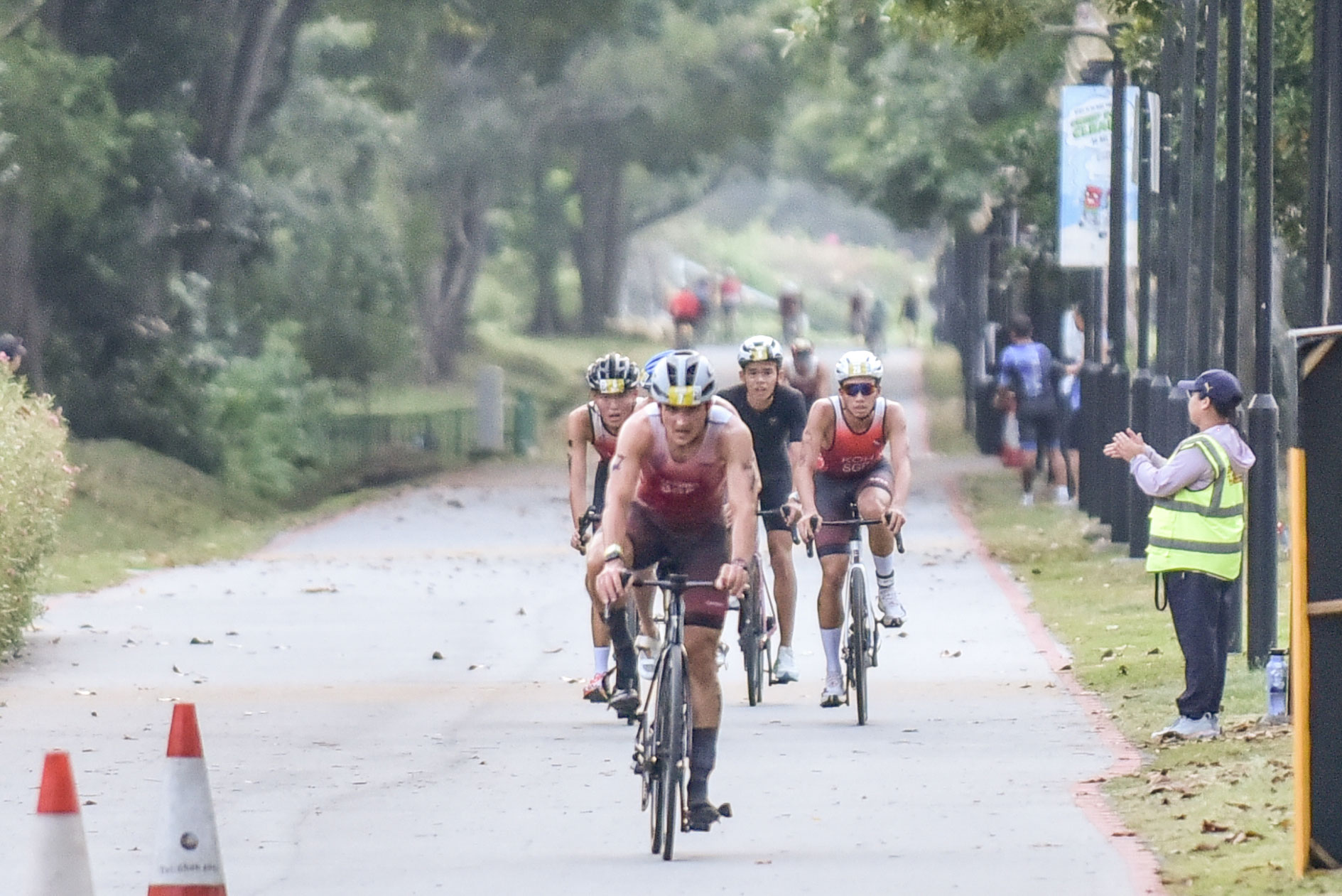
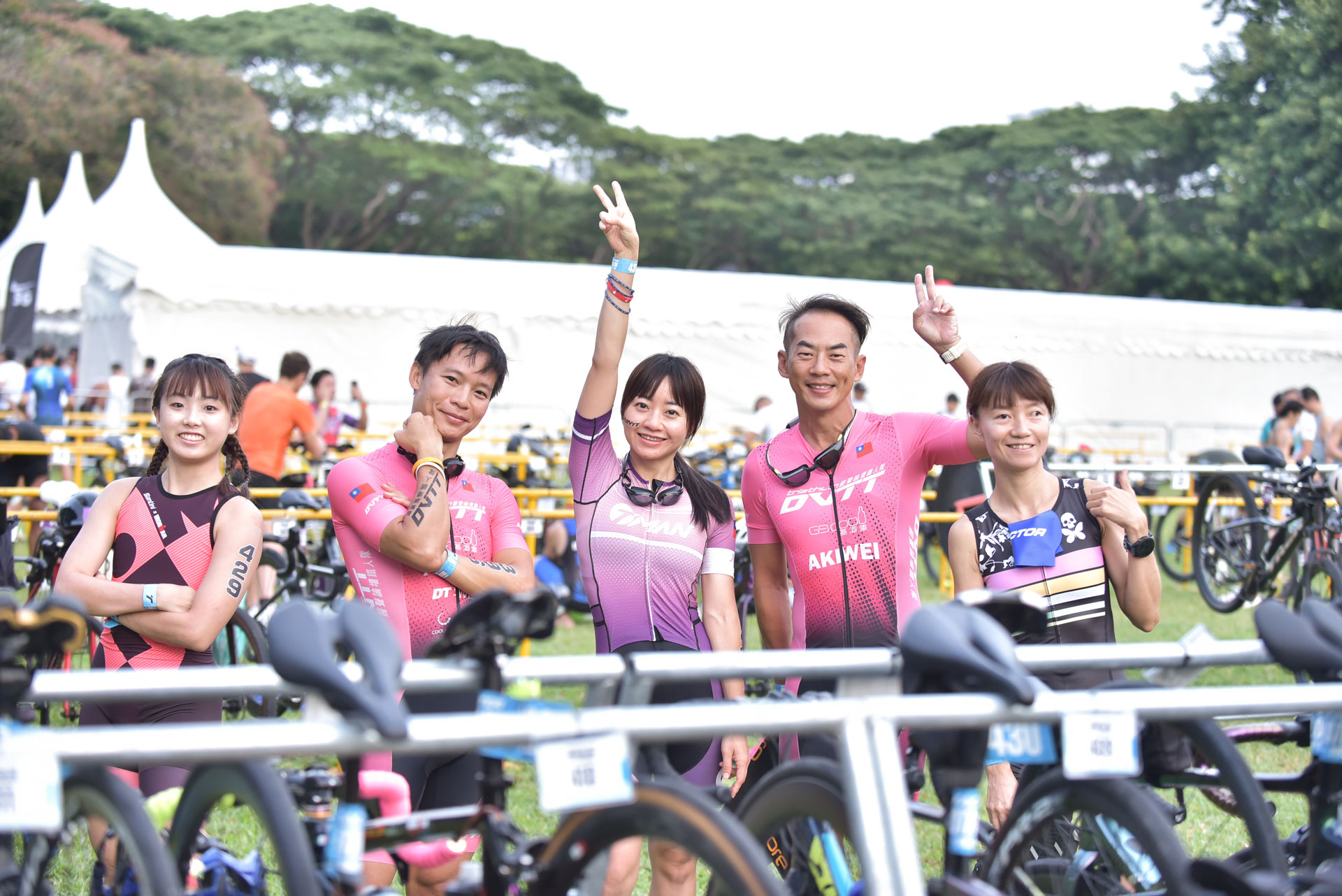
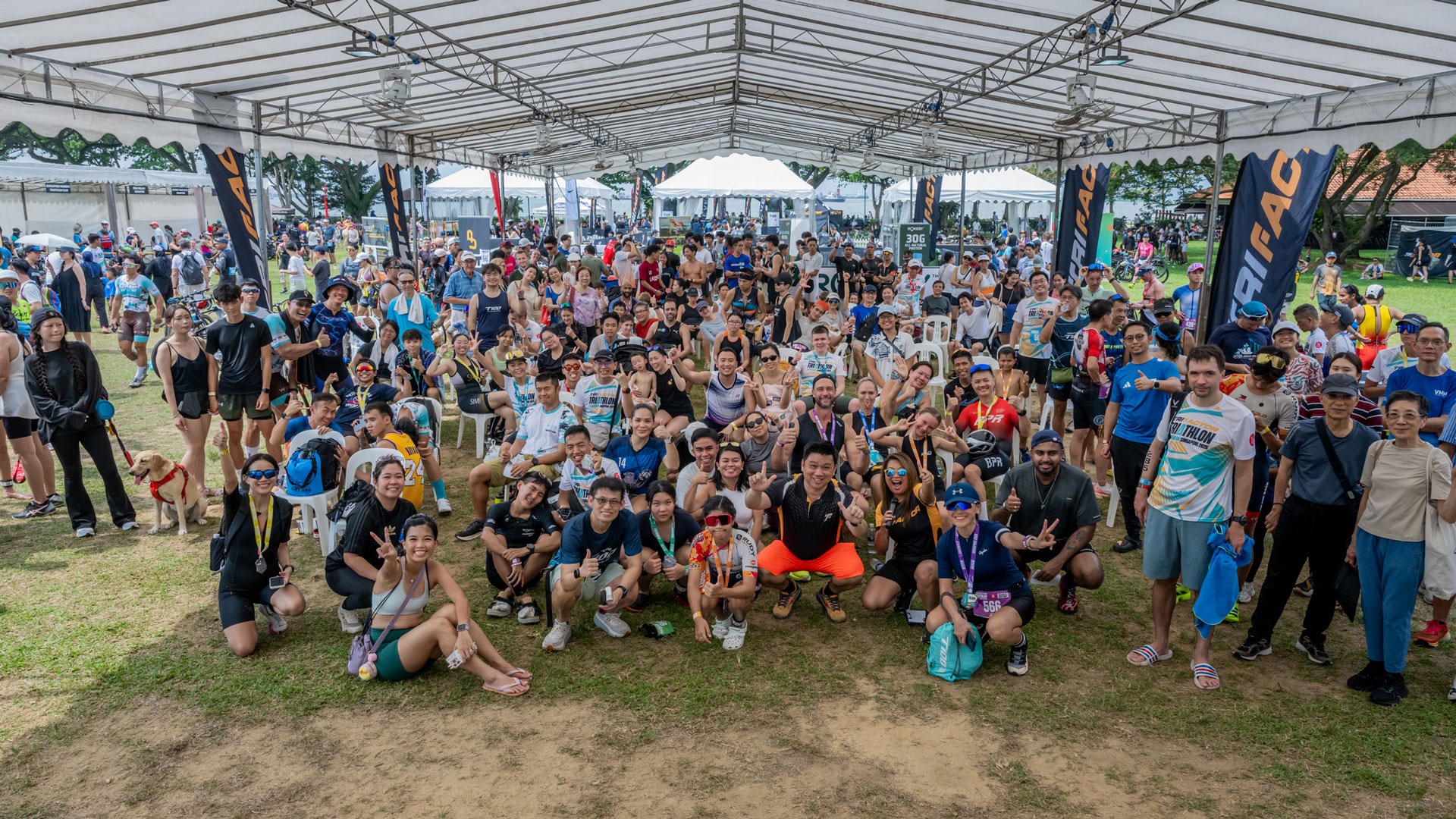
Singapore, 26 July 2025 — The highly anticipated TriFactor Triathlon Singapore 2025 took place this morning at East Coast Park, drawing 1,528 participants from 43 countries across a variety of triathlon and duathlon categories. The event served not only as a major race on the regional calendar but also as a qualifier for the TriFactor World Championship to be held in Quzhou, China on 19 October 2025, with 20 athletes securing their slots at this prestigious global showdown.
Photo credit: Orange Room – Standard Distance Triathlon Category Flagged Off
The Singapore National Duathlon Championship was a crowd favourite, featuring top local talent. SEA Games medalist Bryce Chong clinched the men’s title with an impressive time of 21 minutes and 22 seconds (2km run, 6km bike, 1km run), edging out Samir Varma (21:24) and Russell Lee (21:29).
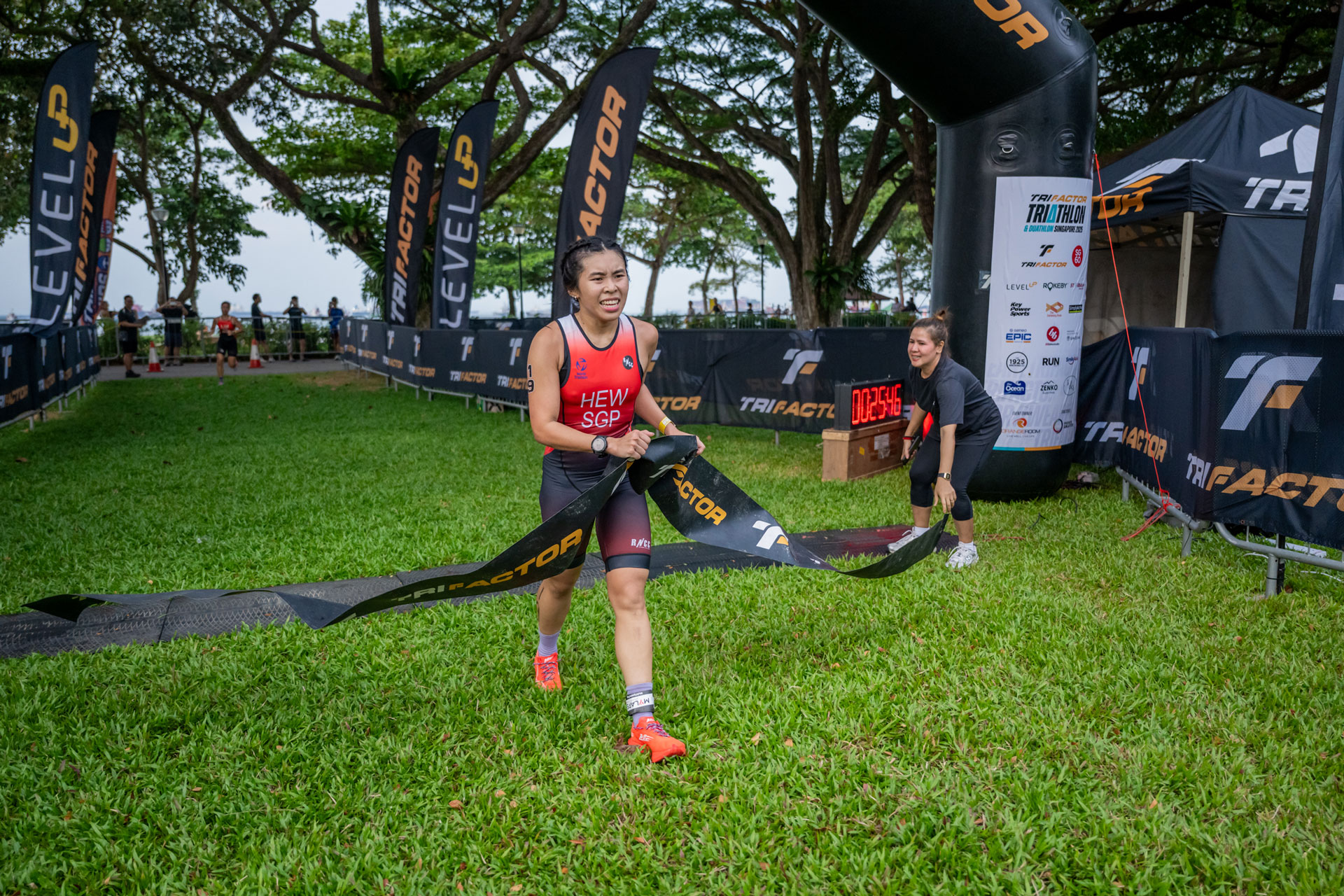
Photo credit: Orange Room – Rachel Jia Yi Hew FINISHING
In the women’s race, rising star Rachel Jia Yi Hew powered through to claim the national crown with a time of 24 minutes and 08 seconds, ahead of Lim Wan Ting (24:13) and Ng Xuan Jie (25:43).
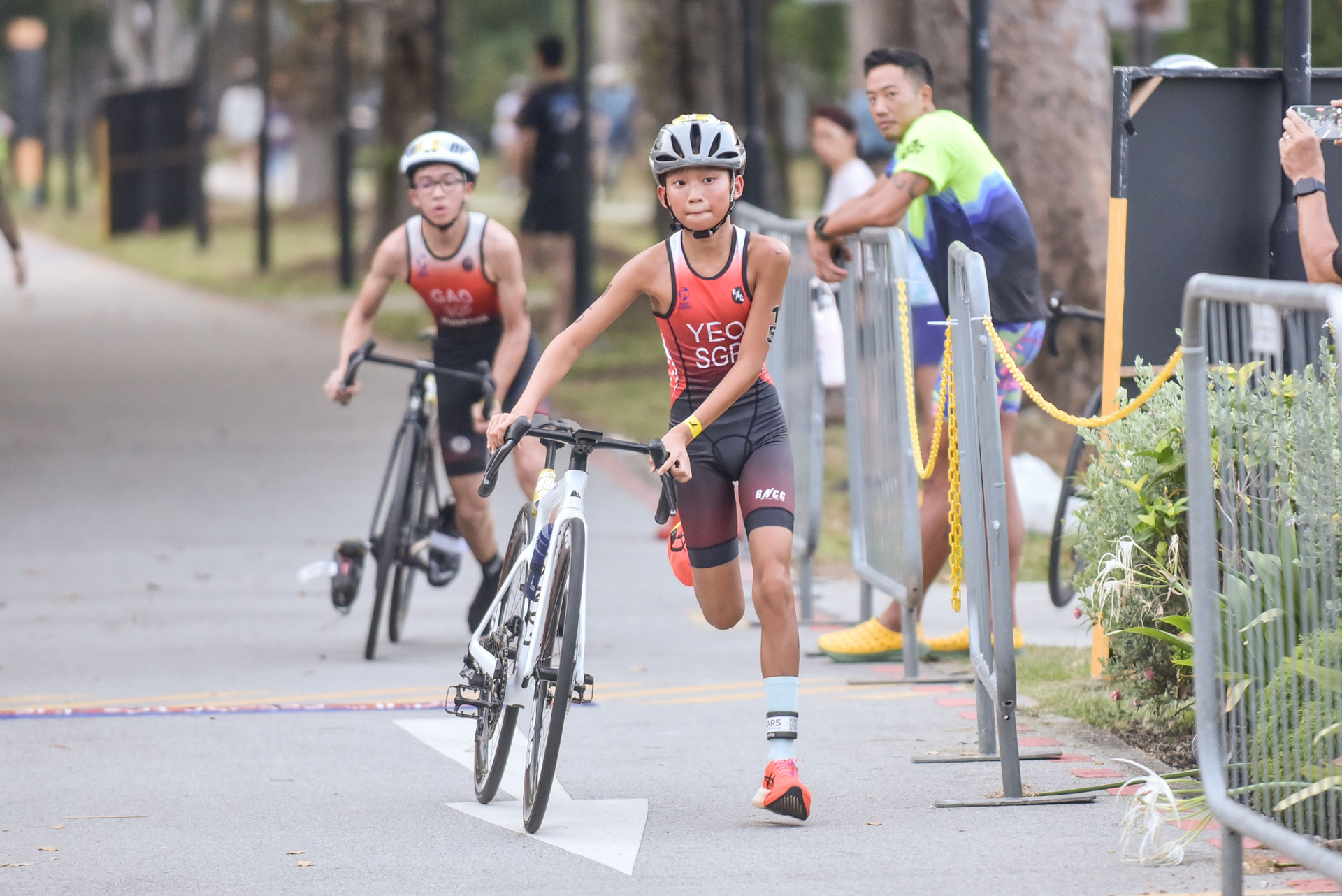
Photo credit: Orange Room – Singapore National Athletes dismounting the bike and heading to the transition area
In the Standard Distance Triathlon, 41-year-old Brit Rich Bacon topped the Men’s Open category with a formidable time of 2:08:39, closely followed by 24-year-old Irishman Gavin Patrick Foley (2:09:59), and 37-year-old Pole Mikolaj Cichomski (2:11:38). All three athletes qualified for the TriFactor World Championship in Quzhou.
Among the top female finishers, 30-year-old Briton Jennifer Morton dominated with a finishing time of 2:18:21, with Georgina Williams from Australia (2:33:49) and Sabrina Yang Pei Hsuan from Taiwan (2:47:58) completing the top three—each earning their spot at the Championship in China.
The event was supported by key partners including Rokeby Protein, who powered the Recovery Zone, along with Starbalm, Shizuku Water, LevelUP, and PURE Nutrition.
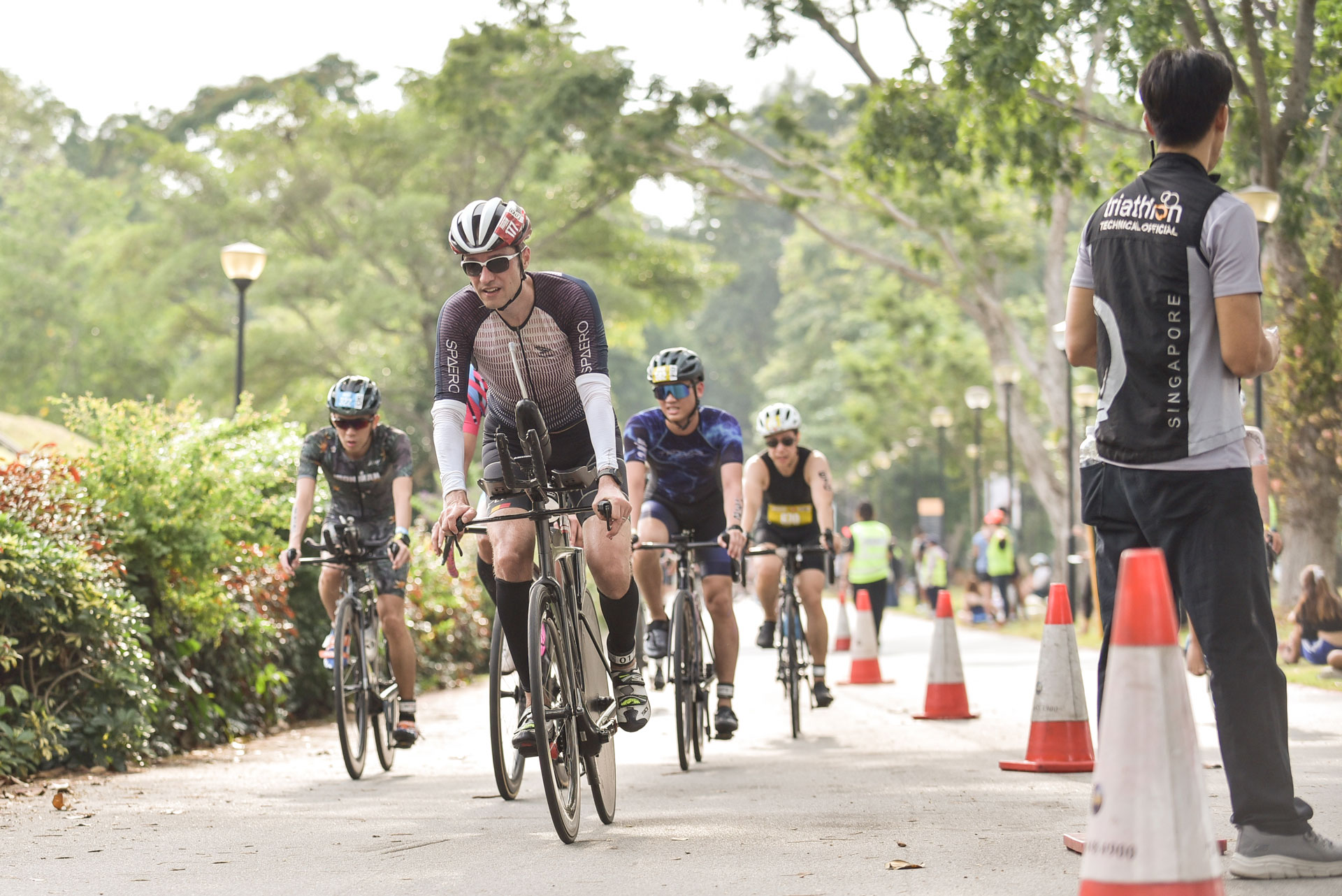
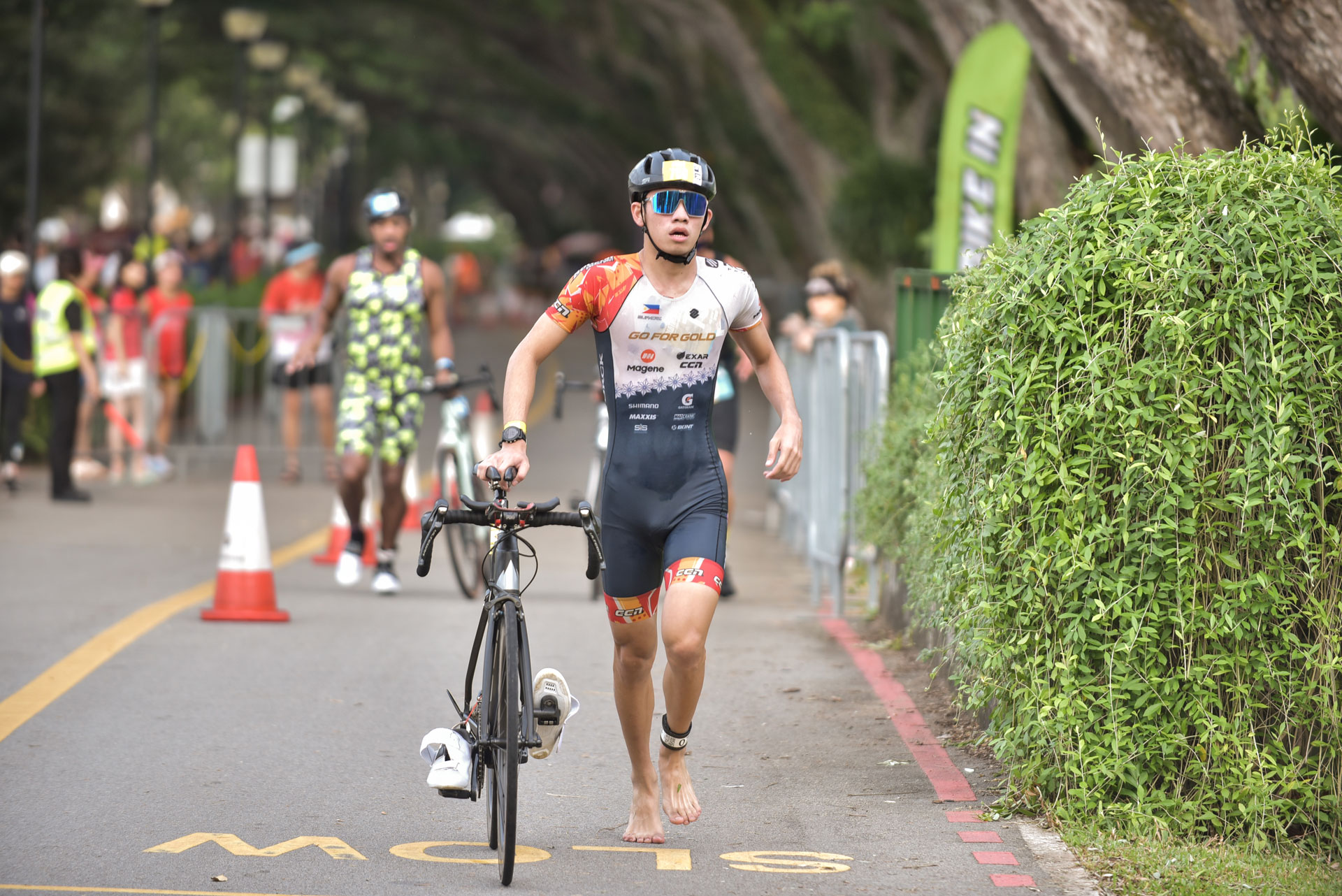
Photo credit: Orange Room –Cyclist on the bike route Photo credit: Orange Room –Philippines National Athletes going into mount the bike Photo credit: Orange Room –Athletes racing along East Coast Park Photo credit: Orange Room –Taiwanese athletes preparing at the transition area
Joseph Tan, Race Director and Cofounder of TriFactor, shared: “This year’s edition saw a significant increase in international participation. We’re working closely with local triathlon clubs to raise the level of competition and help our local athletes reach regional and global standards.”
Elvin Ting, Cofounder of TriFactor, added: “We are excited to bring back the TriFactor World Championship in Quzhou this October after a six-year hiatus due to COVID-19. We welcome athletes from around the world to this celebration of endurance and community. We’re also thrilled to announce our inaugural TriFactor Taiwan event in Tainan on 15–16 November 2025, thanks to the strong support of our Taiwanese partners.”
As the global TriFactor community continues to grow, Singapore remains a key destination on the TriFactor Asia Tour—uniting people through sport, wellness, and meaningful cross-border collaboration.
Photo credit: Orange Room –Participants preparing for the prize presentation
For more information and updates on upcoming events, please visit www.trifactor.asia
Salt—or more precisely, sodium—is vital for health in moderation. It helps regulate fluid balance, nerve impulse transmission, and muscle function. But most people consume far more than the recommended daily amount of around 2 grams (about 5 g of salt), especially in Singapore where processed foods and sauces are widespread in diets.
Processed and packaged foods often contain sodium hidden under various names like sodium chloride, sodium citrate, monosodium glutamate (MSG), sodium nitrate, and more. Below are 13 surprising culprits that may be adding more salt to your meals than you expected.
1. Cottage Cheese
A half‑cup can contain around 400 mg sodium, even in low-fat versions. In contrast, Greek yogurt delivers far less—around 70 mg per half‑cup.
2. Instant Oatmeal / Instant Porridge
Convenient but often loaded with ~200 mg sodium per serving, while plain oats have virtually none. Choose rolled oats and top them yourself instead.
3. Sports Drinks
Marketed for hydration, these beverages often contain sodium in each bottle—typically unnecessary unless you’re sweating heavily during long workouts.
4. Veggie Burgers / Meat Substitutes
To simulate flavour and texture, many include high sodium levels—sometimes equaling or exceeding those in conventional meat burgers.
5. Biscuits, Cookies & Baked “Healthy” Treats
Sweet snacks may surprise you—they often contain sodium comparable to savoury items, especially packaged or branded “diet” versions.
6. Canned Vegetables & Beans
Salt is used as a preservative. A cup can contain ~720 mg sodium—draining and rinsing can cut sodium by about 30–40%.
7. Canned Soup & Broth
Convenient, yes—but one cup often supplies 800–1,100 mg sodium (30–35% Daily Value). The full can can double that count.
8. Frozen Meals / Mac & Cheese Boxes
Frozen or boxed dinners—including mac & cheese—can contain 20–35% of your daily sodium per serving or more, thanks to preservatives.
9. Processed Meats: Bacon, Sausages, Deli Cuts
Cured meats contain 600–1,100 mg sodium per serving. A single slice of bacon can account for ~25% of your Daily Value.
10. Smoked or Cured Fish (e.g. Smoked Salmon, Clams)
A small portion of smoked salmon or shellfish like clams can deliver 500–660 mg sodium (20–24% Daily Value).
11. Vegetable Juice / Drink Blends
Pre-bottled juices such as V8 may contain ~640 mg sodium per cup. Opt for low-sodium options or homemade blends if possible.
Even two tablespoons of teriyaki sauce can provide 640 mg sodium (~27% Daily Value), with soy sauce and broths similarly high in salt content.
13. Jerky & Snack Meats
High-protein but also highly salted—a single ounce of jerky can pack 600–700 mg sodium (25–30% Daily Value).
Why It Matters: Health Impacts of Excess Sodium
While sodium supports essential functions, consuming too much can increase blood pressure, elevate cardiovascular disease risk, and contribute to heart and kidney issues.
In Southeast Asia—including Singapore—processed foods combined with high-sodium cooking practices mean many adults regularly consume twice the WHO-recommended levels (i.e. >2,000 mg sodium/day).
How to Cut Your Sodium Without Sacrificing Flavour
Choose fresh or frozen vegetables over canned varieties; when using canned, always drain and rinse.
Cook from scratch using whole ingredients. Limit sauces and seasonings in bottled or packet form.
Read labels: look for reduced- or no-sodium versions, and beware of hidden names like sodium nitrate, phosphate, MSG, etc.
Use herbs, spices, citrus, and vinegars (like basil, cilantro, lemon pepper) to enhance flavour without salt.
Salt late: taste before you salt. Often, less salt is needed if added at the end of cooking.
Final Thoughts
Many everyday foods—often branded as “healthy” or convenient—can covertly contain large doses of sodium. Monitoring your intake requires awareness and sometimes substitutions, but the long-term benefits for heart and kidney health are well worth the effort.
By emphasising fresh foods, reading labels, and flavouring with herbs instead of salt, you can easily reduce your sodium load without sacrificing taste. Ready to start? Take a look at your pantry: Which of these 13 foods might be sneaking more sodium into your diet?
The iconic Great Eastern Women’s Run (GEWR) returns on Sunday, 9 November 2025, at the Singapore Sports Hub. Now in its 19th year, GEWR continues to be a signature event dedicated to empowering women through health and wellness. It is a celebration of fitness, community, and friendship—bringing women together to embrace an active lifestyle.
Categories and Fees
Great Eastern Policyholder exclusive rate
Redeem promo code on Great Eastern Rewards app by 5 October 2025. For more information on redeeming the promo code, please click here.
All prices are in Singapore Dollars and are inclusive of GST
+Policyholder refers to Great Eastern Policyholders. Promo code can be retrieved from the Great Eastern Rewards App using the email address used to register for the race. Instructions for redeeming of Policyholders’ promo code can be found here. For more enquiries, please contact [email protected]
*Loyal runner refers to individuals who had participated in the Great Eastern Women’s Run 2024 only. Promo codes would be sent to you via the email address used to register for GEWR 2024. For enquiries, please contact [email protected]
Race Entitlements
The special collaboration with Sanrio will be back once again, featuring the adorable Cinnamoroll in our 2KM Mummy + Me and 100M Princess Dash categories.
This is a fantastic chance for mums and daughters to create lasting memories while staying active. Plus, the race entitlements are as charming as ever—Cinnamoroll will be right there with you on your race bibs, medals, and the all-new kids race bag!
Receive an Adidas race t-shirt (worth $50) and an exclusive GEWR race bag when you register for the event. Participants of the 21.1km category will also receive a Finisher t-shirt upon completion of the half marathon.
The race t-shirt and GEWR tote bag will be delivered straight to your Singapore address. Please ensure the delivery address you provided during registration is accurate and up to date.
Support a Meaningful Cause
This year, GEWR continues to support Daughters Of Tomorrow (DOT) and the Singapore Cancer Society (SCS), in partnership with Community Chest.
Every contribution makes a difference! You can pledge a small donation of S$5, S$10, or S$40 during registration (no tax deduction).
If you would like to contribute more, head over to our Giving.sg page. Donations of S$10 and above made via Giving.sg platform are eligible for tax deductions.