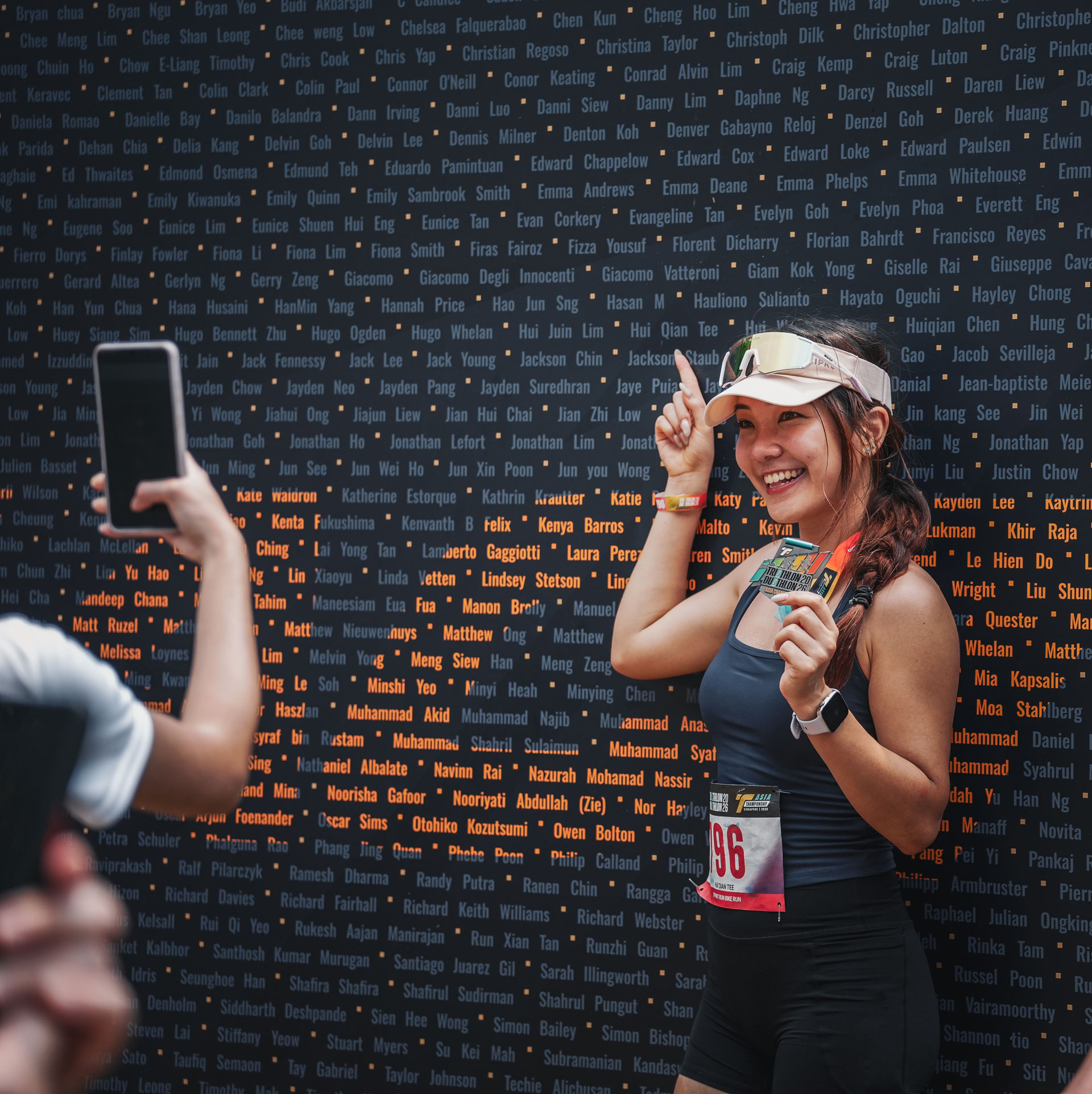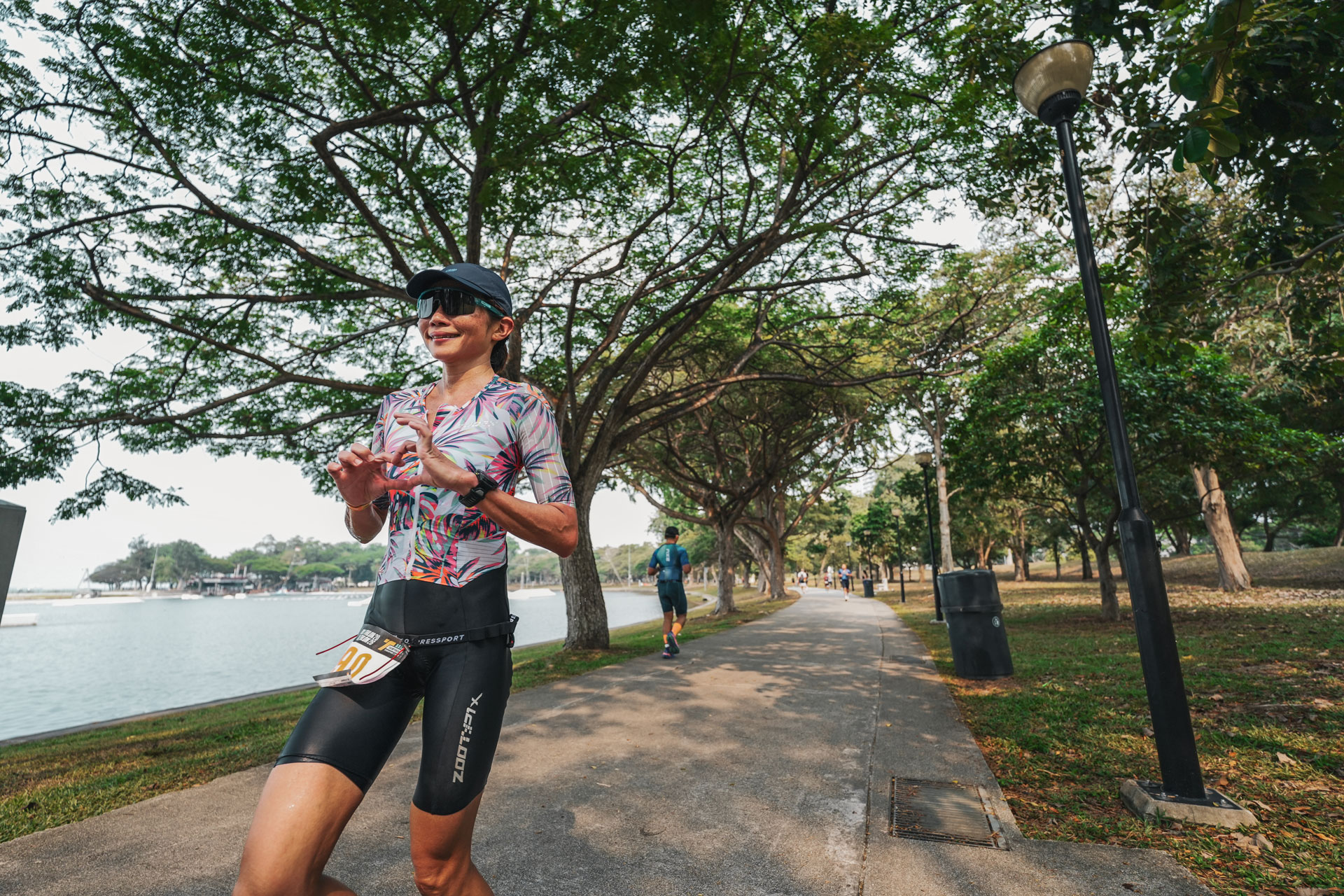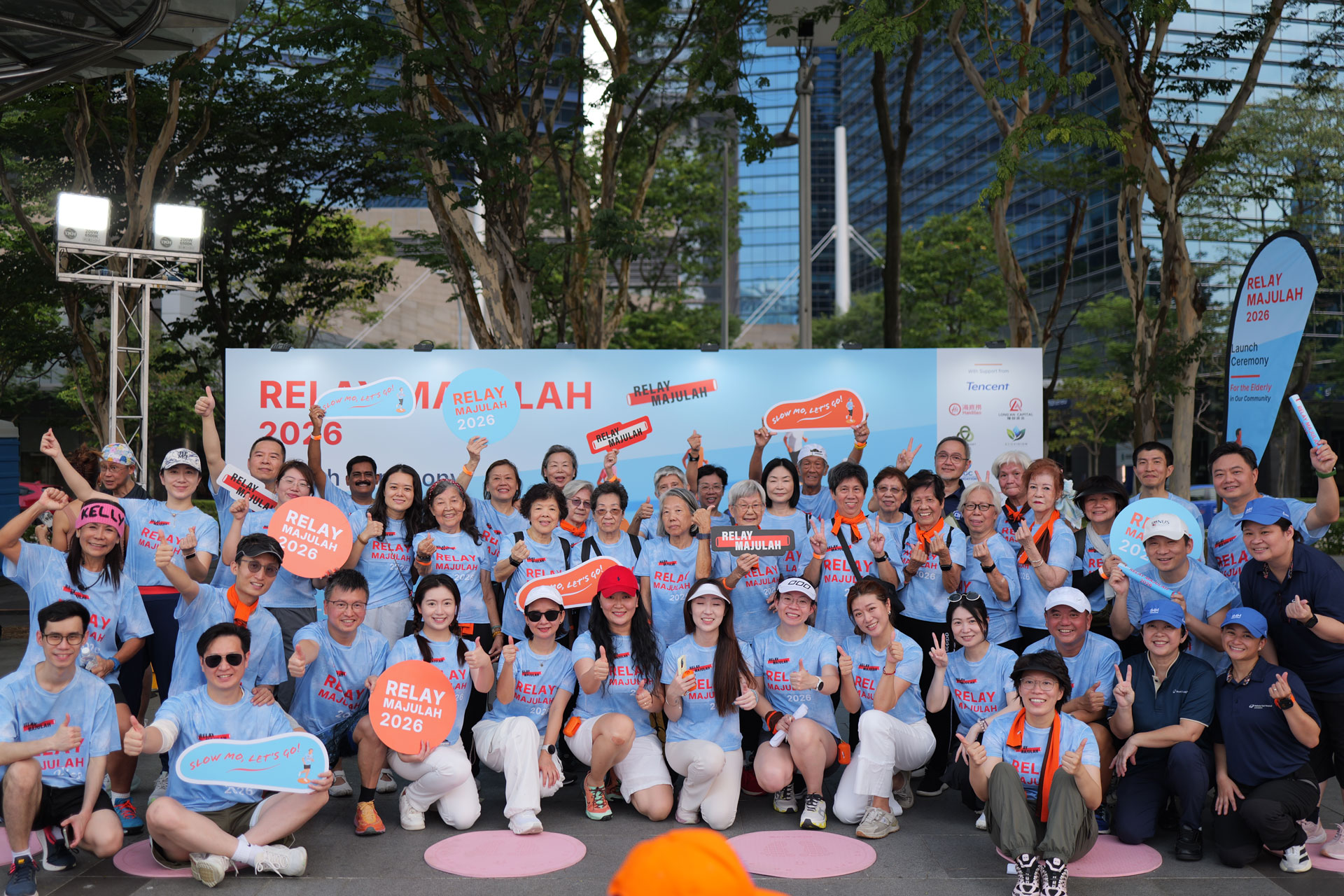


SINGAPORE, 2026 – The 17th edition of the TriFactor Run & RunSwim returned to East Coast Park this weekend, marking a historic milestone in the event’s journey. Beyond the grit and sweat of nearly 1,500 athletes, the 2026 race set a new standard for regional sports by going 100% sustainable in its power usage, successfully saving an estimated 115.3kg of CO2 emissions compared to traditional diesel generators.
Powering a Greener Tomorrow
In a bold move toward environmental stewardship, TriFactor transitioned its entire event village operations to clean energy solutions.”We are proud to partner with GoRentalSG in our commitment towards a greener tomorrow,” said Elvin Ting, Founder of TriFactor. “As TriFactor continues to innovate to improve our race experience, we are taking a mindful approach towards our sustainability goals. This year proves that high-octane sporting events can coexist with a low carbon footprint.”
Official Power Report by GoRentalSG for Trifactor Run 2026
A Growing Community
The 2026 edition saw a significant surge in the multisport community, with the event attracting athletes from over 30 nationalities.
21km Run Pacers
“This year’s race saw an increase of almost 23% in participants from the last edition, alongside a high rate of retention from our past participants,” noted Race Director, Joseph Tan. “We continue to provide our community with the platform to excel in their running and multisport arena, and the energy on the ground today was a testament to that growth.”
Start Photo of the kids splash and dash category
Club Champions & Top Honors
The competitive spirit was palpable during the Club Challenge Trophy presentations. The Singapore Runners Club, led by founder Eugene Beh, dominated the pavement to take home the Run Club Challenge Trophy. Meanwhile, multisport powerhouse Born2Tri secured their dominance in the water and on land, clinching the RunSwim Club Challenge Trophy.
Winner of the 21km Club Challenge – Singapore Runners Club
In the flagship 21km Run, the podium saw incredible performances:
Men’s 21km Category:
First Place: Akihiko Tada (Time:01:20:41)
Second Place: Nicholas Rachmadi (Time: 01:22:00)
Third Place: Neil McLoughlin (Time: 01:24:06)
Finisher Shot of 21km male winner Akihiko Tada
Women’s 21km Category:
First Place: RIANNE PAYNE (Time: 01:32:12)
Second Place: VOI NG (Time: 01:38:33)
Third Place: Hor Tse Xin (Time: 01:41:34)
The Ultimate Post-Race Experience
Athletes were treated to a premium recovery suite at the finish line. The post-event village featured professional massages powered by Starbalm, immediate hydration via H-TWO-O, and muscle recovery support through ice-cold protein drinks provided by Rokeby.
As TriFactor concludes its 17th year, the focus shifts to the future of the regional series, continuing the “TriFactor Way” of integrating health, community, and now, environmental sustainability.
Prize Presentation for the 10km run categorySupporters of the SwimRunFinishers at athletes welfare booth powered by HTWOO
All photos credit: Orange Room
For more information and updates on upcoming events, please visit www.trifactor.asia
A marathon is 42.195 km. Finishing one requires months of preparation and a respect for the distance that shorter races do not demand. First-time marathoners who follow a structured plan are far more likely to complete the race successfully. Those who skip steps, improvise their nutrition, or ignore recovery often struggle. The body can cover 42.195 km, but only if the training beforehand builds the right foundation.
Choosing the Right Training Timeline
Most beginner marathon plans span 16 to 20 weeks. That timeline assumes you are already running 24 to 32 km per week consistently. If your current base mileage is under 16 km per week, add 4 to 8 weeks of base-building before beginning a formal marathon plan. Starting a plan designed for a higher fitness level increases injury risk and creates fatigue that can undermine the training itself.
A good plan should include 1 long run per week, 1 moderate-intensity run, 1 speed or threshold workout, and 2 to 3 easy recovery runs. Rest days are not optional. Adaptation happens between sessions. More running does not always produce better results for a first-time marathoner.
Building the Long Run
Long runs teach your body to move for extended periods, build mental resilience, and provide opportunities to practice fueling and hydration under stress. Start at 8 to 10 km and increase by 1.5 to 3 km each week. Every 3 to 4 weeks, reduce the long-run distance slightly to allow recovery before building again.
Your longest run should peak at 29 to 32 km, scheduled 3 to 4 weeks before race day. Going beyond 32 km in training increases injury risk without providing proportional benefits. The goal is to finish your final long run feeling tired, but not completely exhausted. A successful long run supports the training that follows it.
Nutrition on the Run
Glycogen stores deplete after roughly 90 to 120 minutes of running. Without carbohydrate intake during the race, your body runs out of accessible fuel, and performance drops sharply. Practising fueling during long runs helps train your gut to tolerate food while moving. Runners commonly use the best energy gels, chews, or sports drinks to consume 30 to 60 grams of carbohydrates per hour.
Start consuming fuel 40 to 50 minutes into the run. Race day should never be the first time you try a particular product.
Race Day Pacing
Start slower than your goal pace. The most common mistake in a first marathon is going out too fast. The first 5 km feels easy after months of training, and the temptation to race it is strong. Resist it. Hold a pace that is 6 to 9 seconds per kilometre slower than your target pace for the first 8 km, settle into your goal pace through kilometres 8 to 32, then push harder if you still feel strong during the final stretch.
Between kilometres 29 and 35, most first-time marathoners encounter what runners call “the wall.” This is the point where glycogen stores reach critically low levels, forcing the body to rely more heavily on fat as fuel, which is slower and less efficient. Your pace drops and mental fatigue intensifies. This stage is predictable, so expect it. Plan to slow slightly if necessary. Walk through aid stations if needed, and take gels and fluids consistently. The final 6 km require discipline, but if you trained properly and fueled consistently, you will finish.
The Taper
In the 2 to 3 weeks before the race, reduce your training volume by 40 to 50%. Maintain the intensity and frequency of your sessions, but cut the total distance. This reduction allows accumulated fatigue to fade while preserving your fitness. Most first-time marathoners feel sluggish during the taper, but that sensation is normal. The body is recovering, not losing fitness.
The night before the race, eat a familiar dinner with an emphasis on carbohydrates. Sleep matters, but do not stress over a restless night. Most runners sleep poorly before their first marathon and still perform well. On race morning, eat 2 to 3 hours before the start. A bagel with peanut butter or a bowl of oatmeal works well. Avoid anything unfamiliar, as well as excessive fat or fibre that could cause digestive issues during the race.
Mistakes That Cost Finishers
Running long runs too fast is one of the most common training errors. Easy runs should feel conversational. They build aerobic fitness without accumulating the fatigue that undermines the next workout. Running hard during every session creates exhaustion that may feel productive in training but collapses under race conditions.
Skipping rest days can lead to overtraining. Injury prevention in marathon training comes from balancing stress with recovery, not from logging the highest possible mileage. Wearing new shoes, socks, or clothing on race day is another mistake experienced marathoners avoid. Everything you wear and consume on race day should be tested during training.
Ignoring strength training leaves stabilising muscles weak. The hips, glutes, and core absorb the repetitive impact of running. When those muscles fatigue, running form deteriorates and injury risk increases. Two bodyweight strength-training sessions per week are usually enough to reduce that risk.
After the Finish Line
Crossing the finish line does not mean the work is over. Your body accumulates significant microtrauma over 42.2 km, and recovery should be approached with intention. Take at least 1 full week off from running. Light walking, gentle stretching, or easy cycling can promote circulation without adding additional training stress. Resume easy running after 7 to 10 days if soreness has subsided.
Do not rush into another training plan. Give yourself 3 to 4 weeks of reduced activity before returning to structured training. Marathon preparation is a serious athletic effort, and treating recovery as optional increases the risk of injury and burnout that could derail your next goal.
1) Introduction — Strong Foundations Start from the Ground Up
Whether you’re a runner, gym-goer, or someone simply trying to stay active, your lower body does a lot of the heavy lifting — literally. From walking and climbing stairs to sprinting and lifting, your legs and glutes power nearly every movement you make.
But with busy schedules and limited access to gyms, it’s easy to neglect proper lower-body training. The good news? You don’t need fancy equipment or a full gym setup to build strength. According to Snap Fitness, a well-structured lower body reboot workout can be done anywhere — at home, outdoors, or even while travelling — and still deliver effective results.
2) Why a Lower Body “Reboot” Matters
Over time, repetitive movements (like sitting for long hours or doing the same workouts) can lead to:
Muscle imbalances
Weak glutes and hamstrings
Reduced mobility and stability
A lower body reboot workout helps to re-activate key muscles, improve movement patterns, and build a stronger foundation for both daily activities and athletic performance.
For runners in particular, stronger lower-body muscles can improve stride efficiency, reduce fatigue, and lower the risk of common injuries.
3) The Anywhere Lower Body Workout
This workout focuses on functional, bodyweight exercises that target your glutes, quads, hamstrings, and calves — all without equipment.
i. Squats — The Foundation Builder
Squats are one of the most effective lower-body exercises. They target multiple muscle groups at once and help improve overall strength and mobility.
How to do it:
Stand with feet shoulder-width apart
Lower your hips back and down
Keep your chest up and knees tracking over your toes
Push through your heels to return to standing
Why it works: Squats strengthen your quads, glutes, and core while improving everyday movement patterns like sitting and standing.
ii. Reverse Lunges — Balance and Control
Reverse lunges are great for building strength while also improving balance and coordination.
How to do it:
Step one leg back into a lunge
Lower your back knee toward the ground
Keep your front knee aligned over your ankle
Push back to the starting position
Why it works: They place less stress on the knees compared to forward lunges while still targeting the glutes and quads effectively.
iii. Glute Bridges — Activate Your Power Muscles
Glute bridges are essential for activating the glutes, especially if you spend long hours sitting.
How to do it:
Lie on your back with knees bent and feet flat
Lift your hips upward while squeezing your glutes
Pause at the top, then lower slowly
Why it works: Strong glutes support better posture, improve running performance, and reduce lower back strain.
iv. Step-Ups — Functional Strength in Motion
All you need is a sturdy platform (bench, step, or stairs).
How to do it:
Step one foot onto the platform
Push through your heel to lift your body up
Step down with control and repeat
Why it works: Step-ups mimic real-life movements and improve single-leg strength and coordination.
v. Calf Raises — Don’t Skip the Details
Calves are often overlooked, but they’re crucial for stability and endurance.
How to do it:
Stand tall and lift your heels off the ground
Pause at the top
Lower slowly
Why it works: Strong calves improve running efficiency and help absorb impact during movement.
4) How to Structure the Workout
For a simple and effective session:
Perform each exercise for 10–15 reps
Complete 2–3 sets
Rest 30–60 seconds between exercises
You can also turn it into a circuit for a more dynamic workout — moving from one exercise to the next with minimal rest.
5) Tips to Maximise Your Results
To get the most out of your lower body reboot:
Focus on form first — quality over quantity
Control your movements — avoid rushing through reps
Engage your core for stability
Progress gradually — increase reps, sets, or tempo over time
Consistency is key. Even doing this workout a few times a week can lead to noticeable improvements.
6) Who Is This Workout For?
This routine is suitable for:
Beginners looking to build strength
Busy individuals who need quick, effective workouts
Runners wanting to improve performance and reduce injury risk
Anyone without access to gym equipment
Because it’s low-barrier and adaptable, it’s easy to incorporate into any lifestyle.
Conclusion — Strong Legs, Stronger Performance
You don’t need a gym to build strong, capable legs. With a simple set of bodyweight exercises, you can reset your lower body, improve strength, and enhance overall movement — anytime, anywhere.
Whether you’re training for a race, staying active, or just looking to feel stronger in daily life, this lower-body reboot workout is a powerful place to start.
It is a question that comes up time and time again. Is it better to jump on a rowing machine or head out for a run? Both are popular, effective, and widely accessible forms of exercise. But the truth is, comparing them as if one must be better than the other misses the bigger picture.
Rowing and running offer different benefits, and when used together, they can create a more balanced and effective fitness routine. Instead of choosing between them, understanding how they complement each other is where the real value lies.
What Makes Running So Effective
Running is one of the simplest ways to improve your fitness. It requires very little equipment, can be done almost anywhere, and is easy to adjust based on your ability level. One of its biggest strengths is cardiovascular conditioning. Running challenges your heart and lungs, helping to improve endurance over time. Whether you are doing steady runs or intervals, it is an efficient way to build stamina and burn calories.
Another benefit is its weight-bearing nature. Because you are supporting your body weight with each step, running can help strengthen bones and improve overall resilience. This makes it particularly valuable for long-term health. Running is also easy to progress. You can increase distance, pace, or intensity depending on your goals. This flexibility makes it suitable for beginners and experienced athletes alike.
Why Rowing Machines Are So Popular
Rowing machines have gained a lot of attention in recent years, and for good reason. They offer a full-body workout that engages multiple muscle groups in one movement. When you row, you are not just using your legs. Your core, back, and arms all play a role, making it a highly efficient form of exercise. This combination of strength and cardio makes rowing a powerful option for those looking to maximise their time.
Using a Mirafit fitness rowing machine at home also adds a level of convenience. You can train without worrying about weather conditions, traffic, or time constraints. This makes it easier to stay consistent, especially during busy periods.
Another key advantage is that rowing is low-impact. Unlike running, which places repeated stress on joints, rowing provides a smoother motion that reduces strain while still delivering an effective workout. This makes it a great option for recovery days or for those looking to protect their joints.
Different Strengths, Different Benefits
Running and rowing work the body in different ways, which is exactly why they pair so well together. Running tends to focus more on the lower body, particularly the legs and calves, while also placing a strong demand on your cardiovascular system. It is excellent for building endurance and improving aerobic capacity.
Rowing, on the other hand, distributes the workload across the entire body. It strengthens the posterior chain, including the back and glutes, while also engaging the arms and core. At the same time, it still provides a solid cardiovascular workout. Because of these differences, each method fills in the gaps left by the other.
Why Combining Both Works Best
Rather than choosing one over the other, combining running and rowing can lead to better overall fitness. Including both in your routine allows you to train different muscle groups, reduce the risk of overuse injuries, and keep your workouts varied. For example, you might use running to build endurance and outdoor stamina, while rowing can be used for full-body conditioning or lower-impact sessions.
Building a Balanced Routine
A simple way to combine both is to alternate between them throughout the week. You might include a few running sessions for endurance and mix in rowing workouts for strength and conditioning. You can also use rowing as a warm-up or finisher to complement your runs. Even short sessions can add variety and improve overall performance. The key is to listen to your body and adjust your routine based on how you feel and what you want to achieve.
Final Thoughts
The question is not whether rowing machines are better than running. It is about how each can support your fitness journey in different ways. Together, they create a well-rounded approach that can help you train more effectively and sustainably. Instead of choosing one, using both might be the smartest move you can make.
You’ve put the work into your training plan, built up your weekly mileage, and mapped out your favourite routes. But when you pick up a tub of protein powder or a box of energy bars, the wall of numbers on the back can feel overwhelming. The good news is that once you know where to look, reading a nutrition label becomes quick and intuitive — and it can make a real difference to your recovery, your energy levels, and how your body handles training over the long term.
This guide walks through what to focus on, what you can safely skip, and how to compare products without needing a nutrition degree.
Start With Serving Size
Before looking at any other number, check the serving size. This is where labels can be misleading. One protein bar might list its stats per bar, while another lists them per half bar. One powder uses a 25g scoop, another a 40g scoop — naturally the bigger scoop shows a higher protein number.
The simplest fix: always compare products per 100g or per 100 kcal. This puts everything on equal footing. The FDA’s guide to reading nutrition labels covers the regulatory basics well, but as runners we need to look a bit deeper.
The Numbers That Matter Most for Runners
Not every line on a nutrition label carries the same weight when you’re running 30, 50, or 80+ kilometres a week. Here’s where to put your attention.
Protein Efficiency
You already know protein is important for recovery. But the raw gram count can be misleading. What really matters is how much protein you’re getting relative to the calories you’re consuming.
A product that gives you 25g of protein for 350 calories is quite different from one that delivers 25g for 120 calories. As a runner, your calorie budget is valuable — you need fuel for training, not filler. Protein per 100 kcal is the metric that cuts through the noise. Research compiled on Examine.com’s protein guide suggests endurance athletes benefit from 1.2–1.6g of protein per kg of bodyweight daily, so making each serving count is well worth the effort.
Carbohydrates
Unlike many diet trends, runners genuinely need carbohydrates. But there’s a meaningful difference between the carbs in a recovery shake and the carbs in a candy bar. Look at the sugar line — if most of the carb content comes from added sugars, you’re more likely to get a spike and crash rather than sustained energy. For a post-run product, some sugar is fine (it helps with glycogen replenishment), but a daily protein supplement shouldn’t be loaded with it.
Net carbs — total carbohydrates minus fibre — gives you a clearer picture of what’s actually hitting your bloodstream.
Fat Content and Leanness
Fat isn’t the enemy, but in a product that’s meant to deliver protein, a high fat content means you’re paying for something you could get more easily from whole foods. A lean protein powder should have minimal fat per serving. The protein-to-fat ratio tells you how clean the product really is.
Fibre
Most people skip right past fibre on a label. But if you’re relying on shakes or bars for a meaningful portion of your daily nutrition during heavy training blocks, fibre content matters. It supports gut health, keeps you full between meals, and contributes to overall diet quality.
Price Per Gram of Protein
This one isn’t on the label itself, but it’s the number that separates a smart purchase from an expensive one. A well-known brand might charge $2.50 per serving for 20g of protein, while a lesser-known option delivers 30g for $1.50. Over a year of daily use, that difference adds up to hundreds of dollars.
Why Ratios Matter More Than Raw Numbers
This is where most label-reading advice stops too early. Knowing that a product has 25g of protein doesn’t tell you much on its own. What matters is how that protein sits in relation to the calories, the fat, the carbs, and the price. It’s the balance between these dimensions that reveals whether a product is a good fit for you.
Think of it like running pace versus distance. Saying “I ran 10 kilometres” is one data point. Saying “I ran 10K at 4:45/km” tells a much richer story. Nutrition labels work the same way — context changes everything.
This is the approach that MacroXray takes, a cool tool that we found. Rather than listing raw numbers, it scores protein products across five dimensions: protein efficiency, value for money, leanness, low carb, and fibre — and visualises the result as a radar chart. You can see a product’s strengths and trade-offs at a glance.
A MacroXray radar chart and protein efficiency product score card — the teal shape is the product’s score, the gray overlay is the category median. A larger teal area means a stronger overall product.
A product that scores well on protein efficiency but poorly on value might not be the right choice for a recreational runner on a budget. The cheapest option might be loaded with fillers. The radar chart makes these trade-offs visible in seconds. You can explore and compare products on MacroXray to see how your current favourite stacks up.
A Quick Label-Reading Checklist
Next time you’re choosing between products run through these checks:
Normalise the serving size. Compare per 100g or per 100 kcal, not per “scoop” or per “bar.”
Check protein per calorie. You want strong protein delivery without unnecessary caloric cost.
Scan the sugar line. Some sugar is fine post-run. Lots of added sugar in a daily supplement is worth questioning.
Look at the fat ratio. A “protein” product with 12g of fat per serving is really a fat-and-protein product.
Do the price-per-gram calculation. Or let a tool do it for you — your wallet will appreciate it over a full training cycle.
Check the ingredient list. Shorter is generally better. If you don’t recognise most of the ingredients, it’s worth looking into them before buying.
Tools That Help
You don’t have to do all the comparison work by hand. A few resources runners find useful:
MyFitnessPal — Helpful for tracking daily intake and seeing how a product fits into your overall nutrition. The barcode scanner is particularly handy when shopping in-store.
Examine.com — The go-to source for evidence-based supplement research. If you want to know whether a specific ingredient actually does what the label claims, start here.
MacroXray — Built specifically for comparing protein products across multiple dimensions at once. The product rankings let you filter and sort by what matters most to you — whether that’s protein efficiency, price, or overall balance. Especially useful when you’re deciding between a few similar options and the labels aren’t making the choice obvious.
The Bottom Line
You wouldn’t enter a race without checking the route. It’s worth giving the same attention to the products that fuel your training. Once you know where to look, a nutrition label becomes a quick and reliable way to make better decisions for your body, your performance, and your budget.
Your legs do the hard work. The least you can do is feed them well.
This article is for informational purposes. For personalised nutrition advice tailored to your training load, consult a registered sports dietitian.
1) Introduction — More Than Just a Physical Transformation
When people think about exercise, they often picture physical changes — building muscle, losing weight, or improving endurance. But one of the most powerful (and often overlooked) benefits of fitness lies beyond the mirror: your mental health.
In today’s fast-paced, always-connected world, stress, anxiety, and burnout are increasingly common. The good news? Regular physical activity is one of the most effective, natural ways to support your emotional well-being. Fitness is not just about how you look — it’s about how you feel, and the impact it has on your overall quality of life.
2) The Science — What Happens in Your Brain When You Exercise
Exercise doesn’t just work your muscles — it also transforms your brain chemistry.
When you engage in physical activity, your body releases endorphins, often called “feel-good” hormones. These chemicals help create a sense of happiness and reduce feelings of pain or stress. At the same time, exercise increases levels of serotonin and dopamine, which play key roles in regulating mood and emotional balance.
Regular movement also helps lower stress hormones like cortisol and adrenaline, allowing your body to shift into a more relaxed state. Over time, this can make it easier to manage anxiety and feel more in control of your emotions.
In simple terms: exercise helps your brain function better, feel better, and recover from stress more effectively.
3) Instant Mood Boost — Feel Better After Just One Workout
One of the most immediate benefits of exercise is how quickly it can lift your mood.
Even a short workout — a brisk walk, a quick gym session, or a light jog — can:
Reduce tension
Improve focus
Boost overall mood
This is why many people describe exercise as a “reset button” for their day. It helps clear mental clutter and provides a break from stressors, giving your mind space to recharge.
4) Stress Relief — A Natural Way to Calm Your Mind
Stress is a part of everyday life, but how you manage it makes all the difference.
Exercise acts as a natural stress reliever by:
Reducing stress hormone levels
Releasing feel-good chemicals
Helping your body physically release built-up tension
Activities like running, strength training, yoga, or even walking can help you process stress in a healthy way. Over time, this builds resilience — meaning you’re better equipped to handle challenges without feeling overwhelmed.
5) More Energy, Less Fatigue
It might sound counterintuitive, but expending energy through exercise actually gives you more energy.
Regular physical activity improves blood circulation, oxygen flow, and overall cardiovascular health — all of which contribute to higher energy levels throughout the day.
This boost in energy can help combat feelings of fatigue often associated with stress, anxiety, or low mood — making it easier to stay productive and engaged.
6) Build Confidence and Self-Esteem
Fitness isn’t just about physical results — it’s also about what you achieve along the way.
Setting and reaching fitness goals — whether it’s completing a workout, lifting heavier weights, or running further — creates a sense of accomplishment. This builds:
Confidence
Self-discipline
A stronger belief in your abilities
Over time, these small wins translate into improved self-esteem and a more positive outlook on life.
7) Social Connection — You Don’t Have to Do It Alone
Exercise can also be a powerful way to connect with others.
Joining group classes, running clubs, or working out with a friend creates opportunities for:
Social interaction
Support and accountability
A sense of belonging
These connections are essential for mental well-being. Feeling part of a community can reduce loneliness and improve overall happiness.
8) Better Sleep = Better Mental Health
Sleep and mental health are deeply connected — and exercise helps improve both.
Regular physical activity can:
Help you fall asleep faster Improve sleep quality Regulate your sleep cycle
Since poor sleep is closely linked to stress, anxiety, and mood swings, improving your sleep through exercise has a powerful ripple effect on your mental well-being.
9) Making Fitness a Habit — Tips to Get Started
Knowing the benefits is one thing — sticking to a routine is another. Here are simple ways to make fitness part of your life:
Start small: Even 10–15 minutes a day makes a difference
Choose activities you enjoy: Walking, dancing, cycling — it all counts
Set realistic goals: Progress builds motivation
Be consistent: Treat workouts like appointments
Listen to your body: Rest when needed
The key isn’t perfection — it’s consistency.
Conclusion — Move Your Body, Lift Your Mind
Fitness is one of the most accessible and effective tools for improving mental health. It doesn’t require perfection, expensive equipment, or extreme routines — just a willingness to move.
By incorporating regular exercise into your life, you’re not just building a stronger body — you’re building:
A calmer mind
Greater resilience
Better emotional balance
So the next time you lace up your shoes or step into a workout, remember: you’re not just training your body — you’re lifting your spirits too.
1. Introduction — The Missing Link Between Food and Sleep
Struggling to fall asleep or waking up feeling unrested? You’re not alone. Sleep issues are incredibly common — and while stress, screen time, and lifestyle often take the blame, nutrition plays a bigger role than many people realise.
What you eat (and when you eat) can directly influence your sleep quality. From stabilising your energy levels to supporting hormones that regulate sleep, your daily food choices can either help you wind down — or keep you wired at night.
Research and insights highlight that nutrition and sleep are closely connected, yet often overlooked.
2. How Nutrition Affects Your Sleep
Your body relies on a delicate balance of hormones and biological rhythms to regulate sleep. Nutrients from food influence:
What you eat, drink, and do in the hours before bed can “make or break” your sleep quality.
For example, irregular eating habits, poor nutrient intake, or late-night snacking can disrupt your body’s natural sleep-wake cycle — making it harder to fall asleep and stay asleep.
3. Foods That Can Help You Sleep Better
🥛 a) Nutrient-Rich Foods That Support Relaxation
Certain nutrients help your body relax and prepare for sleep:
Magnesium-rich foods (nuts, seeds, leafy greens) help relax muscles
Protein sources provide amino acids that support neurotransmitters
Foods with natural sleep-support compounds (like eggs or fish) can promote better rest
A balanced diet supports the production of hormones that regulate sleep cycles and recovery.
🍚 b) Complex Carbohydrates for Calm Energy
Whole grains, oats, and other complex carbs can help increase serotonin levels, promoting a sense of calmness. Unlike sugary snacks, they provide steady energy without spikes and crashes that disrupt sleep.
🍒 c) Foods That Naturally Support Sleep Hormones
Certain foods contain compounds that support melatonin production — helping your body recognise when it’s time to wind down.
Consistently incorporating these foods into your diet may improve both sleep quality and duration over time.
4. What to Avoid Before Bed
While some foods support sleep, others can interfere with it:
☕ a) Caffeine (Even Hours Earlier)
Caffeine can stay in your system for hours, making it harder to fall asleep — even if consumed earlier in the day.
🍩 b) Sugary & High-Fat Foods
Late-night cravings often lead to sugary or high-fat snacks — but these can cause blood sugar spikes and crashes, leading to restless sleep.
🍔 c) Heavy Late-Night Meals
Eating too close to bedtime forces your body to focus on digestion instead of rest, which can disrupt your ability to fall asleep comfortably.
5. Timing Matters: When You Eat Is Just as Important
It’s not just what you eat — it’s also when you eat.
Late-night eating has been linked to poorer sleep quality
Many people tend to snack more when they can’t sleep, creating a cycle of poor sleep and unhealthy eating
Maintaining consistent meal timing helps regulate your body clock
Giving your body enough time to digest before bed can significantly improve how easily you fall asleep.
6. Hydration & Sleep — The Overlooked Factor
Dehydration can lead to discomfort, cramps, or dry mouth — all of which can disrupt sleep.
At the same time, drinking too much water right before bed may lead to frequent wake-ups. The key is consistent hydration throughout the day, rather than last-minute intake at night.
7. Build a Nutrition Routine That Supports Sleep
Better sleep isn’t about one “magic food” — it’s about building sustainable habits:
Eat balanced meals throughout the day
Avoid heavy meals late at night
Limit caffeine intake, especially in the afternoon
Stay hydrated consistently
Pay attention to how your body responds to certain foods
Tools like MyFitnessPal even help users track connections between what they eat and how well they sleep, making it easier to identify patterns and improve habits over time.
8. The Bigger Picture — Nutrition as Part of Your Sleep Strategy
Nutrition is just one piece of the sleep puzzle — but it’s a powerful one. Combined with good sleep hygiene (like limiting screen time and maintaining a consistent bedtime), smart eating habits can:
Help you fall asleep faster
Improve sleep quality
Support recovery and energy levels
And over time, better sleep leads to better overall health — from improved mood to stronger physical performance.
Conclusion — Eat Smart, Sleep Better
If you’ve been struggling with poor sleep, your next step might not be a new pillow or sleep app — it might be your next meal.
By making mindful nutrition choices, paying attention to timing, and avoiding common sleep disruptors, you can create an environment where your body naturally winds down and recovers.
Because sometimes, the secret to better sleep isn’t found in your bedtime routine — it starts in your kitchen.
Singapore, 7 April 2026 – Garmin Singapore today announced a product integration with Natural Cyclesº. By tracking skin temperature on compatible Garmin smartwatches1 – including fēnix 8, Forerunner 570, Forerunner 970, Venu 4 and Venu X1 – women can unlock fertility insights in the Natural Cycles app, empowering them to better understand their reproductive health.
“Women all over the world utilize Garmin products for activity and health tracking, which is why this integration with Natural Cycles, a pioneer in women’s digital health, is so important. As we continue to help women meet their fitness and wellness goals, we are proud that Garmin skin temperature can be used within the Natural Cycles app for those looking for a non-hormonal approach to birth control.”—Mr. Scoppen Lin, Assistant General Manager, Garmin Asia
Sleep. Track. Unlock.
The Natural Cycles (NC°) app, intended to prevent and plan pregnancy, analyzes body temperature and other key fertility indicators to determine each user’s unique daily fertility status. With the launch of this integration, Natural Cycles users can now wear a compatible Garmin smartwatch to bed; skin temperature is tracked overnight and automatically syncs with the NC° app in the morning.
“For Natural Cycles, integrating with a hardware leader like Garmin is a natural next step as we expand our wearable ecosystem. This product integration marks an exciting milestone, enabling us to bring our non-hormonal birth control to even more women worldwide and offering an effective, hormone-free way to prevent or plan pregnancy.” —Dr. Elina Berglund Scherwitzl, Natural Cycles Co-Founder and CEO
The Garmin and Natural Cycles integration is available in the following countries at this time: Australia, Brazil, Canada, European Union, Norway, Singapore, Switzerland, United Kingdom and the United States.
Garmin users with a compatible Garmin watch can enjoy a 28-day Natural Cycles free trial.
Engineered on the inside for life on the outside, Garmin products have revolutionized the wellness industry.
Committed to developing wearables and health measurement tools that help people of all activity levels lead healthier lives, Garmin believes every day is an opportunity to innovate and a chance to beat yesterday. For more information, visit Garmin’s virtual pressroom, or follow us at Facebook, Instagram, YouTube or follow our adventures at Garmin Singapore Blog.
For more information about Garmin’s range of products, visit garmin.com.sg.
1 Compatible Garmin smartwatches are consumer wellness devices and are not medical devices intended to diagnose, treat, prevent, or monitor medical conditions. The Natural Cycles app independently determines fertility status based on skin temperature and other data.
When it comes to improving your health, productivity, or overall well-being, it’s easy to think you need a complete lifestyle overhaul. But in reality, the most lasting changes often come from small, consistent habits done daily.
According to Snap Fitness, habits shape our routines — from the moment we wake up to how we wind down at night. The key isn’t doing everything at once, but starting small and building gradually, allowing new behaviours to stick over time.
If you’re looking for simple, practical ways to improve your daily routine without feeling overwhelmed, here are five easy habits that can make a meaningful difference.
1) Start Your Day with Water
Before coffee, emails, or scrolling your phone — start your day with a glass of water.
Hydration plays a crucial role in:
Regulating body temperature
Transporting nutrients
Supporting joint health
Drinking water first thing in the morning may also help boost mental clarity, improve mood, and support overall body function.
It’s a simple action that signals to your body: the day has begun. Over time, this small habit can improve your hydration levels and even support healthier skin and energy levels.
Pro tip: If plain water feels boring, add lemon, cucumber, or mint for a refreshing twist.
2) Take a Short Walk After Lunch
If your day is packed and you struggle to find time for exercise, this habit is a game changer.
A 10–15 minute walk after lunch can:
Help clear your mind
Improve digestion
Support better blood sugar control
Even a short walk provides a mental reset, helping you return to work more focused and refreshed.
In a busy lifestyle — especially in a fast-paced environment like Singapore — this habit is an easy way to sneak movement into your day without needing a full workout session.
3) Stay Connected — Call Someone You Care About
In a digitally connected world, meaningful human connection can still be surprisingly lacking.
Making time to call a friend or loved one daily can:
Reduce feelings of loneliness
Strengthen relationships
Boost emotional well-being
Social connection is a powerful form of self-care. Even a short conversation can uplift your mood and remind you that you’re supported.
This habit doesn’t require much time — but its impact on your mental health can be significant.
4) Make Your Bed — Start with a Win
It may seem trivial, but making your bed each morning can set a positive tone for the rest of your day.
This small act:
Creates an immediate sense of accomplishment
Builds discipline and structure
Encourages productivity
Completing one simple task early can create a ripple effect — motivating you to tackle more tasks throughout the day.
Think of it as your first daily win.
5) Read or Journal to Reset Your Mind
In a world dominated by screens, taking time to slow down is essential.
Daily reading or journaling can:
Improve memory and critical thinking
Reduce stress
Encourage mindfulness
It also provides a break from constant digital stimulation, which can benefit your sleep, focus, and overall mental clarity.
If you’re not sure where to start, try simple prompts like:
What went well today?
What am I grateful for?
What’s one thing I learned?
Why These Habits Work — The Power of Consistency
What makes these habits effective isn’t their complexity — it’s their consistency.
Rather than trying to change everything at once:
Start with one habit
Practice it daily
Gradually layer in more
This approach makes habits easier to maintain and more likely to become part of your lifestyle long-term. Small actions, repeated consistently, lead to meaningful transformation.
Conclusion — Build a Better Routine, One Habit at a Time
You don’t need a drastic transformation to improve your life. Sometimes, all it takes is:
A glass of water in the morning
A short walk after lunch
A quick call to someone you care about
A simple task completed
A few quiet moments to reflect
These habits may seem small — but together, they create a strong foundation for better physical, mental, and emotional well-being.
Start with one. Stay consistent. And let the results build over time.
Consistency is key in fitness — but doing the same workout over and over again? That’s where progress can start to stall. Many of us fall into a comfort zone: the same running route, the same gym exercises, the same weekly classes. It feels familiar and efficient… until results slow down and motivation fades.
Mixing up your workout routine isn’t just about variety — it’s one of the most effective ways to boost performance, prevent injuries, and stay engaged in your fitness journey.
Here’s why switching things up might be exactly what your body (and mind) needs.
1) Break Through Plateaus and Start Progressing Again
Ever feel like you’re putting in the effort but not seeing results? That’s likely a fitness plateau — and it happens when your body adapts to repetitive training.
When you repeat the same exercises, your muscles become efficient at performing them. While that might sound like a good thing, it actually means your body is no longer being challenged enough to improve.
By changing your routine — whether it’s increasing intensity, switching exercises, or altering reps and sets — you “shock” your muscles into adapting again, which can reignite strength gains, endurance, and overall progress.
2) Build Strength in New Muscle Groups
Your favourite workout might feel effective, but it could be neglecting certain muscle groups without you even realising it.
Mixing up your routine allows you to:
Target underused muscles
Improve overall strength and balance
Enhance mobility and functional movement
For example, if you mainly run for cardio, adding strength training, yoga, or Pilates can develop muscles that running alone doesn’t fully engage. This creates a more well-rounded, resilient body.
3) Stay Mentally Engaged and Motivated
Let’s be honest — doing the same workout repeatedly can get boring. And once boredom sets in, motivation often drops.
Trying something new — whether it’s a different class, sport, or training style — introduces:
A fresh challenge
New goals to work toward
A renewed sense of excitement
Variety doesn’t just challenge your body — it stimulates your mind. When workouts feel interesting again, you’re more likely to stay consistent and actually look forward to them.
4) Reduce Risk of Injury
Repeating the same movements day after day places continuous stress on the same muscles and joints. Over time, this can lead to overuse injuries, especially if recovery or form isn’t optimal.
By varying your workouts:
Different muscle groups get activated
Previously stressed areas get a chance to recover
Joint impact is distributed more evenly
For instance, alternating between running, cycling, and swimming reduces repetitive strain while still maintaining cardiovascular fitness. This balanced approach helps keep you training consistently without setbacks.
5) Make Fitness More Enjoyable (and Sustainable)
At the end of the day, the best workout routine is one you can stick to. And enjoyment plays a huge role in long-term consistency.
Mixing things up:
Keeps workouts fun and dynamic
Introduces you to new activities you might love
Opens opportunities to meet new people or train in different environments
You might discover a passion for something unexpected — from strength training to group classes or even outdoor sports. When fitness becomes enjoyable, it naturally becomes part of your lifestyle.
Practical Ways to Mix Up Your Routine
Not sure where to start? Here are a few simple ways to add variety:
🔄 Change your workout split (e.g., from full body to upper/lower)
🏋️ Try a new training style (HIIT, strength, yoga, Pilates)
🏃 Switch your running route or terrain
⏱️ Adjust intensity, reps, or rest periods
🤝 Join a group class or train with a friend
Small changes can make a big difference — you don’t need a complete overhaul to see results.
Conclusion — Variety Is the Secret Weapon
Sticking to a routine builds discipline — but evolving your routine builds progress. By introducing variety into your workouts, you challenge your body in new ways, reduce injury risk, and keep your motivation alive.
So if your fitness journey feels stagnant or repetitive, take it as a sign: it’s time to switch things up. Your body will thank you — and your results will show it.
Come 7 March 2026, adidas laces up alongside ultra-endurance athlete and adidas ambassador, Natalie Dau, as she attempts to ‘Break 8’. The goal is to run across Peninsular Malaysia in under 8 days by completing an average of 105 kilometres per day. In doing so, she aims to set a new Guinness World Record and catalyse a regional movement in support of women and girls.
Project 1000 (P1000) began as Natalie’s 1,000-kilometre ultra-endurance project to push human limits and give back to communities in need.
In 2024, she ran 1,000 kilometres from Thailand to Singapore in 12 days, earning a Guinness World Record for the ‘Fastest Crossing of Peninsular Malaysia on Foot’ and a Singapore Book of Records title for the ‘Fastest 1000-kilometre Thailand–Singapore Ultramarathon’. The following year, she ran the same distance and duration again from the top of Luzon into Manila in the Philippines.
Building on these first two editions, this 2026 chapter, titled ‘Breaking 8’, retains its name as a symbol of its ethos. It transforms one woman’s run into a platform for community, charity and change, powered by adidas, the P1000 crew, and runners across Malaysia and Singapore.
Natalie +1: A feat fuelled by community
To have the P1000 crew and community runners come together in solidarity with Natalie aligns with the ‘+1 Effect’ – adidas’ belief that positive support in sport is the tailwind athletes need to feel empowered to achieve their best.
adidas brings world-class performance gear and a regional running network to amplify that effect, while Natalie’s P1000 crew manages navigation, safety, fueling, documentation and logistics during the run. Each with their part to play so that Natalie has only one job each day: to run.
Introducing the P1000 Crew
adidas Runners Singapore coach Arthur Tong plays the role of crew lead, cycling alongside Natalie to keep her on course and safe. Health and performance specialist Mei Yeong and social media and PR lead Esther Wong will monitor the hydration and nutrition aspects of this project, whilst providing live updates to the public from the support van. Jaems Chua will be leading the film and photography team to capture the entire attempt. Natalie’s husband and daughter, Matthew and Lilliana France, will also join her as part of the support team for the first two days of the journey.
With Women We Run: Breaking records and barriers
Timed to run through International Women’s Day, this year’s P1000 shines a spotlight on women and girls in underserved communities across Malaysia. Natalie has partnered with a Malaysia-based organisation that supports displaced families, with a strong focus on women’s safety and girls’ education.
Natalie said: “Project 1000 has come to represent the power of discovering purpose together, and how far that shared belief can carry us. If this run inspires even one person to take their first step, or helps create safer, more supportive spaces for women and girls to move and lead, then every kilometre has been worth it.”
The route and where fans and supporters can join
The route charts a demanding loop around Peninsular Malaysia, finishing at the Johor Bahru (JB) customs checkpoint before crossing back into Singapore for a final, celebratory run currently planned for 15 March 2026 that supporters are welcome to join.
Key checkpoints include:
Finish at JB customs checkpoint (estimated: 14 March 2026) – a symbolic end to the Malaysian leg, open to supporters willing to brave border traffic to welcome her home.
Singapore finish line (15 March 2026, registration at 7:30am) – a community run hosted at The Westin Singapore, where participants can join Natalie for an easy 5km or 10km run or walk. It will be followed by a behind-the-scenes sharing session with the team, refreshments and giveaways, to celebrate the conclusion of Breaking 8.
Malaysian running communities alongside adidas Runners Malaysia are expected to join Natalie and the crew at selected legs.
Supporters from both Singapore and Malaysia are welcome to join selected stretches of the run. A live tracker link will be shared on Natalie’s Instagram (@nataliedau) account, allowing supporters to track her location and coordinate meet-ups with the P1000 crew. Please follow the account for the most updated timelines.
Gear engineered for 105km a day
To sustain an average of 105km per day for eight days, every piece of gear on Natalie will be put through its paces. For this attempt, Natalie’s race-day rotation will highlight adidas’ award-winning, record-breaking Adizero footwear franchise:
● adidas Adizero Adios Pro 4 – Her primary long-distance workhorse, selected for its cushioning, energy return, and stability at ultra distances. Multiple pairs will be rotated across days to manage wear and weather. ● adidas Adizero EVO SL – A lightweight performance trainer in her rotation, offering responsive cushioning and a fast, streamlined ride that helps her stay quick and efficient on the road. ● adidas Adilette Comfort 2.0 Slides – Post-run recovery slides with soft cushioning to let her feet decompress between stages while still staying supported.
The World Record attempt: pace, proof and the P1000 machine
To ‘Break 8’, Natalie must average 105km per day over eight consecutive days, running 15–16 hours daily in a structured run–walk rhythm. For example, 30 minutes of running followed by 2 minutes of walking, with short 5‑minute breaks every 90–120 minutes for fueling.
Behind the scenes, the Guinness World Records process is almost as demanding as the distance:
A 30‑page briefing sets out strict criteria, including a no‑pacing rule where no one may run in front of her; crew must stay behind or support from a bike.
On her previous attempt, Natalie and team submitted 160 pieces of evidence, including:
Full GPX files and stop–start logs from two watches (one continuous, one per‑day).
Time‑stamped video at each day’s start and finish, showing location, date and watch data.
Daily witness statements with photos and location details.
At least 10 minutes of footage per day of Natalie running on flat ground, to prove she is running rather than walking.
Photographs of her shoes and GPS data from Tong’s bike.
Each evening, the convoy returns from an isolated finish point to the nearest accommodation available, sometimes over an hour away; while Natalie eats, showers and tears off the tape on her feet before collapsing into bed.
The crew washes kit, uploads content, restocks water and ice, charges headlamps and devices, and repacks vans for the next night’s start.
By dawn (or shortly after), the team is back at the exact kilometre marker where they stopped, restarting the watches and the cameras to keep the record intact.
Keeping track of Natalie’s progress
Supporters can follow Natalie’s record attempt and get behind the cause in real time via Instagram: her primary source for updates, behind‑the‑scenes content, live chats with the crew, reposts from the running community and the live tracker link.
For updates, follow Natalie Dau (@nataliedau) and adidas Singapore (@adidasSG) on Instagram.
KUALA LUMPUR (02 March 2026) – The 18th edition of the Kuala Lumpur Standard Chartered Marathon (KLSCM) is sold out.
Public registration for KLSCM 2026 opened this morning at 10.00am and has reached its capacity, with slots for Malaysian residents selling out in just over five hours.
Registration kicked off earlier this year, beginning on 23 February for those eligible for Priority Registration as well as for the Run For A Reason (RFAR) programme and Corporate Challenge.
Individual runners who are keen on securing a slot in KLSCM 2026 may still apply to register under the RFAR charity initiative to run for a charitable cause and raise funds for RFAR beneficiaries. For team challenges, the KLSCM Corporate Challenge, offers a competitive yet fun platform for companies to register and compete as a corporate team and raise money for the charities in the RFAR programme.
This year’s charity beneficiaries are Standard Chartered Foundation, Hospis Malaysia, Kechara Soup Kitchen, Teach For Malaysia, and Yayasan Jantung Kongenital Malaysia.
Runners who have not managed to secure a slot are also advised to watch out for upcoming promotions from KLSCM’s official partners offering entries.
“We are grateful to the running community for their incredible response and support for the sport and KLSCM. We look forward to seeing everyone put their best foot forward and also to welcoming more international runners to our ‘Hari Raya of running’,” said Rainer Biemans, the Director of Dirigo Events and Project Director of the KLSCM.
“Last year’s event attracted a record number of international participants. For Visit Malaysia 2026, we are pleased to share that non-Malaysian residents will still be able to sign up for KLSCM 2026 until 31 July or until all 4,000 international slots have been taken up,” he added.
“The running community’s standards have improved tremendously over the recent years and KLSCM is proud to be able to continue providing runners of all levels with an international platform to showcase their running ability. We hope to see more runners raise their personal bars and meet their new goals on their way to becoming champions.”.
KLSCM 2026 will be held on 3 and 4 October 2026 and is the most anticipated distance running event in Malaysia. Standard Chartered Malaysia is the title sponsor while global sports brand ASICS and IHH Healthcare are the Gold sponsors. The other official partners are 100 Plus, Counterpain, High5 Nutrition, Seiko and TudungPeople.
The event is also supported by venue host Kuala Lumpur City Hall (DBKL), Malaysia Athletics, World Athletics and the Association of International Marathons and Distance Races (AIMS), the Malaysian Ministry of Youth and Sports, Ministry of Tourism, Arts and Culture and the Kuala Lumpur Traffic Police. It is also supported by the Malaysian Highway Authority (Lembaga Lebuhraya Malaysia), Konsortium Lebuhraya Utara – Timur (KL) Sdn Bhd (Kesturi) and Projek Lintasan Kota Holdings Sdn Bhd (PROLINTAS). The event is owned and organised by Dirigo Events.
For more information, please visit the KLSCM website at www.kl-marathon.com or their social media pages at:
We’ve all been there — you know what you need to do, but you just can’t seem to get yourself to do it. Whether it’s waking up for a workout, tackling your to-do list, or finally starting a project you’ve been putting off, lack of motivation can feel like an invisible barrier. The good news? Motivation isn’t something mystical that only some people have. It’s a skill, and it can be grown — one intentional choice at a time.
This article breaks down 15 practical motivation techniques you can use, whether you’re facing a big challenge or just trying to get through an ordinary day.
1) Start Your Day with a Win
Begin each morning by doing a small task you can complete right away — something like making your bed or drinking a full glass of water. This gives your brain an early sense of accomplishment, which can cultivate momentum for bigger tasks later.
2) Set Clear, Achievable Goals
Ambiguous or overwhelming goals kill motivation. Instead of “get fit” or “be more productive”, choose specific actions like “walk 20 minutes today” or “complete one work task by 11am.” Clear goals are easier to start.
3) Break Big Tasks Into Small Steps
Big goals can feel intimidating. Break them into smaller, actionable steps. For example, instead of “write a report,” break it into: outline, draft section one, draft section two, edit.
4) Write Down Your “Why”
Understanding the purpose behind your goal makes it easier to stay motivated. Ask yourself: Why does this matter to me? Writing down your motivation makes it tangible.
5) Create a Visual Reminder of Your Progress
Seeing progress — even small progress — keeps motivation strong. Use sticky notes, progress bars, habit trackers, or checklists so you can visually see how far you’ve come.
6) Change Your Environment
Your surroundings can influence your energy and focus. Clear clutter, optimise your workspace, or change locations — even a new coffee shop can make tasks feel fresh.
7) Surround Yourself With Supportive People
People energise each other. Share your goals with friends or join a community that supports what you’re working toward. Accountability and social support make motivation easier.
8) Reward Yourself
Rewarding progress reinforces behaviour. After completing a task — big or small — treat yourself: enjoy a healthy snack, listen to your favourite song, or take a brief walk. Rewards make your brain associate effort with positive outcomes.
9) Use Positive Language With Yourself
The words you use matter. Replace self-criticism (“I can’t do this”) with encouraging statements (“I’m capable and making progress”). Positive self-talk fuels motivation.
10) Move Your Body
You don’t need a full workout — even stretching, going for a short walk, or doing light exercise releases endorphins and improves energy levels, which boosts motivation.
11) Avoid Multitasking
Multitasking splits your attention and makes tasks feel harder. Focus on one thing at a time — give it your full concentration — and you’ll finish more efficiently and feel more motivated to continue.
12) Give Yourself Frequent Mini-Breaks
Motivation dips when your brain gets fatigued. Use short breaks (e.g., a 5-minute pause every hour) to reset your focus. This keeps your energy up and prevents burnout.
13) Limit Distractions
Turn off unnecessary phone notifications. Close unrelated tabs. Create a designated focus time where interruptions are minimised. When your environment supports focus, motivation follows.
14) Think of Motivation as a Habit — Not a Feeling
Motivation isn’t something that suddenly appears — it’s something you build through consistent action. Treat your habits like training. Consistency beats intensity when it comes to staying motivated.
15) Be Kind to Yourself
Everyone has low-motivation days. Be gentle during those moments. Accept them as temporary, reset, and remind yourself that motivation ebbs and flows — and that’s okay.
Conclusion — Motivation Is Built One Step at a Time
Motivation doesn’t appear out of thin air — it grows from intention, structure, and action. These 15 tips give you tools to start now, build momentum, and keep moving forward even when you don’t feel at your best.
The next time you feel unmotivated:
Choose one of these tips,
Apply it right away,
Notice how your mindset or energy shifts,
…and remember: motivation isn’t waiting for the perfect mood — it happens when you take the first step.
Introduction – When Stress Hits, Your Body Responds Too
Feeling stressed isn’t just a mental experience — it triggers physical reactions in your body. When you’re overwhelmed, your nervous system goes into “alert mode,” releasing hormones like cortisol and adrenaline. That’s great if you’re escaping immediate danger, but in everyday life — work stress, packed schedules, family responsibilities — chronic activation of this stress response takes a toll.
What many people don’t realise is that nutrition can play a meaningful role in reducing stress and supporting your body’s ability to cope. Certain foods and nutrients interact with your gut, brain, and hormones in ways that can help you feel calmer, more focused, and better equipped to handle life’s ups and downs.
According to MyFitnessPal, the relationship between food and stress isn’t just about calories — it’s about how the nutrients you eat affect your body’s stress pathways and your nervous system.
Stress & Nutrition: The Science Behind It
When stress sets in, your body demands quick energy. This can lead to cravings for sugary, high-fat comfort foods — and while those might feel nice in the moment, they can create blood sugar swings that worsen mood and anxiety. Chronic stress can also affect your gut health, which plays a major role in mood regulation through the “gut-brain axis.”
Certain nutrients — particularly complex carbohydrates, healthy fats, amino acids, and antioxidants — influence neurotransmitters like serotonin and GABA, which can soothe the nervous system. Eating mindfully and choosing nutrient-rich foods can support better stress responses and greater emotional balance.
Eat This to Tame Stress: Foods That Promote Calm
Here are foods shown to support your stress response and mood — many of which are easy to add to your daily routine:
🥑 1. Omega-3 Rich Foods
Healthy fats found in salmon, mackerel, chia seeds, and walnuts can support brain function and reduce inflammation. Omega-3s have been linked to lower stress hormone levels and better emotional regulation.
🍌 2. Complex Carbohydrates
Whole grains, oats, quinoa, and sweet potatoes help stabilise blood sugar and support steady serotonin production — a neurotransmitter associated with relaxation and well-being.
🫐 3. Antioxidant-Rich Fruits & Vegetables
Berries, spinach, kale, and other colourful produce contain antioxidants that help neutralise stress-induced free radicals and protect cells from oxidative stress.
🥜 4. Foods With Magnesium & B Vitamins
Magnesium helps relax muscles and calm the nervous system. Nuts, seeds, legumes, and dark leafy greens are great sources. B vitamins — found in foods like eggs, poultry, and whole grains — help regulate energy and cope with stress.
🍵 5. Fermented Foods & Probiotics
Yogurt, kefir, sauerkraut, and tempeh can support gut health, which in turn influences mood through the gut-brain connection. A healthy microbiome may reduce anxiety and support emotional balance.
Habits That Help You Stay Calm (Beyond Individual Foods)
🕰️ Eat Regular Meals
Skipping meals may cause blood sugar dips that trigger irritability or anxiety. Regular, balanced meals help keep energy levels stable and reduce stress cravings.
🥣 Balance Macronutrients
Meals with a blend of protein, healthy fats, and complex carbohydrates help your body absorb nutrients gradually and maintain steady energy — which supports mood and reduces stress reactions.
💧 Hydration Matters
Even mild dehydration can increase feelings of tension and fatigue. Drinking enough water throughout the day helps your body function optimally — especially when stress tends to make some people reach for sugary drinks or caffeine.
Comfort Foods With a Twist: Stress-Friendly Snacks
You don’t have to give up comfort — just choose versions that support your nervous system:
Dark chocolate (70% cocoa or more) — contains compounds that may boost serotonin and feel-good hormones in moderation.
Banana + nut butter toast — combines complex carbs with healthy fats and magnesium for steady energy and calm.
Greek yogurt with berries & seeds — probiotics + antioxidants + protein make for a soothing, mood-supportive snack.
Nutrition Isn’t Magic — But It Helps You Cope Smarter
Food isn’t a cure-all for stress, and a holistic stress-management plan includes sleep, movement, social connection, and mindful habits. Still, what you eat can influence your body’s biology in ways that make stress easier to manage.
Aim for food that feeds both your body and mind. When you combine nutrient-rich meals with mindful eating patterns and routines that support emotional resilience, your nervous system gets the support it needs to stay balanced even on tough days.
Final Thoughts — Eat Well, Stress Less
Stress is a normal part of life, but constant physiological stress can wear you down. By choosing foods that support your nervous system and stabilise your energy, you give your body tools to respond more calmly.
Instead of reaching for quick fixes like sugary snacks or excessive caffeine, nourishing meals can help regulate your mood, support mental clarity, and make stress feel more manageable.
Eat with intention, move with purpose, and remember: stress might be inevitable — but it doesn’t have to control how you feel.
1) Introduction: When Knee Pain Becomes More Than Just a Twinge
Knee pain is incredibly common—and for many people, it’s more than a minor ache after a long walk or workout. One of the leading causes of persistent knee pain is osteoarthritis (OA), a degenerative joint condition that arises when the cartilage cushioning your knee wears down over time. Knee osteoarthritis is the most common form of arthritis affecting the joint and often develops with age, mechanical stress, or past injury, although it can affect adults at many stages of life.
Symptoms can include stiffness, swelling, creaking or grinding sensations, and pain that often worsens after activity or prolonged periods of sitting or rest. Over time, OA can make ordinary movements such as climbing stairs, walking, or even standing up from a chair more difficult. Early awareness and proper management can help many people maintain mobility and quality of life.
2) What Is Knee Osteoarthritis – and How It Progress
Osteoarthritis is a chronic, degenerative condition whereby the cartilage that cushions the ends of bones gradually deteriorates. Without this smooth buffer, bones can begin to rub together, leading to pain, swelling, decreased joint space, and stiffness.
Doctors often refer to the stages of OA to describe how far the condition has progressed:
Early (Stage 1): Minimal cartilage changes and often little or no discomfort. This stage may not show up clearly on X-rays, and symptoms can be mild. Lifestyle changes and gentle exercise are usually encouraged.
Mild (Stage 2): More bone spurs develop, and although cartilage remains relatively intact, you may begin to notice discomfort or stiffness after activity. Interventions like strengthening exercises and activity modification are typically recommended.
Moderate (Stage 3): Cartilage damage progresses, and the space between bones narrows. Pain, stiffness, and swelling are more frequent. Doctors may prescribe stronger pain relievers, physical therapy, or even injections if needed.
Severe (Stage 4): Cartilage is significantly worn away, causing bone-on-bone contact. At this point, pain is persistent and mobility is greatly reduced. Surgical options such as joint replacement are usually considered if nonsurgical treatments aren’t effective.
Understanding where you are on this continuum helps guide treatment and expectations for managing knee OA.
3) Managing Knee Osteoarthritis: Lifestyle & Activity First
Although there is no cure for osteoarthritis itself, symptoms can be managed effectively in many people through lifestyle adjustments and conservative therapies before moving on to more invasive treatments.
Movement & Activity
Low-impact exercise such as walking on flat surfaces, cycling, or swimming helps maintain joint mobility and strengthen muscles around the knee, which can reduce pain over time. Getting up to move frequently instead of sitting for long periods also helps prevent stiffness.
Balance activity and rest: It’s important to stay active, but not push through pain. Frequent short breaks during prolonged activity can reduce stress on the knee.
Physiotherapy
Evidence strongly supports tailored physiotherapy, where a trained therapist assesses your movement and prescribes muscle-strengthening and flexibility exercises to improve function and reduce pain.
Weight Management & Lifestyle
Reducing excess weight, even by 5–10 %, can significantly decrease the load on your knees and help reduce pain. A combination of gentle movement and a balanced diet supports both joint and overall health.
Activity Modification & Injury Prevention
Simple changes like wearing supportive shoes, taking regular breaks during housework or errands, and avoiding high-impact activities that cause discomfort can reduce strain on the knees. Preventative habits — such as icing after minor strains or seeing a clinician early — also help reduce flare-ups.
4) Medications & Non-Surgical Options
For many people with OA, over-the-counter pain relievers (like topical gels or tablets) and anti-inflammatory medications can help manage pain and swelling under the guidance of a doctor. Glucosamine or collagen supplements are sometimes recommended for cartilage maintenance, with variable results.
Other non-surgical therapies include:
Corticosteroid injections: These can reduce inflammation when pain is significant, though effects are typically temporary.
Viscosupplementation (hyaluronic acid) injections: These aim to improve joint lubrication and reduce pain, especially when other interventions haven’t helped.
Always discuss the pros and cons of medications and injections with your healthcare provider to make informed decisions based on your symptoms and overall health.
5) When Surgery Becomes an Option
Surgery isn’t the first line of treatment for knee osteoarthritis, but it is a well-established option when symptoms are severe and conservative management hasn’t provided adequate relief.
Common surgical procedures include:
Arthroscopy: A minimally invasive procedure for early OA that can clean out loose cartilage or debris in the joint.
Osteotomy: For younger patients with limited OA, altering bone alignment can relieve stress on the knee joint.
Joint Replacement (Arthroplasty): In advanced OA where cartilage is mostly gone, replacing the damaged joint with artificial components often dramatically improves pain and function.
If surgery is recommended, it’s important to weigh the potential benefits against recovery time, especially as it often involves extended physiotherapy afterward.
6) Living Well With OA: A Holistic Approach
Knee osteoarthritis isn’t simply a sign of “getting older”—it’s a chronic condition that many people navigate for years with a blend of lifestyle changes, supportive therapies, and, when needed, medical treatments.
Key strategies include:
Staying physically active with joint-friendly exercises
Stronger muscles and flexible joints from physiotherapy
Developing a weight and lifestyle plan that supports knee health
Using medications and injections appropriately under medical guidance
Considering surgery when everyday function is significantly impacted
For many, a combination of these approaches not only manages pain but improves mobility and quality of life — making everyday activities easier and more comfortable.
Conclusion: Smart Management Can Make a Big Difference
Knee osteoarthritis may be common and progressive, but it doesn’t have to define your life. Early awareness, personalised physical activity, proper weight management, and sensible medical care can help you stay active and enjoy daily movement while keeping pain under control. Start with conservative strategies, listen to your body, and work closely with healthcare professionals to craft a plan that fits your needs. With the right steps, many people with OA continue living vibrant, active lives.
For many people, the thought of exercise brings a mix of guilt, obligation, and—let’s be honest—boredom. The internal battle of “I should work out…” versus “Ugh, not today…” is all too familiar. But what if working out didn’t feel like a chore? What if it became something you look forward to—not something you endure?
Here’s the good news: fitness doesn’t have to feel like punishment. According to Snap Fitness, the trick to enjoying workouts is finding joy, purpose, and meaning in movement—not just checking a box on a to-do list. With some mindset shifts and simple tweaks to your routine, exercise can become something you choose with enthusiasm rather than obligation.
Here are 6 ways to actually enjoy working out, with practical tips you can put into action right away.
1) Make It Social: Sweat With People You Like
Let’s face it—humans are social creatures. When your workouts involve friends, family, or workout buddies, suddenly exercise can feel like quality time instead of punishment.
Work out with a friend: Schedule gym sessions, runs, or fitness classes together. You’ll be less likely to bail—and more likely to laugh through it.
Join group activities: Dance classes, spin sessions, bootcamps, or even partner yoga can transform workouts into social experiences.
The magic here is twofold: accountability and companionship—two powerful motivators that make workouts more enjoyable and meaningful.
2) Choose What Feels Good (Not Just What’s “Effective”)
Fitness doesn’t have a one-size-fits-all prescription. What energises someone else might leave you counting down the seconds. Instead of forcing yourself into a routine that feels like punishment, ask:
What activity makes me smile?
What do I look forward to?
Maybe you hate treadmill runs but love swimming. Maybe yoga feels therapeutic while HIIT feels exhausting. Choose movement that resonates with your personality and mood—not just what looks best on social media. Once you switch to something you enjoy, consistency becomes a lot easier.
3) Set Non-Scale & Non-Performance Goals
Most people track progress purely through numbers—weight, reps, distance, calories, or pace. But focusing only on metrics puts undue pressure on the experience.
Instead, try goals like:
“Be active 4x this week”
“Attend 3 dance or fitness classes this month”
“Try a new sport with friends”
These goals celebrate the process rather than just the outcome. When success isn’t solely tied to a number, you free yourself to enjoy workouts in the moment.
4) Create a Ritual You Look Forward To
Our brains love patterns. When exercise becomes part of a joyful ritual, your nervous system starts associating it with pleasure rather than dread.
Ideas to make workouts more inviting:
Play only your favourite playlist during workouts. 🎧
Treat yourself to a special post-workout drink or snack. 😋
Wear workout gear that makes you feel confident and comfortable. 👟
Schedule exercise at times that match your energy (morning for fresh starters, evening for de-stressors).
When you build positive sensory cues around movement—music, scent, comfort—your brain begins to want that experience.
5) Track Progress Beyond the Mirror or the Scale
Progress isn’t just measured in pounds or times. In fact, many of the best changes happen inside you—without ever showing up on a scale.
Celebrate wins like:
Improved mood or calmer nerves after workouts 😌
Better sleep after consistent activity 🛌
More energy during your day ☀️
Increased confidence after mastering a new move 💪
These wins matter. Recognising them reminds you that exercise isn’t just physical; it’s emotional, mental, and holistic.
6) Mix It Up — Variety Keeps the Spark Alive
Routine can be comforting but also boring. When workouts become stale, motivation dips. Variety keeps your body guessing and your mind engaged.
Mixing formats, locations, and pacing prevents exercise from feeling monotonous. And if you hit a rut, trying something completely new can reignite your motivation.
Conclusion: Exercise You Enjoy Is Better Than Exercise You Force
The secret to actually enjoying workouts is simple: do more of what feels good and less of what feels like a chore. When you shift your focus from obligation to joy, movement becomes liberation—not a test of willpower.
Here’s how to make working out something you look forward to:
Turn workouts into social time
Choose activities you actually like
Set goals that celebrate the process
Create rituals you enjoy
Track progress beyond numbers
Keep things interesting with variety
Fitness is not one thing — it’s many things. And the more you shape it around your lifestyle, preferences, and moods, the more sustainable and enjoyable it becomes.
Remember: movement is not a punishment — it’s a celebration of what your body can do.