


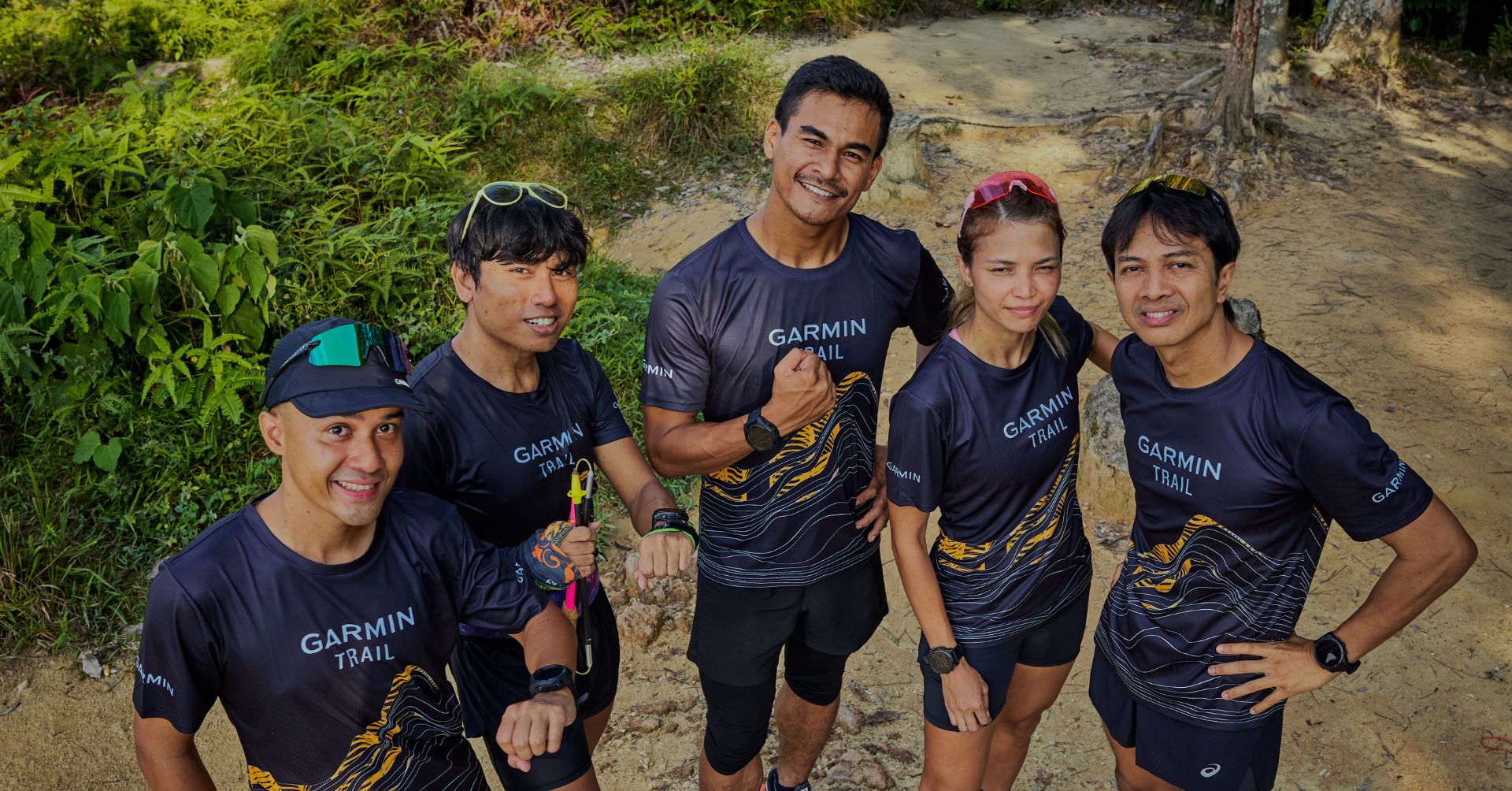
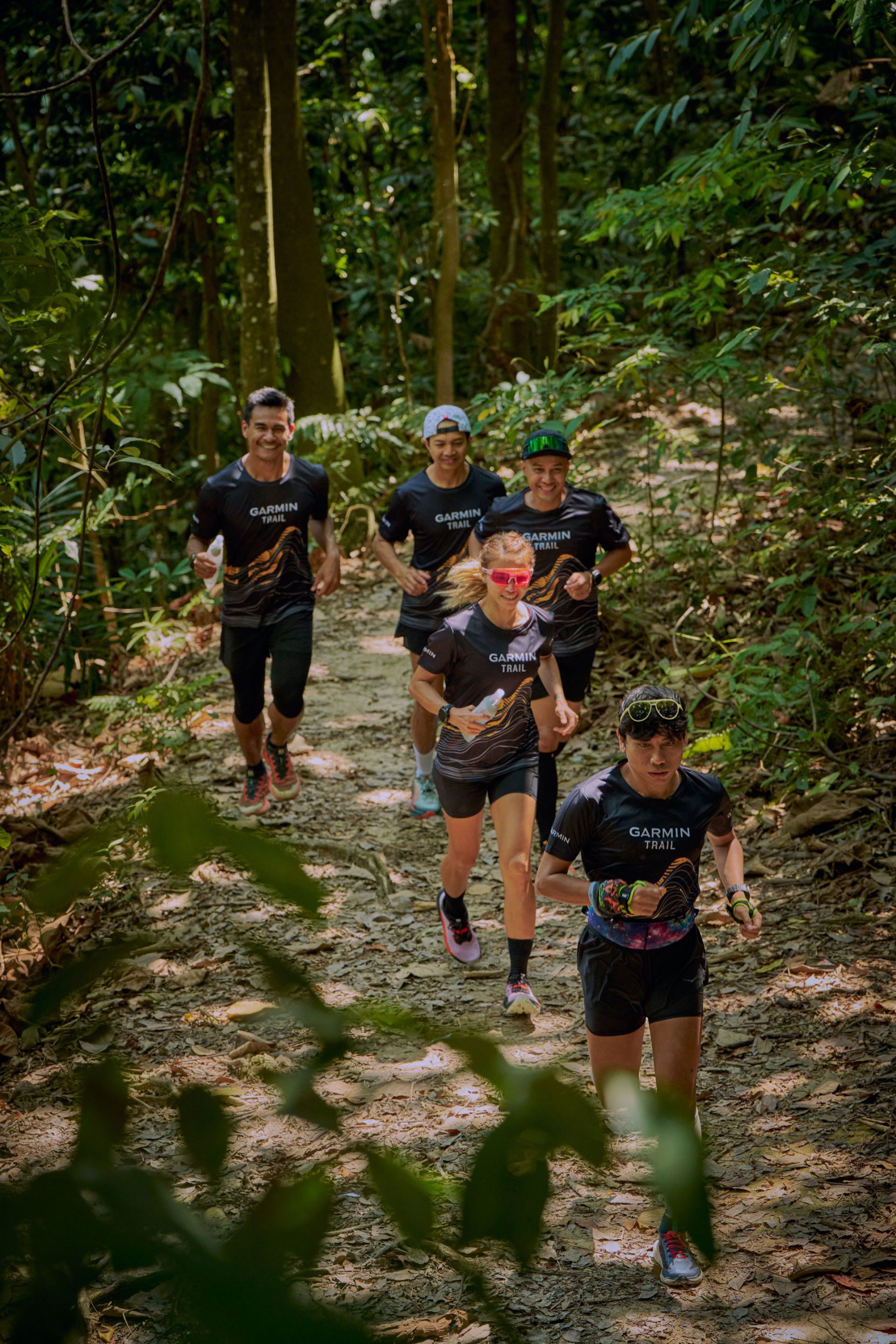
Across Malaysia, the interest in endurance sports has taken a shift as runners trade predictable, concrete city loops for natural terrains. Moving off-road is no longer just a trend; it is a pursuit that requires strategy, technique, and safety measures that is different from the traditional road running. To provide a guide to navigating this transition, Garmin Malaysia trail athletes and coaches; Maihazan Nurafendy, Jalil Nasir, Kristjan Chapman, Syarifah Balqis, Zukhairi Ahmad, and Asyraf Ghazali share a blueprint on the art of wilderness running, balancing physical strategy with the support of data precision.
The Reality of Trail Mindset and Training Balance
For those accustomed to the structured, pace-driven metrics of road running, the first step toward the trail requires letting go of the need for speed. On natural terrain, effort management takes priority over flat-ground speed.
Coach Zukhairi Ahmad notes that true performance is dependent on how well one adapts to shifting elevations. “Trail running is less about pace and way more about effort management,” Zukhairi notes. “Every trail hits differently, requiring strength, balance, focus, and quick decision-making. Walking during steep climbs is completely normal, and honestly, it’s often the smartest strategy to conserve your legs.”
Malaysia’s fastest ranked trail runner, Asyraf Ghazali, views the sport as requiring more mental strategy rather than a pure sprint or body endurance. On natural terrain, moving efficiently is all about staying adaptable and tuning into your body rather than chasing a fixed number on a stopwatch.
Elite runner Jalil Nasir highlights that transitioning off-road is a rewarding process that relies on listening to your body’s natural signals. “Trail running is more technical and requires greater endurance than road running,” Jalil shares. “You need to pay attention to the terrain while managing your energy throughout the run. Listen to your body, monitor your heart rate, don’t push too hard, and most importantly, enjoy the experience.
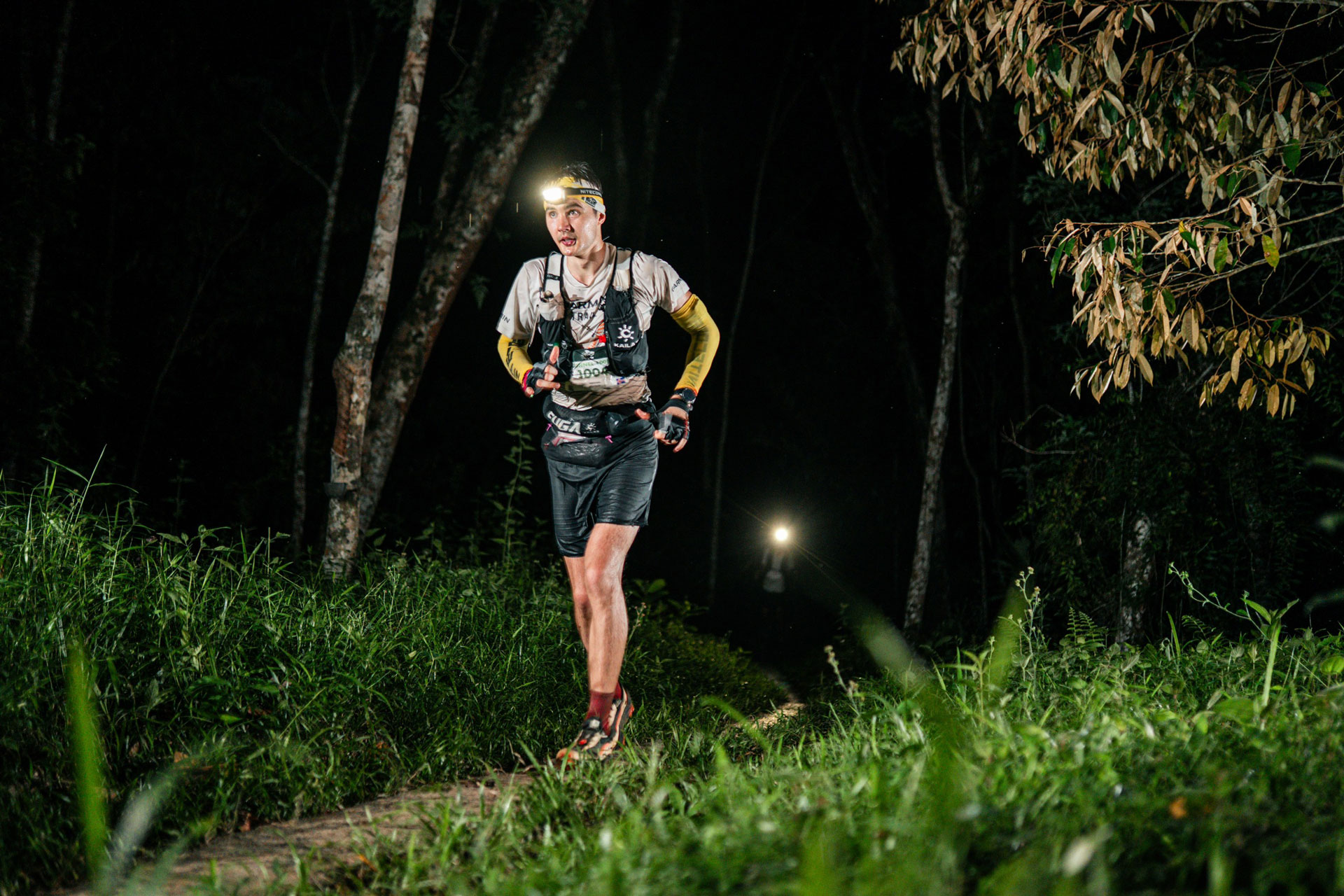
Unlike road running where pace is the ultimate goal, trail running is all about effort management. To navigate the nature of the sport successfully, endurance athlete Kristjan emphasizes the value of proactive preparation. “Trail running can be more physically and mentally demanding, there will be times where you will have to run in the dark, deal with constant changes in elevation and possibly the weather. I would say always be prepared. If you know that you are going to be out for a long period of time, make sure you have enough with you that will support your effort,” Kristjan shared. “Hiking steep climbs is standard practice, even for elite runners,” Asyraf added. He advises newcomers to immerse themselves in studying the terrain and managing their internal energy reserves rather than fixing their eyes on a continuous speed target.
This patient, calculated approach is what allows long-distance athletes like Maihazan Nurafendy to sustain momentum. He cautions that forcing a conventional road pace onto highly technical alpine paths is a fast track to exhaustion. Building that initial confidence off-road comes down to personal growth rather than keeping pace with anyone else. As Asyraf Ghazali notes, “Don’t compare yourself to others because everyone starts somewhere. Set small, achievable goals and focus on enjoying the process instead of only chasing race results. Consistency matters more than motivation, so show up regularly if you want to see progress.”
Maihazan echoes the same sentiment that the key to progression relies on steady, long-term dedication rather than forcing rapid results. “The biggest lesson is consistency. Success comes from showing up every week, building gradually, respecting recovery, and trusting the training process. Whether you’re preparing for a 10K or a 450 km ultra, the fundamentals remain the same: stay consistent, be patient, and enjoy the journey,” he shared.
The Starter Pack: Gear Up and Go
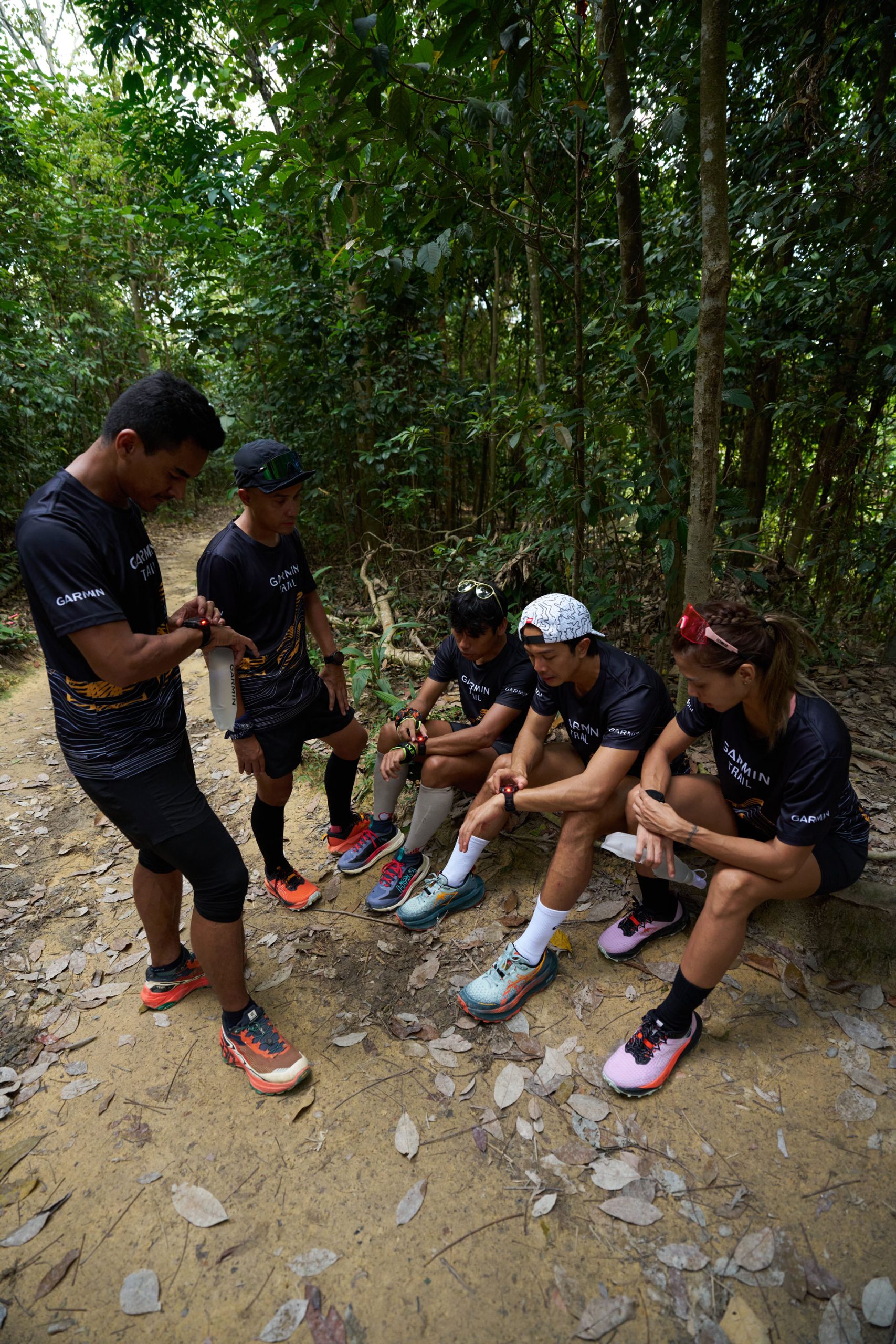
With all the noise surrounding the must have tools needed for trail running, the Garmin athletes, break down the non-negotiable checklist for anyone thinking of taking up trail running:
- Suitable Gears built for the Outdoors: Leaving the tarmac requires specialized footwear. Zukhairi Ahmad emphasizes selecting shoes with aggressive traction and comfortable weather-appropriate running apparel that are designed for the outdoors specifically to maintain stability on mud, wet roots, and loose gravel.
- Smart Fuel and Hydration: Managing your energy and hydration in tropical humidity is an important aspect in performance and endurance. Kristjan recommends a sleek, high-capacity hydration vest for fueling or multiple soft flasks where one can store enough water and nutrition such as gels, bars or electrolytes as he recommends at least 60 grams of carbohydrates every single hour, supported by ample hydration.
- Standalone Navigation Devices: Cellular signal is often not available when you are deep in the wilderness. Syarifah Balqis and Jalil Nasir both emphasize the importance of a dedicated GPS watch pre-loaded with the route’s GPX map alongside a fully charged phone, allowing you to backtrack seamlessly if you lose the path.
Safety First: The Rules of Solo Runs vs. Squad Support
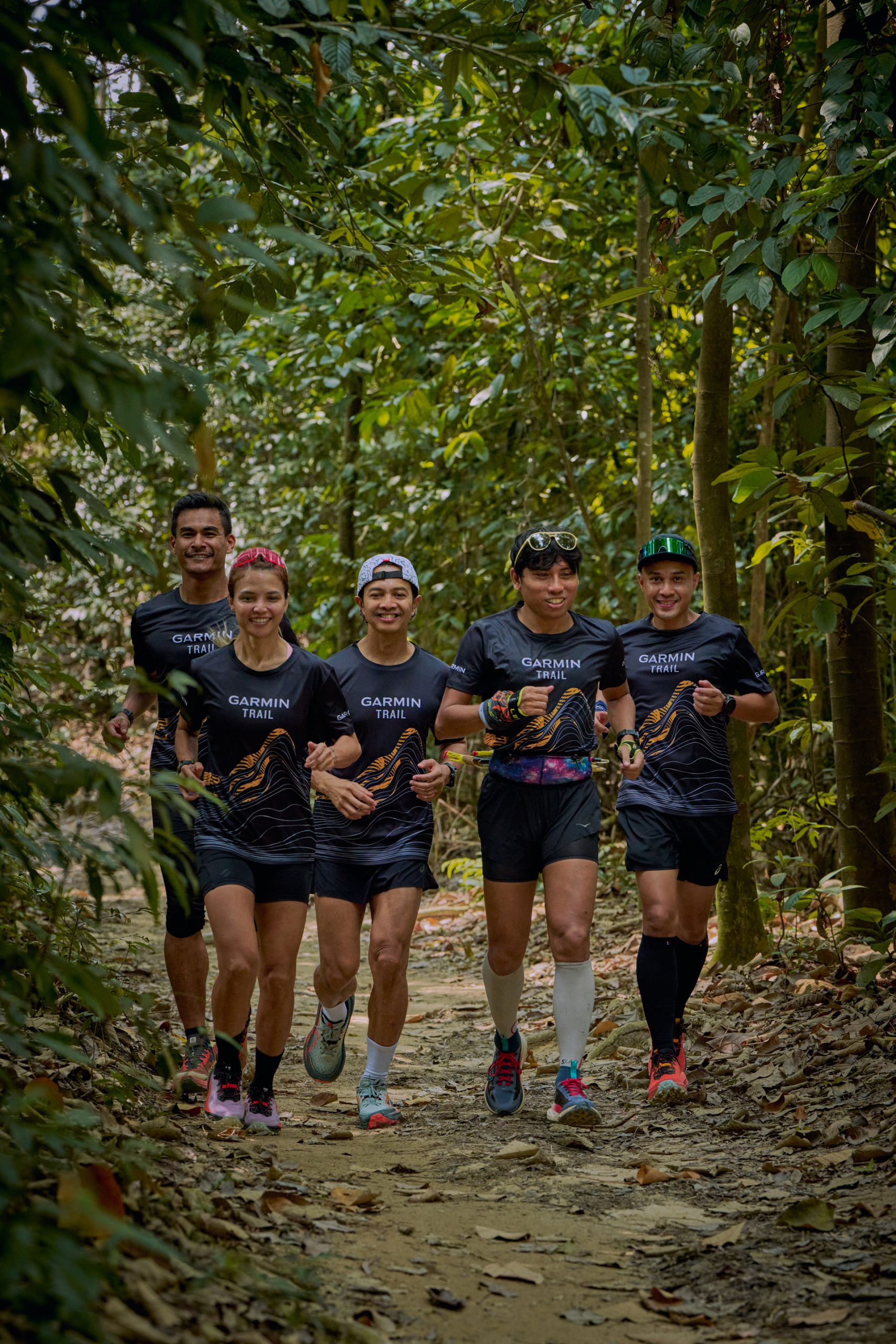
Safety in trail running has been a hot topic of discussion, given that trail run requires navigating sudden weather shifts, environmental terrain and physical fatigue that might take a turn for the worse at any time. The Garmin athletes share strict safety protocols, whether you choose to run alone or with your local community.
For runners with independent training blocks, Kristjan treats real-time location data as an essential baseline. “I highly recommend letting someone know where you are running and turning on your live location,” he shared. “If something goes wrong, you have someone who can pinpoint the exact place you were last seen.”
Syarifah Balqis relies on her watch navigation as a safety precaution especially as a woman on her solo training routines. While highly populated urban trails like Bukit Kiara and Sri Bintang offer a safer framework for solo sessions, she encourages more precaution in secluded zones and unfamiliar areas. “Learn to use the GPX map so you can find your way out or backtrack if necessary,” Balqis advises. Jalil Nasir supports this, warning runners to never explore unfamiliar paths solo without deeply studying the route and downloading the map file first.
For those who are unfamiliar with the sport or wish to explore more routes safely, the athletes suggested joining communities that organise public runs. The Garmin Trail Community acts as the perfect space to explore the sport and learn from experienced runners. “The Garmin Trail Community is perfect for beginners, the community leaders bring you to new places, guide you, and run at a super comfortable pace,” Balqis shared. Kristjan added that the community brings beginners and elite runners together to share trail etiquette and skills naturally, removing the pressure of solo exploration.
Using Data to Train Smarter
Data plays an important role in helping trail runners to monitor and optimise their performance after every trail. It is especially useful in breaking down how the body is reacting to certain circumstances, especially with elevation and difficult terrain in the picture.
For Zukhairi, he relies on data to ensure that performance is prioritised without compromising the body. By monitoring specific metrics such as Training Readiness and Recovery Time, it allows him to create a more efficient training plan for the week while avoiding the risk of overtraining. He also utilizes the ClimbPro feature on the trail to track upcoming ascents, helping him gauge real-time elevation changes and distribute his energy evenly.
Asyraf Ghazali shared that he relied on data as well while heading back to training after recovering from an illness in the earlier year, noting that ClimbPro was instrumental in helping him monitor his immediate effort against the terrain so he wouldn’t accidentally overexert himself. Rather than training strictly through discomfort, he monitors his heart rate variability and recovery scores as a signal of when to push harder and when to rest. “I pay attention to both data and how my lung and brain feel due to my current sickness,” Asyraf shared. “If my resting heart rate is unusually high, my legs feel heavy, or I have difficulty breathing, it’s a sign that recovery is the better choice. Missing one hard session won’t ruin your fitness, but ignoring fatigue leads to injury.”
Balancing Training while working a 9-to-5
Sustaining this performance standard around a corporate routine requires strict time efficiency. Jalil Nasir suggests moving primary training blocks to early morning windows when you are mentally and physically fresh, saving heavy weekend blocks for the mountains.
To build a well-rounded foundation around full-time careers, the athletes share similar routines of balancing intentional conditioning with structured recovery and rest. Athletes like Kristjan and Syarifah Balqis place a heavy emphasis on mid-week base building and low-impact cross-training, highlighting that structured recovery is an important element of endurance training rather than just passive time off. When managing a demanding day at work alongside natural terrain training, prevent chronic fatigue by allowing the body adequate windows to adapt and repair itself to ensure sustainable growth in trail running.
To help working professionals build a sustainable foundation, Maihazan shared a balanced, repeatable training blueprint:
- Monday: Recovery or rest
- Tuesday: Speed or interval session
- Wednesday: Easy run
- Thursday: Hill training or tempo
- Friday: Rest
- Saturday: Long trail run
- Sunday: Recovery run or strength training
Finding success on natural terrain relies on consistent training, calculated recovery, and understanding the body through data. For those looking to kickstart their journey in trail running, stay tuned for the upcoming Garmin Trail Community gathering on Garmin Run Club Malaysia’s Instagram page. Selected Garmin outdoor smartwatches are available at up to 40% savings during Garmin’s Happy Merdeka promotion until 31 August 2026. To find out more, visit https://www.garmin.com.my/event/2026/merdeka-day/.