


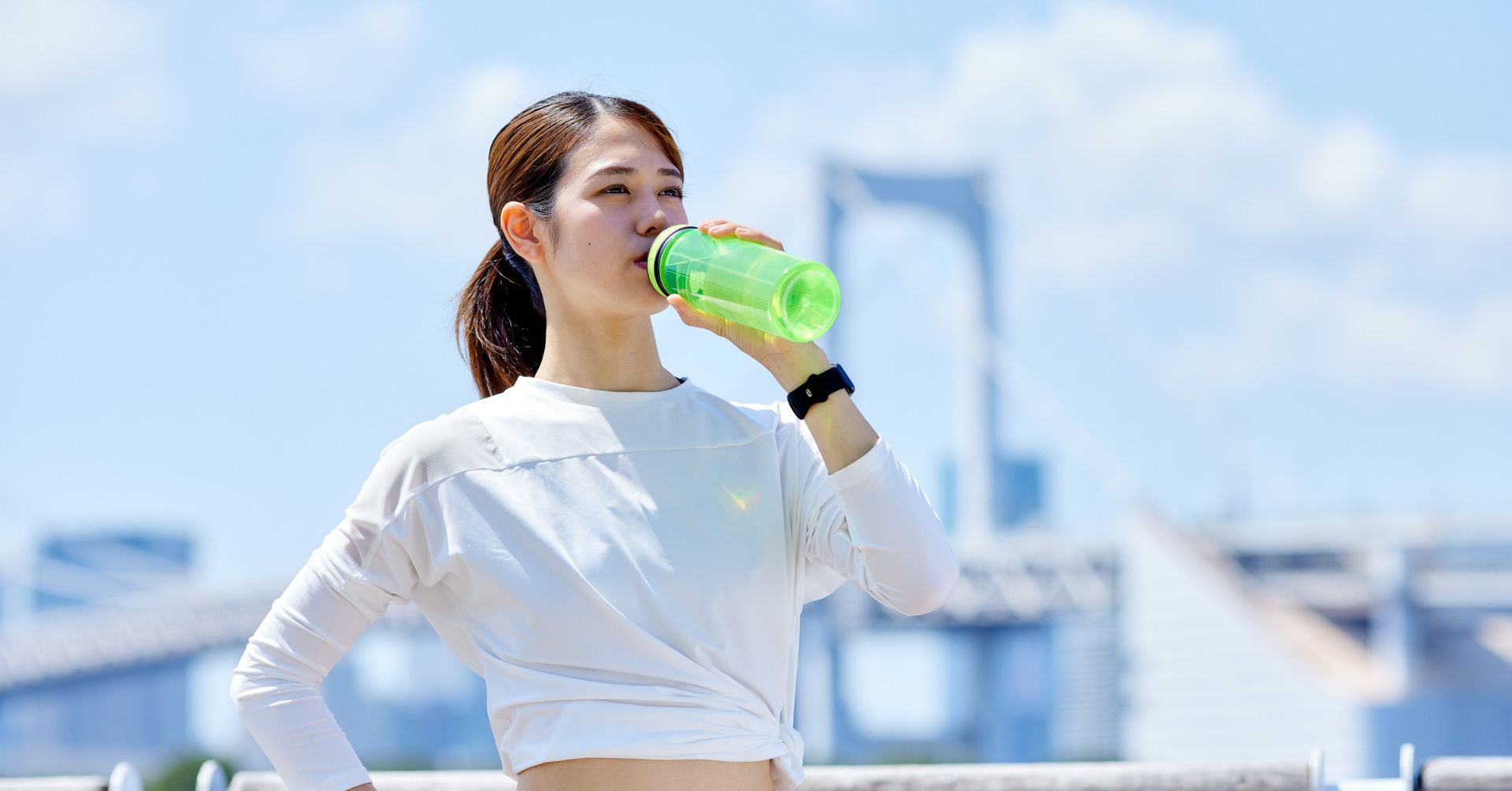
Whether you’ve just completed a long run, an intense HYROX session, a gym workout or simply spent hours outdoors in the heat, replacing lost fluids is an important part of recovery.
In Singapore, where hot and humid conditions can make us sweat heavily, hydration deserves particular attention. You might finish a workout feeling thirsty, tired or slightly light-headed, but simply drinking a large amount of water at once is not necessarily the best way to recover.
So, what is the fastest way to rehydrate? Should you drink plain water, reach for an electrolyte drink or eat foods with high water content?
The answer depends on how much fluid you’ve lost, how intensely you’ve exercised and the conditions in which you trained.
Here are seven practical ways to replenish fluids, support recovery and stay hydrated.
1. Start Rehydrating Before You Feel Extremely Thirsty
One of the biggest hydration mistakes is waiting until you feel very thirsty before drinking.
Your body continuously loses water through breathing, sweating and urination. During exercise, especially in hot weather, these losses increase as your body sweats to regulate its temperature.
Even a relatively small fluid loss can affect how you feel and perform. Losing around 2% of your body weight through sweat may affect exercise performance and contribute to symptoms of dehydration.
Common signs of mild to moderate dehydration include:
- Feeling thirsty
- Headaches
- Dizziness
- Dry mouth or skin
- Dark-coloured urine
- Urinating less frequently
- Tiredness and fatigue
For runners and HYROX athletes, dehydration can make training feel more difficult, reduce endurance and affect concentration.
Practical tip: Make drinking water a regular habit throughout the day rather than trying to catch up only after exercise. Keep a water bottle nearby, particularly when working in an air-conditioned office or spending time outdoors.
2. Make Plain Water Your First Choice
For everyday hydration, plain water remains one of the simplest and most effective options.
It is affordable, readily available and calorie-free. Your body also absorbs water relatively quickly, making it a good choice for replacing fluids lost through normal daily activities and shorter workouts.
Research discussed suggests that water absorption can begin within minutes of drinking. However, the time needed for full rehydration varies depending on factors such as your hydration status and whether your stomach is empty or full.
For mild dehydration, drinking fluids gradually is generally sufficient.
Avoid trying to compensate for an entire day’s fluid loss by drinking a huge amount in one sitting. Drinking more than approximately one litre of fluid per hour can increase the risk of overhydration, which can be dangerous.
How much should you drink?
There is no universal amount that works for everyone. Your fluid requirements depend on your body size, activity level, diet, environment and individual sweat rate.
The general daily water intake references are approximately:
- Men: 3.7 litres of total water daily
- Women: 2.7 litres of total water daily
These figures include water from both beverages and food, not just plain drinking water.
Your needs may be higher when exercising or spending time in hot weather.
Practical tip: Drink regularly throughout the day and increase your intake according to your activity and sweat losses. Do not force yourself to drink excessive amounts just to reach a fixed target.
3. Know When You Need Electrolytes
Water replaces lost fluids, but it does not provide the electrolytes your body loses through sweat.
Electrolytes are minerals such as sodium, potassium and magnesium. They help regulate fluid balance and support normal muscle and nerve function.
During prolonged or intense exercise, particularly in hot conditions, you may lose considerable amounts of water and sodium through sweating.
This is where electrolyte drinks can be useful.
For example, a runner completing a 30km long run in Singapore’s heat may have very different hydration needs from someone doing a short 30-minute gym session in an air-conditioned environment.
Electrolyte products are particularly useful when:
- Your workout lasts an hour or longer.
- You exercise in hot weather.
- You sweat heavily.
- You complete prolonged endurance sessions.
- You need to replace both fluids and electrolytes after intense exercise.
Sports drinks commonly contain electrolytes and carbohydrates. The carbohydrates can help replenish glycogen, the stored form of carbohydrate in your muscles.
However, not everyone needs a sugary sports drink after every workout.
If your session is short and you have not been sweating heavily, plain water is generally sufficient. If you want electrolytes without additional sugar, consider an unsweetened product or one with a suitable low-sugar formulation.
Practical tip: Match your hydration strategy to the workout. Save electrolyte drinks for sessions where prolonged sweating and fluid losses make them useful, rather than consuming them automatically after every exercise session.
4. Consider Coconut Water for Everyday Hydration
Coconut water is another popular option, particularly in tropical countries such as Singapore.
It naturally contains electrolytes, including potassium, and provides some carbohydrates and antioxidants.
Compared with many conventional sports drinks, coconut water generally contains more potassium but less sodium.
This makes it a refreshing option for everyday hydration and light to moderate physical activity.
However, coconut water may not provide enough sodium to replace substantial losses after a long run, intense HYROX workout or prolonged exercise in hot weather.
It also contains natural sugars and calories, so it should not automatically be considered a calorie-free alternative to water.
When is coconut water suitable?
- As a refreshing drink during the day.
- After light to moderate exercise.
- As part of a balanced recovery snack.
- When you want an alternative to plain water.
For demanding endurance sessions, consider whether you need additional sodium and other electrolytes instead of relying on coconut water alone.
5. Eat Your Way to Better Hydration
Hydration does not come exclusively from what you drink. Food also contributes to your daily fluid intake.
In fact, water-rich fruits and vegetables can be useful additions to your meals and snacks, particularly when exercising regularly.
Some fruits and vegetables contain more than 90% water.
Water-rich fruits to include in your diet:
- Watermelon – approximately 92% water
- Strawberries – approximately 92%
- Kiwi – approximately 90%
- Peaches – approximately 89%
- Oranges – approximately 88%
- Blueberries – approximately 88%
- Pineapple – approximately 86%
- Apples – approximately 84%
- Grapes – approximately 81%
Water-rich vegetables:
- Cucumbers – approximately 96% water
- Lettuce – approximately 96%
- Celery – approximately 95%
- Zucchini – approximately 94%
- Tomatoes – approximately 94%
- Bell peppers – approximately 92%
- Broccoli – approximately 92%
- Spinach – approximately 92%
Other foods that contribute to hydration include broth, skim milk and plain yoghurt.
Easy hydration snack ideas:
- Watermelon and cucumber salad.
- Greek yoghurt with strawberries or blueberries.
- Celery, carrot and bell pepper sticks with hummus.
- Cherry tomatoes with mozzarella cheese.
- A smoothie made with apple and pineapple.
These foods provide more than just water. They can also contribute vitamins, minerals, fibre and other nutrients to support an overall balanced diet.
For active individuals, a bowl of Greek yoghurt with fruit can be a convenient post-workout snack that provides fluids alongside protein and carbohydrates.
6. Monitor Your Hydration Through Urine Colour
You do not need complicated equipment to keep track of your hydration.
One simple method is to observe the colour of your urine.
Generally, light-yellow or pale-coloured urine is a useful sign that you are reasonably hydrated. Darker urine may indicate that you need more fluids.
You can also pay attention to how frequently you urinate and whether you experience symptoms such as unusual thirst, headaches or fatigue.
Another useful method for endurance athletes is to compare body weight before and after exercise.
For example, if you weigh yourself before and after a long run under similar conditions, the difference can provide an estimate of fluid loss, although food intake, bathroom visits and other factors can influence the result.
Tracking your sweat losses over several workouts can help you understand your individual hydration requirements.
Remember that urine colour is only a general guide. Certain foods, supplements and medications can also affect its appearance.
Practical tip: Develop a hydration routine that considers your daily fluid intake, urine colour, training duration and how much you sweat. Avoid relying on thirst alone, especially during demanding workouts.
7. Know When Rehydration Requires Medical Attention
Most mild dehydration can be managed by drinking fluids and replacing lost electrolytes when necessary.
However, moderate to severe dehydration can become a serious medical issue.
Symptoms that should not be ignored include:
- Persistent dizziness or light-headedness.
- Very little or no urination for several hours.
- Rapid heartbeat.
- Rapid breathing.
- Confusion.
- Fainting.
If you are experiencing vomiting or diarrhoea and cannot keep fluids down, you may require medical treatment. In some cases, intravenous fluids may be necessary.
Oral rehydration solutions (ORS) are specially formulated medical products that combine water, sodium and glucose to support fluid absorption. They are commonly used to manage dehydration associated with diarrhoea and vomiting.
Although some ORS products may be useful in certain exercise-recovery situations, they are not intended to replace everyday drinking water. Their formulations differ, and inappropriate use can cause problems, including excessive sodium intake.
Use medical-grade ORS according to professional advice, particularly if you are dealing with significant fluid loss.
Older adults, infants, young children and people with certain medical conditions, such as diabetes, may be more vulnerable to dehydration. They should seek medical advice promptly if dehydration is suspected.
A Simple Hydration Strategy for Runners and Fitness Enthusiasts
If you exercise regularly, having a simple hydration routine can make it easier to manage fluid losses and support recovery.
Here is a practical approach:
Before exercise
- Drink water regularly throughout the day.
- Avoid starting a workout already feeling thirsty.
- Consider your workout duration, intensity and expected weather conditions.
During exercise
- Drink according to your needs and the conditions.
- For prolonged sessions or exercise in hot weather, consider an electrolyte drink.
- Avoid drinking excessive amounts of fluid.
After exercise
- Replace fluids gradually.
- Consider electrolytes if you have lost substantial amounts of sweat.
- Include water-rich foods such as fruit, vegetables and yoghurt in your recovery meals.
- Monitor how you feel and check your urine colour.
For shorter workouts lasting less than an hour, particularly in a cool indoor environment, plain water is usually sufficient.
For longer runs, HYROX training and demanding outdoor sessions in Singapore’s heat, a more considered hydration strategy may be beneficial.
The Bottom Line
Rehydration is not simply about drinking as much water as possible after exercise. It is about replacing the fluids and electrolytes your body has lost, at a pace that suits your needs.
Plain water remains the best everyday choice, while electrolyte drinks can be useful after prolonged or intense exercise, especially in hot conditions. Coconut water and water-rich foods can also contribute to your daily fluid intake.
Most importantly, do not wait until you feel extremely thirsty to start drinking. Make hydration part of your daily routine, pay attention to your body’s signals and avoid excessive fluid consumption.
Whether you are training for your next marathon, preparing for HYROX or simply trying to stay active, good hydration habits can help you feel better, train more comfortably and support your recovery.
Stay hydrated, train smart and make every workout count!
Disclaimer: This article is for general educational purposes and is not a substitute for medical advice. Hydration requirements vary between individuals. Consult a healthcare professional if you experience persistent or severe symptoms of dehydration, or if you have an underlying medical condition.

