


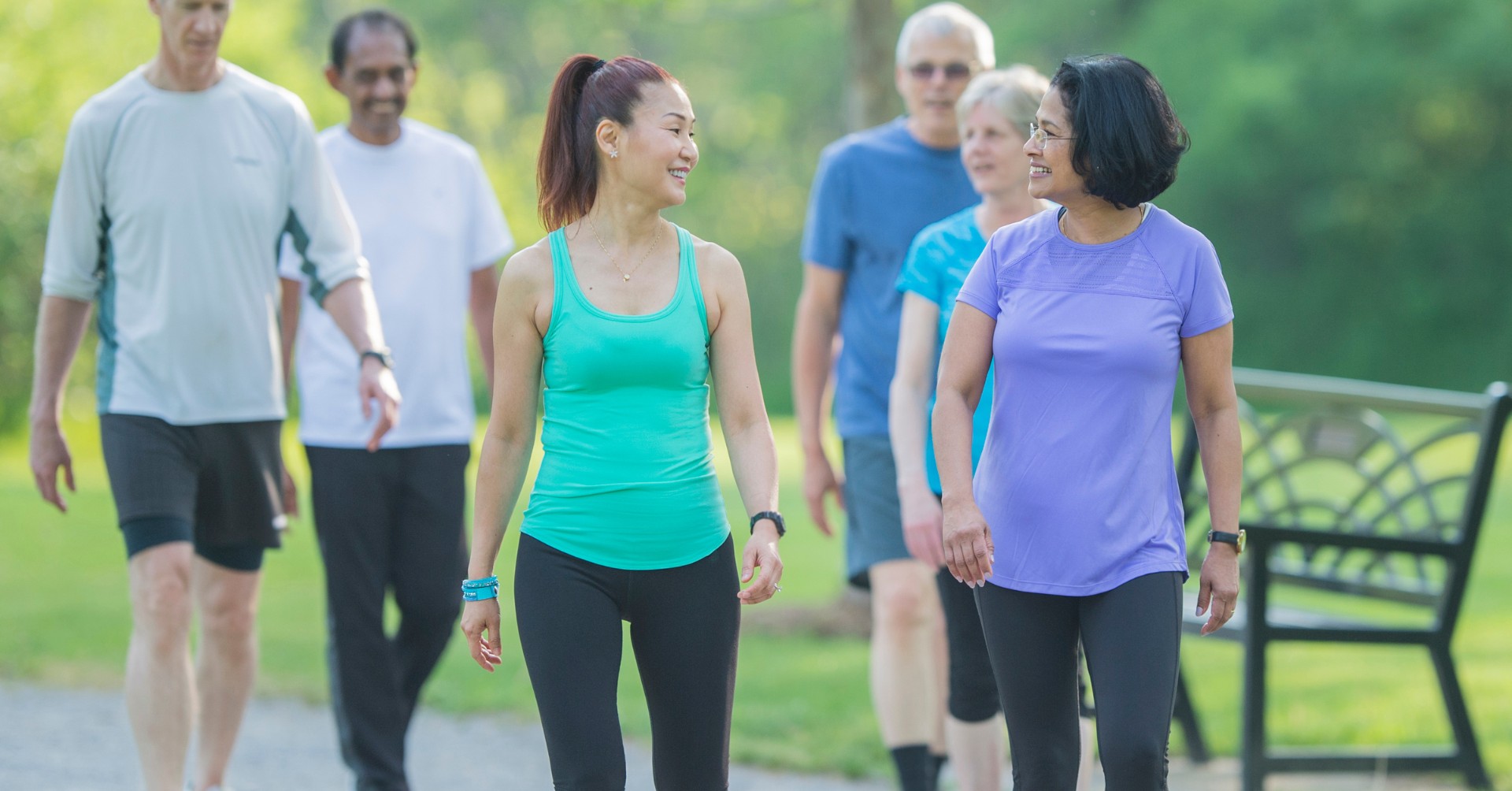
People often think running is just for young folks, but honestly, the finish line doesn’t care how old you are. If you’ve got the right attitude and make a few smart tweaks, running can keep you strong, happy, and full of life well into your 50s, 60s, 70s, and beyond. “Age-proofing” your fitness isn’t about stopping; it’s about changing things up so you can keep logging those miles happily and healthily for years. This means understanding how your body naturally changes over time so you can adjust your training and recovery, as these tips for ageing runners discuss.
Embracing the Joys of Senior Running
The good stuff you get from running doesn’t go away as you get older. In fact, it can become even more important. For older athletes, running is a fantastic way to keep your heart healthy, manage your weight, and strengthen your bones. And beyond the physical benefits, that clear-headed feeling you get from a good run is priceless. It’s your dedicated time, like a moving meditation that can melt away stress and lift your spirits. Plus, it’s a great way to stay connected with people, whether you’re meeting a friend or just sharing a knowing nod with another runner on the path.
Training Adjustments for Mature Athletes
As your body changes, your training should too. What worked in your 20s might not be the best plan in your 60s. The trick is to train smarter, not necessarily harder.
- Warm-ups and Cool-downs are a Must: Your muscles and joints need more time to warm up and cool down. Make your warm-up at least 10-15 minutes of light jogging and dynamic stretches. A good cool-down is just as important for recovery.
- Mix in Other Activities: Give your joints a break by adding low-impact stuff like swimming, cycling, or using an elliptical. This keeps your heart fit without all the repetitive pounding of daily running.
- Get Stronger: Lifting weights is super important for maintaining your muscle mass and bone density. Just two sessions a week focusing on your main muscle groups can really improve your running efficiency and help prevent injuries.
- Listen to Your Body: This is the golden rule. You might need more rest days. If something feels off, don’t push through it. Taking a day off is way better than being out of commission for weeks with an injury.
Prioritising Safety on Every Run
Staying safe lets you run with confidence. Simple habits like telling someone your route and when you expect to be back, wearing bright or reflective clothes, and being aware of your surroundings are basic for any runner. For older athletes, a few extra things can add another layer of security.
Running on well-kept, familiar paths can lower your chances of tripping or falling. Always carry your phone in case of an emergency. For extra peace of mind, especially on solo runs in quieter areas, some runners look into personal alert systems. For folks in certain places, options like senior monitoring devices in Canada offer a special way to call for help with just a button push if you feel unwell or take a tumble.
Nutrition and Recovery Essentials
Recovery is where you actually build strength, and for older runners, it’s just as important as the run itself. Your body needs enough fuel and rest to fix itself and get stronger. Pay close attention to staying hydrated, drinking plenty of water all day, not just around your runs.
What you eat is super important for staying strong. Make sure you’re getting enough protein to help your muscles repair and maintain themselves. Many experts suggest that active older adults need more protein than less active adults. Think lean meats, fish, beans, and dairy. And don’t forget about sleep. Aim for 7-9 hours of good sleep each night, because that’s when your body does most of its healing. Gentle stretching or using a foam roller can also help soothe sore muscles and increase flexibility.
Building a Support System for Active Ageing
You don’t have to do it all by yourself. Running can be a wonderful social activity that keeps you motivated and accountable. Look for local running clubs that have groups for older athletes or different pace levels. Having a scheduled run with a buddy makes it much harder to skip a workout when you’re not feeling it.
These communities offer more than just training partners; they bring friendship, encouragement, and a shared understanding of the unique ups and downs of running as an older athlete. If an in-person group isn’t an option, there are lots of lively online communities where you can share tips and celebrate your progress.
Running is a gift that keeps on giving throughout your life. By listening to your body, training smart, and putting safety first, you can make sure you enjoy every stride for many years to come.