


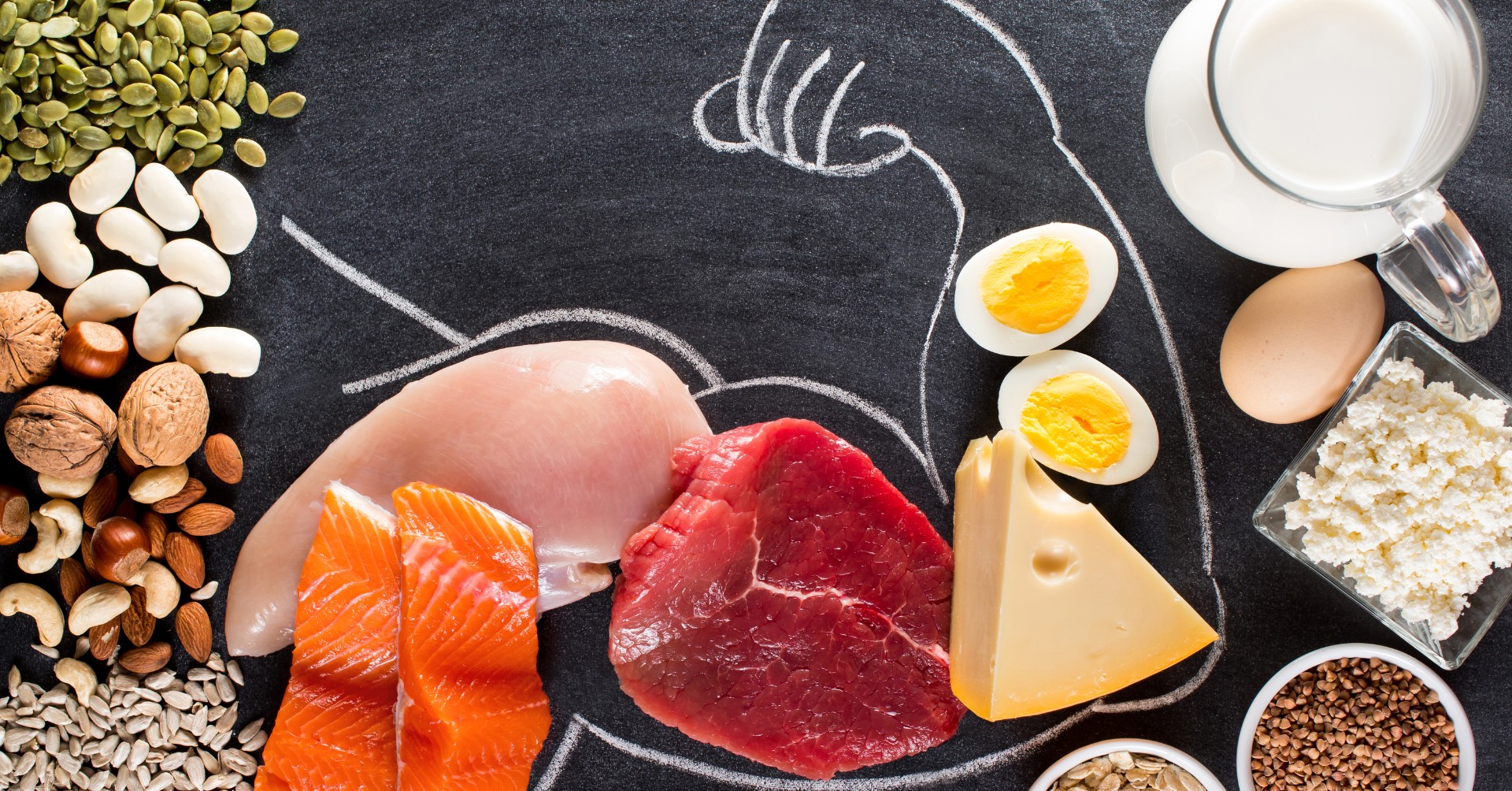
Protein is often associated with athletes, bodybuilders, and people trying to build muscle. While it certainly plays a crucial role in muscle growth and recovery, its importance extends far beyond the gym.
Every cell in your body contains protein. It is essential for building and repairing tissues, producing enzymes and hormones, supporting the immune system, and maintaining healthy skin, hair, and bones. Getting enough protein can also help with weight management, healthy ageing, and overall well-being.
Whether you’re an active runner, strength trainer, or simply looking to improve your health, here’s why increasing your protein intake could be one of the smartest dietary changes you make.
1. Protein Helps You Feel Fuller for Longer
If you often find yourself reaching for snacks shortly after a meal, protein could be the missing ingredient.
Among the three main macronutrients—protein, carbohydrates, and fat—protein has the greatest effect on satiety, helping you feel full for longer. It also influences hormones that regulate hunger and appetite, making it easier to control calorie intake naturally.
Including protein at every meal may help reduce cravings and unnecessary snacking throughout the day.
2. Supports Muscle Growth and Recovery
Muscles are constantly being broken down and rebuilt, especially after exercise.
Protein provides the amino acids needed to repair muscle fibres and stimulate muscle protein synthesis. This is why athletes, runners, and gym-goers are encouraged to consume adequate protein throughout the day, particularly after training.
Combined with resistance training, sufficient protein intake helps build lean muscle, improve strength, and speed up recovery after workouts.
3. Helps Maintain Muscle as You Age
Ageing naturally leads to a gradual decline in muscle mass and strength, a condition known as sarcopenia.
Regular strength training and adequate protein intake are two of the most effective ways to slow this process. Preserving muscle helps older adults remain independent, maintain mobility, and reduce the risk of falls and fractures.
Eating enough protein becomes even more important as we get older.
4. Supports Strong Bones
For years, there was concern that high-protein diets might weaken bones by increasing calcium loss.
However, more recent research suggests the opposite. Protein supports bone health by improving calcium absorption and helping maintain bone density, particularly when combined with adequate calcium intake and regular weight-bearing exercise.
Healthy bones rely on more than just calcium—they also need enough protein.
5. May Boost Your Metabolism
Digesting food requires energy, a process known as the thermic effect of food (TEF).
Protein has the highest thermic effect of all the macronutrients, meaning your body burns more calories digesting protein than it does digesting carbohydrates or fats.
Although this won’t replace regular exercise, it can slightly increase daily energy expenditure and support weight management over time.
6. Can Help Lower Blood Pressure
High blood pressure is one of the leading risk factors for heart disease and stroke.
Some studies suggest that higher protein intake, particularly from plant-based sources, may contribute to modest reductions in blood pressure. While protein is not a replacement for medication when prescribed, it can form part of an overall heart-healthy lifestyle that includes exercise, maintaining a healthy weight, and limiting sodium intake.
7. Supports Weight Loss
Losing weight isn’t just about eating less—it’s also about eating smarter.
Because protein helps increase fullness, preserve muscle mass, and slightly boost metabolism, high-protein diets are often associated with improved weight-loss outcomes.
Maintaining muscle during weight loss is particularly important because muscle helps keep your metabolism higher than fat tissue does.
The goal isn’t to eliminate carbohydrates or fats but to create a balanced diet with adequate protein.
8. Helps Your Body Recover After Injury
Protein plays a vital role in repairing damaged tissues.
Following surgery, illness, or injury, your body’s demand for protein often increases as it works to rebuild muscles, skin, connective tissue, and other structures.
Adequate protein intake supports healing and may shorten recovery time when combined with appropriate medical care and rehabilitation.
9. Strengthens the Immune System
Proteins form antibodies, enzymes, and many of the cells involved in immune defence.
Without enough dietary protein, the body may struggle to produce these essential components, potentially reducing its ability to fight infections effectively.
A balanced diet rich in protein supports overall immune health alongside vitamins, minerals, regular sleep, and physical activity.
10. Easy Ways to Eat More Protein
Meeting your protein needs doesn’t require complicated meal plans.
Some simple strategies include:
- Include a source of protein at every meal.
- Start your day with eggs or Greek yoghurt.
- Snack on cottage cheese, edamame, or nuts.
- Choose lean meats, fish, tofu, beans, or legumes.
- Add protein-rich foods after workouts.
- Consider a protein shake if you struggle to meet your daily requirements through food alone.
Aim for a variety of protein sources, including both animal and plant-based options, to obtain a wide range of nutrients.
How Much Protein Do You Need?
General recommendations suggest that most healthy adults consume at least 0.8 grams of protein per kilogram of body weight daily.
However, protein needs increase for people who are physically active, older adults, pregnant women, or those recovering from illness or injury. Many athletes and individuals engaged in regular strength training may benefit from consuming approximately 1.2 to 2.0 grams per kilogram of body weight, depending on their goals and training intensity.
If you’re unsure about your protein needs, consulting a registered dietitian or healthcare professional can help you determine an intake that’s appropriate for your age, activity level, and health status.
Quality Matters Too
Not all protein sources are created equal.
Lean poultry, fish, eggs, dairy products, soy foods, legumes, nuts, and seeds all provide valuable nutrients in addition to protein. Processed meats, while containing protein, are often high in sodium and saturated fat and should be eaten in moderation.
Choosing a variety of minimally processed protein sources helps maximise nutritional benefits while supporting long-term health.
Protein Is More Than Just Muscle Food
Protein deserves its reputation as one of the body’s most important nutrients.
From helping you build and preserve muscle to supporting weight management, bone health, metabolism, recovery, and immune function, protein plays a role in nearly every aspect of health.
Rather than viewing protein as something only athletes need, think of it as a daily essential for everyone. By including quality protein sources in every meal, you can support your body’s performance today while protecting your health for years to come.