


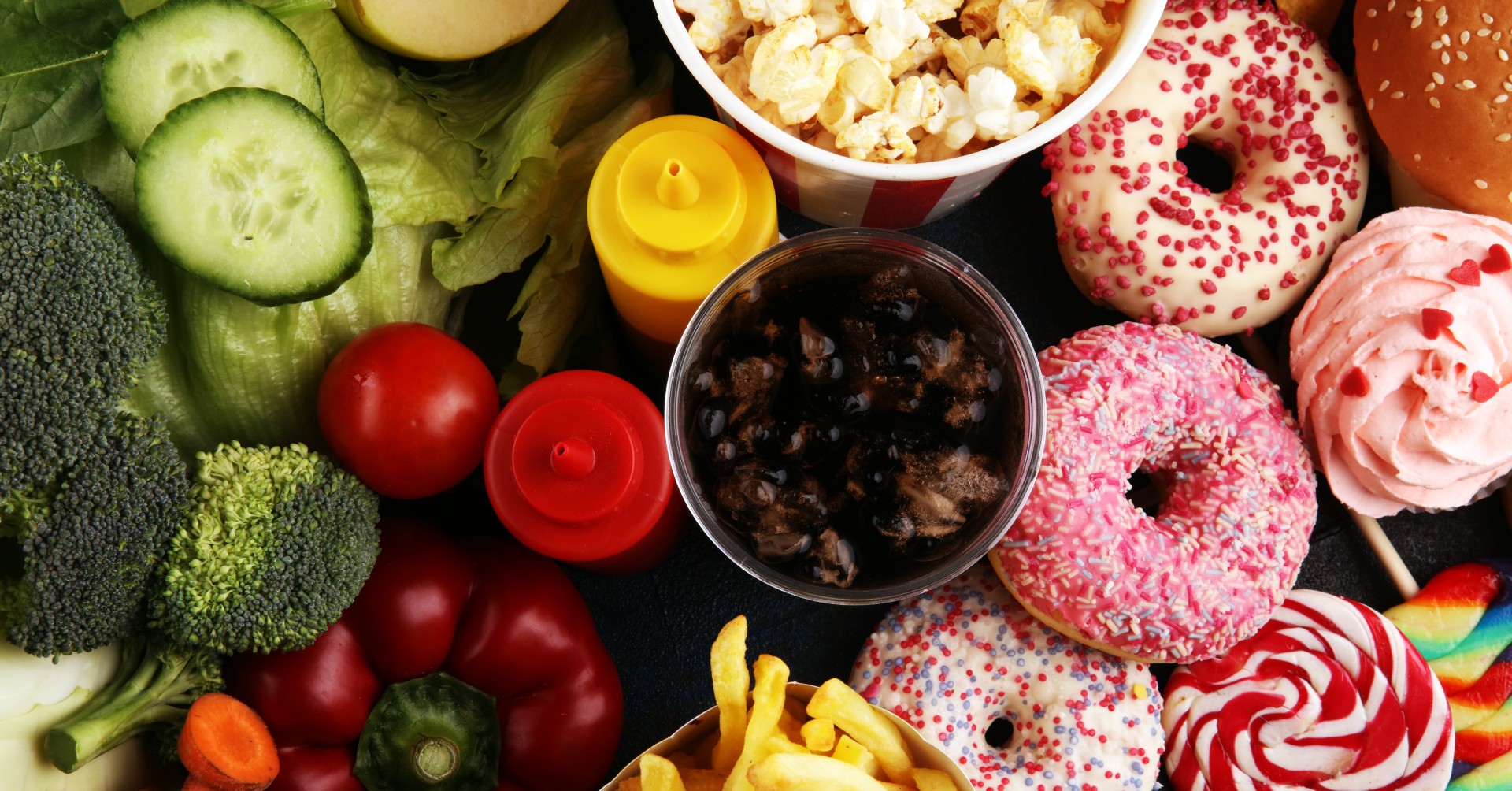
Many people believe that feeling hungry shortly after a meal means they simply did not eat enough. In reality, the problem is often not the quantity of food consumed, but the type of food chosen.
Some foods create a rapid rise in blood sugar, followed by an equally rapid crash that leaves you reaching for another snack. Others appear healthy on the surface but lack the protein, fibre, or healthy fats needed to keep you satisfied. As a result, you may find yourself constantly battling hunger despite eating regularly.
The good news is that you do not need to eliminate these foods entirely. By understanding why they trigger hunger and learning how to pair them with more filling ingredients, you can maintain steady energy levels and avoid unnecessary cravings.
Here are 10 surprisingly common foods that may be making you hungrier—and smarter ways to enjoy them.
1. Toast with Jam
Toast topped with jam is a quick and convenient breakfast, but it is largely composed of refined carbohydrates and sugar. These foods digest rapidly, causing blood sugar levels to spike before dropping again. That dip often signals the body to seek more food, even if breakfast was eaten only an hour earlier.
The solution is simple: add protein and healthy fats.
Instead of eating toast and jam alone, pair it with eggs, Greek yoghurt, smoked salmon, nut butter, or cottage cheese. Protein slows digestion and helps maintain stable blood sugar levels, keeping hunger under control for longer.
2. Fruit Smoothies
Smoothies are often marketed as healthy meal replacements, but many contain large amounts of fruit juice, flavoured yoghurt, sweetened milk alternatives, and multiple servings of fruit. While nutritious, they can also deliver a substantial sugar load without enough protein or fat to create lasting satiety.
A better smoothie includes a balance of nutrients:
- Protein powder
- Greek yoghurt
- Nut butter
- Avocado
- Chia seeds
- Unsweetened milk
Combining carbohydrates with protein and healthy fats slows absorption and helps you stay full until your next meal.
3. Diet Soft Drinks
Zero-calorie beverages may seem like a smart choice when trying to manage weight, but some research suggests that artificial sweeteners can affect appetite regulation in certain individuals. The sweet taste signals the brain to expect calories, yet none arrive, potentially increasing cravings later in the day.
This does not mean you must avoid diet drinks entirely. However, relying on them as a hunger solution is unlikely to work.
If you enjoy a diet beverage, pair it with a nutritious snack such as nuts, fruit, or yoghurt rather than using it as a substitute for food.
4. Breakfast Cereal
Many breakfast cereals contain refined grains and added sugars while providing little protein or fibre. This combination creates a rapid rise and fall in blood glucose, often leading to mid-morning hunger.
A more filling alternative is oatmeal. Oats contain soluble fibre that slows digestion and promotes feelings of fullness. Research has shown that people often feel more satisfied after eating oatmeal compared with sugary breakfast cereals containing similar calorie levels.
Adding nuts, seeds, milk, or Greek yoghurt further increases the meal’s staying power.
5. Rice Cakes
Rice cakes have long been associated with healthy snacking because they are low in calories. The problem is that they are also low in protein, fibre, and fat—the three nutrients most strongly linked with satiety.
Eating plain rice cakes often satisfies the craving to crunch without satisfying hunger itself.
To make them more filling, top them with:
- Peanut butter
- Cottage cheese
- Avocado
- Tuna
- Hummus
The added nutrients transform a light snack into one that actually keeps hunger at bay.
6. Muesli Bars
Many muesli bars are marketed as wholesome and nutritious, but a closer look at the nutrition label often reveals high sugar content and minimal protein. These bars may provide quick energy, but they rarely provide lasting satisfaction.
When selecting a snack bar, look for products containing:
- At least 10 grams of protein
- Several grams of fibre
- Minimal added sugars
Alternatively, choose naturally filling snacks such as boiled eggs, Greek yoghurt, cottage cheese, or mixed nuts.
7. Milk Chocolate
Chocolate contains beneficial compounds from cocoa, but milk chocolate often contains more sugar than cocoa. The high sugar content can trigger cravings and encourage additional snacking shortly after consumption.
Dark chocolate, especially varieties containing 70% cocoa or higher, may be a better option. It generally contains less sugar, provides a richer flavour, and can promote greater feelings of fullness compared with milk chocolate.
The key is moderation. A small square of quality dark chocolate can be surprisingly satisfying.
8. Margaritas and Alcoholic Drinks
Alcohol affects appetite in several ways. It can lower inhibitions, increase cravings for high-fat foods, and interfere with the body’s normal satiety signals. In addition, many cocktails contain significant amounts of sugar, further contributing to hunger later.
Research has shown that people often make poorer food choices after drinking alcohol, gravitating toward calorie-dense snacks and meals.
If you choose to drink, consider:
- Eating a balanced meal beforehand
- Staying hydrated
- Limiting sugary mixers
- Including protein-rich foods alongside alcoholic beverages
9. Large Pasta Dinners
Pasta itself is not the enemy. The issue arises when a meal consists mostly of refined pasta with little fibre, protein, or vegetables. Such meals digest quickly and may leave you feeling hungry again sooner than expected.
To make pasta more satisfying:
- Choose wholegrain pasta
- Try chickpea or lentil-based pasta
- Add lean protein
- Include plenty of vegetables
This combination slows digestion and promotes longer-lasting fullness between meals.
10. Fat-Free Salad Dressing
Fat-free products are often viewed as healthier options, but removing fat can also remove one of the nutrients most responsible for keeping you satisfied. Healthy fats slow digestion, improve flavour, and help the body absorb important vitamins from vegetables.
A salad dressed with olive oil, avocado, nuts, or seeds is often far more satisfying than one covered in fat-free dressing.
When food tastes better and feels more satisfying, you are less likely to search for snacks an hour later.
The Real Secret to Staying Full
The common thread connecting most hunger-triggering foods is not that they are inherently unhealthy. Rather, they tend to be low in protein, fibre, healthy fats, or a combination of all three. Without these nutrients, digestion occurs quickly, blood sugar fluctuates more dramatically, and hunger returns sooner.
Instead of eliminating favourite foods completely, focus on building balanced meals and snacks. Pair carbohydrates with protein, include healthy fats, and prioritise fibre-rich foods whenever possible.
The goal is not to eat less—it is to eat smarter. When meals are designed to support satiety, you spend less time fighting cravings and more time enjoying consistent energy throughout the day.