


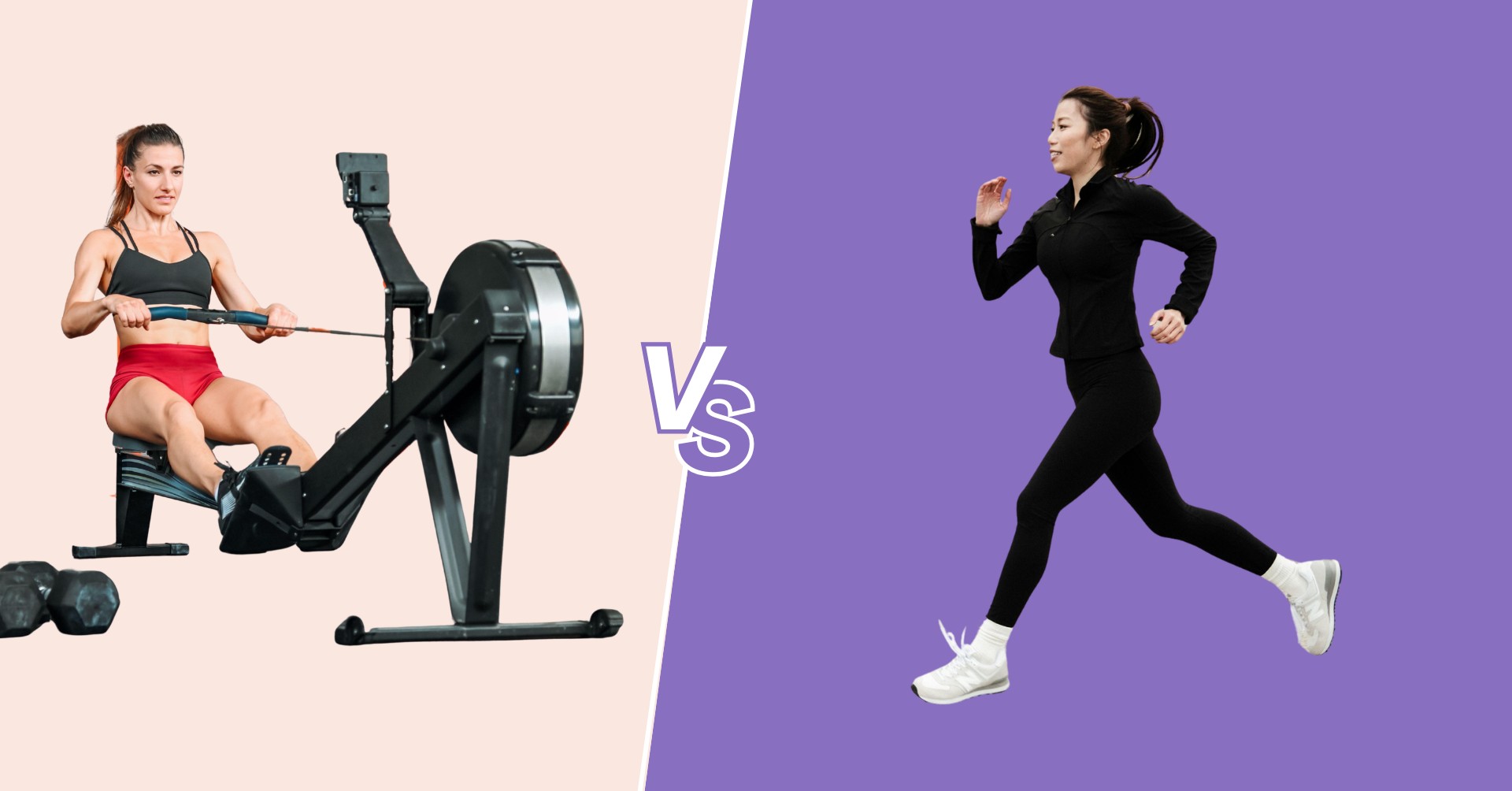
It is a question that comes up time and time again. Is it better to jump on a rowing machine
or head out for a run? Both are popular, effective, and widely accessible forms of exercise.
But the truth is, comparing them as if one must be better than the other misses the bigger
picture.
Rowing and running offer different benefits, and when used together, they can create a more
balanced and effective fitness routine. Instead of choosing between them, understanding
how they complement each other is where the real value lies.
What Makes Running So Effective
Running is one of the simplest ways to improve your fitness. It requires very little equipment,
can be done almost anywhere, and is easy to adjust based on your ability level. One of its
biggest strengths is cardiovascular conditioning. Running challenges your heart and lungs,
helping to improve endurance over time. Whether you are doing steady runs or intervals, it is
an efficient way to build stamina and burn calories.
Another benefit is its weight-bearing nature. Because you are supporting your body weight
with each step, running can help strengthen bones and improve overall resilience. This
makes it particularly valuable for long-term health. Running is also easy to progress. You can
increase distance, pace, or intensity depending on your goals. This flexibility makes it
suitable for beginners and experienced athletes alike.
Why Rowing Machines Are So Popular
Rowing machines have gained a lot of attention in recent years, and for good reason. They
offer a full-body workout that engages multiple muscle groups in one movement. When you
row, you are not just using your legs. Your core, back, and arms all play a role, making it a
highly efficient form of exercise. This combination of strength and cardio makes rowing a
powerful option for those looking to maximise their time.
Using a Mirafit fitness rowing machine at home also adds a level of convenience. You can
train without worrying about weather conditions, traffic, or time constraints. This makes it
easier to stay consistent, especially during busy periods.
Another key advantage is that rowing is low-impact. Unlike running, which places repeated
stress on joints, rowing provides a smoother motion that reduces strain while still delivering
an effective workout. This makes it a great option for recovery days or for those looking to
protect their joints.
Different Strengths, Different Benefits
Running and rowing work the body in different ways, which is exactly why they pair so well
together. Running tends to focus more on the lower body, particularly the legs and calves,
while also placing a strong demand on your cardiovascular system. It is excellent for building
endurance and improving aerobic capacity.
Rowing, on the other hand, distributes the workload across the entire body. It strengthens
the posterior chain, including the back and glutes, while also engaging the arms and core. At
the same time, it still provides a solid cardiovascular workout. Because of these differences,
each method fills in the gaps left by the other.
Why Combining Both Works Best
Rather than choosing one over the other, combining running and rowing can lead to better
overall fitness. Including both in your routine allows you to train different muscle groups,
reduce the risk of overuse injuries, and keep your workouts varied. For example, you might
use running to build endurance and outdoor stamina, while rowing can be used for full-body
conditioning or lower-impact sessions.
Building a Balanced Routine
A simple way to combine both is to alternate between them throughout the week. You might
include a few running sessions for endurance and mix in rowing workouts for strength and
conditioning. You can also use rowing as a warm-up or finisher to complement your runs.
Even short sessions can add variety and improve overall performance. The key is to listen to
your body and adjust your routine based on how you feel and what you want to achieve.
Final Thoughts
The question is not whether rowing machines are better than running. It is about how each
can support your fitness journey in different ways. Together, they create a well-rounded
approach that can help you train more effectively and sustainably. Instead of choosing one,
using both might be the smartest move you can make.