


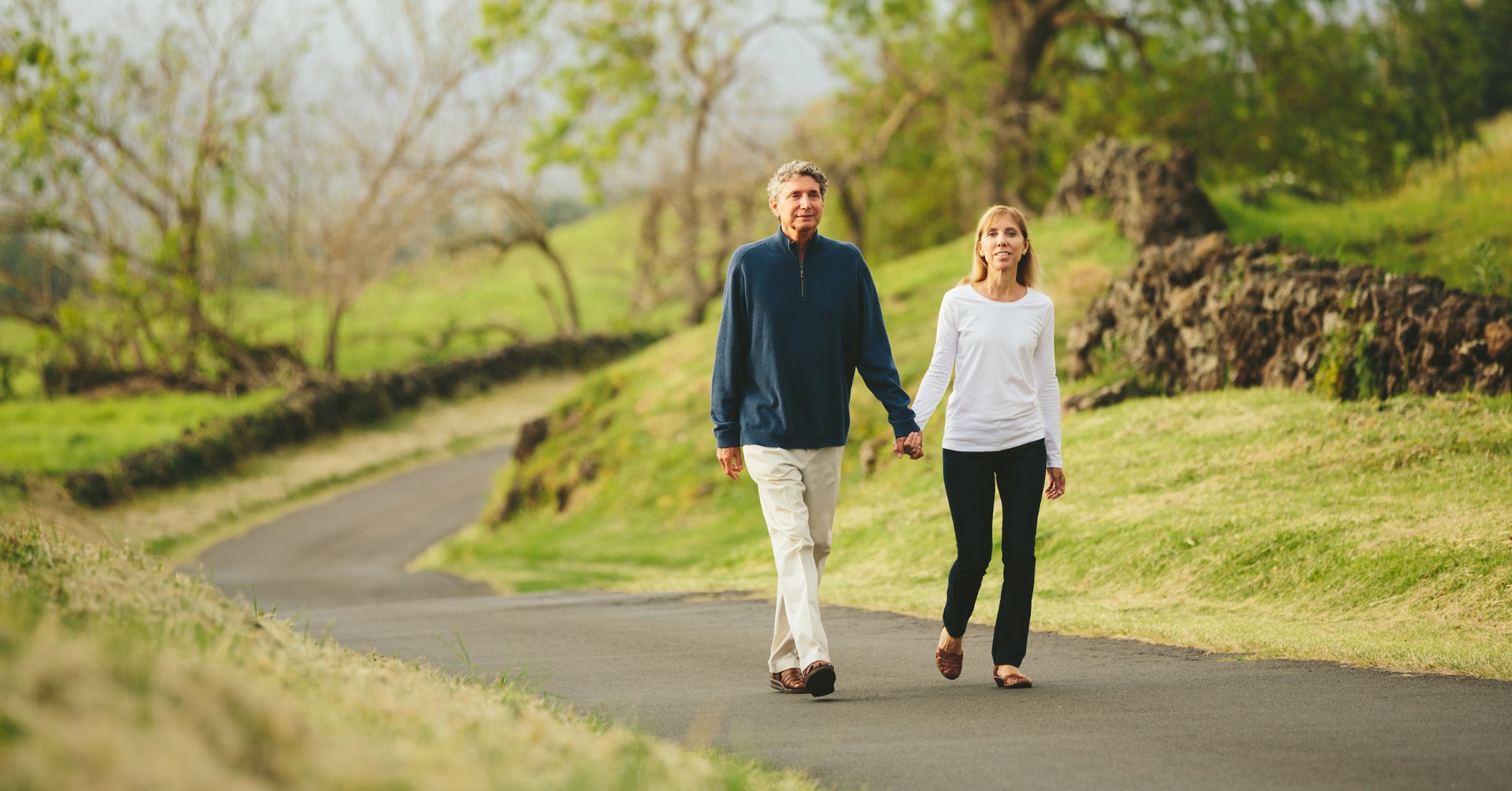
Growing older is inevitable, but how we age is influenced by the choices we make every day. While genetics play a role in determining our health, lifestyle habits often have a much greater impact on our ability to remain active, independent, and engaged in life as we age.
Healthy ageing is not about trying to stay young forever. Instead, it is about maintaining physical health, mental wellbeing, social connections, and a sense of purpose so that the later years of life remain fulfilling and meaningful.
According to experts from Singapore’s healthcare community, healthy ageing does not require drastic changes. In fact, a few simple habits can go a long way toward helping older adults enjoy healthier and happier golden years.
1. Keep Moving and Stay Physically Active
One of the most important ingredients for healthy ageing is regular physical activity.
As we grow older, natural age-related changes can lead to a gradual loss of muscle mass, strength, balance, and cardiovascular fitness. Staying active helps slow down these changes and allows older adults to maintain independence for longer.
Exercise offers numerous benefits, including:
- Maintaining muscle strength
- Supporting bone health
- Improving heart health
- Enhancing balance and coordination
- Reducing the risk of falls
- Supporting mental wellbeing
The key is to include a variety of activities rather than focusing on just one type of exercise. Experts recommend incorporating:
Resistance Training
Strength exercises such as resistance bands, bodyweight exercises, or light weight training help preserve muscle mass and strength, both of which naturally decline with age.
Aerobic Exercise
Activities such as brisk walking, cycling, jogging, swimming, and dancing improve endurance and cardiovascular health while helping to manage weight and chronic disease risk.
Balance Training
Practices such as tai chi and yoga can improve stability and reduce fall risk, which becomes increasingly important as people age.
The good news is that you do not need to become an athlete. Consistency matters more than intensity. Even moderate amounts of movement performed regularly can provide significant health benefits.
2. Stay Connected with Family and Friends
Healthy ageing involves much more than physical health.
Research consistently shows that maintaining social connections plays an important role in supporting mental and cognitive wellbeing. Social engagement can help lower the risk of loneliness, depression, and even dementia.
Unfortunately, social isolation often becomes more common in later life. Retirement, reduced mobility, and the loss of friends or loved ones can make it easier for older adults to become disconnected from their communities.
That is why maintaining relationships is so important.
Simple ways to stay socially engaged include:
- Meeting friends regularly
- Joining community groups
- Taking courses or classes
- Volunteering
- Participating in hobby clubs
- Spending quality time with family
Learning new skills and participating in social activities also provide valuable mental stimulation, helping to keep the brain active and engaged.
3. Continue Setting Goals and Finding Purpose
Many people spend much of their lives focused on career goals, raising families, and achieving personal milestones. After retirement, some individuals may feel a loss of direction or purpose.
However, healthy ageing is not about slowing down completely. It is about finding new opportunities to grow, contribute, and remain engaged with life.
Having meaningful goals can:
- Improve motivation
- Increase life satisfaction
- Support mental wellbeing
- Promote a positive outlook
- Encourage continued personal growth
Goals do not need to be grand or ambitious. They can be as simple as:
- Learning a new language
- Travelling to a new destination
- Completing a fitness challenge
- Volunteering in the community
- Taking up a new hobby
- Mentoring younger generations
A sense of purpose often contributes to greater happiness and fulfilment, regardless of age.
4. Go for Regular Health Screenings
Many chronic illnesses develop gradually and may not cause noticeable symptoms until complications occur.
Conditions such as:
- High blood pressure
- Diabetes
- High cholesterol
- Heart disease
can remain silent for years before causing serious health problems.
This is why regular health screenings are so important.
Routine check-ups allow healthcare professionals to identify potential problems early, when treatment is often more effective and complications can be prevented.
Many people are surprised to discover health issues despite feeling perfectly well. Early detection can help prevent irreversible damage and improve long-term health outcomes.
Health screenings should be viewed as a proactive investment in future wellbeing rather than something that is only necessary when symptoms appear.
5. Cultivate a Positive Mindset
Physical health is only one part of healthy ageing. Emotional wellbeing matters too.
A positive outlook can influence how people cope with challenges, recover from setbacks, and enjoy daily life. Experts encourage older adults to focus on gratitude, appreciate what they have, and avoid comparing themselves with others.
While ageing inevitably brings changes, maintaining a positive perspective can make those changes easier to navigate.
Simple habits that support emotional wellbeing include:
- Practising gratitude
- Spending time with loved ones
- Engaging in enjoyable hobbies
- Maintaining realistic expectations
- Focusing on strengths rather than limitations
- Celebrating small achievements
Happiness is not merely a by-product of good health—it can also contribute to it.
Healthy Ageing Starts Earlier Than You Think
One common misconception is that healthy ageing only becomes important after retirement. In reality, the habits we develop throughout adulthood often determine how well we age later in life.
Regular exercise, social engagement, preventive healthcare, lifelong learning, and positive mental habits can all contribute to healthier ageing outcomes.
The earlier these habits are adopted, the greater their long-term impact.
However, it is never too late to start. Even small improvements made today can lead to meaningful benefits in the years ahead.
Ageing Well Is About Living Well
Healthy ageing is not measured by the number of birthdays celebrated but by the ability to continue doing the things that matter most.
Whether that means travelling, spending time with grandchildren, participating in sports, pursuing hobbies, or simply maintaining independence, the goal remains the same: to live life fully and meaningfully at every stage.
By staying active, connected, purposeful, proactive about health, and positive in outlook, older adults can significantly improve their chances of enjoying vibrant and fulfilling golden years.
After all, ageing is unavoidable—but ageing well is something we can actively work towards every day.