


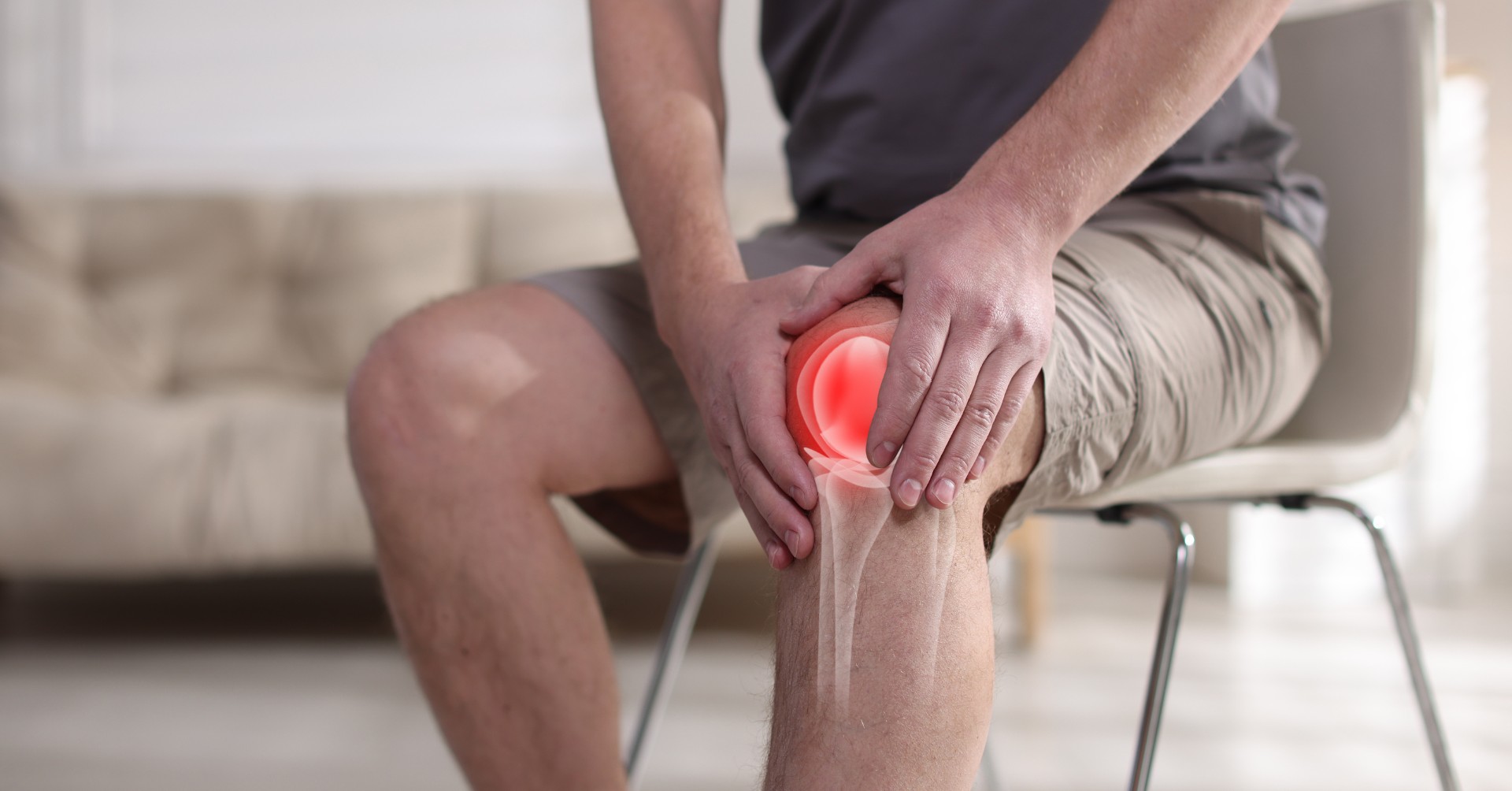
1) Introduction: When Knee Pain Becomes More Than Just a Twinge
Knee pain is incredibly common—and for many people, it’s more than a minor ache after a long walk or workout. One of the leading causes of persistent knee pain is osteoarthritis (OA), a degenerative joint condition that arises when the cartilage cushioning your knee wears down over time. Knee osteoarthritis is the most common form of arthritis affecting the joint and often develops with age, mechanical stress, or past injury, although it can affect adults at many stages of life.
Symptoms can include stiffness, swelling, creaking or grinding sensations, and pain that often worsens after activity or prolonged periods of sitting or rest. Over time, OA can make ordinary movements such as climbing stairs, walking, or even standing up from a chair more difficult. Early awareness and proper management can help many people maintain mobility and quality of life.
2) What Is Knee Osteoarthritis – and How It Progress
Osteoarthritis is a chronic, degenerative condition whereby the cartilage that cushions the ends of bones gradually deteriorates. Without this smooth buffer, bones can begin to rub together, leading to pain, swelling, decreased joint space, and stiffness.
Doctors often refer to the stages of OA to describe how far the condition has progressed:
- Early (Stage 1): Minimal cartilage changes and often little or no discomfort. This stage may not show up clearly on X-rays, and symptoms can be mild. Lifestyle changes and gentle exercise are usually encouraged.
- Mild (Stage 2): More bone spurs develop, and although cartilage remains relatively intact, you may begin to notice discomfort or stiffness after activity. Interventions like strengthening exercises and activity modification are typically recommended.
- Moderate (Stage 3): Cartilage damage progresses, and the space between bones narrows. Pain, stiffness, and swelling are more frequent. Doctors may prescribe stronger pain relievers, physical therapy, or even injections if needed.
- Severe (Stage 4): Cartilage is significantly worn away, causing bone-on-bone contact. At this point, pain is persistent and mobility is greatly reduced. Surgical options such as joint replacement are usually considered if nonsurgical treatments aren’t effective.
Understanding where you are on this continuum helps guide treatment and expectations for managing knee OA.
3) Managing Knee Osteoarthritis: Lifestyle & Activity First
Although there is no cure for osteoarthritis itself, symptoms can be managed effectively in many people through lifestyle adjustments and conservative therapies before moving on to more invasive treatments.
Movement & Activity
- Low-impact exercise such as walking on flat surfaces, cycling, or swimming helps maintain joint mobility and strengthen muscles around the knee, which can reduce pain over time. Getting up to move frequently instead of sitting for long periods also helps prevent stiffness.
- Balance activity and rest: It’s important to stay active, but not push through pain. Frequent short breaks during prolonged activity can reduce stress on the knee.
Physiotherapy
- Evidence strongly supports tailored physiotherapy, where a trained therapist assesses your movement and prescribes muscle-strengthening and flexibility exercises to improve function and reduce pain.
Weight Management & Lifestyle
- Reducing excess weight, even by 5–10 %, can significantly decrease the load on your knees and help reduce pain. A combination of gentle movement and a balanced diet supports both joint and overall health.
Activity Modification & Injury Prevention
- Simple changes like wearing supportive shoes, taking regular breaks during housework or errands, and avoiding high-impact activities that cause discomfort can reduce strain on the knees. Preventative habits — such as icing after minor strains or seeing a clinician early — also help reduce flare-ups.
4) Medications & Non-Surgical Options
For many people with OA, over-the-counter pain relievers (like topical gels or tablets) and anti-inflammatory medications can help manage pain and swelling under the guidance of a doctor. Glucosamine or collagen supplements are sometimes recommended for cartilage maintenance, with variable results.
Other non-surgical therapies include:
- Corticosteroid injections: These can reduce inflammation when pain is significant, though effects are typically temporary.
- Viscosupplementation (hyaluronic acid) injections: These aim to improve joint lubrication and reduce pain, especially when other interventions haven’t helped.
Always discuss the pros and cons of medications and injections with your healthcare provider to make informed decisions based on your symptoms and overall health.
5) When Surgery Becomes an Option
Surgery isn’t the first line of treatment for knee osteoarthritis, but it is a well-established option when symptoms are severe and conservative management hasn’t provided adequate relief.
Common surgical procedures include:
- Arthroscopy: A minimally invasive procedure for early OA that can clean out loose cartilage or debris in the joint.
- Osteotomy: For younger patients with limited OA, altering bone alignment can relieve stress on the knee joint.
- Joint Replacement (Arthroplasty): In advanced OA where cartilage is mostly gone, replacing the damaged joint with artificial components often dramatically improves pain and function.
If surgery is recommended, it’s important to weigh the potential benefits against recovery time, especially as it often involves extended physiotherapy afterward.
6) Living Well With OA: A Holistic Approach
Knee osteoarthritis isn’t simply a sign of “getting older”—it’s a chronic condition that many people navigate for years with a blend of lifestyle changes, supportive therapies, and, when needed, medical treatments.
Key strategies include:
- Staying physically active with joint-friendly exercises
- Stronger muscles and flexible joints from physiotherapy
- Developing a weight and lifestyle plan that supports knee health
- Using medications and injections appropriately under medical guidance
- Considering surgery when everyday function is significantly impacted
For many, a combination of these approaches not only manages pain but improves mobility and quality of life — making everyday activities easier and more comfortable.
Conclusion: Smart Management Can Make a Big Difference
Knee osteoarthritis may be common and progressive, but it doesn’t have to define your life. Early awareness, personalised physical activity, proper weight management, and sensible medical care can help you stay active and enjoy daily movement while keeping pain under control. Start with conservative strategies, listen to your body, and work closely with healthcare professionals to craft a plan that fits your needs. With the right steps, many people with OA continue living vibrant, active lives.