


Introduction – When Stress Hits, Your Body Responds Too
Feeling stressed isn’t just a mental experience — it triggers physical reactions in your body. When you’re overwhelmed, your nervous system goes into “alert mode,” releasing hormones like cortisol and adrenaline. That’s great if you’re escaping immediate danger, but in everyday life — work stress, packed schedules, family responsibilities — chronic activation of this stress response takes a toll.
What many people don’t realise is that nutrition can play a meaningful role in reducing stress and supporting your body’s ability to cope. Certain foods and nutrients interact with your gut, brain, and hormones in ways that can help you feel calmer, more focused, and better equipped to handle life’s ups and downs.
According to MyFitnessPal, the relationship between food and stress isn’t just about calories — it’s about how the nutrients you eat affect your body’s stress pathways and your nervous system.
Stress & Nutrition: The Science Behind It
When stress sets in, your body demands quick energy. This can lead to cravings for sugary, high-fat comfort foods — and while those might feel nice in the moment, they can create blood sugar swings that worsen mood and anxiety. Chronic stress can also affect your gut health, which plays a major role in mood regulation through the “gut-brain axis.”
Certain nutrients — particularly complex carbohydrates, healthy fats, amino acids, and antioxidants — influence neurotransmitters like serotonin and GABA, which can soothe the nervous system. Eating mindfully and choosing nutrient-rich foods can support better stress responses and greater emotional balance.
Eat This to Tame Stress: Foods That Promote Calm
Here are foods shown to support your stress response and mood — many of which are easy to add to your daily routine:
🥑 1. Omega-3 Rich Foods
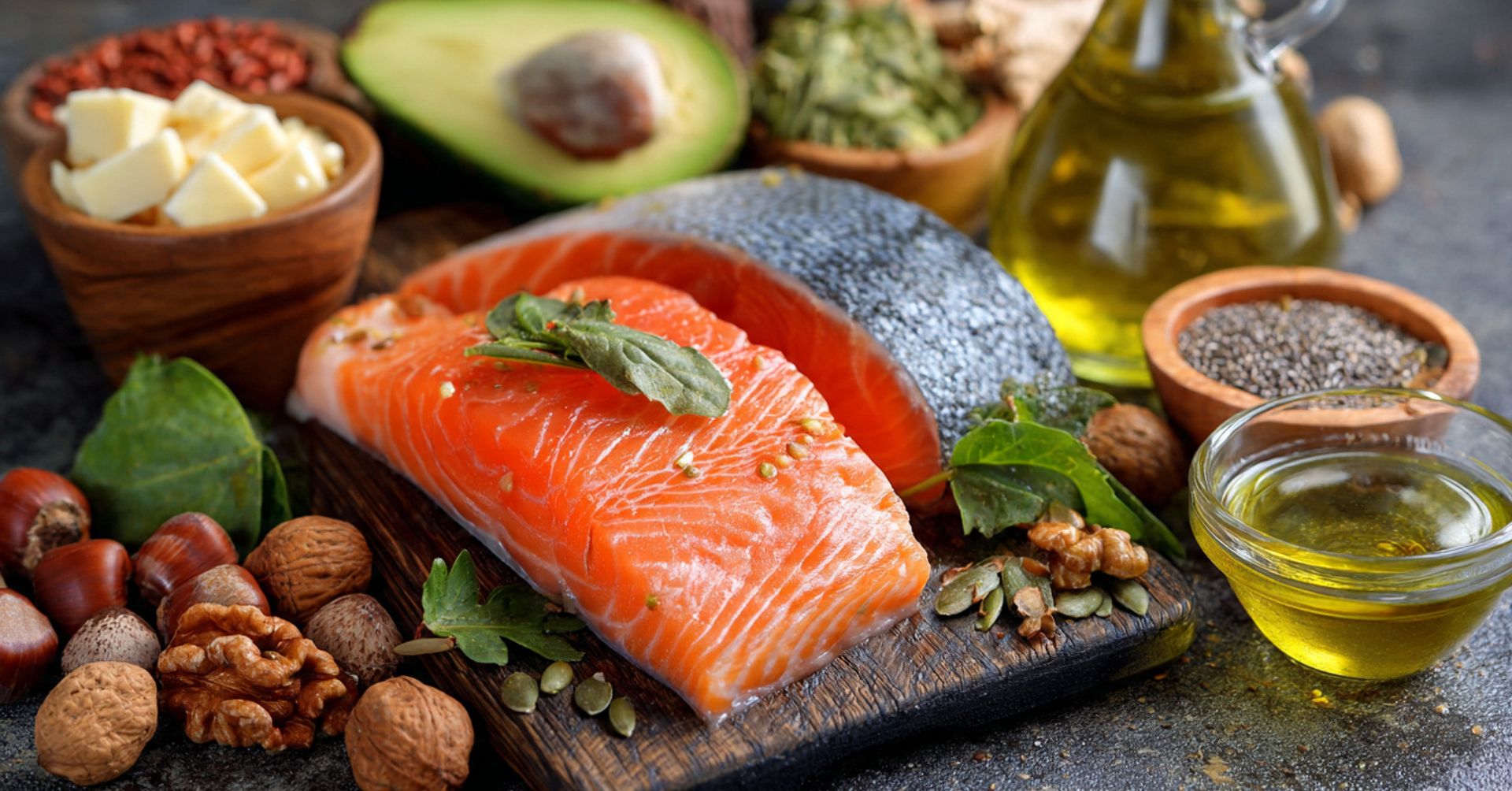
Healthy fats found in salmon, mackerel, chia seeds, and walnuts can support brain function and reduce inflammation. Omega-3s have been linked to lower stress hormone levels and better emotional regulation.
🍌 2. Complex Carbohydrates
Whole grains, oats, quinoa, and sweet potatoes help stabilise blood sugar and support steady serotonin production — a neurotransmitter associated with relaxation and well-being.
🫐 3. Antioxidant-Rich Fruits & Vegetables
Berries, spinach, kale, and other colourful produce contain antioxidants that help neutralise stress-induced free radicals and protect cells from oxidative stress.
🥜 4. Foods With Magnesium & B Vitamins
Magnesium helps relax muscles and calm the nervous system. Nuts, seeds, legumes, and dark leafy greens are great sources. B vitamins — found in foods like eggs, poultry, and whole grains — help regulate energy and cope with stress.
🍵 5. Fermented Foods & Probiotics
Yogurt, kefir, sauerkraut, and tempeh can support gut health, which in turn influences mood through the gut-brain connection. A healthy microbiome may reduce anxiety and support emotional balance.
Habits That Help You Stay Calm (Beyond Individual Foods)
🕰️ Eat Regular Meals
Skipping meals may cause blood sugar dips that trigger irritability or anxiety. Regular, balanced meals help keep energy levels stable and reduce stress cravings.
🥣 Balance Macronutrients
Meals with a blend of protein, healthy fats, and complex carbohydrates help your body absorb nutrients gradually and maintain steady energy — which supports mood and reduces stress reactions.
💧 Hydration Matters
Even mild dehydration can increase feelings of tension and fatigue. Drinking enough water throughout the day helps your body function optimally — especially when stress tends to make some people reach for sugary drinks or caffeine.
Comfort Foods With a Twist: Stress-Friendly Snacks
You don’t have to give up comfort — just choose versions that support your nervous system:
- Dark chocolate (70% cocoa or more) — contains compounds that may boost serotonin and feel-good hormones in moderation.
- Banana + nut butter toast — combines complex carbs with healthy fats and magnesium for steady energy and calm.
- Greek yogurt with berries & seeds — probiotics + antioxidants + protein make for a soothing, mood-supportive snack.
Nutrition Isn’t Magic — But It Helps You Cope Smarter
Food isn’t a cure-all for stress, and a holistic stress-management plan includes sleep, movement, social connection, and mindful habits. Still, what you eat can influence your body’s biology in ways that make stress easier to manage.
Aim for food that feeds both your body and mind. When you combine nutrient-rich meals with mindful eating patterns and routines that support emotional resilience, your nervous system gets the support it needs to stay balanced even on tough days.
Final Thoughts — Eat Well, Stress Less
Stress is a normal part of life, but constant physiological stress can wear you down. By choosing foods that support your nervous system and stabilise your energy, you give your body tools to respond more calmly.
Instead of reaching for quick fixes like sugary snacks or excessive caffeine, nourishing meals can help regulate your mood, support mental clarity, and make stress feel more manageable.
Eat with intention, move with purpose, and remember: stress might be inevitable — but it doesn’t have to control how you feel.